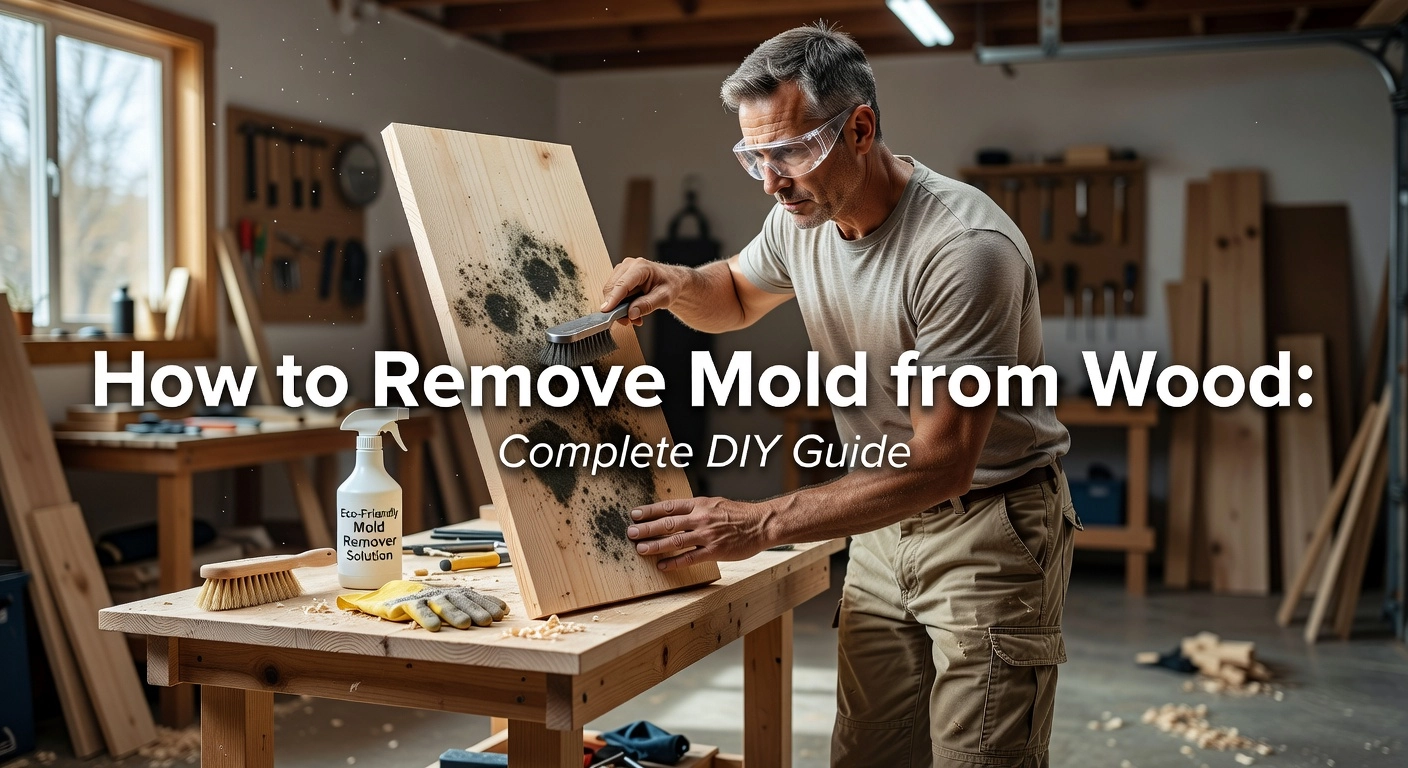
You walk into your basement or flip over a piece of wooden furniture, and there it is: that fuzzy, dark patch staring back at you. Mold on wood is one of those household problems that can feel overwhelming at first, especially if you’ve never dealt with it before. The good news? You don’t need to be a professional to tackle it.
Learning how to remove mold from wood is actually something most homeowners can handle with the right guidance, a few basic supplies, and a little bit of patience. Whether you’re dealing with a moldy deck, bathroom cabinet, or a piece of salvaged furniture, this guide has you covered from start to finish.
In this post, you’ll learn how to identify different types of mold on wood, what safety precautions to take before you start, and which cleaning methods work best for different situations. We’ll also cover how to prevent mold from coming back once you’ve cleared it up. By the end, you’ll feel confident and ready to get the job done without spending a fortune on professional services.
What Mold on Wood Actually Looks Like
Before you grab a scrub brush and cleaning solution, it pays to know exactly what you’re dealing with. Mold on wood doesn’t always look the same, and misidentifying it can mean treating the wrong problem entirely.
Color is usually the first thing you’ll notice. Mold shows up in a surprisingly wide range of shades, including black, dark green, gray, white, brown, and even reddish or orange patches. The color depends on the mold species, how long it’s been growing, and the type of wood it’s colonizing. According to OSHA’s mold identification guide, different species like Cladosporium and Aspergillus produce distinctly different colors, so you can’t judge the severity by color alone.
Texture tells you a lot about moisture levels. Fresh mold in damp conditions often looks slimy or wet. As conditions dry out, that same growth can turn fuzzy, powdery, or velvety. If you’re seeing a fuzzy patch with irregular edges that doesn’t follow the wood grain neatly, that’s a strong visual clue you’re looking at mold rather than a stain.
Your nose might actually catch it first. A persistent musty, earthy smell inside cabinets, behind furniture, or in basement spaces often signals mold growth before you can see anything. That odor comes from microbial volatile organic compounds released as mold actively grows. Don’t ignore it; treat it as a prompt to start investigating.
Is It Mold or Just a Stain?
This is where a lot of beginners go wrong. Water rings, tannin stains, and natural wood discoloration can all look similar to mold at first glance. Here’s a simple way to tell them apart:
- Try the rub test. Lightly rub the spot with a damp cloth. Mold typically smears or wipes away because it’s growing on the surface. Stains and water rings are absorbed into the wood fibers and won’t budge with a simple wipe.
- Check for texture. Mold feels fuzzy, powdery, or slightly raised. Stains are flat and smooth to the touch.
- Smell the area. Mold has that distinctive musty odor. Stains are odorless.
- Watch for spreading. If the discoloration is growing larger over days or weeks, it’s almost certainly mold. Stains stay put.
This Old House’s guide on killing mold on wood also recommends checking moisture levels with a moisture meter, since active mold growth typically requires wood moisture content above 16 to 20 percent.
When It’s More Than Mold: Wood Rot Warning Signs
This is critical to understand before you start any cleaning project. Mold is primarily a surface problem, and when caught early, it’s cleanable. Wood rot is a completely different situation. Rot is caused by decay fungi that break down the wood’s internal structure, and no amount of scrubbing will fix it.
Poke the suspicious area gently with a screwdriver or your finger. If the wood feels soft, spongy, or crumbly, or if it compresses and doesn’t spring back, you’re looking at rot. Other warning signs include cubical cracking patterns, sagging areas, or wood that literally falls apart when probed. In those cases, the affected wood usually needs to be replaced entirely, not cleaned.
Mold and rot can coexist if moisture has been present for a long time, so always check the structural integrity of the wood before deciding on your approach.
Is This a DIY Job? How to Assess Your Situation
Now that you know what mold looks like, the next question is whether you should tackle it yourself or call in a pro. The honest answer depends on a few key factors, and getting this decision right matters for both your health and your home.
The 10 Square Foot Rule
The EPA’s mold cleanup guidance gives homeowners a practical benchmark: if the moldy area is smaller than roughly 10 square feet (think a 3-foot by 3-foot patch), it’s generally safe to handle yourself. Anything larger than that starts to carry risks that go beyond what household cleaners and basic PPE can manage safely. If you’re looking at a small spot on a cabinet door or a section of deck board, you’re likely in DIY territory. A wall covered in mold or growth spreading across multiple boards is a different story entirely.
Health Conditions That Change the Equation
Even a small mold patch becomes a professional job if certain health conditions are in the picture. If you or anyone in your household has asthma, chronic respiratory issues, allergies, or a compromised immune system, skip the DIY approach. Mold spores can trigger serious reactions in sensitive individuals, including worsened asthma, wheezing, and respiratory infections. When in doubt, consult your doctor before attempting any cleanup.
Structural and Load-Bearing Wood
Mold growing on framing, subfloor joists, or any load-bearing wood needs licensed remediation, not a bottle of vinegar. These situations require proper containment and professional verification to ensure the structure is safe and the mold is fully removed.
Surface Mold vs. Deep Penetration: A Quick Visual Check
Run through this checklist before you start:
- Wipe test: Lightly rub the area with a gloved finger. Surface mold smears or wipes away easily. Persistent dark spots suggest deeper penetration into the wood grain.
- Texture: Fuzzy or raised growth points to surface colonies. Smooth but discolored patches may mean the mold has worked deeper.
- Smell: A strong musty odor confirms active growth rather than an old stain.
- Wood feel: Press the wood firmly with your finger or a screwdriver. If it feels solid, you’re likely dealing with surface mold. If it gives way, feels spongy, or crumbles, that’s rot, and cleaning won’t fix it.
Soft, crumbling, or spongy wood signals fungal decay, which structurally weakens wood in a way that no cleaner can reverse. Rotted wood needs full replacement, and professional assessment is worth considering before you invest time in a cleanup that won’t hold. Once you’ve confirmed you’re working with a manageable, surface-level situation on solid wood, you’re ready to move forward.
What You Need Before You Start
Before you touch a single spore, getting your gear together makes the whole process safer and more effective. Think of this as your pre-game checklist. Taking 10 minutes to gather everything now saves you from stopping mid-job or, worse, exposing yourself to something you really don’t want to breathe in.
Your PPE Checklist
Personal protective equipment isn’t optional here. Mold spores become airborne the moment you disturb them, so protecting yourself is the first priority. Grab an N95 respirator or mask rated by NIOSH before you start scrubbing. Pair that with nitrile gloves (avoid latex if you have sensitivities), safety goggles with no side vents, and a long-sleeved shirt or old clothes you don’t mind tossing in the wash immediately afterward. The CDC recommends this level of protection specifically because mold exposure can trigger allergies, aggravate asthma, and cause real problems for anyone with a weakened immune system.
Cleaning Supplies to Gather
You’ll want spray bottles for applying your cleaning solution, a soft-bristle scrub brush to work into the wood grain without scratching it, and several microfiber cloths for wiping away residue. A HEPA vacuum is genuinely worth tracking down because standard vacuums just blow spores back into the air. Finish the list with heavy-duty sealable plastic bags for disposing of used cloths, brushes, and PPE when you’re done.
Ventilation Setup
Open every window in the room and point a fan outward so it’s pushing air outside rather than circulating it around. Close doors to other rooms to keep spores contained to one area. The EPA’s mold guidance consistently emphasizes ventilation as a key step whenever you’re working with cleaning solutions or disturbing mold growth.
Optional Restoration Supplies
Once the mold is gone and the wood is fully dry, you may want fine-grit sandpaper to smooth any rough patches, a wood conditioner to prep the surface, and a sealant or finish like polyurethane to protect the wood going forward. Sealing clean wood is one of the best ways to prevent mold from coming back.
Always Test Your Cleaning Solution First
This step gets skipped constantly, and it causes real headaches. Before applying any solution to the full affected area, dab a small amount onto a hidden spot, like the underside of a shelf or the back of a cabinet panel. Wait at least 10 minutes and check for discoloration, warping, or finish damage. Finished, painted, and stained wood surfaces can react unpredictably to vinegar, hydrogen peroxide, or even mild detergent, so testing first protects you from making a visible spot look worse than the mold did.
How to Remove Mold from Wood Step by Step
You’ve got your gear ready and you’ve assessed the situation. Now it’s time to actually tackle the mold. Work through these steps in order, and don’t skip ahead. Each one sets up the next for a reason.
Step 1: Ventilate the space and suit up completely before touching anything.
Open every window and door in the room to get fresh air moving through. Good airflow helps disperse spores and fumes so you’re not breathing them in during the cleanup. Once ventilation is sorted, put on your full PPE: N95 respirator, non-latex gloves, safety goggles, and long sleeves. Don’t start touching the moldy surface until every piece of protection is in place. If anyone in your household has asthma, allergies, or a weakened immune system, they should stay out of the space entirely while you work.
Step 2: HEPA vacuum the area before applying any liquid.
This step surprises a lot of beginners, but it makes a huge difference. Running a HEPA vacuum over the moldy surface first pulls up loose spores without spreading them into the air the way a dry cloth or brush would. Work gently and cover the surrounding area too, not just the visible mold patch. This “dry pass” before any wet cleaning is a best practice that many guides skip, but it genuinely reduces airborne contamination. According to mold remediation research, this step can meaningfully lower the spore count before you introduce any moisture.
Step 3: Apply your cleaning solution and let it dwell.
Choose your solution based on what you gathered in the previous section: undiluted white vinegar, a borax-water mix, or a commercial fungicide all work well for most surface mold on wood. Apply it directly to the affected area using a spray bottle or cloth, then give it time to work. Vinegar needs at least an hour of contact time to be effective. A commercial product should follow the label instructions. Dwell time is not optional; skipping it means you’re just smearing mold around rather than actually killing it.
Step 4: Scrub gently with a soft-bristled brush.
Use light, controlled strokes and avoid flooding the surface. Over-saturating the wood is one of the most common beginner mistakes because moisture seeping into the grain can make the underlying problem worse. Work in small sections, blotting excess liquid as you go. A soft brush or non-abrasive sponge is the right tool here; anything more aggressive risks damaging the wood’s finish or pushing spores deeper into the fibers.
Step 5: Wipe away residue and dry completely.
Use a clean damp microfiber cloth to remove the cleaning solution and any remaining mold residue. Then switch to drying mode immediately. Point fans directly at the surface, run a dehumidifier nearby, and keep windows open. Complete drying can take 24 to 48 hours depending on humidity levels. Skipping this step is how mold comes back within days.
Step 6: Sand lightly if staining or mold remains after drying.
Once the wood is fully dry, check for any remaining discoloration or surface mold. If you still see spots, fine-grit sandpaper applied by hand can remove the top layer of affected wood fibers. Follow immediately with another HEPA vacuum pass to contain any dust and spores you’ve loosened. This step is a last resort, not a first move, so only go here if the cleaning alone didn’t do the job.
Step 7: Bag everything and dispose of it properly.
Every contaminated item, including rags, brush heads, vacuum bag contents, and any debris, goes directly into a sealed plastic bag before it leaves the room. Tie the bags tightly and take them straight outside. Wash your clothing separately from the rest of the household laundry, and wipe down your tools before storing them. This final step is easy to rush, but mold statistics show that cross-contamination from improper disposal is a surprisingly common reason mold spreads to other areas of the home.
Once everything is cleaned, dried, and disposed of properly, you’re ready to think about sealing or refinishing the wood to protect it going forward.
Best Solutions for Removing Mold from Wood
Not all cleaning solutions work the same way on wood, and picking the right one for your specific situation makes a real difference in how well the mold comes out. Here is a breakdown of what works, when to use it, and what to avoid.
White Vinegar: Your Best First Move
For most indoor wood surfaces, plain distilled white vinegar is the place to start. Use it undiluted straight from the bottle. It penetrates porous wood better than bleach does, and research shows it kills more than 80% of common mold species without leaving behind toxic fumes or harsh chemical residues. Spray it generously on the affected area, let it sit for at least one hour so it can work its way into the wood grain, then scrub gently and wipe clean. It is safe for finished furniture, interior trim, and wood cabinets. The smell fades as it dries, so do not let that put you off.
Borax Solution: Great for Preventing Regrowth
Borax has one big advantage over vinegar: it leaves behind a residue that keeps mold from coming back. Mix one tablespoon of borax per cup of hot water (or scale up to one cup per gallon for larger areas). Apply it with a brush or spray bottle, scrub the surface, and then let it air dry without rinsing it off. That leftover borax film is what gives it the edge for prevention. It works on both finished and unfinished wood, making it a solid follow-up treatment even after you have used vinegar first.
Hydrogen Peroxide: Gentle on Finished Wood
Standard 3% hydrogen peroxide from the drugstore is a good choice for painted or sealed wood where you want to avoid any risk of discoloration. Bleach can strip color from finished surfaces, but hydrogen peroxide oxidizes mold without that same risk. Spray it on, let it sit for 10 to 15 minutes until the bubbling slows down, then scrub lightly and wipe dry. It works well for light to moderate growth on finished furniture or interior wood trim.
Bleach: Last Resort Only
Diluted bleach at a 1:10 ratio (one part bleach to ten parts water) is effective on unfinished or exterior wood like decks and framing. However, the CDC recommends caution because bleach can strip color from sealed or painted surfaces and does not penetrate deep into porous wood as effectively as other options. Reserve it for outdoor projects or bare wood when gentler solutions have not done the job.
Commercial Fungicide Cleaners: For Serious Cases
When you are dealing with heavy mold on structural or unfinished wood and the DIY options are not cutting it, an EPA-registered commercial fungicide cleaner is appropriate. Follow the product label carefully and make sure the space is well ventilated.
One rule that applies to every method above: never mix bleach with ammonia or vinegar. Combining these produces toxic fumes that are genuinely dangerous in any enclosed space. Use one product at a time, rinse between applications if switching, and always keep a window open.
Mold Removal by Wood Surface Type
Not all wood surfaces are the same, and the mold removal approach that works great on your deck could seriously damage your kitchen cabinets. Matching your cleaning solution to the specific surface type is one of the most important things you can do to get good results without creating a new problem in the process.
Kitchen Cabinets
Painted and sealed cabinet surfaces need a gentler touch because harsh cleaners can strip the finish, fade the color, or leave behind dull spots that are hard to fix. Stick with a 50/50 mix of white vinegar and water, or apply 3% hydrogen peroxide directly with a soft cloth. Work in small sections, scrub lightly, and wipe dry right away. Avoid anything abrasive or bleach-based since the sealed surface is actually protecting the wood underneath, and you want to keep that barrier intact. If mold keeps coming back in the same spot inside a cabinet, check for a moisture source nearby like a leaky pipe under the sink.
Wood Furniture
Finished furniture pieces with varnish, lacquer, or a sealed coating can handle a vinegar solution or a borax mix (about one tablespoon of borax per cup of warm water) applied with a soft cloth and light scrubbing. The finish gives you a bit of a buffer, but you still want to avoid soaking the wood or scrubbing aggressively. Unfinished wood furniture is a different situation entirely because it is more porous and mold can work its way deeper into the grain. For unfinished pieces, a diluted bleach solution (one to two tablespoons per quart of water) is an option if gentler methods are not cutting it. Just test it first in a hidden spot since bleach can lighten the wood. After cleaning, let the piece dry fully in a well-ventilated area before considering a sealant or finish to prevent a repeat.
Butcher Block Countertops
This one has a firm rule: no bleach, ever. Butcher block is a food-prep surface, and bleach residue left in porous wood is not something you want anywhere near your food. Undiluted white vinegar or 3% hydrogen peroxide are both appropriate and effective here. Apply, let it sit for a few minutes, scrub gently with a soft brush, rinse well with clean water, and dry immediately. Once clean, reapply a food-grade mineral oil or beeswax sealant to restore the protective layer. The EPA’s mold cleanup guidance also reinforces the importance of eliminating moisture at the source, so check that your countertop is not sitting in standing water or near a dripping faucet.
Hardwood Floors
The finish type on your floors matters more than most people realize. Polyurethane-sealed floors are fairly forgiving and handle diluted white vinegar well. Apply it with a damp mop or cloth, work in small sections, and dry the floor promptly since excess moisture on hardwood is always a risk. Oil-finished or wax-finished floors are more sensitive. Vinegar and bleach can dull or strip those finishes, so use a mild soap solution or a cleaner specifically designed for your floor type instead. When in doubt, test a small hidden area first and give it time to dry before committing to the whole surface.
Decks and Exterior Wood
Outdoor wood gives you a lot more flexibility. Good ventilation is built in, and deck finishes tend to be more durable and weather-resistant. A diluted bleach solution works well here, roughly three-quarters of a cup of bleach per gallon of water. You can also use an oxygen bleach cleaner or a commercial fungicide designed for exterior wood. Apply it with a brush or garden sprayer, let it sit for 10 to 15 minutes while keeping the surface wet, scrub with a stiff brush, and rinse thoroughly. Follow up with a mold-resistant sealant or stain once the wood is completely dry to help keep the mold from returning next season.
Basement Framing and Structural Lumber
Unfinished structural wood in basements is where mold can become a more serious concern, both for your health and potentially for the wood itself. A 10% bleach solution or a commercial mold remover works well on these surfaces since there is no finish to protect. Scrub thoroughly, let the area dry with fans or a dehumidifier running, and fix whatever moisture source allowed mold to develop in the first place. Keep the lumber’s moisture content below 19% to prevent regrowth. One important note here: if the wood feels soft, spongy, or crumbles when you press on it, that is rot, and cleaning will not fix it. Rotted structural lumber typically needs to be replaced, and that evaluation is worth doing carefully before deciding to clean versus replace.
Restoring Wood After Mold Removal
Once the mold is gone, your wood still needs a little TLC before it’s truly back to normal. Cleaning kills the mold, but it doesn’t always erase the evidence. Here’s how to bring your wood back to life after the hard part is done.
Sand Away Any Remaining Stains
Even after a thorough cleaning, you may notice some discoloration or surface staining left behind. Light sanding with 120 to 220 grit sandpaper takes care of that. Start with the finer end of that range (180 to 220 grit) if your wood still has some finish on it, and only drop to 120 grit for bare wood with stubborn staining. Always sand with the grain, using light and even strokes. This removes the last traces of surface damage and opens the wood slightly so your finish will adhere properly. Follow up immediately with a HEPA vacuum to capture the dust before it settles.
Condition the Wood Before You Finish It
After sanding, the wood can feel dry and look a little dull. Applying a wood conditioner at this stage makes a big difference. Conditioners penetrate the grain, even out absorption, and prevent that blotchy look you can get when stain or finish goes on unevenly. For butcher block or food-contact surfaces, stick with a food-grade mineral oil instead. Let the conditioner soak in fully and dry according to the product’s directions before moving on.
Reseal, Refinish, or Reprime
This is the most important step for long-term protection. Resealing the wood closes the pores that mold originally exploited, blocking moisture from creeping back in. Choose a finish suited to your surface, such as polyurethane for furniture or floors, penetrating oil for a natural look, or a food-safe option for butcher block. Apply thin coats rather than one heavy layer, and sand lightly between coats for a smooth result.
For painted cabinets or trim, spot-prime with a stain-blocking primer first to prevent any discoloration from bleeding through. Then repaint to match the surrounding finish. If the damage covers a large area, repainting the whole surface gives you the most consistent look.
For more detailed guidance on each of these steps, WoodStuffHQ has you covered. Check out the step-by-step guides on restoring wood furniture, caring for butcher block countertops, and choosing the right wood floor cleaner to help you complete the full restoration with confidence.
How to Prevent Mold from Coming Back
You’ve done the hard work of removing the mold, so the last thing you want is to find it creeping back a few months later. The good news is that prevention really comes down to one thing: keeping moisture under control. Here’s how to stay ahead of it.
Keep your indoor humidity in check. Mold thrives when humidity climbs above 60%, so your target zone is between 30 and 50 percent. Pick up a hygrometer at your local hardware store (they usually run between $10 and $30) and keep one in moisture-prone spots like your basement, bathroom, or laundry area. If your readings are consistently high, run a dehumidifier to bring things back down. Your air conditioner also helps pull moisture from the air during warmer months, so make sure it’s running properly.
Fix water problems fast. Mold can start growing within 24 to 48 hours of moisture exposure, which means a small drip under your sink can become a real problem before you even notice it. Inspect pipes, windows, and roof areas regularly for any signs of leaking. If you spot condensation forming on wood surfaces near cold pipes or exterior walls, insulate those pipes to stop the sweating at the source.
Improve airflow throughout your home. Run exhaust fans in your bathroom and kitchen during and after cooking or showering, and crack a window when the weather allows. If you have wood furniture sitting flush against exterior walls, pull it a few inches away to let air circulate behind it. Trapped, stagnant air is exactly where mold likes to set up shop.
Clean up spills right away. Water and wood are not a good combination when left to sit. Wipe up any spills or condensation on wood surfaces immediately, and avoid leaving damp towels, rugs, or wet clothing resting against wood for any length of time.
Do a quick check every few months. Build a simple habit of peeking under sinks, checking basement corners, and scanning around windows for any early signs of growth. Catching a small patch early is a five-minute fix; ignoring it can turn into a much bigger project.
When to Call a Professional Instead
DIY mold removal works well for small, manageable spots, but there are situations where calling in a licensed mold remediation professional is genuinely the safer and smarter move.
The area is larger than about 10 square feet. That’s roughly a 3-by-3-foot patch. Anything bigger than that likely signals a deeper moisture problem, and surface cleaning alone won’t fully solve it. Larger infestations also require proper containment to prevent spores from spreading to other rooms during cleanup.
The mold keeps coming back. If you’ve cleaned the same spot two or three times and it returns within weeks, something is feeding it underneath. Hidden leaks behind walls, moisture wicking up through subfloors, or mold hyphae already embedded deep in the wood structure are all common culprits. A professional has moisture meters and thermal imaging tools to find what you can’t see.
Someone in your home is experiencing persistent symptoms. Ongoing coughing, congestion, allergy flares, or unexplained respiratory issues are a signal to stop DIYing and get professional testing done. Mold exposure is a real health risk, especially for children, older adults, or anyone with asthma.
The mold is in your HVAC system, inside walls, or in attic framing. These locations are well beyond DIY territory. Mold in ductwork can spread spores through your entire home every time the system runs.
The good news is that getting a professional assessment doesn’t automatically mean a massive job or a huge bill. Many inspections simply confirm that your cleanup was thorough and the problem is resolved, which is worth every penny for the peace of mind alone.
Final Thoughts on Tackling Mold on Wood
You’ve made it through the full process, and here’s the quick version worth keeping in mind: identify the mold correctly, decide if it’s a safe DIY job, suit up with proper PPE, match your cleaning solution to your specific wood surface, and dry everything completely when you’re done. Each of those steps matters, and skipping any one of them is usually where problems start.
If there’s one thing to take away from all of this, it’s that fixing the moisture source is non-negotiable. Mold will return within weeks if the underlying dampness isn’t addressed, no matter how well you cleaned.
For most finished indoor surfaces, start with vinegar or borax before reaching for bleach or stronger chemicals. They’re gentler on your wood and still highly effective.
And don’t skip the refinishing step. Resealing your wood after cleaning is what actually protects it long-term, and most DIYers overlook it completely.
For your next steps, explore more WoodStuffHQ guides covering wood furniture restoration, butcher block countertop care, hardwood floor cleaning, and kitchen cabinet maintenance to keep all your wood surfaces in great shape.
Frequently Asked Questions
How do I know if the dark spot on my wood is mold or just a stain?
You can tell the difference using a few simple tests. Try the rub test: lightly wipe the spot with a damp cloth — mold will smear or wipe away since it grows on the surface, while stains are absorbed into the wood and won't budge. Check the texture: mold feels fuzzy, powdery, or slightly raised, whereas stains are flat and smooth. You can also smell the area — mold has a distinct musty odor while stains are odorless. Finally, watch whether the discoloration spreads over days or weeks; if it does, it's almost certainly mold.
What is the best cleaning solution to remove mold from wood?
For most indoor wood surfaces, undiluted white vinegar is the best first option. It penetrates porous wood effectively, kills over 80% of common mold species, and leaves no toxic residue. Borax mixed with water is great when you want to prevent regrowth, as it leaves a residue that discourages mold from returning. Hydrogen peroxide (3%) works well on finished or painted wood where you want to avoid discoloration. Bleach diluted at a 1:10 ratio should be reserved as a last resort for unfinished or exterior wood only. Never mix bleach with vinegar or ammonia, as this creates dangerous toxic fumes.
How large does a mold problem have to be before I should call a professional instead of handling it myself?
According to the EPA's mold cleanup guidance, if the moldy area is smaller than roughly 10 square feet (about a 3-by-3-foot patch), it's generally safe to handle yourself. Anything larger likely signals a deeper moisture problem that surface cleaning alone won't solve. You should also call a professional regardless of size if the mold keeps returning after repeated cleanings, if anyone in your home has asthma, allergies, or a compromised immune system, or if the mold is located in your HVAC system, inside walls, or in structural framing. Persistent respiratory symptoms in household members are also a strong signal to stop DIYing and seek professional assessment.
How can I prevent mold from coming back on wood after I've cleaned it?
The key to preventing mold recurrence is controlling moisture. Keep indoor humidity between 30 and 50 percent using a hygrometer to monitor levels and a dehumidifier if needed. Fix any leaks or water problems within 24 to 48 hours, since mold can begin growing that quickly after moisture exposure. Improve airflow by running exhaust fans in bathrooms and kitchens, and pull furniture a few inches away from exterior walls to allow air circulation. Wipe up spills immediately and avoid leaving damp items resting against wood surfaces. Most importantly, reseal or refinish the wood after cleaning to close the pores that mold originally exploited, as this protective barrier is one of the most effective long-term prevention steps most DIYers overlook.
What's the difference between mold on wood and wood rot, and does it change how I treat the problem?
Yes, it changes everything. Mold is primarily a surface problem caused by mold spores growing on wood, and when caught early, it can be cleaned effectively with the right solutions. Wood rot, on the other hand, is caused by decay fungi that break down the wood's internal structure — and no amount of scrubbing will fix it. To check for rot, press the suspicious area firmly with a screwdriver or your finger. If the wood feels soft, spongy, or crumbly, or compresses without springing back, you're dealing with rot, not just mold. Other rot warning signs include cubical cracking patterns, sagging areas, or wood that falls apart when probed. Rotted wood needs to be replaced entirely, not cleaned, and a professional assessment is advisable before investing time in a cleanup that won't hold.
4 thoughts on “How to Remove Mold from Wood: Complete DIY Guide”