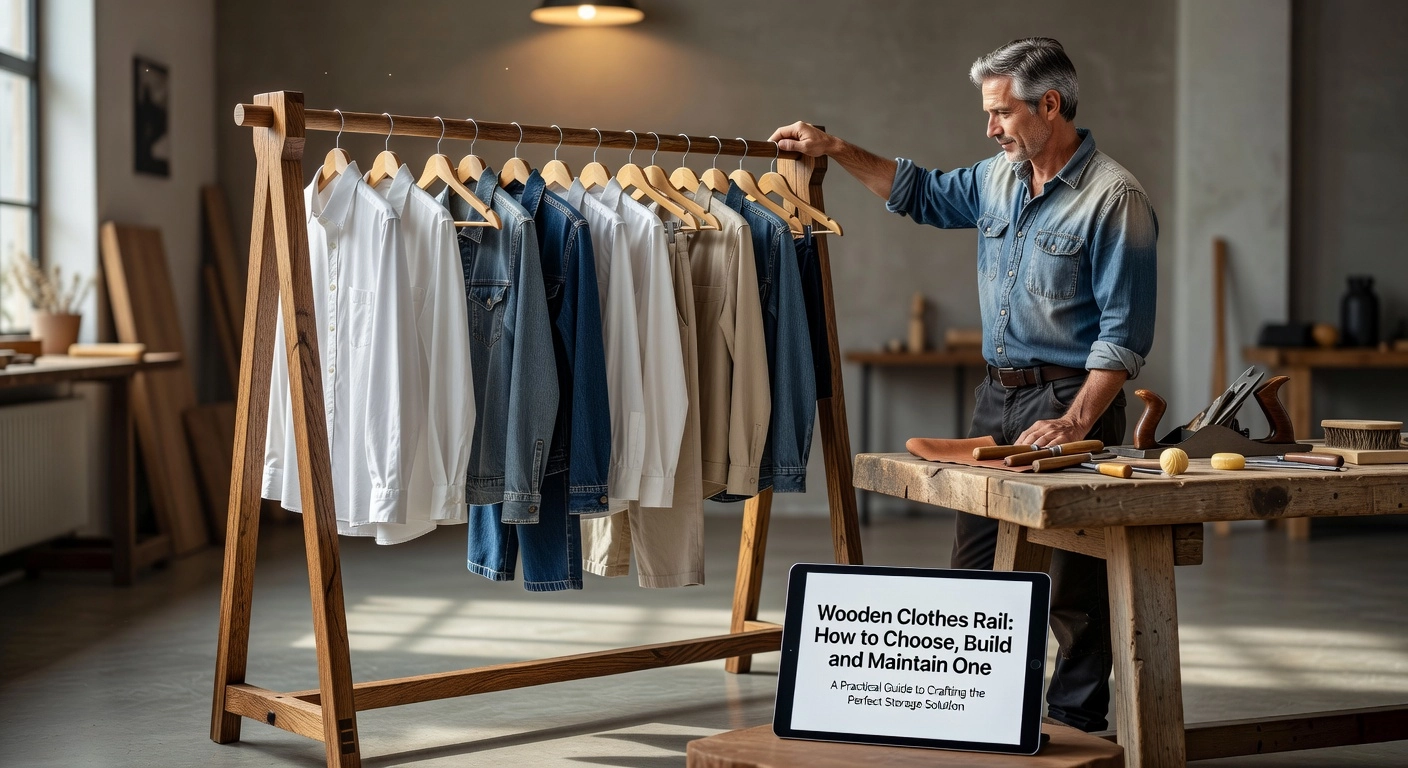
Ever opened your wardrobe and thought, “There has to be a better way to store my clothes”? You’re not alone. Whether you’re dealing with a overflowing closet, a small bedroom, or just want to add a stylish touch to your space, a wooden clothes rail might be exactly what you need.
A clothes rail is one of those wonderfully simple solutions that looks great, keeps your wardrobe organised, and gives your room a warm, natural feel. The best part? You don’t need to be a master carpenter or spend a fortune to have one. With the right guidance, even a complete beginner can choose, build, or maintain their own wooden clothes rail with confidence.
In this guide, we’ll walk you through everything you need to know. From picking the right style and materials to step-by-step building tips and easy maintenance advice, we’ve got you covered. By the end, you’ll have all the knowledge to bring this practical and attractive storage solution into your home. Let’s get started!
What Is a Clothes Rail and Why Wood Makes Sense
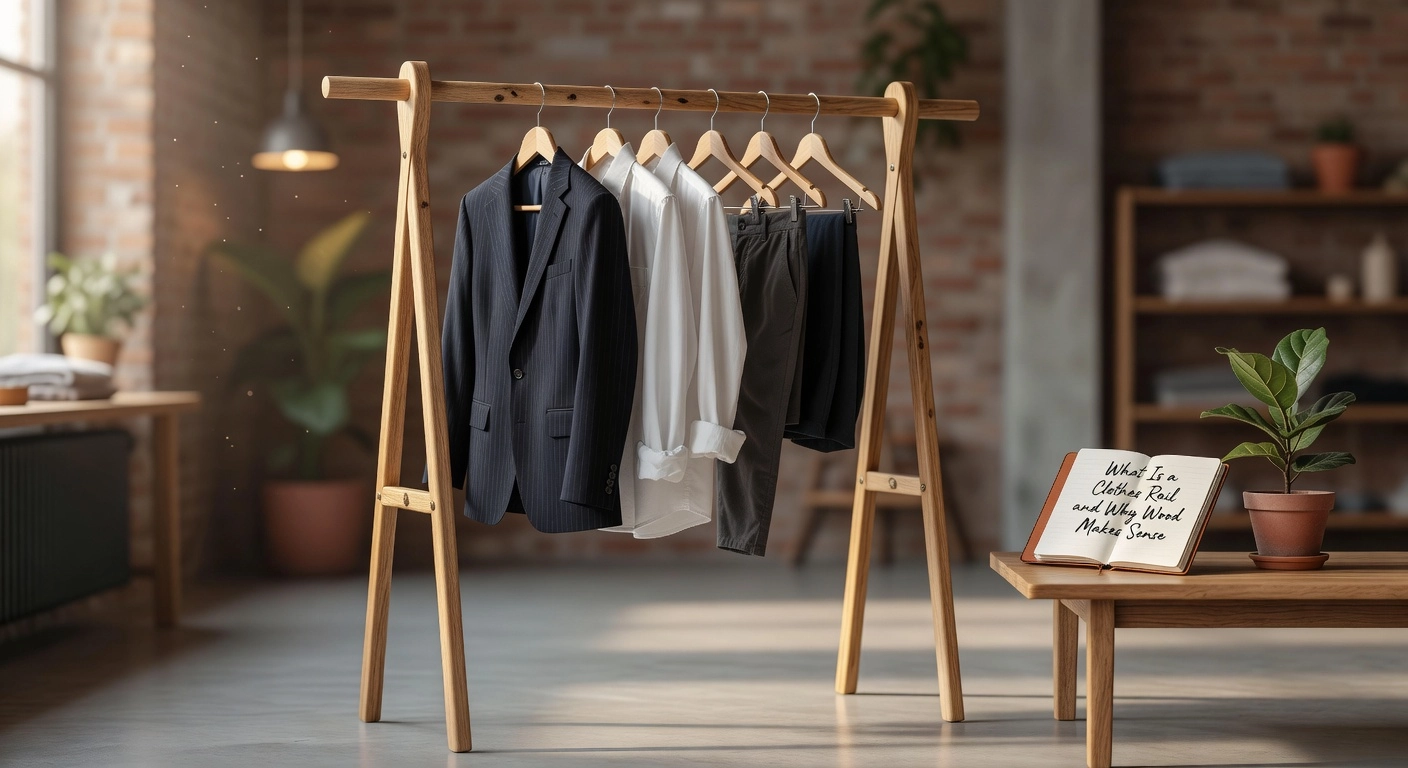
A clothes rail (sometimes called a garment rail, hanging rail, or clothes rack) is simply a horizontal rod or bar designed to hold hangers and keep your clothes organized and accessible. They come in four main styles worth knowing about. Freestanding rails stand on their own feet or wheels, making them easy to move around your bedroom or laundry area without any drilling. Wall-mounted rails fix directly to the wall, saving floor space in tighter rooms. Over-the-door rails hook over any standard door, adding instant hanging space with zero installation. Telescopic styles are adjustable in length or height, fitting neatly inside closets or between walls.
So why choose wood over metal or plastic? Wood brings a natural warmth and visual appeal that cold metal and flimsy plastic simply cannot match. It also gives you real flexibility, since you can cut it to size, sand it smooth, stain it to match your décor, and finish it with a low-VOC sealer that keeps indoor air quality safe for your family. From a sustainability standpoint, responsibly sourced wood is renewable and biodegradable, which is why the hangers market is actively shifting toward wood and recycled materials as consumers grow more eco-conscious.
The numbers back up this growing enthusiasm for home storage. The global garment racks market is projected to climb from USD 2.3 billion in 2024 to USD 4.1 billion by 2033, reflecting just how much demand exists for smart, attractive storage solutions at home.
Best of all, wooden rails are genuinely beginner-friendly. You only need basic tools like a saw, drill, and sandpaper to build or customize one, as explored throughout this guide to choosing the right clothes rail. That makes wood the ideal starting point for any DIY homeowner looking to add functional, beautiful storage on a budget.
5 Types of Wooden Clothes Rails Worth Considering
Now that you know what a wooden clothes rail actually is, the next step is figuring out which style fits your space. Here are five solid options to consider, each with its own strengths depending on your room, lifestyle, and storage needs.
1. Freestanding A-Frame Wooden Rack
This is probably the most beginner-friendly option on the list. An A-frame rack sits independently on the floor with no drilling, no wall damage, and no commitment required. That makes it a perfect fit for renters or anyone who moves frequently. You can pick one up ready-made, or if you enjoy a simple project, building one from basic lumber is very doable even without advanced woodworking skills. The design is typically wide enough to hang a full wardrobe worth of clothes, and because it sits on legs rather than leaning against anything, it stays stable. Solid wood versions can hold 50 pounds or more per rod, which covers most everyday clothing loads comfortably. If your bedroom is small, look for a model with wheels so you can tuck it into a corner when guests come over.
2. Wall-Mounted Wooden Rail
If floor space is your biggest challenge, a wall-mounted rail is a smart move. You fix a wooden rod directly to the wall using brackets, and suddenly your floor stays completely clear. This setup works brilliantly in entryways, narrow hallways, and compact urban apartments. The installation is straightforward: you drill into studs or use heavy-duty wall anchors, attach the brackets, and drop the rod in place. A spirit level is your best friend here since a crooked rail will bother you every single day. According to 2026 closet design trends from Inspired Closets, wall-mounted solutions with natural wood elements are increasingly popular for creating clean, gallery-style storage.
3. Double-Hanging Setup
This one is all about making vertical space work harder for you. Instead of one rod, you stack two, one above the other, inside a wardrobe or on a freestanding frame. Shirts, blouses, and folded trousers hang on the lower rod, while longer items and everyday staples go up top. You effectively double your hanging capacity without needing a bigger closet, which is a genuine game-changer in smaller bedrooms.
4. Hybrid Wood-Metal Rail
A hybrid rail combines a steel frame for serious structural strength with a wooden rod for that warm, natural look. The Brabantia Linn and Yamazaki steel-and-wood models are two of the most tested examples heading into 2026, with reviewers praising both for easy assembly and long-term durability. The wood rod handles hangers smoothly while the metal frame keeps everything rock solid. This is a great middle-ground choice if you want something that looks stylish but also holds up to daily heavy use.
5. Children’s Adjustable Wooden Rail
A kids’ wooden rail sits at a lower height, typically around 60 to 80 centimetres from the floor, so little ones can reach their own clothes independently. This Montessori-inspired approach encourages self-dressing and builds good habits early. The key things to look for are child-safe, non-toxic finishes (low-VOC or natural oil coatings are ideal) and an anti-tip design or wall anchor kit. The best wooden coat rack options highlighted by Ash Deco include adjustable styles that grow with your child, which means you are not replacing it every two years.
Each of these five types solves a slightly different problem, so the best starting point is honestly just asking yourself what your biggest storage frustration is right now.
Best Wood Types for a Clothes Rail: Pine, Oak, and Bamboo Compared
Picking the right wood for your clothes rail makes a bigger difference than you might think. The wrong choice can lead to a warped rod, dented surface, or a rail that just looks tired after a year. Here is a quick breakdown of the three most popular options so you can choose with confidence.
Pine: Budget-Friendly and Easy to Work With
Pine is the go-to choice for beginners on a budget, and it is easy to see why. It is lightweight, straightforward to cut and sand, and it takes stain or paint really well, so you can match it to any room style. The downside is that pine is a softwood, which means it is more prone to dents, scratches, and damage from hanger pressure over time. It also has only fair moisture resistance, so if your closet tends to get humid, you will want to seal it properly. Pine works well for lighter loads, like a kids’ wardrobe or a guest room rail, but it may need a center support bracket for longer spans. According to this breakdown of wood choices for closet builds, pine brightens a space nicely but really does need a good finish to hold up long-term.
Oak: The Durable, Long-Term Option
If you want a clothes rail that lasts for decades, oak is worth the extra investment. It is a hardwood with excellent resistance to dents, wear, and humidity, making it a smart pick for permanent wardrobe setups. It is heavier and costs more than pine, but the payoff is a rail that handles heavy coats and dense wardrobe loads without complaint. Oak also stains beautifully, giving your closet a clean, premium look. As noted in this oak vs. pine comparison, oak is widely recommended for visible, high-use spaces where longevity matters most.
Bamboo: The Eco-Friendly Wildcard
Bamboo is technically a grass, not a tree, but it is processed and used just like wood. It is naturally moisture-resistant, lightweight, strong, and budget-friendly, and in 2026, it has become a genuinely popular eco-conscious choice for closet builds. It grows back fast, making it one of the more sustainable materials you can choose. Quality does vary depending on how the bamboo has been treated, so it is worth checking before you buy. For a freestanding or modular rail in a mid-range budget, bamboo hits a nice sweet spot of performance and sustainability.
Dowels vs. Full Timber Rods
Smooth timber dowels, usually around 1 to 1.25 inches in diameter, are ideal for the actual hanging rod because hangers slide along them effortlessly. Full-length timber rods are chunkier, add visual weight, and bring extra strength for longer spans or heavier loads. Dowels win for day-to-day practicality; full rods shine in statement or heavy-duty builds.
Always Choose Kiln-Dried Wood
Whatever species you go with, always look for kiln-dried wood. Kiln drying removes moisture evenly from the timber, which dramatically reduces the risk of warping or twisting once it is installed in a humid closet environment. Wardrobe wood guides consistently flag this as one of the most overlooked but important details in any DIY closet project. Let the wood sit in the room for a day or two before building to help it adjust to the local humidity as well.
Load Capacity and Rail Height: Getting the Numbers Right
Before you buy or build a wooden clothes rail, it helps to understand two things that most beginners overlook: how much weight the rail can actually hold, and how high it should sit off the ground. Get these numbers right and your setup will work beautifully. Get them wrong and you risk either a collapsed rail or a wardrobe full of creased, floor-dragging clothes.
How Much Weight Can a Wooden Rail Handle?
Consumer wooden clothes rails typically support somewhere between 15 and 30 kg. That covers most everyday wardrobes without any issue. If you need more capacity, heavy-duty versions built with denser wood species and stronger brackets can reach up to 100 kg, though those are more common in retail or serious storage setups.
To put those numbers in perspective, a winter coat weighs roughly 2 kg. That means a standard 30 kg rail can comfortably hold around 15 heavy winter coats. Load it with lighter items like shirts, blouses, or summer dresses and you can easily fit significantly more. You can find a handy breakdown of how many clothes fit on a freestanding clothes rail that makes this much easier to visualise.
One important note: always stay within around 80% of the rated capacity. Hangers add extra weight, loading is rarely perfectly even, and pulling garments on and off creates dynamic forces the rating does not fully account for.
Getting the Height Right
For shirts, blouses, and suit jackets, aim for a rail height that gives roughly 95 to 105 cm of clearance between the rod and the floor. Long coats, maxi dresses, and full-length garments need much more room, typically 180 to 190 cm of total hanging clearance.
If you want to maximise space without adding more rails, a double-hanging setup is one of the smartest moves you can make. Place the lower rod at around 90 cm from the floor and the upper rod at approximately 180 cm. This creates two tiers for shorter garments like shirts and folded trousers, effectively doubling your usable hanging space in the same footprint.
Wall-Mounting Safety Is Non-Negotiable
For wall-mounted wooden rails, always anchor brackets directly into wall studs wherever possible. If studs are not in the right position, use heavy-duty wall anchors rated well above your expected load. Drywall alone will not hold a loaded rail safely. A few minutes spent with a stud finder before installation can prevent a very frustrating and potentially damaging collapse later on.
How to Build a Simple DIY Wooden Clothes Rail
Building your own wooden clothes rail is one of those satisfying weekend projects that costs a fraction of what you’d pay in a shop, and you end up with something that actually fits your space perfectly. Here’s how to do it from scratch, even if you’ve never picked up a power tool before.
What You’ll Need
Gather these materials before you start so you’re not stopping mid-build to hunt things down:
- Two timber uprights or A-frame legs (pine or similar softwood works great for beginners)
- One wooden dowel rod, around 38 mm in diameter for smooth hanger movement without sagging
- Screws (pocket-hole or furniture bolts for a cleaner finish)
- Sandpaper in 120-grit and 220-grit
- Wood finish or sealant (a stain plus polyurethane topcoat is a reliable combo)
- Basic tools: measuring tape, saw, drill with spade bit, spirit level
The whole project typically costs under $60 in materials, which makes it a genuinely budget-friendly option. Check out these DIY clothes rack ideas for inspiration on styles before you commit to a design.
Step 1: Measure, Cut, and Rough-Sand
Cut your uprights to around 170 cm tall for a standard freestanding rack that handles everything from shirts to longer dresses. If you’re going with an A-frame design, add angled base cuts at around 15 degrees so the legs splay slightly outward and sit flat without rocking. Once your pieces are cut, sand all the raw edges immediately with 120-grit sandpaper. Freshly cut timber is surprisingly splintery, and you want smooth edges before the build goes any further.
Step 2: Drill the Dowel Holes
Mark a spot about 2.5 cm from the top of each upright, then drill a hole using a spade bit that matches your dowel diameter snugly. A tight fit is what you’re after here. You want the dowel to seat firmly through friction, not rely entirely on glue to stay put. Dry-fit the dowel through both holes before moving on to confirm everything lines up cleanly. This step-by-step garment rack tutorial shows exactly how snug holes should look before assembly.
Step 3: Sand Everything Smooth
Work through the whole rail with 120-grit sandpaper first, then follow up with 220-grit for a silky finish. Pay special attention to the dowel rod itself, since rough patches will snag fabric and scratch hanger hooks over time. Wipe down all surfaces with a slightly damp cloth between grits to remove dust before you move to the finer paper.
Step 4: Apply Your Wood Finish
This step matters more than most beginners expect, especially if your rail will sit inside a closet or a damp entryway. Humidity causes unfinished wood to swell, warp, and crack over time. Apply one coat of stain if you want a natural wood look, let it dry fully, then add a polyurethane topcoat for protection. This DIY clothing rack guide has solid tips on finish choices that hold up well in indoor environments.
Step 5: Assemble and Load-Test
Slide the dowel through both holes, add screws through the uprights into the dowel ends for extra security, and use a spirit level to confirm the rod sits perfectly horizontal. A slightly off-level rail causes hangers to bunch up on one side, which gets annoying fast. Once assembled, test the load gradually by starting with a few light items and building up over time. Consumer-grade rails typically handle 15 to 30 kg safely, so don’t hang your entire winter wardrobe on it in one go on day one.
How to Care for and Restore a Wooden Clothes Rail
Wooden clothes rails are low-maintenance by nature, but they are not entirely hands-off. Closets and wardrobes trap humidity more than most people realise, and that moisture quietly works against unsealed wood over time. The result is warping, small cracks, and those frustrating white rings that seem to appear out of nowhere. The good news is that most of these problems are easy to fix at home with basic supplies.
1. Remove Water Rings with a Toothpaste Paste
White rings on a wooden rail are usually just moisture trapped near the surface of the finish, not deep in the wood grain. To fix them, mix a small amount of baking soda with plain white toothpaste (non-gel works best) until you have a smooth paste. Rub it gently onto the ring using a soft cloth, moving along the grain with light pressure. Wipe it clean with a damp cloth, dry the area thoroughly, then apply a thin coat of wood oil or wax to restore the protective layer. This method works well on fresh or minor rings.
2. Treat Dry or Cracked Wood with Linseed Oil
If your rail feels rough, looks dull, or has started to crack, the wood is drying out and needs moisture replenished. Apply a penetrating wood conditioner or boiled linseed oil directly to the affected area and let it soak in for about 30 minutes. Wipe away any excess with a clean cloth and leave the rail to cure for a full 24 hours before hanging clothes back on it. For deeper cracks, fill with a colour-matched wood filler first, then oil over the top once dry.
3. Degrease the Rail Every Few Months
Dust, body oils from garments, and fabric softener residue all build up on wooden rails faster than you might expect. Mix a few drops of mild dish soap into warm water, dampen a microfibre cloth with the solution, and wipe along the grain. The key is to avoid soaking the wood. Wring your cloth out well before it touches the rail and dry the surface immediately after cleaning.
4. Choose the Right Finish for Indoor Use
Because your clothes rail lives inside a wardrobe and makes direct contact with garments, the finish you choose really matters. Opt for water-based polyurethane or a natural oil finish with a low VOC rating. These options protect the wood from moisture and hanger abrasion without releasing harsh fumes into an enclosed space or transferring chemicals onto your clothes. You can learn more about choosing closet materials for humid environments if you live in a particularly damp climate.
5. Re-Seal Every 12 to 18 Months
Even a well-finished rail needs refreshing over time. Plan to inspect your wooden clothes rail at least once a year, looking for dullness, dry patches, or spots where water no longer beads on the surface. In a humid home, re-sealing annually is a smart habit. In drier conditions, every 18 months is usually enough. Clean the rail first, apply a fresh coat of oil or wax in thin layers, and give it time to cure before loading it back up.
Space-Saving Clothes Rail Ideas for Small Rooms and Urban Homes
Living in a smaller home or renting a flat means you have to think creatively about storage. The good news is that a wooden clothes rail can do a lot more than just hang in the middle of a room. Here are five smart ideas that make the most of every square metre you have.
1. Pull-down wardrobe lift systems are a brilliant fix for tall wardrobes where the top rail sits too high to reach comfortably. These spring-loaded or gas-lift mechanisms attach to the upper section of your wardrobe and bring the entire rail down to eye level with one smooth pull. They are especially useful in deep wardrobes with high ceilings, where that upper space often goes completely to waste. Wooden rail versions blend nicely with timber cabinetry and keep the look cohesive.
2. Over-the-door wooden hooks and rails are the easiest win for renters. They hook directly over a standard door frame without a single drill hole, adding a full row of hanging space for coats, bags, and everyday items. Wooden styles feel warmer and more intentional than basic metal versions, and they are just as easy to take with you when you move.
3. Corner A-frame wooden racks make use of the awkward corner space that most rooms ignore. A-frame designs sit neatly at an angle and, when paired with slim velvet hangers, can hold a surprisingly full wardrobe without taking up much floor space at all.
4. A double-hanging rail inside your wardrobe effectively doubles your capacity without touching the walls. Mount a second rail lower down and use the top for work clothes and longer items, then keep casual wear and folded pieces on the bottom. It is one of the simplest upgrades you can make.
5. Modular wooden shelving units paired with a single rail bring everything together in one tidy zone. Shelves handle shoes and folded items while the rail takes care of hanging garments, keeping the floor completely clear and the whole setup easy to reconfigure as your needs change.
What to Look for When Buying a Wooden Clothes Rail
Shopping for a wooden clothes rail involves more than just picking one that looks good. A few key checks before you buy can save you a lot of frustration down the line.
1. Check the load rating first. Every clothes rail should have a stated weight capacity, and this number matters more than most beginners realise. For a typical full wardrobe of everyday items like shirts, trousers, and light jackets, aim for a rail rated to at least 25 to 30 kg. If you plan to hang heavy winter coats, which can weigh 2 to 3.5 kg each, look for something rated at 50 kg or more. Wooden rails sometimes carry lower ratings than metal equivalents, so always confirm the exact figure rather than assuming.
2. Run your hand along the rod surface. A good wooden rail should feel silky smooth, with no rough patches or splinters. Finely sanded rods allow hangers to slide freely without snagging or abrading fabric. This is especially important for delicate items like silk blouses or knitwear. Some rods come with a light varnish coat that helps hangers glide well; overly thick or sticky finishes can actually cause more friction, so look for a clean, smooth finish.
3. Examine the joints closely. Joinery quality is what separates a rail that lasts years from one that wobbles after a month. Mortise-and-tenon joints or screwed metal brackets hold up reliably under sustained weight. Glue-only connections tend to loosen over time, particularly as the wood expands and contracts with humidity changes. Solid hardwood frames with proper bracing are worth the extra cost.
4. Think about wheels if mobility matters. If you want to move your rail between rooms or rotate seasonal clothing in and out, choose a model with lockable casters. Rubber wheels are a smart choice because they protect your floors while keeping the unit steady. A rail without wheels works perfectly for a permanent spot but becomes awkward to reposition.
5. Ask about pre-finishing before you buy. Untreated wood absorbs moisture and can warp, stain, or develop mould in humid environments. A rail with a pre-applied varnish, polyurethane, or hardwax oil finish is ready to use straight away. If the wood arrives unsealed, plan to apply your own protective coat before putting it into service, especially in a bedroom closet or any space with limited ventilation.
Choosing and Keeping a Wooden Clothes Rail That Lasts
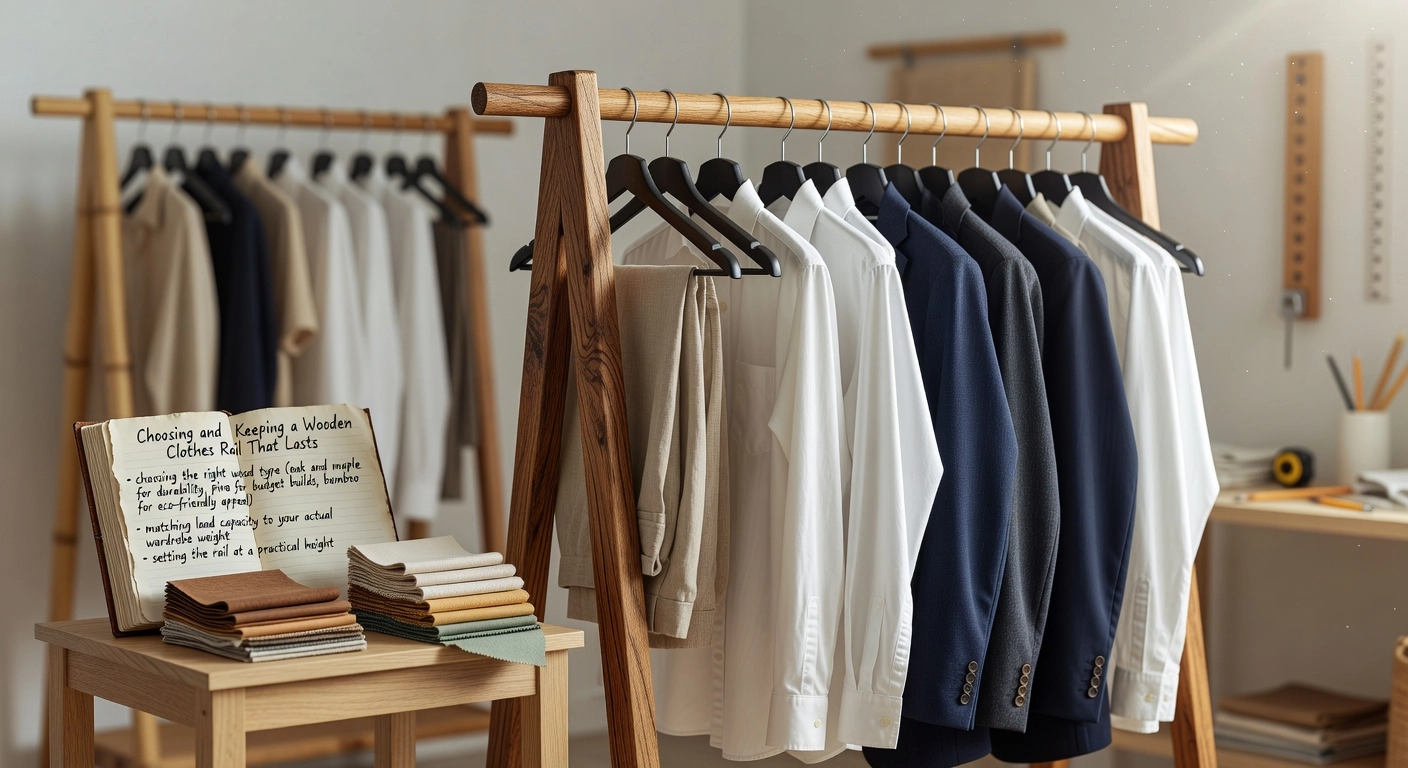
By this point, you have covered a lot of ground. You know the key decision points: choosing the right wood type (oak and maple for durability, pine for budget builds, bamboo for eco-friendly appeal), matching load capacity to your actual wardrobe weight, setting the rail at a practical height, and deciding whether buying or building makes more sense for your situation.
The single biggest mistake beginners make is skipping the finish or sealant. Bedrooms and closets trap humidity more than you might expect, and raw wood quietly absorbs that moisture over time, leading to warping, cracking, and a rail that looks worn out long before it should. A simple coat of penetrating oil or sealant when you first set up the rail makes an enormous difference.
From there, the maintenance is genuinely straightforward. Once a year, give the rail a quick inspection for cracks or splits, re-oil or re-seal the surface if it looks dry, and check that all bracket fixings are tight. That is honestly all it takes.
If you run into issues like water rings, grease buildup from closet products, or a surface that needs refreshing, the guides on WoodStuffHQ cover all of that in plain, beginner-friendly steps, from water ring removal to applying penetrating oil finishes correctly.
With the right wood and a basic care routine, a wooden clothes rail will comfortably outlast cheaper metal options while looking considerably better in the process.
Conclusion
A wooden clothes rail is one of the smartest, most stylish upgrades you can make to your home. You have learned how to choose the right style and materials for your space, how to build one from scratch even as a complete beginner, and how to keep it looking great for years to come.
The beauty of a wooden clothes rail lies in its simplicity. It is affordable, customisable, and adds a warm, natural touch to any room. Whether you buy one ready-made or build your own, the result is a practical storage solution you will genuinely love using every day.
Now it is your turn to take action. Pick your wood, gather your tools, and start creating the organised, beautiful wardrobe space you deserve. Your future self will thank you for it.
Frequently Asked Questions
What is the best wood type for a beginner building their first clothes rail?
Pine is the best choice for beginners on a budget. It is lightweight, easy to cut and sand, and takes stain or paint well. The main drawback is that pine is a softwood, making it more prone to dents and scratches over time. For a longer-lasting option, oak is worth the extra investment, while bamboo offers an eco-friendly alternative with natural moisture resistance. Whatever wood you choose, always opt for kiln-dried timber to reduce the risk of warping once installed.
How much weight can a wooden clothes rail safely hold?
Most consumer wooden clothes rails can support between 15 and 30 kg, which is more than enough for everyday wardrobes filled with shirts, blouses, and lighter garments. Heavy-duty versions can hold up to 100 kg. To put this in perspective, a winter coat weighs roughly 2 kg, so a standard 30 kg rail can comfortably hold around 15 heavy coats. As a best practice, stay within about 80% of the rated capacity to account for uneven loading and the dynamic forces created when pulling clothes on and off.
How high should a wooden clothes rail be mounted from the floor?
The ideal height depends on what you plan to hang. For shirts, blouses, and suit jackets, aim for 95 to 105 cm of clearance between the rod and the floor. Long coats, maxi dresses, and full-length garments need 180 to 190 cm of total hanging clearance. If you want to maximise space, a double-hanging setup works brilliantly — place the lower rod at around 90 cm and the upper rod at approximately 180 cm, effectively doubling your usable hanging space without needing a larger wardrobe.
How do I maintain and care for a wooden clothes rail to keep it looking great?
Wooden clothes rails are low-maintenance but benefit from a few simple habits. Clean the rail every few months using a damp microfibre cloth with mild dish soap, wiping along the grain and drying immediately. To remove white water rings, apply a paste of baking soda and white toothpaste, rub gently along the grain, then restore with wood oil or wax. For dry or cracking wood, apply boiled linseed oil and let it soak for 30 minutes. Re-seal the rail with water-based polyurethane or a natural oil finish every 12 to 18 months to protect against humidity, which is the biggest enemy of indoor wooden rails.
Is it cheaper to build a wooden clothes rail yourself or buy one ready-made?
Building your own wooden clothes rail is significantly more cost-effective, with materials typically costing under $60. A DIY build requires basic tools like a saw, drill, sandpaper, and a spirit level, and it gives you the freedom to customise the size, wood type, and finish to perfectly match your space. Ready-made rails offer convenience and faster setup, and options like hybrid wood-metal models from brands such as Brabantia or Yamazaki provide tested durability. If you are comfortable with basic tools and want a rail tailored to your exact dimensions, the DIY route offers excellent value for money.