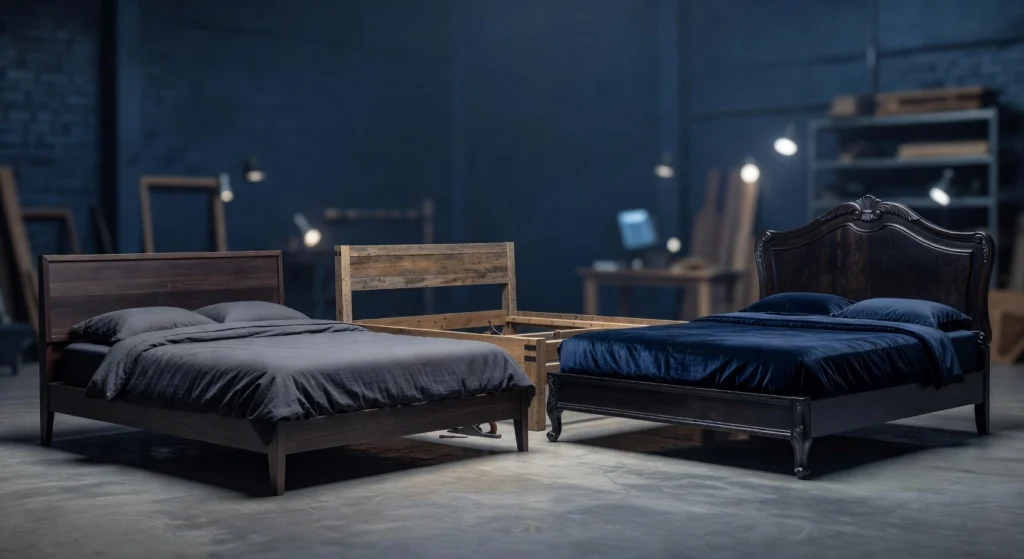

Your bed is the centerpiece of your bedroom, so why settle for something that doesn’t feel quite right? Whether you’re furnishing your first apartment, upgrading from a hand-me-down, or finally giving your space the refresh it deserves, choosing the right queen bed frame can make a huge difference in both comfort and style.
The good news is that you have more options than you might think. You don’t have to spend a fortune at a furniture store, and you don’t need to be a master carpenter to end up with something beautiful. From affordable ready-to-assemble frames to satisfying DIY builds and charming vintage restores, there’s a path for every budget, skill level, and taste.
In this guide, we’re breaking down the best ways to get your hands on a queen bed frame you’ll actually love. We’ll walk you through top options to buy, simple builds you can tackle on a weekend, and tips for breathing new life into an old frame. Let’s find the perfect fit for your bedroom.
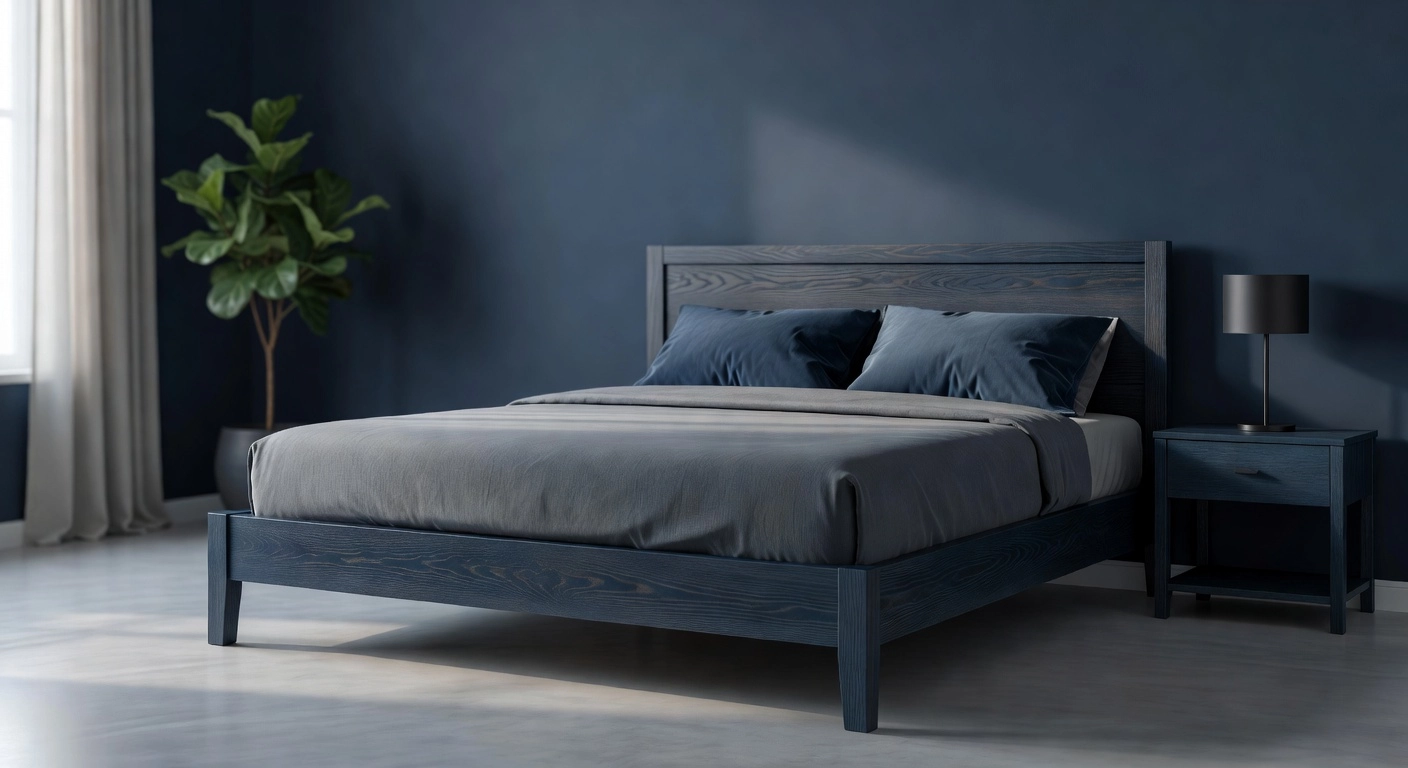
Why Queen Bed Frames Are the Smart Choice for Most Bedrooms
If you’re trying to figure out what bed size actually makes sense for most rooms, the queen is where comfort and practicality shake hands. At 60 inches wide by 80 inches long, a queen bed fits naturally into most master bedrooms and guest rooms without eating up every inch of floor space. You still have room for nightstands, a walking path, and maybe even a dresser, which is something you can’t always say about a king.
The numbers back this up, too. Queen size holds roughly 46% of mattress market revenue as of 2025, making it the single most popular mattress size on the market by a wide margin. That popularity matters when you’re shopping for a frame, because it means more options, more availability, and more DIY plans designed specifically around queen bed frame dimensions.
The bed frame market itself is booming. Valued at around $13.66 billion in 2026 and projected to hit $21.55 billion by 2035, there’s clearly no shortage of consumer interest in upgrading the bedroom. That growth translates directly into more frame choices at every price point.
Whether you share the bed or sleep solo, the queen size just works. It gives couples noticeably more room than a full, and solo sleepers get that luxurious stretch-out space without the bulk of a king. According to mattress size comparison guides, the queen consistently lands as the top recommendation for both scenarios.
Budget-wise, queen frames cover every range imaginable, from basic metal platforms around $60 to stunning solid hardwood builds pushing $2,000 or more. That range means whether you’re buying or building, you have more flexibility with a queen than with any other size.
What to Look for Before You Buy or Build a Queen Bed Frame
Whether you’re shopping for a ready-made frame or planning a weekend DIY build, knowing what actually matters separates a smart purchase from an expensive regret. Here are the six most important things to evaluate before you spend a single dollar.
1. Weight Capacity (It’s a Bigger Deal Than You Think)
Most shoppers glance at a frame and assume it’ll hold a bed just fine. But weight capacity deserves real attention. Quality queen bed frames should support somewhere between 500 and 1,100 lbs, and that number needs to account for the mattress, the people sleeping on it, and the dynamic forces from movement during sleep. A couple weighing a combined 350 lbs plus a heavy hybrid mattress (many weigh 80 to 120 lbs) adds up fast. Look for frames with a reinforced center rail and at least one center leg, since these details make a significant difference in how the load gets distributed. If you’re building your own frame, sturdy joinery methods like mortise-and-tenon connections handle stress far better than basic screws alone. You can find solid guidance on how weight capacity is calculated for bed frames if you want to dig deeper into the math.
2. Wood Species Selection
The type of wood your frame is made from affects how it looks, how long it lasts, and how well it holds up under daily use. Hardwoods like oak and maple are the gold standard here. They resist dents, warping, and wear far better than softwoods like pine. Pine is cheaper and easier to work with, making it tempting for first-time DIY builders, but it scratches easily and can warp over time in humid environments. If you’re building or buying something you want to last a decade or more, investing in kiln-dried oak or maple is worth it. For a tighter budget, pine still works well for lighter-use situations or kids’ rooms.
3. Slat Spacing and Center Support
This is where a lot of frames quietly fail. Slats spaced more than 3 inches apart allow foam and hybrid mattresses to sag into the gaps, which shortens mattress life and voids many warranties. Most mattress manufacturers recommend slat spacing of 2 to 3 inches maximum. For a queen-size build, you’re looking at 13 to 18 slats minimum. The center support leg is non-negotiable; without it, long slats flex under weight and create that annoying bowing effect right where you sleep most.
4. Storage Integration
Under-bed storage has shifted from a bonus feature to something most buyers expect, especially in smaller homes and apartments. The real question is which style fits your lifestyle. Drawers built into the frame work well for folded clothes and linens since everything stays organized and accessible. Open space beneath the frame is better for bulkier items or rolling storage bins. If you’re building your own frame, deciding on storage early changes the entire structural plan, so don’t leave this as an afterthought.
5. Noise Performance
A squeaky bed frame is one of those small annoyances that becomes a big problem fast. Noise usually comes from loose joints, wood rubbing against wood, or flex in the frame under movement. Well-built frames use tight joinery, rubberized contact points between slats and rails, and center legs that keep everything stable. When evaluating a store-bought frame, check reviews specifically for noise complaints over time, not just at first assembly. For DIY builders, adding felt strips or rubber pads at contact points during the build costs almost nothing and prevents squeaking before it starts.
6. Finish Type and Wood Treatment
The finish on your frame affects how it looks, how long it holds up, and what you’re breathing in your bedroom. Water-based, low-VOC finishes have become the preferred choice for good reason: they cure faster, produce far less odor, and are safer for indoor air quality compared to traditional oil-based stains. For a bedroom especially, this matters. Natural oil finishes like tung oil are another solid option for DIY projects, offering a breathable, non-toxic result with a warm, natural appearance. Whatever finish you choose, make sure the wood is properly sanded and prepped first since finish quality is only as good as the surface underneath it.
Best Wooden Queen Bed Frames Worth Buying Right Now
If you’ve already figured out what features matter most in a queen bed frame, the next question is which specific wooden frames are actually worth your money right now. These three options consistently show up at the top of expert roundups and real-user reviews for good reason, and understanding what makes each one stand out will help you match the right frame to your bedroom, budget, and priorities.
1. Thuma: The Gold Standard for Tool-Free Assembly and Quiet Performance
Thuma’s platform bed frame has become a go-to recommendation for anyone who wants solid wood construction without the frustration of complicated assembly. It uses a notch-and-slot joinery system inspired by traditional Japanese woodworking, which means the frame locks together without any tools or confusing hardware. The material is repurposed rubberwood sourced from rubber tree plantations, making it a genuinely sustainable option rather than a marketing claim. Reviewers, including heavier sleepers and couples who move around a lot at night, consistently report zero squeaking or wobbling even after months of use. The low-profile minimalist silhouette works well in most bedroom styles, and finishes like Walnut, Natural, and Espresso give you flexibility. Queen pricing runs around $1,095, and it carries GREENGUARD Gold certification, which confirms low chemical emissions from the finish.
2. Nectar Bamboo: The Budget-Friendly Sustainable Alternative
If the Thuma price feels like a stretch, the Nectar Bamboo platform frame delivers a surprisingly similar experience at around $449 for a queen. It uses solid bamboo construction with the same Japanese-style joinery approach, assembles in roughly 20 minutes without tools, and holds up to 800 pounds without a box spring. Bamboo is a fast-growing, renewable material that genuinely earns its sustainability reputation, and the low-profile design sits right in line with the minimalist aesthetic that dominates bedroom design right now. Users on forums have nicknamed it a “Thuma dupe,” and while that framing is a bit reductive, the comparison does highlight how much value you get at this price point. Some users note minor lateral movement under very aggressive use, but for everyday sleeping, the frame performs quietly and solidly.
3. Silk and Snow: Best Pick for Heavier Mattresses
The Silk and Snow wooden queen frame is built from 100% solid acacia hardwood, which is notably denser and harder than rubberwood or bamboo alternatives. That density translates directly into a published weight capacity of 1,100 pounds, making it an especially smart choice if you have a heavy hybrid or latex mattress. It uses interlocking joinery for stability, includes strong center support, and delivers a clean Scandinavian-inspired look that pairs well with neutral bedroom palettes. Long-term testing across multiple review sources confirms zero creaking even under heavy daily use. Queen pricing starts around $1,099.
How to Evaluate Any Wooden Frame Before You Buy
Before committing to any frame, dig into the actual wood species listed by the manufacturer. Terms like “wood” or “engineered wood” cover a huge range of quality, from solid hardwoods that last decades to particleboard that warps within a few years. Solid acacia, rubberwood, and bamboo all outperform veneered or MDF-core options in structural durability. Quality wooden queen frames typically run between $400 and $1,200, and the premium end justifies the cost through better wood grade, tighter joinery, and finishes that hold up over time. Also check for sustainability credentials like FSC certification, reclaimed sourcing, or non-toxic finish ratings such as GREENGUARD Gold or OEKO-TEX, since these credentials signal both responsible manufacturing and better overall material quality.
Honest Take on Budget and Metal Queen Bed Frames
Let’s be honest: not everyone’s budget stretches to a solid hardwood frame, and there’s no shame in that. Metal platform frames from brands like Zinus and Amazon Basics consistently sit at the top of Amazon’s best-seller lists for bed frames, and they earn those spots for good reason. Priced typically between $80 and $150 for a queen size, these frames are genuinely functional, require little to no tools to assemble, and often include 14 to 18 inches of under-bed storage clearance. For someone furnishing a first apartment or a guest room on a tight timeline, that’s a hard value proposition to argue with.
The performance side of metal frames is solid, too. Many models are rated for weight capacities between 700 and 2,400 pounds, and when properly assembled, they can be completely noise-free thanks to padded feet and secured slat designs. However, according to Forbes and Good Housekeeping roundups, the tradeoffs become apparent over time. Metal frames lack the natural warmth of wood, they can’t be refinished or easily repaired if parts bend or rust, and they simply don’t age the way a solid oak or pine frame does.
Hybrid frames, which pair a steel base with wooden slats, offer a smart middle ground. You get structural rigidity and affordability while gaining a quieter, more mattress-friendly surface with a warmer aesthetic feel.
If budget is the real constraint right now, starting with a metal frame and planning a DIY wood build later is a completely legitimate strategy. Hobbyists on r/woodworking recommend this phased approach regularly, since a custom queen frame using 2×6 lumber can often be built for under $200 once you’re ready.
One thing worth factoring in is total cost of ownership. Metal and budget frames fall outside what WoodStuffHQ covers for long-term care, refinishing, and restoration. Over 5 to 10 years, a wood frame you can repair, sand, and refinish often delivers better value than replacing a worn-out metal frame every few years.
How to Build a DIY Queen Bed Frame for Under $200
If you’d rather spend a weekend in your garage than $1,000 at a furniture store, building your own queen bed frame is one of the most rewarding beginner woodworking projects you can tackle. The good news? You don’t need a fully equipped workshop or years of experience to pull it off.
What You’ll Need to Get Started
The materials list is shorter than you might think. The structural backbone of this build relies on 2×6 dimensional lumber for the side rails and end boards, with 2x4s handling the cross-support beams in the interior. For the sleeping surface, 1×4 boards cut into slats create the platform your mattress rests on. A set of metal hairpin legs or simple box legs rounds out the build and adds a clean, modern look that works well in most bedrooms. When you add it all up at your local home center, most builders land between $100 and $180 in total materials, well under that $200 ceiling. Lumber prices vary by region, so it’s worth checking locally before you finalize your shopping list.
A standard queen mattress measures 60 inches by 80 inches, so you’ll want your interior frame dimensions to sit just slightly larger, around 61 inches wide by 81 inches long, to give the mattress a little breathing room without letting it shift around.
Tools You Already Might Own
This is where beginners often get intimidated, and they really shouldn’t be. You need a circular saw or miter saw for cutting lumber to length, a drill/driver for driving screws, a pocket hole jig for creating strong hidden joints, and sandpaper in 80 and 120 grit for smoothing everything before finishing. Rounding out the list: a tape measure, a speed square to keep cuts true, and some clamps to hold pieces while glue dries. That’s genuinely it. A pocket hole jig is probably the one tool worth picking up if you don’t already own one, since it creates tight, beginner-friendly connections that don’t require advanced joinery skills.
Building the Frame Step by Step
The construction sequence follows a straightforward logic. Start by cutting your side rails and end boards to queen dimensions, then assemble the rectangular outer frame using pocket hole screws and wood glue for a solid bond. Once your perimeter is together, add 2×4 cross-support beams spaced every 12 to 16 inches across the interior. This is what gives the frame its load-bearing strength and keeps the mattress from sagging over time. Attach your legs next, whether metal hairpin legs bolted through the corners or wooden block legs glued and screwed into place. Finish by installing your 1×4 slats across the supports, spacing them about 2 inches apart. For a detailed visual walkthrough of this whole process, this DIY platform bed tutorial from Houseful of Handmade is one of the clearest beginner resources available.
Choosing the Right Wood
Pine 2x6s are your most budget-friendly option for the structural parts of the frame, and they work great for anything that stays hidden or gets painted. If you want the visible components, like the outer rails or a headboard, to look polished and take stain beautifully, consider upgrading those specific boards to poplar or soft maple. The cost difference is modest, but the visual payoff is significant. Poplar especially is a favorite in woodworking communities for its smooth grain and resistance to warping.
Finishing and Finding Plans
Once the frame is sanded smooth, apply a water-based polyurethane or a natural oil finish like tung or linseed oil. Two to three light coats, with a light sand between each, will protect the wood from moisture and everyday wear while bringing out the natural grain. This step is what makes a DIY build look intentional rather than improvised.
If you want to skip the planning phase entirely, downloadable cut lists and plans on Etsy typically run between $5 and $15 and include shopping lists, diagrams, and size-specific measurements. For a complete step-by-step parts breakdown, this Instructables queen bed frame guide is a solid free starting point, especially if you’re adding integrated storage drawers or a custom headboard to the design.
Wood Species Comparison for Bed Frame Builds and Purchases
Once you’ve decided to build or buy a wooden queen bed frame, the species you choose shapes everything from your budget to how the finished piece holds up five years from now. Here’s a practical breakdown of the six most common options, so you can match the right wood to your priorities.
1. Pine: Best for Budget Builds and Structural Work
Pine sits at the top of the affordability list, running roughly $1 to $3 per linear foot for common surfaced boards. That low price point makes it a natural fit for the parts of your frame that nobody sees, like internal rails, support slats, and cross beams. The catch is a low Janka hardness rating of around 380 to 500 lbf, which means it dents and scratches more easily than hardwoods. If you use pine for a headboard or footboard, expect to put in extra finishing work, filling knots, sanding carefully, and applying multiple coats of paint or a protective topcoat to get a clean, polished result. For a painted or distressed rustic look, though, pine is genuinely excellent and budget-friendly in a way that’s hard to argue with.
2. Oak: The Reliable All-Rounder for Visible Components
Oak is widely considered the go-to hardwood for bed frames, and for good reason. With a Janka rating around 1,290 lbf for red oak and slightly higher for white oak, it handles daily wear on headboards, footboards, and legs without showing much for it. The open grain takes stain beautifully in medium to warm tones, and it suits everything from farmhouse to modern Mission styles. According to expert builders at DutchCrafters, oak consistently ranks as one of the top recommendations for heirloom-quality bed frames that are built to last decades.
3. Maple: The Hobbyist’s Choice for a Refined Finish
If you want a cleaner, more contemporary look, maple is worth the slight price premium over oak. Hard maple clocks in at approximately 1,450 lbf on the Janka scale, making it more dent-resistant than oak. It also machines cleanly with smooth cuts and minimal tear-out, which beginner woodworkers will appreciate. Maple’s subtle grain absorbs stain evenly, so you get a consistent, refined surface without a lot of blotchiness. It’s a strong pick when you want a natural finish that looks intentional rather than rustic.
4. Acacia: Smart Pick for Humidity-Prone Bedrooms
Acacia brings a natural advantage that most other species can’t match: built-in moisture resistance. Its tight grain and natural oils help it resist swelling and warping when bedroom humidity shifts between seasons. Janka ratings for acacia vary by species but often fall between 1,150 and 2,200 lbf, generally putting it on par with or above oak. You also get an attractive two-tone, caramel-colored grain that looks rich without requiring heavy staining. As wood furniture experts note, acacia is an increasingly popular choice for buyers who want durability and visual warmth in one package.
5. Bamboo: Strong, Sustainable, and Surprisingly Capable
Bamboo is technically a grass, but don’t let that fool you. In engineered or strand-woven form, it performs comparably to many hardwoods with compression strength and a Janka rating around 1,380 lbf. More importantly, bamboo matures in just three to five years compared to decades for most hardwood trees, which gives it a sustainability profile that no traditional lumber species can match. If keeping your environmental footprint low is a priority, bamboo is one of the most responsible choices available, and it delivers a clean, modern aesthetic that fits well with minimalist bedroom designs.
6. Reclaimed Wood: Full of Character, but Needs a Moisture Check First
Reclaimed wood is one of the most visually compelling options for a queen bed frame. The knots, weathering, and natural patina give each piece a story that no freshly milled board can replicate. It also keeps usable material out of landfills, which aligns well with the growing preference for eco-conscious home furnishings. The critical step before building is measuring moisture content with a wood moisture meter. Indoor furniture should sit at roughly 6 to 9 percent moisture content. If the reading is higher than that, the wood needs to dry further before you build, because framing at high moisture content almost guarantees warping and joint movement once the piece settles indoors. Always source reclaimed wood from suppliers who can confirm it has been properly dried.
Finishing and Protecting Your Wooden Queen Bed Frame
You’ve put real time and effort into building your queen bed frame, so the last thing you want is to leave it unfinished and watch the wood dry out, stain, or warp within a year. The right finish protects your work and makes it look genuinely great for years to come. Here are six finishing tips every beginner builder should know.
1. Start with water-based polyurethane for the best all-around protection.
Water-based polyurethane is the go-to finish for most DIY bed frame builders, and for good reason. It dries clear without yellowing, cleans up with plain water, and reaches a non-toxic state once fully cured. In a sleeping environment where you’re spending seven or eight hours every night, low odor and low emissions genuinely matter. Modern water-based formulas also dry fast, allowing you to recoat in about three hours, so you can knock out multiple coats in a single day. Plan on applying four to six coats for solid furniture-grade durability.
2. Choose oil finishes when you want a more natural look.
Danish oil and tung oil soak into the wood fibers instead of building up on the surface, which gives your frame a warm, matte appearance that feels much more organic than a film finish. The trade-off is maintenance. These penetrating oils need reapplication roughly every one to two years, or whenever the surface starts looking dull and dry. If you love the natural grain of your wood and don’t mind a bit of ongoing upkeep, water-based vs. oil-based polyurethane comparisons can help you decide which direction suits your project best.
3. Avoid high-VOC products in your bedroom build.
Oil-based lacquers and traditional oil-based stains can off-gas for days or even weeks after application. In a closed bedroom, that means breathing in chemical fumes while you sleep, especially in the first few weeks. Stick with water-based or low-VOC alternatives for any finish going into a sleeping space.
4. Coat every surface, not just the visible ones.
Apply your finish to the undersides, interior faces, and hidden sections of every frame component. Wood absorbs moisture unevenly when only one side is sealed, and that uneven absorption is a primary driver of warping and cupping over time. It takes maybe twenty extra minutes, but it dramatically improves long-term stability.
5. Sand lightly between every coat.
After each coat dries, give the surface a quick pass with 220-grit sandpaper before applying the next one. This removes raised grain and tiny dust particles, giving your next coat something to grip. First-time builders almost universally skip this step and then wonder why their finish feels rough or looks uneven. It is a small effort that makes a noticeable difference in the final result.
6. Maintain your finish twice a year with furniture wax.
Once your frame is built and finished, a light application of furniture wax or a dedicated wood care product every six months keeps the protective layer strong and the wood looking its best. Buff it in gently with a soft cloth, and you will extend the life of your finish significantly without stripping or refinishing.
Restoring and Maintaining a Wooden Bed Frame Over Time
A well-built wooden queen bed frame can last 15 to 25 years or longer, but only if you actually take care of it. The good news is that most of the problems that show up over time are completely fixable with basic supplies and a little patience.
Squeaking and creaking are the most common complaints, and they almost always come down to one of three things: wood rubbing against wood at joints, loose hardware, or slats shifting around under the mattress. None of these mean your frame is failing. They just mean the wood has settled, hardware has loosened, or seasonal expansion and contraction have created small gaps at connection points. Identifying the exact source first makes fixing it much faster. Have someone move around on the mattress while you listen closely for where the noise originates.
Once you’ve found the culprit, paste wax or a bar of beeswax is your first line of defense. Rub it directly along the contact surfaces at joints, where side rails meet the headboard and footboard, or anywhere wood slides against wood. This reduces friction without requiring you to take anything apart. Paraffin wax and even a plain white candle work just as well. Reapply once or twice a year and most squeaks stay gone for good.
For scratches, match your fix to the depth of the damage. A wood repair marker handles shallow surface scratches in about two minutes. For deeper gouges, use a color-matched wood filler, let it cure fully, sand it smooth, and apply a small amount of matching touch-up finish over the top. Always test in a hidden spot first to confirm the color is close enough.
Water stains and white rings look worse than they are. Mix equal parts baking soda and non-gel white toothpaste into a paste, rub it gently with the grain using a soft cloth for one to two minutes, wipe it clean with a damp cloth, dry the area thoroughly, and finish with a light coat of paste wax. The mild abrasive action lifts the haze without damaging the wood underneath.
For longer-term care, plan on a full refinish every five to seven years. Lightly sand with 120-grit paper to smooth the surface, follow up with 180-grit for a finer finish, wipe away all dust, and apply fresh finish coats. This single maintenance task can add decades to the frame’s life.
Finally, make it a habit to check and tighten all bolts, screws, and bracket connections every six months. Small amounts of movement at hardware connections gradually damage the wood fibers around joints, and that kind of wear builds up faster than most people expect. A quick once-over with a screwdriver or wrench takes less than ten minutes and prevents the kind of structural looseness that is much harder to fix later.
Queen Bed Frame Questions Worth Answering Before You Decide
Before you commit to buying or building, a few quick answers can save you real money and frustration. Here are the most common questions beginners ask about queen bed frames, answered straight.
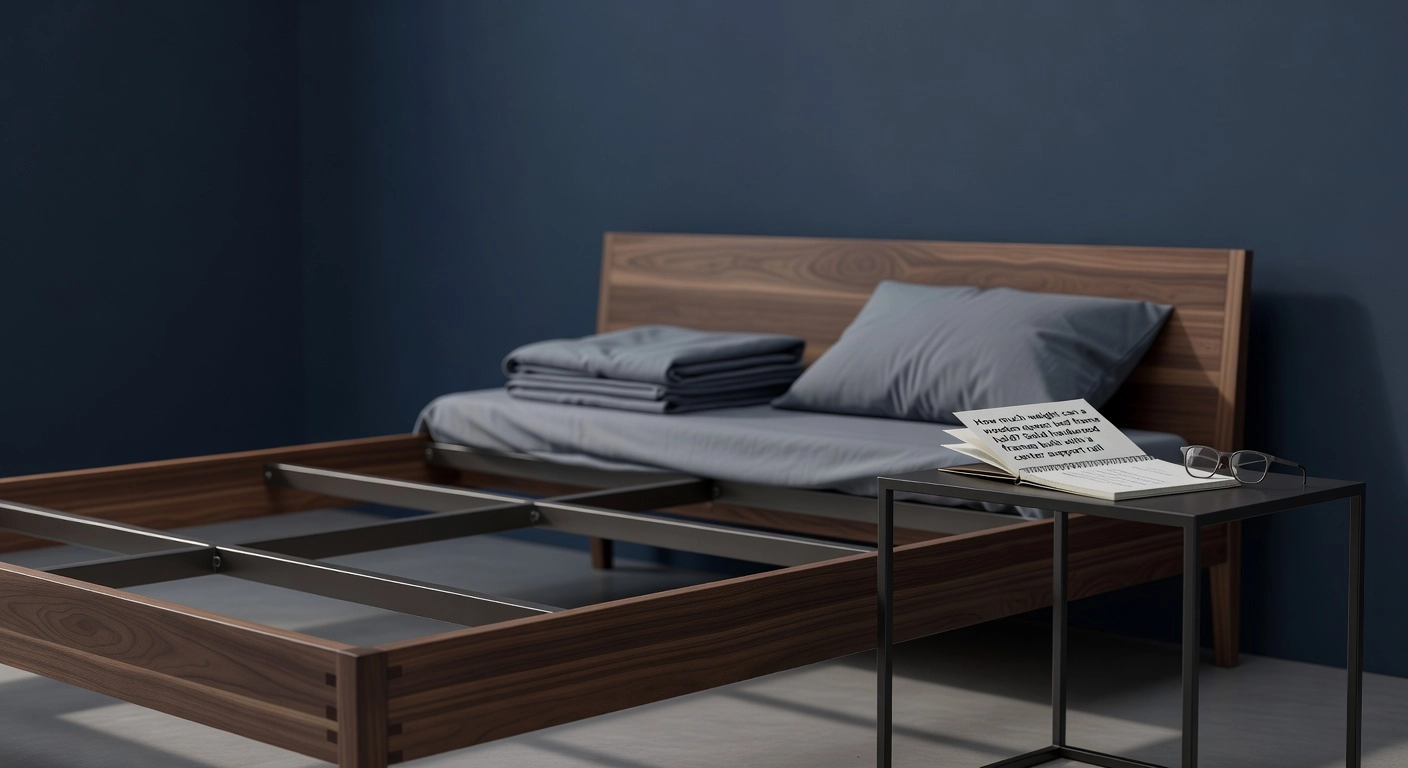
How much weight can a wooden queen bed frame hold? Solid hardwood frames built with a center support rail and multiple legs typically handle between 800 and 1,100 lbs combined. That number includes the mattress, occupants, and bedding. The key phrase there is “proper center support.” A frame without a center rail can flex and fail well below its theoretical limit, so always build or buy with that reinforcement in place.
What is the best wood species for a DIY queen bed frame? Oak and maple are the two most practical choices for most builders. Both are widely available at lumber yards, strong enough for structural rails and legs, and they take stain or clear finishes beautifully. Oak has a bold open grain that suits rustic and traditional styles, while maple’s smooth, tight grain works perfectly for modern or minimalist builds. Pine works in a pinch for a first project, but expect more dents and wear over time.
Do queen bed frames require a box spring? Not with a modern platform frame. When your slats are spaced three inches or less apart, foam and hybrid mattresses get all the support they need. Skipping the box spring saves anywhere from $100 to $300, and it keeps your bed profile lower, which fits the clean, minimalist look that dominates bedroom design right now.
How long does a solid wood bed frame last? Quality hardwood frames with good joinery and a protective finish routinely last 20 to 40 years. That completely outpaces metal frames, which bend and rust, and engineered wood options, which often degrade within a decade.
Can a beginner actually build one? Yes, genuinely. With a drill, a circular saw, 2×4 or 2×6 dimensional lumber, and a clear cut list, most beginners finish a functional platform frame in a single weekend for under $200 in materials.
What finish is safest for a bedroom? Water-based polyurethane and pure tung oil are your two best options. Both produce minimal off-gassing once fully cured, making them far more bedroom-friendly than solvent-based alternatives.
The Bottom Line on Queen Bed Frames
At this point, you have everything you need to make a smart decision about your queen bed frame. Here are the four takeaways worth keeping in your back pocket.
Watch the marketing language. “Solid wood” sounds reassuring, but it can mean anything from genuine oak to a thin veneer over particleboard. What actually matters is the specific species (pine, poplar, oak, acacia), the joinery method, and whether the frame has a center support rail. Those details tell you far more about long-term durability than any label does.
Build if your budget is tight. A DIY pine or poplar queen frame under $200 consistently outperforms retail frames in the same price range. You get better wood, better joinery, and something you can actually repair years down the road.
Finish it and maintain it. A water-based, low-VOC finish protects your investment. Annual touch-ups and quick squeak fixes add decades of reliable use.
Keep learning. This guide is your starting point. Dig into dedicated tutorials on wood species, finishing techniques, and full step-by-step builds to sharpen your skills and make the project truly your own.
Conclusion
Your perfect queen bed frame is closer than you think. Whether you decide to buy a ready-made frame that fits your budget and style, tackle a rewarding weekend build, or restore a vintage piece with character and history, the right option exists for you. The key takeaways are simple: you don’t need to overspend to get quality, DIY builds are more accessible than most people expect, and an old frame with good bones can become something truly special with a little effort.
Now it’s time to take action. Measure your space, set your budget, and decide which path excites you most. Browse our top picks, gather your tools, or start hunting for that hidden gem at a thrift store. Your bedroom deserves a centerpiece you’re proud of, so start today and build the space you’ve always wanted.


Pingback: King Size Bed Frame: 8 Things Every DIY Homeowner Should Know - WoodStuffHQ