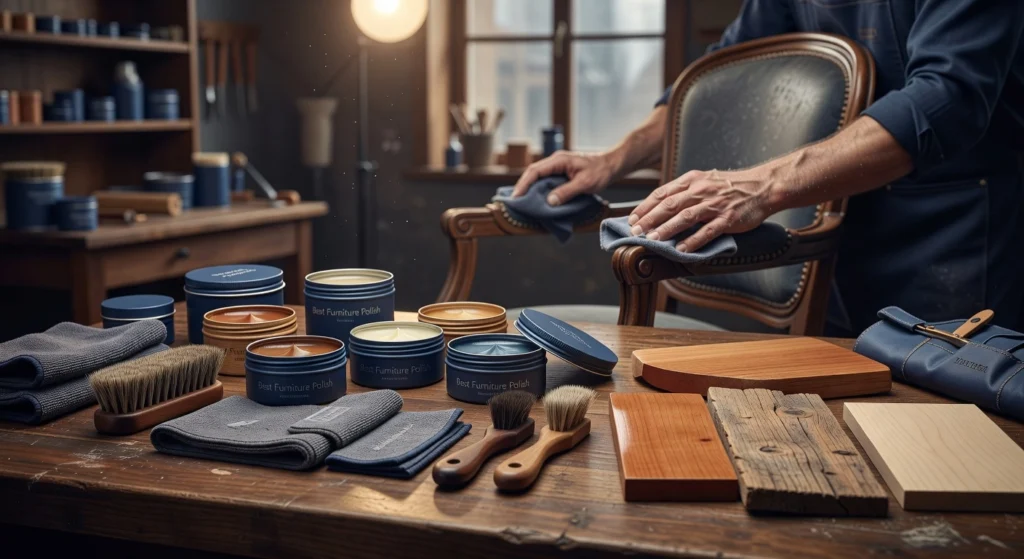

Have you ever looked at your wooden furniture and wished it had that warm, glossy shine it used to have? You are definitely not alone. Wood furniture can lose its luster over time, and finding the right product to bring it back to life can feel overwhelming, especially when you are just starting out.
That is where furniture polish comes in. The right polish can protect your wood, restore its natural beauty, and even extend the life of your favorite pieces. But here is the thing: not all polishes work the same way on every type of wood or for every situation. Using the wrong one can actually do more harm than good.
In this guide, we have rounded up the best furniture polish options for every wood type and use case. Whether you are dealing with an antique heirloom, a modern dining table, or an outdoor wooden bench, we have got you covered. By the end of this list, you will know exactly which product to reach for and how to use it like a pro. Let’s dive in!
What Furniture Polish Actually Does to Wood
Grab a bottle of furniture polish off the shelf and you’ll see claims like “restores natural oils,” “deep shine,” and “nourishes wood.” But what does furniture polish actually do once it hits your table? Understanding the basics saves you from buying the wrong product, and more importantly, from accidentally damaging your furniture.
Furniture polish serves three core functions. First, it cleans surface grime, lifting fingerprints, light grease, and dust during application. Second, it adds shine and luster, making wood look fresh and cared for. Third, it claims to nourish or protect the wood fiber, though this one comes with an important asterisk. According to woodworking finishing experts, true nourishment only happens when a product actually penetrates the wood, which is impossible on furniture coated with varnish, lacquer, or polyurethane. On sealed surfaces, polish protects the finish itself, not the wood underneath.
This brings up a distinction beginners often miss: polishing and conditioning are not the same thing. Polishing is a surface treatment. It deposits a thin layer on top of your existing finish for shine and temporary protection. Conditioning involves penetrating products that absorb into bare or oil-finished wood to restore flexibility and moisture. Use the wrong one and you get disappointing results at best.
Different formulations also behave very differently. Wax builds a physical barrier on the surface, offering durable protection and a buffed shine. Oil-based products penetrate compatible surfaces and add a softer glow. Silicone simply sits on top, creating a quick, slick shine with no real nourishment. As noted in guidance on polishing wood furniture, regular care does extend furniture life, but product choice matters enormously.
Using the wrong polish can cause real problems. Silicone buildup leads to cloudiness, sticky residue, and a serious headache if you ever want to refinish the piece. Silicone repels new coatings and creates a “fish-eye” effect, cratering any fresh finish applied on top.
Choosing the right product comes down to three things: your wood type (solid hardwood vs. delicate veneer), your finish type (sealed film finish vs. bare or oil-rubbed wood), and your use case (high-traffic dining table vs. a display cabinet). The rest of this guide walks you through each scenario so you can make a confident, informed choice.
The Main Types of Furniture Polish Explained
Not all furniture polishes are created equal, and picking the wrong one for your wood can lead to frustrating results. Here is a breakdown of the five main types you will encounter, so you can shop smarter from the start.
1. Wax-Based Polishes
Wax polishes, typically made from carnauba wax, beeswax, or a blend of both, work by forming a thin, hard protective layer right on top of your wood’s existing finish. That layer buffs out to a durable shine that resists light scratches, repels water, and lasts longer between applications than most other polish types. They suit hardwoods like oak, walnut, and cherry particularly well because those dense, tight-grained woods hold a buffed wax coat beautifully without absorbing too much product. If you have a piece of furniture you genuinely care about, whether it is an antique sideboard or a solid walnut dining table, wax is the format that woodworkers and furniture conservators consistently recommend for long-term protection.
2. Oil-Based Polishes
Oil-based polishes split into two camps: penetrating oils and surface-sitting oils. Penetrating options like tung oil blends soak directly into porous or unfinished wood, hardening within the fibers to create moisture resistance and a warm, natural-looking finish that highlights the grain beautifully. Surface-sitting oils, such as orange oil or mineral oil blends, sit on top as a thin conditioning film rather than soaking in deeply. Both types are ideal for dry, unfinished, or oil-finished wood that looks thirsty and dull. One thing to keep in mind: oils can attract dust more than waxes do, so buffing off any excess after application is important.
3. Silicone-Based Polishes
Silicone polishes dominate retail shelves because they deliver instant, impressive gloss with almost zero effort, especially in spray form. The problem is that silicone builds up over time, leaving a sticky or cloudy residue and, more critically, soaking into wood pores through tiny cracks. If you ever try to refinish that piece later, the silicone contamination causes “fish-eye,” where fresh finish craters and pulls away from the surface. Removal is genuinely difficult, often requiring multiple solvent wipes or a shellac sealer coat. Avoid silicone-based products on antiques, heirlooms, or any furniture you might want to refinish someday. You can find helpful guidance on this issue in Bob Vila’s furniture polish recommendations.
4. Water-Based and Plant-Derived Polishes
This is the fastest-growing category on the market right now, and for good reason. Water-based and plant-derived polishes use ingredients like acrylic emulsions, beeswax, carnauba, or natural plant oils to clean and protect with significantly lower VOC profiles than traditional formulas. That makes them a smart choice for households with kids, pets, or surfaces near food preparation areas, like kitchen tables and butcher-block counters. They dry quickly, have minimal odor, and align with broader consumer demand for non-toxic home products. They may not deliver quite the same deep gloss as a hard carnauba wax, but for everyday furniture care, they perform reliably and safely.
5. Aerosol vs. Liquid vs. Paste Formats
The format you choose affects your experience as much as the formula itself. Aerosol sprays are the fastest-growing delivery method right now because they are quick and cover large surfaces evenly with minimal effort. The downside is overspray, and it is easy to apply too much product without realizing it. Liquid polishes in bottles or pump sprays offer better control and work well for targeted cleaning, letting you apply product precisely with a cloth. Paste and cream waxes take the most elbow grease since you apply them, let them haze, and then buff thoroughly. However, that extra effort pays off in superior residue control and a harder, longer-lasting protective coat. For beginners, liquids offer the best balance of ease and control, while paste wax is worth the effort once you are ready to level up your wood care routine.
Choosing the Right Polish by Wood Type
Now that you know what’s in your furniture polish and how each formula works, the next step is matching it to your specific wood. Using the wrong product on the wrong surface is one of the most common beginner mistakes, and it can lead to blotchy finishes, buildup, or even damage that’s tough to reverse.
1. Oak and Other Open-Grain Hardwoods
Oak, walnut, and mahogany all share something in common: visible, open grain pores that run along the surface. This structure actually works in your favor when choosing a polish, because it means wax and beeswax blends can sink into those pores and do real nourishing work. Beeswax polish is a classic choice for these woods because it penetrates effectively, builds a natural protective layer, and enhances the grain’s depth without looking artificial. The key is applying it thinly, letting it sit for about 20 to 30 minutes, and then buffing it out. You get a warm, rich luster that feels intentional rather than plasticky. According to expert guidance on wood furniture polish, open-grain hardwoods respond especially well to beeswax blends that clean and nourish at the same time, rather than just sitting on the surface.
2. Pine and Other Softwoods
Pine is a very different animal. It absorbs product quickly and unevenly, which means over-polishing is a real risk. Apply too much of a heavy oil or wax polish and you can end up with dark, blotchy patches, sticky buildup, or clogged grain that dulls the wood’s natural appearance. For softwoods, lighter oil-based options work better. The goal is a formula that conditions without overwhelming the wood. Apply sparingly, wipe away any excess immediately, and resist the urge to reapply too often. Less really is more here.
3. Finished vs. Unfinished Wood
This distinction matters more than most beginners realize. If your furniture has a polyurethane or lacquer coating, that surface is already sealed. A penetrating oil has nowhere to go and can actually sit on top and create a cloudy, sticky mess. For finished wood, stick to surface polishes or paste wax that buff to a shine without trying to sink in. Unfinished or raw wood is the opposite situation. It has no protective barrier, so it genuinely needs a penetrating oil or oil-wax blend to nourish it from within and protect it from moisture and cracking.
4. Antique and Veneer Furniture
Older pieces and veneered furniture need a gentler touch than solid modern wood. Oil-heavy products are risky here because they can seep into the thin veneer layer, loosen the adhesive underneath, or darken an aged patina in ways you can’t easily reverse. Lightweight paste wax, particularly pure beeswax varieties, is the safer call. It sits on the surface as a protective, reversible layer rather than penetrating aggressively. Professional restorers consistently recommend this approach for period pieces, and for good reason. If you are ever unsure, test on a hidden spot first.
5. Dark vs. Light Wood Tones
Some oil polishes, especially those containing linseed or tung oil, can gradually shift your wood’s color over time as they oxidize and build up in the grain. On darker woods like espresso or aged walnut, this can actually enhance warmth and depth, which aligns nicely with 2026 interior trends leaning toward richer wood tones. On lighter woods like maple or ash, though, the same effect can look like unwanted yellowing or blotchiness. If you want to preserve your wood’s original tone, look for color-neutral or clear formulas, typically labeled as “clear” beeswax paste or “natural” finish wax, and avoid anything with tinting agents unless you specifically want to deepen the color.
Taking a few extra minutes to identify your wood type before reaching for a polish will save you a lot of frustration down the line. Up next, we will walk through the step-by-step process of actually applying polish the right way so you get the best results every time.
Commercial Furniture Polishes Worth Using in 2026
Now that you have a solid understanding of polish types and wood compatibility, let’s talk about specific products you can actually buy. Here are the commercial options worth your attention in 2026, plus some honest guidance on what to look for (and watch out for) on the label.
1. Howard Feed-N-Wax: The Top Pick for Serious DIYers
If you ask experienced woodworkers or furniture restorers what they keep under the sink, Howard Feed-N-Wax comes up constantly, and for good reason. Its formula combines beeswax, carnauba wax, and orange oil to condition, protect, and bring out the natural grain of finished hardwoods without relying on silicones or harsh chemicals. It works beautifully on oak, walnut, cherry, and maple, and it handles both finished and unfinished surfaces with ease. Application is straightforward: wipe it on, wait about 20 minutes, and buff it off. The result is a warm, natural sheen without any greasy film left behind. According to Family Handyman’s detailed review of Howard Feed-N-Wax, it consistently earns 4.6 or more stars across tens of thousands of reviews for reviving dry or neglected wood, making it a beginner-friendly product that also satisfies more experienced hands.
2. Guardsman Clean and Polish: The Reliable Everyday Option
For regular maintenance on sealed or finished furniture, Guardsman Clean and Polish is one of the strongest mid-market choices available. It cleans and polishes in one step, removes fingerprints and light water rings, and adds UV protection to slow down fading over time. Good Housekeeping testing named it a top overall performer, specifically praising its minimal residue and streak-free finish. If you have sealed wood furniture that gets daily use, like a dining table or an entryway console, this is the kind of low-fuss product that fits easily into a regular cleaning routine without building up over time.
3. ECOS Furniture Polish: Best for Kid- and Pet-Friendly Homes
ECOS Furniture Polish is the standout eco-certified option in 2026. It carries EPA Safer Choice certification, is Leaping Bunny cruelty-free, and is formulated with olive oil and citrus instead of synthetic chemicals or harsh solvents. It has low VOC levels, no phthalates, and no synthetic fragrances, which makes it a genuinely smart choice for homes with small children, pets, or anyone with sensitivities. It cleans and nourishes wood with a light citrus scent and leaves no sticky residue behind. Reviewers consistently note that it works on a wide variety of surfaces beyond just solid wood, including some laminates and veneers.
4. Old English and Weiman: Value-Friendly and Widely Available
Old English fits naturally into the budget-friendly category. Its lemon oil formula is good for nourishing general wood surfaces, hiding minor scratches on darker pieces, and adding a citrusy shine to cabinets or floors. It can leave a slightly oily feel, so buffing thoroughly matters here. Weiman products lean more toward the cleaning side, with cabinet and wood formulas that remove grime and restore shine without heavy residue. They are a practical grab-and-go option for everyday sealed wood surfaces.
5. What to Look for on Labels Before You Buy
Reading a furniture polish label carefully saves a lot of frustration later. Look for full ingredient transparency rather than vague “proprietary blend” language. Check for VOC disclosure, since lower VOC content means better indoor air quality, which matters especially in smaller spaces. Look for explicit silicone-free claims or compatibility notes like “safe for polyurethane” or “for finished wood only.” Certifications such as EPA Safer Choice or Green Seal add an extra layer of confidence for low-toxicity formulas.
6. The Honest Truth About Pledge and Silicone-Heavy Sprays
Pledge is one of the most recognizable names in the category, and this is worth addressing plainly. Silicone-heavy sprays like older Pledge formulas can cause a gradual buildup problem. Each application adds a thin coating that does not fully wipe away, and over time those layers create a sticky, cloudy film that actually dulls the wood’s natural depth. The buildup also attracts dust faster, which creates a cycle of needing to polish more often. Worse, that silicone residue can cause “fish-eye” effects if you ever try to refinish or repair the surface, because new finishes have trouble bonding over it. This is not about shaming a popular product; it is just a practical heads-up. For high-value furniture or anything you might want to restore down the road, silicone-free options will serve you much better in the long run.
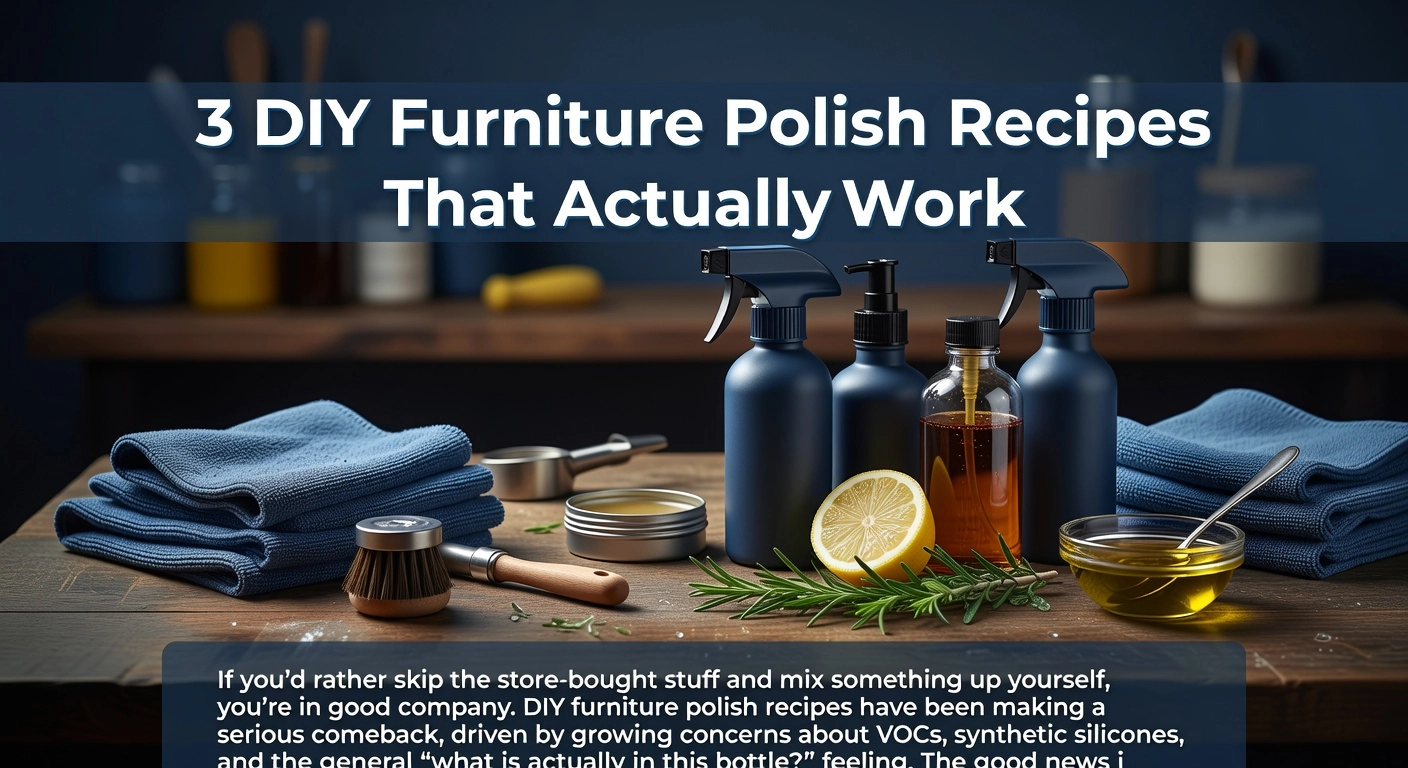
3 DIY Furniture Polish Recipes That Actually Work
If you’d rather skip the store-bought stuff and mix something up yourself, you’re in good company. DIY furniture polish recipes have been making a serious comeback, driven by growing concerns about VOCs, synthetic silicones, and the general “what is actually in this bottle?” feeling. The good news is that a few simple pantry ingredients can do a surprisingly solid job on most finished wood surfaces. Here are three recipes that genuinely work, along with what you need to know to use them safely.
Recipe 1: Olive Oil and White Vinegar Polish
This is the go-to starter recipe for most beginners, and for good reason. It combines olive oil’s conditioning properties with white vinegar’s light cleaning action to lift dust, grime, and fingerprints while leaving a subtle shine behind.
What you need:
- ½ cup olive oil
- ¼ cup white vinegar (2:1 ratio, oil to vinegar)
- Optional: 1 tablespoon fresh lemon juice or 10 drops lemon essential oil for extra cleaning power and a fresh scent
How to make it: Combine everything in a small glass jar or spray bottle and shake well. That’s genuinely it. The mixture will separate as it sits, so shake vigorously before every single use. Apply a small amount to a soft cloth, wipe in the direction of the wood grain, and buff immediately with a clean dry cloth. Store in a cool, dark spot and use it within four to six weeks before the oil starts to oxidize. Always test on a hidden area first, and stick to sealed or finished wood surfaces only.
Recipe 2: Beeswax and Jojoba Oil Paste
This one takes a little more effort, but it delivers a noticeably richer result. The beeswax creates a thin protective layer on the surface, while jojoba oil conditions the wood and resists rancidity far better than most other plant oils. It’s an excellent choice for hardwoods, older pieces, and antiques that need gentle treatment.
What you need:
- 2 tablespoons beeswax pellets or grated beeswax
- ½ cup jojoba oil
- Optional: 8 drops lemon or lavender essential oil
How to make it: Set up a simple double boiler by placing a heat-safe glass jar in a pot of gently simmering water. Add the beeswax and jojoba oil and stir until the wax melts completely. Remove from heat, stir in your essential oils, and pour into a small tin or jar. Let it cool at room temperature for one to two hours until it forms a smooth, semi-solid paste. To apply, scoop a pea-sized amount onto a soft cloth, rub it onto the wood in small circular motions, let it sit for about five to ten minutes, and then buff firmly until the surface looks clear and feels smooth. A little really does go a long way here.
Recipe 3: Coconut Oil and Essential Oil Quick-Shine Spray
When you just need a fast refresh between deeper cleans, this lightweight spray is your best friend. It works well on sealed tabletops, cabinet doors, and any surface that needs a quick pick-me-up without a lot of fuss.
What you need:
- ¼ cup fractionated coconut oil (fractionated stays liquid, which matters in cooler rooms)
- ½ cup distilled water
- 15 drops lemon or orange essential oil
How to make it: Add the coconut oil and essential oils to a spray bottle first, then add the distilled water. Shake well before each use. Spray onto a cloth rather than directly onto the furniture, wipe across the surface, and buff dry immediately. Store in a cool place and use within a few weeks.
A Quick Safety Note About Food-Grade Oils
Here’s something worth paying attention to before you start: food-grade oils like olive oil and standard coconut oil contain unsaturated fats that can oxidize and go rancid over time, especially when applied in thick layers. Rancid oil smells unpleasant, can attract pests, and sometimes leaves a sticky or discolored film on your wood. The fix is simple: always use very thin coats and buff away every trace of excess. When in doubt, jojoba oil or fractionated coconut oil are much more stable choices and significantly reduce this risk.
How DIY Stacks Up Against Commercial Polishes
Honestly, it depends on what you’re after. DIY polishes cost pennies per application compared to several dollars for commercial products, making them a smart choice for frequent maintenance. They’re also genuinely effective at cleaning light grime, conditioning finished surfaces, and adding a natural shine. The trade-off is shelf life. Commercial polishes can sit in your cabinet for years thanks to preservatives and stabilized formulas, while most homemade versions last weeks to a couple of months at best. Commercial products also tend to offer stronger water resistance and longer-lasting protection due to synthetic additives. For everyday wood care, though, the DIY furniture market has seen rapid growth for a reason: these homemade recipes hold their own just fine for most household needs.
Polish for Food-Contact Surfaces and Cutting Boards
Here is something important that often gets overlooked: the furniture polishes we have been discussing throughout this guide are not safe for cutting boards or any kitchen surface where food is prepared. Standard formulas, including most commercial sprays and wax-based polishes, contain solvents, petroleum distillates, silicones, artificial fragrances, and other additives that are simply not food-grade. When these chemicals come into contact with food, they can cause off-flavors, potential ingestion of toxic residues, and in some cases, genuine health risks. Always check labels carefully and avoid anything without an explicit “food-safe” or “food-grade” certification, such as NSF approval or FDA compliance for food-contact surfaces.
The 3 Food-Safe Options to Use Instead
For cutting boards and prep surfaces, you need products that penetrate the wood, repel moisture, and resist bacterial buildup without any risk of toxicity. The three most reliable choices are:
- Food-grade mineral oil (also called USP or white mineral oil): This is the gold standard for cutting board care. It is colorless, odorless, tasteless, and inexpensive. You can find it at most pharmacies. It soaks deeply into wood fibers to prevent drying and cracking, making it ideal for routine maintenance.
- Beeswax blends (often sold as “board butter”): These combine beeswax with food-grade oil to create a water-repellent surface seal. Some 2026 testing indicates beeswax blends can offer up to three times more durability than oil alone, making them a great finishing layer after oiling.
- Walnut oil: This is a drying oil that polymerizes over time without going rancid, unlike olive or vegetable oil. It gives a natural finish, though anyone with nut allergies should skip it and stick with mineral oil instead.
Avoid cooking oils like olive oil or vegetable oil entirely. They go rancid inside the wood, attract bacteria, and create unpleasant smells over time. You can learn more about which finishes are truly food-safe from woodworking experts before making your choice.
Routine Maintenance vs. Cracked Board Restoration
How you treat your cutting board depends on its current condition. For a board that is just a little dry but otherwise in good shape, the process is simple: wash with hot soapy water, dry completely, apply a thin layer of food-grade mineral oil, let it soak overnight, then wipe away any excess. Repeating this every few weeks keeps the wood healthy. You can also reference food-safe finishing guidance for additional context on what products meet the right standards.
For a board that has begun to crack, you need a more intensive approach. Lightly sand any rough cracked areas with 220-grit sandpaper, wipe away the dust, then apply multiple generous coats of mineral oil over several days, allowing full absorption between each coat. Deep cracks that could harbor bacteria may require professional repair or board replacement altogether. Finish the restoration with a beeswax blend to seal everything in.
For more detailed treatment methods, step-by-step soak-and-buff routines, and wood species-specific advice, the WoodStuffHQ cutting board care guides cover it all in depth.
A Quick Note on Kitchen Cabinets
Sealed cabinet exteriors, meaning those finished with varnish or lacquer, can safely use standard furniture polish for dusting and adding shine. Since cabinet faces have minimal direct food contact, this is generally fine. Just avoid saturating the edges, joints, or seams with heavy oils, since excess product can seep into unfinished interior surfaces, attract dust buildup, and weaken the wood over time. Apply sparingly and wipe thoroughly after each use.
How to Apply Furniture Polish Without Leaving Residue
Getting furniture polish onto your wood correctly makes the difference between a clean, lasting shine and a greasy, streaky mess. These five simple steps will help you get it right every time.
1. Test on a Hidden Spot First
Before you apply any polish to a visible surface, pick a spot no one ever sees. The underside of a table, the back of a leg, or the inside of a drawer are all good options. Apply a small amount to your cloth, rub it lightly on the test area, and wait at least 10 to 15 minutes before inspecting it under good lighting. This step is especially important with antiques, veneer surfaces, and older pieces where the finish type might be unknown. Some polishes can cloud shellac, soften certain lacquers, or react badly with veneer adhesive. A quick test takes two minutes and can save you from irreversible damage.
2. Always Apply to the Cloth, Never the Furniture
Spraying or pouring polish directly onto your furniture is one of the most common beginner mistakes. It leads to oversaturation in one spot, drips along edges, and uneven coverage that dries into streaks or residue. Instead, spray or pour a small amount onto a clean, lint-free microfiber cloth first. This gives you full control over how much product you are working with. A cloth roughly the size of your hand needs only a few spritzes or a dime-sized amount of liquid. Seriously, less is more here. You can check Real Simple’s guide on cleaning wood furniture for a helpful visual reference on cloth application technique.
3. Thin Layers, Circular Application, Then Buff with the Grain
Apply the polish using light circular motions to spread it evenly across the surface. Once it has been applied, switch to a fresh dry cloth and buff following the direction of the wood grain. This two-step motion prevents micro-scratches from cross-grain rubbing and pulls up any excess product before it can dry into a filmy residue. Work in small sections rather than tackling the whole piece at once. One or two thin coats buffed thoroughly will always outperform a single heavy coat.
4. How Often Should You Actually Polish?
A general rule of thumb is once every one to three months for most wood furniture. High-traffic pieces like a dining table or a desk see more wear and may benefit from polishing closer to monthly. A decorative side table in a low-traffic room can go longer between applications. Humidity also plays a role; dry climates or homes with forced-air heating can dry out wood finishes faster, making more frequent light polishing helpful. When buffing no longer produces a visible shine, that is a reliable signal that it is time for another coat.
5. Signs You Are Over-Polishing
More polish does not mean more protection. If your furniture feels greasy or slick to the touch, that is a sign of buildup. Smearing or a hazy film visible when light hits the surface at an angle is another red flag. You might also notice dust settling faster than usual because residue acts as a magnet for particles. If any of these signs appear, skip the next scheduled polish, use less product going forward, and consider switching to a silicone-free or natural wax-based formula to reset the surface.
How to Fix Polish Buildup and Cloudiness
Even when you do everything right with application, buildup can sneak up on you over time. Here is how to spot it, fix it, and make sure it does not happen again.
1. Spotting the Signs of Polish Buildup
The three telltale symptoms are a white haze or cloudy film on the surface, a tacky or gummy feel when you run your hand across the wood, and a surface that seems to attract dust faster than ever before. That milky, foggy appearance dulls the natural grain underneath and tends to get worse after the furniture is exposed to any humidity or moisture. The sticky feeling happens because residue layers have built up without fully bonding or buffing out, leaving a greasy film that smears instead of wiping clean. The dust-magnet effect is especially common with silicone-heavy polishes, since the oily layer grabs onto airborne particles like lint and dirt. If your furniture looks dirtier a day after you cleaned it, buildup is almost certainly the culprit.
2. Removing Silicone Residue with Mineral Spirits
For silicone-based polish buildup, mineral spirits are your best friend. Dampen a soft, lint-free cloth with a small amount of mineral spirits and wipe lightly, always following the direction of the wood grain. Use a fresh section of the cloth often so you are lifting residue rather than pushing it around. Work in a well-ventilated space, wear gloves, and always test in a hidden spot first since mineral spirits can temporarily cloud some finishes before drying. Follow up with a clean dry cloth to buff the surface. For heavy buildup, you may need two or three light passes rather than one aggressive scrub.
3. Oil Buildup vs. Wax Buildup
These two types of buildup need different approaches. Oil and silicone residues respond best to mineral spirits or naphtha because these solvents break down petroleum-based ingredients effectively. Wax buildup, on the other hand, often lifts with a mixture of equal parts white vinegar and water applied on a barely damp cloth, wiped with the grain, and dried immediately. An ammonia-and-water solution works well on stubborn wax too, just make sure the room is well ventilated. The key distinction is that silicone and oil residues tend to penetrate deeper into the finish and can cause problems like fish-eye defects if you later try to apply a new topcoat, while wax sits closer to the surface and is generally easier to remove.
4. Surface Fix vs. Full Strip and Refinish
Most buildup cases are fixable with the solvent methods above, especially if the haze lifts after a single wipe and the surface feels smoother afterward. You can consider the issue resolved at the surface level when the finish underneath looks intact with no peeling, cracking, or deeply embedded staining. However, a full strip and refinish becomes necessary when residue persists after multiple cleaning attempts, when the finish shows crazing or peeling, or when you notice black water rings rather than white hazy ones. Black rings indicate the damage has reached the wood itself, not just the finish layer. If you plan to apply any new topcoat like polyurethane or lacquer, silicone contamination must be fully removed first or you will end up with a cratered, uneven result.
5. Preventive Habits to Avoid Future Buildup
Going forward, the single most effective habit is picking one product type and sticking with it consistently. Mixing an oil-based polish one week with a wax-based one the next is a recipe for gummy, layered buildup. Apply less product more frequently rather than heavy coats every once in a while, since thin layers buffed out completely protect just as well without accumulating. Keep polish away from metal hardware, hinges, and upholstery edges, as residue in those areas is difficult to remove and can cause staining or corrosion. A quick dust with a microfiber cloth between polishing sessions goes a long way toward keeping your furniture looking its best without adding unnecessary product layers.
Common Furniture Polish Mistakes That Damage Wood
Even with the best furniture polish in hand, a few surprisingly common mistakes can turn a simple maintenance routine into a wood care nightmare. Here are the five biggest ones to avoid.
1. Mixing Oil-Based and Silicone-Based Products
Switching back and forth between an oil-based polish one week and a silicone-based spray the next seems harmless, but these two formulas do not play well together. They create a sticky, gummy layer that sits on your wood surface and acts like a magnet for dust and grime. Over time, that layer gets thicker and harder to remove, and your furniture ends up looking worse than before you started. Pick one product type and stick with it consistently.
2. Polishing the Wrong Surfaces
Furniture polish is designed for sealed, finished wood. Using it on painted wood, raw unfinished wood, or waxed floors can cause real damage. Raw wood is porous and will absorb oil or silicone unevenly, leading to splotchy staining. On waxed floors, the extra product just piles up into a dull, slippery mess that is genuinely difficult to fix. Always identify your surface before reaching for the polish.
3. Skipping the Dust-First Step
Applying polish directly onto a dusty surface is one of the most damaging mistakes you can make. The polish traps dust particles underneath it, and every time you wipe the surface afterward, those particles scratch the finish from below. Always dry-dust with a clean microfiber cloth first, then apply your polish.
4. Using Paper Towels or Rough Cloths
Paper towels feel convenient, but their coarse texture can leave fine scratches on softer finishes like lacquer or shellac. Use a lint-free cotton cloth or microfiber instead, and apply the polish to the cloth rather than directly onto the furniture.
5. Ignoring Your Wood’s Finish Type
Applying a penetrating oil to a sealed polyurethane surface is a common beginner error. The oil has nowhere to go, so it just sits on top, gets tacky, and starts attracting dirt. Even worse, silicone from polish can seep into cracks in the finish and contaminate the wood underneath, causing serious problems if you ever want to refinish the piece. Always check your finish type before choosing a product.
Where Furniture Polish Fits in a Long-Term Wood Care Routine
Think of furniture polish as the last step in a sequence, not a shortcut to skip the steps before it. Polish is your maintenance layer. It protects and preserves a surface that is already clean and intact. It is not designed to fill scratches, lift water rings, or rescue a finish that has already started breaking down. Those jobs need targeted repairs first, whether that means using a walnut rub on surface marks, a color-matching marker on deeper scratches, or a heat method to pull moisture out of a water stain. Once those issues are handled, then polish comes in to seal, shine, and protect going forward.
Timing your polish applications to the seasons also makes a real difference. Winter is the hardest period for wood furniture because indoor heating pulls moisture out of the air and out of the wood itself. During heating season, bumping up your oil-based polish or conditioner applications to roughly every four to six weeks helps replenish that lost moisture and prevents the surface from drying out, cracking, or going dull. In spring and summer, when humidity levels are more stable, you can scale back to two or three applications per year. A simple seasonal cleaning at the change of each season is a great habit to build around those applications.
One of the best reasons to polish consistently is that it genuinely delays the need for full refinishing. Every coat of polish adds a thin protective barrier that takes the daily punishment from UV light, humidity swings, and normal wear, so the actual finish underneath degrades more slowly. Refinishing is time-consuming and labor-intensive, so pushing that timeline back by even a few years is worth the small effort of regular maintenance.
Polish also connects to every other care task you do. Always dust and wipe the surface clean before applying any product, since grinding grit into wood during polishing creates new scratches. Repair water rings before you reach for the polish, because polish alone will not lift embedded moisture stains. If you maintain wood cabinets in your kitchen, treat them as part of the same cycle: clean off grease residue, fix any damage, then condition or polish on a seasonal schedule.
The WoodStuffHQ guides on scratch repair and water stain removal are built to plug directly into this kind of routine. Their step-by-step repair content helps you handle problems before they compound, so that when you do apply polish, it lands on a surface worth protecting. Together, those resources and a consistent polish schedule give you a complete, practical wood care system you can manage on your own.
The Right Furniture Polish Makes All the Difference
The single most important takeaway from this entire guide is simple: match your polish to your wood type, your finish, and how you actually use the piece. Grabbing whatever spray is closest on the shelf might feel convenient, but it is the fastest route to buildup, cloudy finishes, and wood that looks worse over time. Taking two minutes to identify your finish and wood type before you polish makes every application more effective.
For most situations, three options cover nearly every household need. Howard Feed-N-Wax is a reliable go-to for hardwoods like oak and maple. ECOS is a smart pick for eco-conscious homes with kids or pets. And a simple beeswax-olive oil paste covers anyone who prefers a fully natural, DIY approach.
Keep the silicone buildup warning in mind too. Thin, infrequent applications will always beat heavy routine polishing. Less really is more here.
If you are trying something new, start with either the DIY recipe or a small test patch on a hidden area first. It takes five minutes and saves you from surprises on a piece you love.
When you are ready to go further, WoodStuffHQ has you covered with dedicated guides on scratch repair, water stain treatment, and cutting board conditioning to keep every wood surface in your home looking its best.
Conclusion
Choosing the right furniture polish does not have to be complicated. Keep these key takeaways in mind: different wood types require different formulas, matching your polish to your specific use case protects your investment, and regular maintenance is always easier than trying to repair neglected wood later.
The right product can genuinely transform your furniture, restoring its natural warmth and keeping it beautiful for years to come. Whether you are caring for a cherished antique or a everyday dining table, there is a perfect polish out there for you.
Now it is time to take action. Pick the product that best matches your wood type and situation, grab a soft cloth, and give your furniture the care it deserves. Your pieces will thank you, and you might be surprised at just how stunning they can look again.