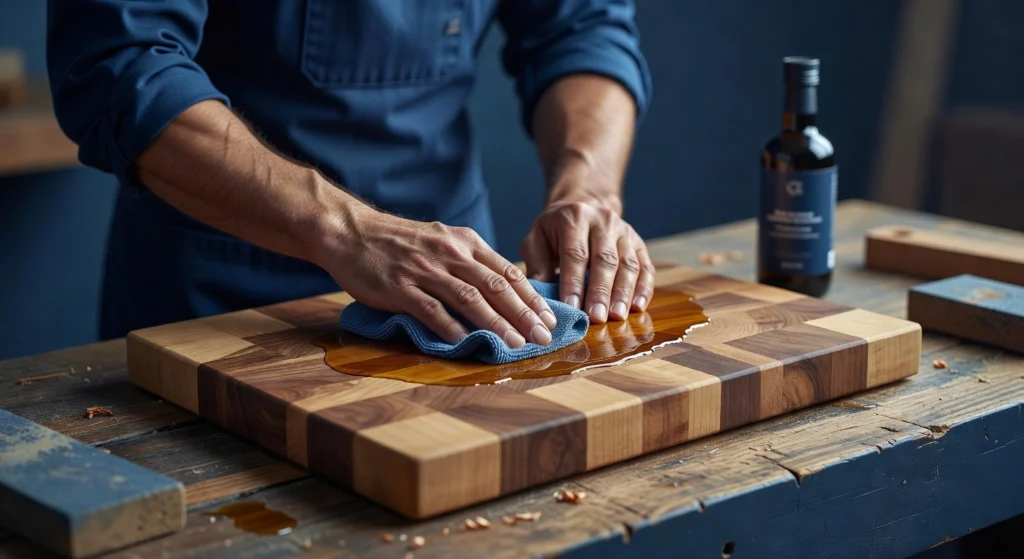

You just invested in a beautiful wooden cutting board, and the last thing you want is to watch it crack, warp, or turn into a breeding ground for bacteria. Sound familiar? The good news is that a simple oil treatment for wood cutting board maintenance can solve all of these problems and keep your board looking great for years to come.
Whether you just unboxed a brand new board or you have an old one that has seen better days, this guide has you covered. Oiling your cutting board is one of those satisfying kitchen tasks that takes very little time but makes a huge difference. And the best part? You do not need any special skills to do it right.
In this tutorial, we will walk you through everything you need to know as a beginner. You will learn which oils actually work, which ones to avoid, how often to treat your board, and the exact steps to get a perfect finish every time. Let’s get started and give that cutting board the care it deserves.
Why Wood Cutting Boards Need Regular Oil Treatment
Your wood cutting board takes a beating every single day. Between chopping vegetables, slicing meat, and getting scrubbed down after each use, it’s working hard in one of the most demanding environments in your kitchen. That’s exactly why regular oil treatment isn’t just a nice-to-have step; it’s something your board genuinely needs to survive long-term.
Every time you wash your cutting board, you’re pulling moisture out of the wood. Wood is a naturally porous, hygroscopic material, meaning it constantly absorbs and releases moisture depending on its environment. Soap and water strip away the board’s natural oils along with the surface grime, and over time, repeated washing leaves the wood fibers increasingly dehydrated. You’ll notice this as a dull, faded, or almost ashy appearance on the surface. Without replenishment through regular oiling, that dryness compounds with every wash cycle.
Once a board dries out, things get worse quickly. Dehydrated wood becomes brittle, and the surface starts developing small cracks and rough patches. Those imperfections are more than just cosmetic problems. They create tiny crevices where food particles, bacteria, and odors can settle in and hide, making it nearly impossible to fully clean the board no matter how hard you scrub. Proper oiling smooths and seals the surface, reducing the chance of contamination and keeping your board genuinely hygienic.
Warping is another serious risk that catches a lot of beginners off guard. When one side of the board loses moisture faster than the other, the wood shrinks unevenly and starts to cup or twist. A warped board won’t sit flat on your counter, which actually creates a safety hazard while you’re chopping. Consistent oiling on both sides helps equalize moisture levels and keeps the board stable.
Here’s a simple way to know if your board needs attention right now: the water bead test. Pour a few drops of water onto the surface and watch what happens. If the droplets bead up and roll around like they would on a freshly waxed car, your board is in good shape. If the water absorbs almost instantly or spreads and soaks in, your board is thirsty and needs oil soon. According to wood care experts at Wirecutter, this quick visual check is one of the most reliable indicators of when to reapply your conditioning treatment.
The stakes get even higher when you consider how long most people actually use their boards. A 2025 food handler study found that 75% of users reused their cutting boards for over two years, which means the vast majority of boards in home kitchens are aging pieces of equipment that depend entirely on consistent care to stay safe. Without regular oil treatment, a board that old can accumulate deep grooves, persistent odors, and surface damage that no amount of scrubbing will fix. Maintenance isn’t just about appearance; it’s about keeping a well-used kitchen tool safe and functional for years to come.
How to Choose the Right Oil for Your Cutting Board
Now that you understand why your board needs oil treatment, the next question is equally important: which oil should you actually use? Walk down the kitchen aisle of any store and you’ll find plenty of options, but not all of them belong anywhere near your cutting board. Here’s a straightforward breakdown to help you make the right call.
Food-Grade Mineral Oil: The Gold Standard
If you’re just starting out and want a simple, reliable answer, food-grade mineral oil is it. This is the most widely recommended option across expert guides, manufacturer instructions, and kitchen communities, and for good reason. It’s completely stable, meaning it won’t break down over time. It has zero odor and zero taste, so it will never affect the flavor of your food. Most importantly, it does not go rancid, which is a dealbreaker problem with many other oils. Mineral oil penetrates deeply into wood fibers, hydrating from the inside out and helping prevent the cracking and warping covered in the previous section. You can find detailed guidance on how it performs in this comprehensive 2025 guide from Beaver Wood Care.
Oil and Beeswax Blends: The Upgrade Worth Considering
Once you’ve got the basics down, oil and beeswax blends are worth a serious look. Products like John Boos Block Board Cream, Walrus Oil, and Clapham’s Beeswax Salad Bowl Finish go a step further than pure oil alone. While mineral oil soaks into the wood, beeswax sits on top and creates a protective surface barrier that resists moisture, light stains, and everyday grime. This combination gives your board a gentle sheen, helps fill in minor knife scratches over time, and extends the period between treatments. Consumer Reports’ November 2025 testing put several products through rigorous testing on heavily used boards and found that beeswax-inclusive options consistently performed well for board restoration. Think of pure oil as the foundation and a beeswax blend as the finishing coat.
Plant-Based Alternatives for the Petroleum-Free Crowd
If you’d prefer to skip petroleum-derived products altogether, fractionated coconut oil and refined almond oil are the two plant-based alternatives gaining real traction right now. Fractionated coconut oil (sometimes labeled as MCT oil) has had its long-chain fatty acids removed through refining, which makes it shelf-stable and non-rancidifying, unlike regular coconut oil from your pantry. It’s odorless, penetrates well, and works in a very similar way to mineral oil. Refined almond oil is another option that shows up in some specialty board care products.
One important warning here: almond oil is derived from tree nuts. If anyone in your household has a tree nut allergy, skip it entirely. Even refined nut-based oils can retain trace proteins that may trigger reactions in sensitive individuals. In shared kitchens or households with food allergies, mineral oil or fractionated coconut oil are the safer choices, no exceptions.
The Oils You Should Never Use
This part is just as important as knowing what to use. Olive oil, vegetable oil, canola oil, and any other standard cooking oil should never go on your cutting board. These oils are unsaturated fats, and unsaturated fats oxidize. That oxidation process means they go rancid, and a rancid cutting board smells awful, feels sticky, and can become a breeding ground for bacteria. It doesn’t matter if the oil smells fine today; within weeks, you’ll regret the decision.
The Budget-Friendly Hack Most People Miss
Here’s something that surprises a lot of beginners: you don’t need to spend much at all to get great results. Generic pharmacy mineral oil, often sold in the digestive health aisle as a laxative, is the exact same food-grade, USP-quality product as many premium branded cutting board oils. It performs identically when it comes to penetrating and conditioning wood, at a fraction of the price. Grab a bottle next time you’re at the drugstore and you’re completely set for basic maintenance.
How to Oil a Wood Cutting Board: Step-by-Step Process
Now that you’ve picked the right oil, it’s time to put it to work. The actual process is straightforward, but a few key details make the difference between a board that looks great for years and one that warps or cracks after a few months. Follow these steps carefully the first time, and they’ll quickly become second nature.
Step 1: Wash and Dry Thoroughly First
Before any oil touches your board, start with a clean, completely dry surface. Wash the board with warm soapy water, scrubbing both sides even if you only used one side for cooking. Rinse it well to remove all soap residue, then dry it immediately with a clean towel. Here’s the part most beginners skip: you need to let the board air-dry completely for at least 24 hours before applying oil. Stand it upright so air can circulate around both faces. Applying oil to a damp board traps moisture inside the wood, which can actually cause the warping and cracking you’re trying to prevent.
Step 2: Apply Oil Generously to Every Surface
Once the board is fully dry, pour a generous amount of oil directly onto the surface. Don’t be shy here, especially if the board is new or has been neglected. Using a clean cloth, paper towel, or your fingers, spread the oil evenly across the entire top surface using circular or back-and-forth motions. Then flip the board and repeat on the underside. Don’t forget the edges and any end grain areas, since those spots are actually the most porous and absorb moisture the fastest. Full coverage on every surface is what keeps the board balanced and warp-free. According to Serious Eats’ guide on seasoning and maintaining a wood cutting board, thorough coverage on all sides is one of the most important parts of the whole process.
Step 3: Let It Soak Overnight
After applying the oil, resist the urge to wipe it off right away. You want those wood fibers to drink in as much oil as possible. Let the board sit for a minimum of four hours, but overnight is genuinely the better option. If you can prop it up in a dish rack or lean it against the backsplash, even better since that position allows both sides to breathe. The longer soak time is especially valuable for dry or thirsty boards because the wood fibers need time to fully expand and absorb the moisture.
Step 4: Wipe Away the Excess
The next morning, take a dry cloth and buff away any oil that hasn’t soaked in. You’re looking for a surface that feels smooth and slightly conditioned, not greasy or tacky. If the board feels sticky after wiping, just buff it a bit more. A tacky surface usually means too much excess oil was left sitting on top rather than being absorbed, and it will attract crumbs and debris during use.
Step 5: Repeat the Process for Best Results
For a brand-new board or one that hasn’t been oiled in a long time, a single application isn’t enough. You’ll want to repeat this full process two to three times within the first week. Dry boards are essentially “thirsty” and will keep absorbing oil with each round. As shown in this practical video guide to oiling a cutting board, multiple initial applications build up a solid moisture barrier that single treatments simply can’t match.
Why Both Sides Always Matter
One mistake that leads directly to warping is only oiling the top surface. When one side absorbs more moisture than the other, the wood expands unevenly and starts to cup or bow. Always treat both flat faces, all four edges, and any end grain sections with equal attention. Think of it like painting; you wouldn’t leave one side of a door unfinished. This balanced approach, combined with consistent follow-up oiling roughly once a month for regular use, is what keeps a board flat, smooth, and functional for years to come.
How Often Should You Oil Your Cutting Board
The honest answer is that there is no single schedule that works for every board in every kitchen. How often you need to oil depends mostly on how hard your board works.
If you use your board daily, washing it after every meal prep session, aim to oil it once a week. Frequent washing strips moisture from the wood faster than you might expect, and a weekly oil treatment keeps pace with that loss before drying or surface wear has a chance to set in.
For the average home cook, monthly oiling hits the sweet spot. This lines up with guidance from the University of Maine Cooperative Extension, which recommends applying food-safe mineral oil at least once a month, or more frequently if the board looks dry. Most households fall into this category, and a monthly routine is easy enough to stick to without feeling like a chore.
If your board only comes out occasionally, every two to three months is usually fine. That said, do not just pull it out of the cabinet and start chopping. Give it a quick visual check first, because wood loses moisture even when it is sitting untouched.
Reading the Signs Your Board Gives You
Your board will tell you when it needs attention; you just have to know what to look for. A dull, faded appearance is usually the first clue. Run your hand across the grain and notice if it feels rough or slightly scratchy rather than smooth. Look for any small surface cracks starting to form along the grain lines. The most reliable test is the water bead test: splash a few drops of water on the surface. If the water soaks in immediately rather than beading up, it is time to oil.
Knowing When You Have Used Too Much Oil
Over-oiling is less common but worth watching for. If the surface feels tacky or greasy after you have wiped off the excess, you applied too much. A cloudy film sitting on top of the wood or a lingering oily smell are other telltale signs. The fix is simple: just buff the surface more thoroughly with a clean cloth.
The easiest way to stay consistent is to set a monthly calendar reminder on your phone. Tying it to another regular kitchen task, like cleaning out the fridge or sharpening your knives, makes it even easier to remember.
Best Oils and Conditioners for Wood Cutting Boards
So you’ve got a solid handle on why and how to oil your board. Now let’s talk about the actual products worth buying, plus one clever DIY option that can save you real money.
Pure Mineral Oil: The Reliable Starting Point
For routine maintenance, you really can’t go wrong with food-grade mineral oil. It’s the go-to recommendation from woodworking experts and kitchen specialists alike because it’s completely odorless, tasteless, non-toxic, and most importantly, it will never go rancid inside your board.
Two options stand out here. Howard Cutting Board Oil is a trusted name you’ll find at hardware stores and online, sold in convenient 12-ounce bottles and priced very reasonably. It soaks in quickly, restores that healthy sheen, and gets the job done without any fuss. If you want to spend even less, head to the pharmacy aisle at your local drugstore and grab a bottle of generic “Mineral Oil USP.” This is the exact same stuff, often sold as a mild laxative, and it works just as well on wood. Just make sure you’re grabbing plain mineral oil without any added fragrances or additives, since those have no place on a surface where you prepare food.
Oil and Wax Blends: When You Want Extra Protection
Pure mineral oil is great for regular upkeep, but oil-and-wax blends take things a step further by adding a protective barrier on top of the conditioning benefits. Think of the oil as moisturizer and the wax as sunscreen; you want both working together for the best results.
John Boos Mystery Oil paired with their Block Cream is a popular combination that woodworking enthusiasts and home cooks both swear by, particularly for restoring boards that have seen some heavy use. Walrus Oil Cutting Board Oil is another well-regarded option that blends conditioning ingredients for solid all-around performance. Clapham’s Salad Bowl Finish brings a beeswax-based formula that leaves a smooth, water-resistant surface finish. All three of these products deliver deeper nourishment than plain mineral oil plus that added layer of surface protection that helps repel moisture between treatments.
This matters more than you might think. Consumer Reports ran hands-on testing in 2025, intentionally stressing wooden boards through dishwasher cycles and heavy chopping before evaluating restoration products. Oil-and-wax combination kits came out on top, outperforming plain oils when it came to reviving visibly damaged boards.
The Plant-Based Alternative Worth Knowing About
If you prefer to skip petroleum-derived products entirely, fractionated coconut oil is the plant-based pick that actually holds up. Regular coconut oil can go rancid over time, but fractionated coconut oil (sometimes labeled MCT oil) has been refined to remove the fats that cause spoilage. The result is a shelf-stable, odorless, deeply penetrating oil that won’t leave your board smelling off after a few months. It’s a legitimate option and one that’s becoming increasingly popular among home cooks looking for fully natural kitchen care products.
Make Your Own Beeswax Blend for Half the Price
Here’s something worth trying if you enjoy a bit of DIY. You can make your own “board butter” at home with just two ingredients. Melt 1 part beeswax with 4 parts food-grade mineral oil over low heat, using a double boiler if you have one to avoid scorching. Stir the mixture until fully combined, pour it into a small jar, and let it cool into a soft paste. Apply it to your board just like any commercial conditioner. The finished product costs roughly half what you’d pay for a store-bought blend, and you can adjust the ratio slightly to make it softer or firmer depending on your preference.
Which One Should You Actually Buy?
WoodStuffHQ recommends keeping it simple: start with plain food-grade mineral oil for your regular monthly maintenance routine. It’s cheap, effective, and completely foolproof for a beginner. If your board is starting to look dry, feel rough, or show light surface cracking, that’s your signal to step up to a beeswax blend, whether you buy one or make your own. The extra protection is worth it when your board is asking for a little more attention.
Common Oil Treatment Mistakes and Myths to Ignore
Even with the best intentions and the right oil in hand, a few common misconceptions can quietly sabotage your efforts. Let’s clear these up so you don’t waste time, money, or a perfectly good board.
Oiling Does Not Keep Bacteria Away
This is probably the most widespread myth in cutting board care. Many people assume that oiling creates some kind of protective seal that locks bacteria out of the wood. The reality is more nuanced. Research published in MDPI Coatings found that oiled surfaces can actually show higher bacterial recovery than untreated wood under certain conditions. What this tells us is that oiling supports your board’s structural health by preventing cracks and drying, but it does not eliminate food safety risks. You still need to wash your board thoroughly with hot soapy water after every use. Oil is maintenance, not disinfection.
More Oil Does Not Mean More Protection
It’s tempting to think that soaking your board in oil every week will give it extra armor against wear. But wood can only absorb so much oil before it hits a saturation point. Anything beyond that just sits on the surface, creating a sticky, tacky film that attracts dust and feels unpleasant under your hands. According to this practical guide on cutting board cleaning myths, applying oil generously and then wiping away the excess is the correct approach. More frequent applications do not help if the wood is already well-conditioned.
Never Oil a Damp Board
This mistake is easy to make, especially if you’re eager to get the job done right after washing. Residual moisture in the wood fibers blocks oil from penetrating properly and can actually trap water beneath the oil layer. Over time, that trapped moisture causes swelling, cracking, and even mold. Always let your board air dry completely before you apply any oil.
Oil Every Surface, Not Just the Top
Skipping the bottom and edges is a fast track to a warped board. When only one side dries out and contracts while the other stays conditioned, the wood curves unevenly. As this oiling guide explains, every surface needs equal attention, including all four edges.
Keep Cooking Oils Out of This Job
Reaching for the olive oil or vegetable oil sitting on your counter might seem convenient, but those oils go rancid. Within a few months, they break down, produce foul odors, and can contaminate the food you prepare on that board. Stick with food-grade mineral oil or a dedicated board conditioner every single time.
When to Restore Your Board Versus Replace It
Even a well-loved board eventually reaches a crossroads where you have to make an honest call: is this worth saving, or is it time to start fresh?
Deep knife grooves are the clearest sign it’s time to replace. When cuts run deep enough that you can’t sand them out without removing a significant chunk of the board’s thickness, no amount of oil treatment will make it safe again. Those grooves become permanent hiding spots for bacteria and food residue, and they stay contaminated regardless of how diligently you oil and clean. The USDA specifically recommends discarding boards with hard-to-clean grooves for exactly this reason.
Persistent warping is a structural problem, not a hydration problem. If your board rocks or tips on the counter, oiling won’t fix that. Warping happens when moisture gets absorbed unevenly, and once the wood has shifted significantly, the damage is done. A wobbly board is also a safety hazard, so don’t try to work around it.
Stubborn odors after a full wash-and-oil cycle signal deep contamination. When smells linger even after proper cleaning and a fresh oil treatment, bacteria or mold has worked its way into the wood fibers beyond what surface care can reach. That board needs to go.
Before you toss it, though, give restoration one real shot. Sand the surface starting with 80-grit paper to reach genuinely fresh wood, then follow up with 120-grit to smooth things out, and finish with a complete oiling cycle on all sides. You might be surprised how much life comes back.
For most households, wooden boards last two to five years under regular use. With consistent oil treatment and proper care, though, a quality board can push well beyond that range and last for decades.
Start Your Oiling Routine Today
You now have everything you need to keep your cutting board in great shape for years to come. To recap the essentials: food-grade mineral oil or a mineral oil and beeswax blend are the safest, most effective options for nearly all wood cutting boards. They won’t go rancid, they’re food-safe, and they actually protect the wood instead of just coating the surface.
The process is simple. Make sure your board is completely dry, apply oil generously to all sides, let it soak overnight, then wipe away the excess. For new or neglected boards, repeat that process several times in the first week to build up a solid foundation of protection.
Match your oiling schedule to how hard your board works. Heavy daily use calls for weekly treatment; average use only needs monthly attention. And regardless of your schedule, always reach for the oil bottle when your board starts looking dull, feels rough, or water stops beading on the surface.
Two rules worth repeating: never use cooking oils, and never oil a wet board. Both mistakes cause more harm than good.
When you’re ready to go deeper, WoodStuffHQ has you covered with guides on butcher block countertop maintenance, wood sanding and repair, and broader wood finishing techniques. Your cutting board is just the beginning of a well-cared-for kitchen.
Conclusion
Taking care of your wooden cutting board does not have to be complicated. By choosing the right food-safe oil, applying it regularly, and following the simple steps outlined in this guide, you can protect your board from cracking, warping, and bacteria buildup. A well-oiled board is not just safer; it is also more beautiful and lasts significantly longer.
Here is your action plan: grab a bottle of food-grade mineral oil, set aside fifteen minutes this weekend, and give your board its first proper treatment. Make it a monthly habit and you will never deal with a dried-out or damaged board again.
Your cutting board is a kitchen investment worth protecting. A little oil and a few minutes of your time is all it takes to keep it performing beautifully for years to come. Start today!


Pingback: Wood Kitchen Islands: What to Know Before You Build, Buy, or Restore - WoodStuffHQ
Pingback: Best Wood for Outdoor Furniture: 8 Species Ranked - WoodStuffHQ