Your wooden floors are one of the most valuable features in your home, yet one of the most misunderstood when it comes to proper care. Walk down any cleaning aisle and you will find dozens of products making bold promises, but choosing the wrong wooden floor cleaner can cause warping, dullness, and even permanent damage to your finish.
The good news is that finding the right cleaner does not have to be complicated. Understanding which product works best for your specific floor finish is the key to keeping your floors looking beautiful for decades to come.
In this guide, we have done the research for you. Whether you have polyurethane-coated hardwood, oiled wood floors, or waxed vintage planks, there is a cleaner designed specifically for your needs. We will walk you through the top wooden floor cleaner options on the market, explain what makes each one effective, and help you match the right product to your floor type. By the end, you will feel confident choosing a cleaner that protects your investment and delivers a spotless finish every time.
How Your Floor Finish Determines the Right Cleaner
Before you reach for any wooden floor cleaner, you need to identify exactly what type of finish is protecting your floors. Using the wrong formula is one of the most common mistakes beginners make, and it can void your flooring warranty or cause permanent damage to the surface.
Polyurethane-Finished Hardwood
Polyurethane is the most common finish found in modern homes, creating a clear, durable topcoat that seals the wood beneath. These floors require pH-neutral, residue-free formulas with a pH range of approximately 6.5 to 8. Acidic cleaners like vinegar and alkaline products like ammonia or bleach will gradually strip the protective layer, leaving the surface cloudy, dull, or softened. Always choose a ready-to-use (RTU) or dilutable concentrate specifically labeled safe for polyurethane finishes.
Pre-Finished Hardwood with Aluminum Oxide Coatings
Factory-finished and engineered hardwood floors frequently feature aluminum oxide wear layers, which are exceptionally hard but chemically sensitive. Any cleaner with a pH significantly above or below 7 can etch or degrade this coating over time. Approximately 47% of wood floor owners already prefer pH-neutral formulas for exactly this reason. Stick strictly to a pH-neutral RTU or concentrate, applied with a lightly dampened microfiber mop rather than sprayed directly onto the surface.
Waxed, Oiled, Shellacked, and Unfinished Wood
These floor types require an entirely separate approach. Water-based cleaners designed for sealed surfaces will absorb into penetrating finishes, causing warping, staining, or finish breakdown. Oiled floors benefit from manufacturer-specific, plant-based soaps applied with minimal moisture. Waxed floors typically need dry cleaning methods paired with wax-compatible products. Unfinished or raw wood floors should only be maintained using dry methods such as vacuuming or dust mopping since any liquid causes irreversible grain damage. Learn more about selecting the right hardwood cleaner for your finish type before purchasing any product.
Laminate Floors
Although laminate visually mimics hardwood, it is an entirely different material. Its photographic wear layer sits over a high-density fiberboard core that swells and warps when exposed to excess moisture. Never use steam mops, soaking-wet mops, wax polishes, or abrasive scrubbers on laminate. A pH-neutral, low-residue spray or RTU formula applied with a well-wrung microfiber pad is the correct approach.
Quick-Reference Guide by Finish Type
| Finish Type | Recommended Cleaner Category |
|---|---|
| Polyurethane hardwood | pH-neutral RTU or dilutable concentrate |
| Aluminum oxide pre-finished | pH-neutral RTU only (strict pH ~7) |
| Waxed or oiled wood | Wax-compatible or oil-specific cleaner |
| Unfinished or raw wood | Dry-only (vacuum or dust mop) |
| Laminate | pH-neutral, low-moisture RTU spray |
Minwax® Hardwood Floor Cleaner is a pre-diluted, non-toxic, biodegradable option that works well for finished hardwood, pre-finished, and laminate floors, though it is not suitable for waxed, oiled, shellacked, or unfinished surfaces. Always verify your specific finish type before selecting a product, and consult expert hardwood floor cleaner recommendations when in doubt.
Minwax Hardwood Floor Cleaner: Best for Polyurethane-Finished Floors
If your floors are sealed with polyurethane, the Minwax Hardwood Floor Cleaner is purpose-built for exactly that surface. It comes pre-diluted in a 32 oz squirt bottle, meaning you apply it straight from the container without measuring, mixing, or second-guessing dilution ratios. Over-wetting is one of the most damaging mistakes beginners make on hardwood floors, and this ready-to-use format removes that risk entirely. Simply sweep or vacuum first, then apply in an “S” pattern across small sections before mopping with a well-wrung microfiber pad.
The formula is non-toxic and biodegradable, which matters more than ever given that 47% of wood floor owners now prefer pH-neutral products to protect against discoloration and moisture damage. Harsh or alkaline cleaners can slowly break down polyurethane finishes, leaving floors looking faded and worn. A gentler, eco-conscious formula delivers effective cleaning without compromising the protective layer your finish provides.
One of the most consistent complaints about general-purpose cleaners on hardwood is the filmy, dull residue they leave behind. Minwax’s cleaner removes dirt, grease, and grime while leaving zero soap residue or streaking, keeping your floors looking clean rather than cloudy.
That said, surface compatibility matters. This cleaner works well on finished hardwood, pre-finished wood, and laminate floors. It is not recommended for waxed, oiled, shellacked, or unfinished surfaces, which require specialized care products. Pairing this cleaner with a microfiber mop system further reduces moisture contact during each cleaning session, significantly lowering the risk of warping or swelling in individual wood planks over time.
Bona Hardwood Floor Cleaner: Best for Spray Mop and Robotic Mop Users
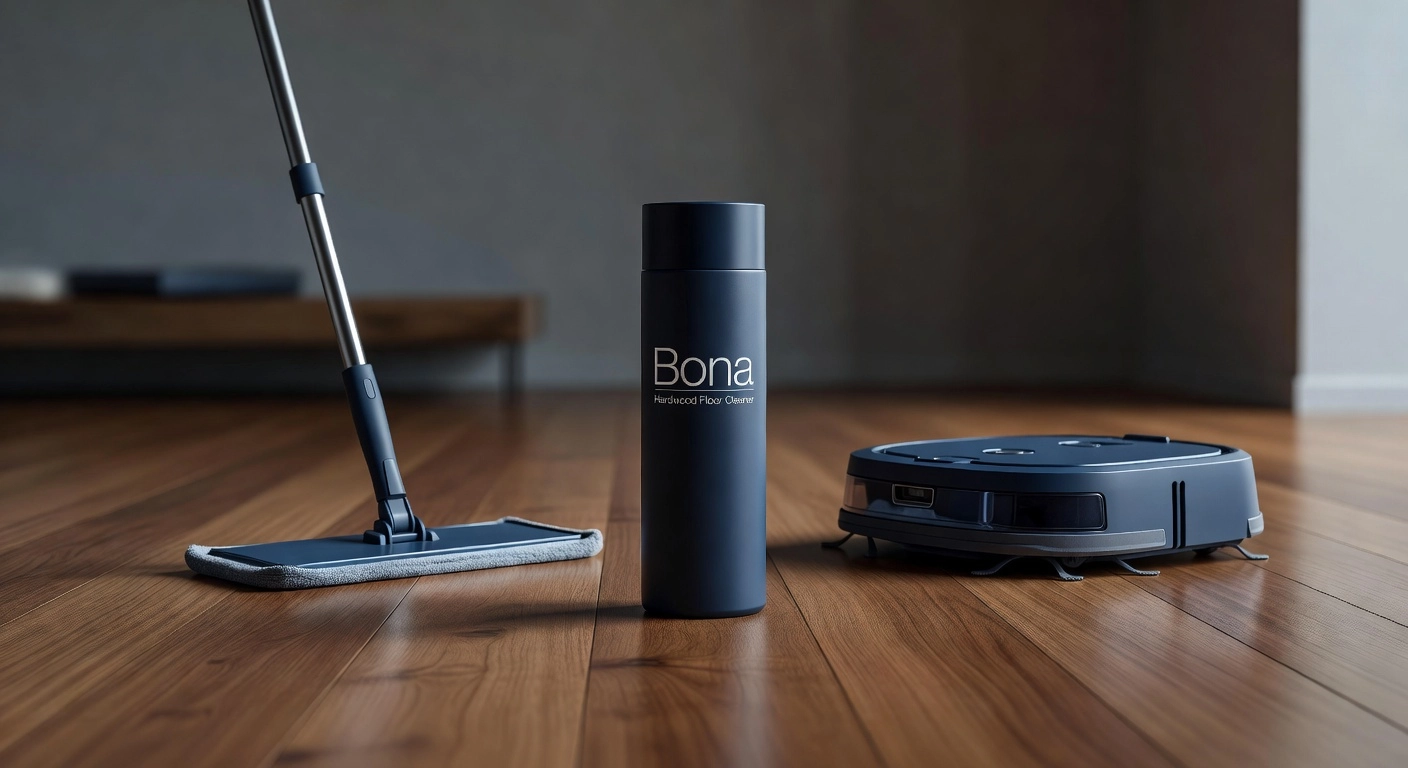
If you rely on a spray mop or robotic floor cleaner to maintain your hardwood floors, this formula deserves a close look. Bona’s Wood Floor Cleaner for Mopping Robots is specifically engineered for compatibility with automated and spray mop systems, addressing a genuine gap in the market as these tools become standard in more households. The robotic floor cleaner market alone is projected to reach USD 15.74 billion by 2034, so demand for cleaner formulas that work safely inside machine reservoirs is only growing. Bona even partnered with iRobot to co-develop certified solutions for the Braava jet m6, making it one of the few cleaners with verified robotic compatibility.
The formula itself is water-based, pH-neutral, and leaves absolutely no residue behind. It carries GREENGUARD Gold certification for low chemical emissions, making it safe for homes with children, pets, or allergy sensitivities. Flooring contractors consistently favor it because it cleans effectively without dulling polyurethane finishes over time.
Fast drying is another standout advantage. Because solid hardwood can absorb standing moisture and begin to cup or warp, reducing surface wet time is critical. This formula evaporates quickly, giving you a clean floor with minimal risk of water damage.
One important limitation: like most water-based formulas, it is not suitable for waxed, oiled, or unfinished floors. Always confirm your floor has a sealed polyurethane finish before using it.
Method Squirt and Mop: Best Plant-Based Option for Everyday Cleaning
For homeowners who prioritize eco-conscious ingredients without sacrificing daily cleaning performance, the Method Squirt + Mop Wood Floor Cleaner presents a compelling option. Its plant-derived and mineral-based formula avoids harsh chemicals like ammonia, chlorine, and phosphates, relying instead on coconut- and plant-derived surfactants to lift dirt from sealed surfaces. The cleaner comes in three distinct scents, almond, lemon ginger, and spearmint sage, giving you options that make routine cleaning feel noticeably less like a chore. As the eco-friendly cleaning products market continues to grow, Method’s approach aligns squarely with what today’s homeowners are actively seeking.
One of its most practical advantages is the no-rinse, no-residue design. You simply squirt a thin layer onto the floor and wipe it clean with a flat microfiber mop; no bucket, no dilution, and no second pass required. This makes it genuinely suitable for daily or high-frequency cleaning on polyurethane-finished hardwood and laminate surfaces, where buildup from traditional cleaners is a real concern. Consumer reviews on Amazon reflect strong satisfaction, with some product variants earning approximately 4.7 out of 5 stars across more than 9,000 ratings, citing streak-free results and pleasant, non-overpowering scents as top reasons for repeat purchases.
The formula works across hardwood, laminate, and vinyl plank floors, which is a practical benefit for homes with multiple surface types in different rooms. The squirt-bottle delivery format does require some manual control to avoid applying too much liquid at once. Users who prefer the instant, hands-free dispensing of a pre-diluted spray bottle may need a short adjustment period, but most find the targeted nozzle reduces waste and prevents puddling effectively.
Murphy Oil Soap: A Classic DIY Favorite With Modern Caveats
Few wooden floor cleaner brands carry the generational recognition of Murphy Oil Soap. With over a century of household familiarity, it remains a top-selling concentrated wood cleaner in retail channels, driven largely by nostalgia and decades of trusted use. Many homeowners still reach for it instinctively, making it one of the most purchased wood cleaning products despite evolving expert guidance.
Where Murphy Oil Soap genuinely performs is on raw, unfinished, oil-treated, or traditionally waxed wood surfaces. Its plant-based, approximately 98% natural formula, built from coconut- and vegetable-derived cleaning agents, conditions porous or unsealed wood that water-based formulas would otherwise damage by raising the grain. For older floors, wood furniture, cabinetry, or paneling treated with oils or wax, it remains a legitimate, effective choice.
The important caveat involves modern polyurethane-finished floors. When applied at full strength or over-diluted incorrectly, the oily, alkaline formula leaves a thin soap-and-oil residue that accumulates over time. This buildup can dull your finish, create a greasy surface, attract dirt, and even interfere with future recoating adhesion. Flooring experts and consumer reviews consistently document foggy or sticky floors as a result. Official instructions specify just one-quarter cup per gallon of warm water, and proper dilution is non-negotiable.
For sealed hardwood or pre-finished floors, a residue-free, pH-neutral formula is the safer long-term choice. Murphy Oil Soap is best treated as a complementary product for specific unsealed surfaces rather than a universal hardwood floor solution.
Quick Shine Multi-Surface Floor Cleaner: Best for Restoring Luster
The Quick Shine Multi-Surface Floor Cleaner takes a notably different approach compared to the products covered earlier in this list. While previous options focus purely on cleaning, Quick Shine’s polish and luster variants combine a zero-residue cleaner with a plant-derived carnauba wax emulsion, delivering a genuine two-in-one solution for homeowners who want routine cleaning and visible shine restoration in a single step. The carnauba wax component fills micro-scratches and deposits a protective layer that enhances surface gloss without requiring a separate polishing product.
This positions Quick Shine squarely within a growing premium buyer segment. Market data shows that 36% of premium wood floor product buyers select specialized cleaners specifically for improved shine retention, with top-performing formulas delivering up to 20% better luster compared to general-purpose alternatives. Quick Shine’s luster-focused marketing and formulation target exactly these consumers.
There are important limitations to understand before committing to this product. Because the polish variant deposits wax layers over repeated use, it is not appropriate for floors scheduled for refinishing or maintained under a finish-specific regimen. Wax buildup can interfere with adhesion during refinishing, creating costly complications.
On the positive side, Quick Shine works across hardwood, laminate, vinyl, tile, and stone surfaces, giving it household versatility that dedicated hardwood cleaners cannot match. For best results, treat it as a periodic luster-restoring treatment rather than a daily cleaner, applying it after a thorough routine cleaning session to refresh shine without excessive buildup.
DIY Wooden Floor Cleaners Versus Ready-to-Use Products
Many beginners turn to DIY solutions before exploring purpose-built options. Understanding the trade-offs between homemade formulas and ready-to-use products will help you make smarter decisions for your floors from the start.
The Hidden Risk of Vinegar-and-Water Mixtures
Vinegar-and-water is the most searched DIY wooden floor cleaner recipe online, largely because it is inexpensive and accessible. However, white vinegar carries a pH of 2.4 to 3.4, making it highly acidic. Even when diluted, repeated application gradually erodes polyurethane finishes through micro-etching, a process where acid slowly breaks down the protective coating at a microscopic level. The result is a dull, hazy appearance that worsens with every cleaning session. Flooring professionals consistently advise against it for sealed hardwood, because the cumulative damage often becomes visible only after months of use, well past the point of easy correction.
Castile Soap and Essential Oil Limitations
Castile soap is gentler, with a pH between 8.5 and 10.5, and safer for polyurethane than vinegar. The problem is residue. Without thorough buffing after each use, castile soap leaves a hygroscopic film that attracts dirt and scatters light, creating dullness over time. Adding essential oils like tea tree or lemon improves fragrance and provides mild antibacterial benefits, but neither ingredient changes the base formula’s pH or residue behavior in any meaningful way.
Why Ready-to-Use Products Deliver More Consistent Results
Specialized products like Minwax Hardwood Floor Cleaner eliminate the guesswork entirely. They are pre-diluted, pH-calibrated for finished wood, and formulated to clean without leaving soap film. This consistency matters significantly over a floor’s lifespan. Market data confirms the shift: demand for wood-specific cleaners rose 24% in residential settings, with 47% of users now actively seeking pH-neutral formulas to protect their finishes and reduce long-term maintenance burdens.
Five Mistakes That Damage Hardwood Floors During Cleaning
Even the best wooden floor cleaner cannot protect your floors if your cleaning habits are working against you. These five mistakes are consistently responsible for premature finish failure, costly repairs, and voided warranties.
1. Using Too Much Water or a Soaking-Wet Mop Hardwood is hygroscopic, meaning it absorbs moisture from its environment. When excess water seeps between boards or beneath the finish, it triggers swelling, cupping, warping, and finish delamination. Even a traditionally “damp” string mop leaves far too much liquid behind. Always use a well-wrung microfiber mop or a spray mop that deposits minimal moisture, and never allow standing water on the surface.
2. Applying Wax-Based Cleaners Over Polyurethane Finishes Polyurethane creates a hard, non-porous topcoat that cannot bond with wax. Applying any wax-based formula over it builds a hazy, dirt-attracting film that resists standard cleaning. Reversing this damage typically requires professional buffing or full sanding and refinishing, both expensive interventions that are entirely preventable.
3. Using High-Alkaline General-Purpose Cleaners Products with alkaline pH levels above 7, including those containing ammonia or harsh detergents, chemically degrade polyurethane finishes through gradual etching. The result is a progressively duller surface with a weakened protective barrier. Approximately 47% of users now specifically seek pH-neutral formulas to prevent exactly this type of invisible, cumulative damage.
4. Skipping Daily Dry Maintenance Sand, grit, and debris act as abrasives underfoot and during mopping. Without daily sweeping or dust mopping to remove these particles first, wet cleaning sessions grind them directly into the finish, creating microscopic scratches that accumulate into visible dullness over time.
5. Ignoring Manufacturer Warranty Requirements Most floor finish warranties explicitly list approved cleaning products and prohibited ingredients. Using incompatible formulas, including oil soaps, wax, or steam, can void your coverage entirely, leaving you responsible for the full cost of any finish repairs.
Building a Cleaning Routine That Extends Your Floor’s Life
A consistent cleaning routine is the single most reliable way to protect your hardwood investment over the long term. Rather than reacting to visible damage, the goal is to prevent it through a simple, layered approach that builds on itself day by day.
Daily dry sweeping or microfiber dust mopping forms the foundation of this routine. Dirt, grit, and sand act like microscopic sandpaper underfoot, grinding against the finish with every step. A soft microfiber dust mop or a vacuum set to the bare-floor setting removes these abrasive particles before they cause irreversible wear. This daily habit takes just a few minutes but delivers outsized protection over time.
Weekly damp mopping with a pH-neutral formula is the next essential layer. Products like Minwax Hardwood Floor Cleaner are specifically formulated to clean finished hardwood without introducing excess moisture or harsh chemicals that break down the finish. The key is using a well-wrung mop that is damp, never wet, and following up with a dry pass if needed.
Periodic application of a compatible refresher or finish product addresses the gradual wear that accumulates in high-traffic zones. Applying a maintenance coat every six to twelve months in those areas restores the protective topcoat and postpones the need for a full refinishing project, which is far more disruptive and costly.
Pairing your cleaner with a finish from the same trusted system eliminates compatibility guesswork. Mismatched products can leave residue, cause cloudiness, or weaken adhesion between coats. Staying within one manufacturer’s recommended product lineup protects both the finish and your results.
This kind of intentional, routine-driven care reflects a broader shift in homeowner thinking. According to NWFA survey data, nearly 60% of wood flooring businesses expect stronger sales in 2026, a figure that points directly to growing recognition that floor care is an ongoing investment, not a one-time purchase.
Frequently Asked Questions About Wooden Floor Cleaners
Is Minwax Hardwood Floor Cleaner pH-Neutral and Safe for Polyurethane Floors?
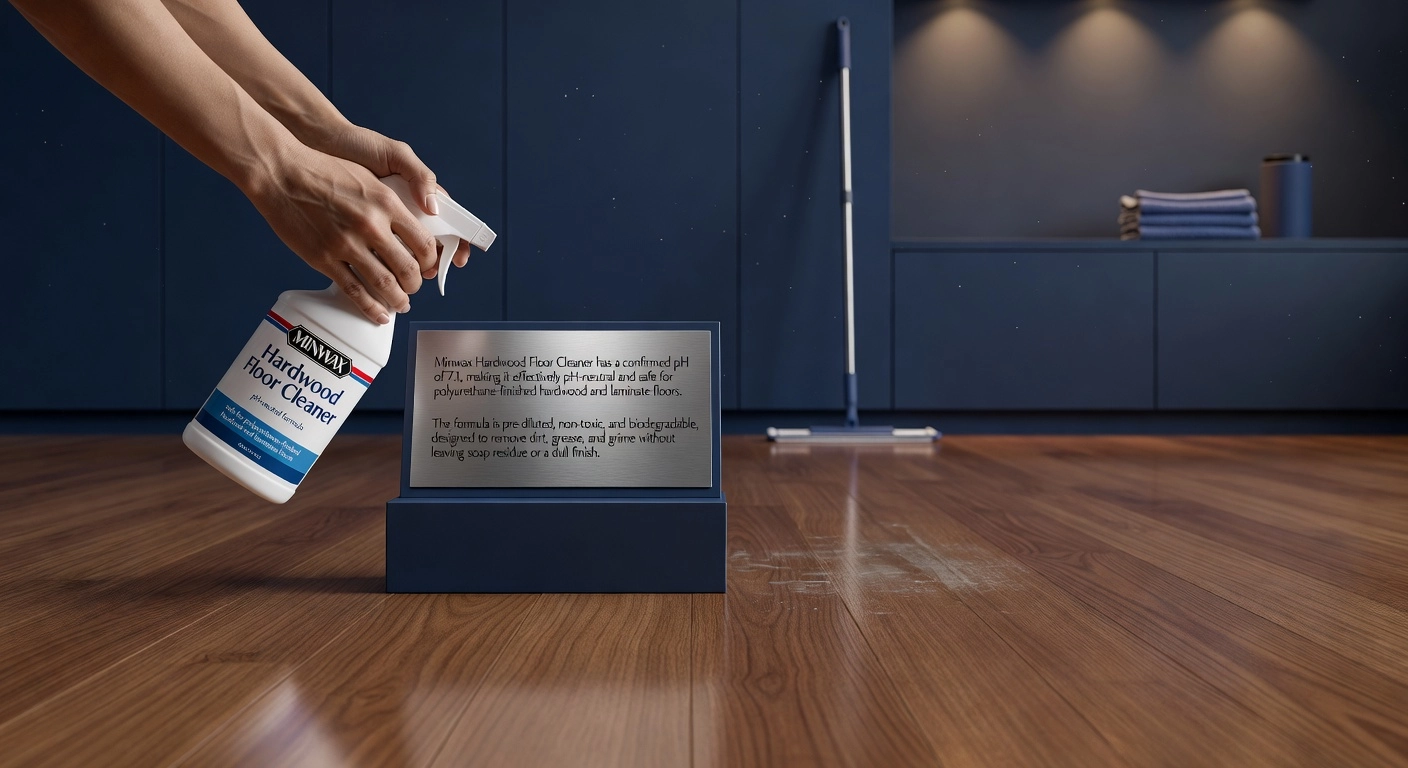
Yes. Minwax Hardwood Floor Cleaner has a confirmed pH of 7.1, making it effectively pH-neutral and safe for polyurethane-finished hardwood and laminate floors. The formula is pre-diluted, non-toxic, and biodegradable, designed to remove dirt, grease, and grime without leaving soap residue or a dulling film. It contains no ammonia, phosphates, or harsh surfactants that could strip or cloud a polyurethane finish. Importantly, it is not recommended for waxed, oiled, shellacked, or unfinished wood surfaces.
Can Wooden Floor Cleaners Be Used in Robotic or Spray Mop Reservoirs?
Generally yes, provided the cleaner is low-foaming, pH-neutral, and non-corrosive. Always check your device’s manual first. Foaming formulas can clog sensors or nozzles, and excess liquid risks warping or cupping hardwood. Spray mops with controlled dispensing minimize over-wetting effectively.
How Often Should You Use a Liquid Cleaner Versus Dry Sweeping?
Dry sweep or vacuum daily to remove abrasive grit that scratches finishes. Use a liquid wooden floor cleaner weekly for most households, always after dry sweeping first. High-traffic areas or homes with pets may benefit from damp mopping twice weekly.
Floor Cleaner Versus Floor Polish: What Is the Difference?
A floor cleaner removes dirt and residue during regular maintenance. A floor polish restores shine and adds a thin protective layer but does not clean. Polish should only be applied to a thoroughly cleaned, dry floor and used sparingly, since buildup can complicate future refinishing. For polyurethane-finished floors, prioritize a quality cleaner and reserve polish for when visible luster has noticeably faded.
Choosing the Right Wooden Floor Cleaner Comes Down to Your Finish
Every decision about wooden floor cleaner selection should begin with one question: what finish is protecting your floor? Finish type determines chemical compatibility, and getting this wrong dulls, etches, or voids warranties faster than any amount of dirt ever could. Only after confirming compatibility should you evaluate secondary factors like scent preferences, eco-credentials, or tool compatibility with spray mops and microfiber systems.
Avoid acidic DIY formulas such as vinegar solutions on polyurethane-sealed floors. These degrade the protective coating over time, leaving a hazy, etched surface that requires costly repairs. Always confirm that any product you select explicitly lists your finish type as compatible before applying it to the full floor.
For most finished hardwood, pre-finished, and laminate surfaces, a pH-neutral, residue-free formula like Minwax Hardwood Floor Cleaner provides a dependable daily-use baseline. It is pre-diluted, non-toxic, and biodegradable, removing dirt without leaving soap film that attracts more grime over time. Nearly 47% of users now prefer pH-neutral formulas specifically to prevent discoloration and moisture damage.
Routine cleaning alone is not enough. Pairing your cleaner with a long-term maintenance plan that includes periodic protective finish applications prevents premature full refinishing, which costs significantly more than consistent upkeep.
Start every product evaluation at the finish level, then work outward. Identify your finish type, confirm cleaner compatibility, then layer in preferences around tools, certifications, and scent. This systematic approach protects your investment at every stage.
Conclusion
Caring for your wooden floors does not have to feel overwhelming. The right cleaner makes all the difference, and now you have the knowledge to choose wisely. Remember these key takeaways: always match your cleaner to your specific floor finish, avoid harsh chemicals that strip protective coatings, and read product labels carefully before applying anything to your floors. Consistency in your cleaning routine will protect your investment for years to come.
Your floors deserve the best care possible, and the products highlighted in this guide give you a strong starting point. Ready to take action? Pick the cleaner that matches your floor type, grab a microfiber mop, and give your floors the treatment they deserve. A little effort today means stunning, damage-free floors that you can enjoy and be proud of for decades ahead.
Frequently Asked Questions
How do I know which type of finish my hardwood floors have before choosing a cleaner?
The easiest way to identify your floor finish is to perform a simple water drop test. Place a small drop of water in an inconspicuous area. If the water beads up, your floor has a sealed finish like polyurethane or aluminum oxide. If the water absorbs quickly and darkens the wood, you likely have an oiled, waxed, or unfinished floor. You can also check your home's paperwork, contact the flooring manufacturer, or consult a flooring professional. Identifying your finish type first is critical because using the wrong cleaner can cause irreversible damage, void warranties, or dull your floor's appearance over time.
Is it safe to use vinegar and water as a DIY wooden floor cleaner?
No, vinegar and water is not safe for sealed hardwood floors. White vinegar has a pH of 2.4 to 3.4, making it highly acidic. Even when diluted, repeated application gradually erodes polyurethane finishes through a process called micro-etching, where the acid slowly breaks down the protective coating at a microscopic level. The damage typically appears as a dull, hazy surface and often only becomes visible after months of use, well past the point of easy correction. For sealed hardwood, always use a pH-neutral, residue-free cleaner specifically formulated for your finish type instead.
Can I use the same wooden floor cleaner on both hardwood and laminate floors?
Some pH-neutral, low-residue cleaners are compatible with both hardwood and laminate, but you must verify compatibility on the product label before use. For example, Minwax Hardwood Floor Cleaner and Method Squirt and Mop both work across finished hardwood and laminate surfaces. However, laminate requires extra caution because its high-density fiberboard core swells and warps when exposed to excess moisture. Never use steam mops, soaking-wet mops, wax polishes, or abrasive scrubbers on laminate regardless of which cleaner you choose. Always apply with a well-wrung microfiber pad and use minimal liquid.
How often should I clean my hardwood floors and what is the best routine to follow?
A consistent layered routine works best for protecting hardwood floors long term. Daily dry sweeping or microfiber dust mopping removes abrasive grit, dirt, and sand that act like microscopic sandpaper underfoot, scratching the finish with every step. Weekly damp mopping with a pH-neutral wooden floor cleaner handles deeper cleaning, always after dry sweeping first and using a well-wrung mop that is damp but never wet. In high-traffic households or homes with pets, damp mopping twice weekly may be beneficial. Every six to twelve months, applying a compatible maintenance coat or refresher product to high-traffic areas restores the protective topcoat and delays the need for costly full refinishing.
What is the difference between a floor cleaner and a floor polish, and do I need both?
A floor cleaner removes dirt, grease, and residue during regular maintenance and is used as part of your routine cleaning sessions. A floor polish, by contrast, restores shine and deposits a thin protective layer over the existing finish but does not clean. Polish should only be applied to a thoroughly cleaned, dry floor and used sparingly since repeated buildup can complicate future refinishing projects by interfering with adhesion. For most homeowners with polyurethane-finished floors, a quality pH-neutral cleaner used consistently is the daily priority. Polish is best reserved for periodic use when visible luster has noticeably faded rather than as part of every cleaning session.