Wood floors are beautiful, timeless, and surprisingly easy to damage if you use the wrong cleaning products. Whether you have solid hardwood, engineered wood, or laminate flooring, choosing the right wood floor cleaner can mean the difference between floors that last decades and floors that warp, dull, or scratch prematurely.
With hundreds of products on the market, it is completely understandable to feel overwhelmed. Some cleaners are too harsh, stripping away protective finishes. Others leave behind sticky residue that attracts even more dirt. And some products marketed as “safe for wood” are anything but.
That is exactly why we put together this comprehensive comparison guide. We tested and researched the top wood floor cleaners available today, breaking them down by floor type so you know precisely which product is right for your home. By the end of this post, you will understand what ingredients to look for, which products to avoid, and how to keep your floors looking their absolute best for years to come. No guesswork, no wasted money, just clean and beautiful floors.
What to Look for in a Wood Floor Cleaner
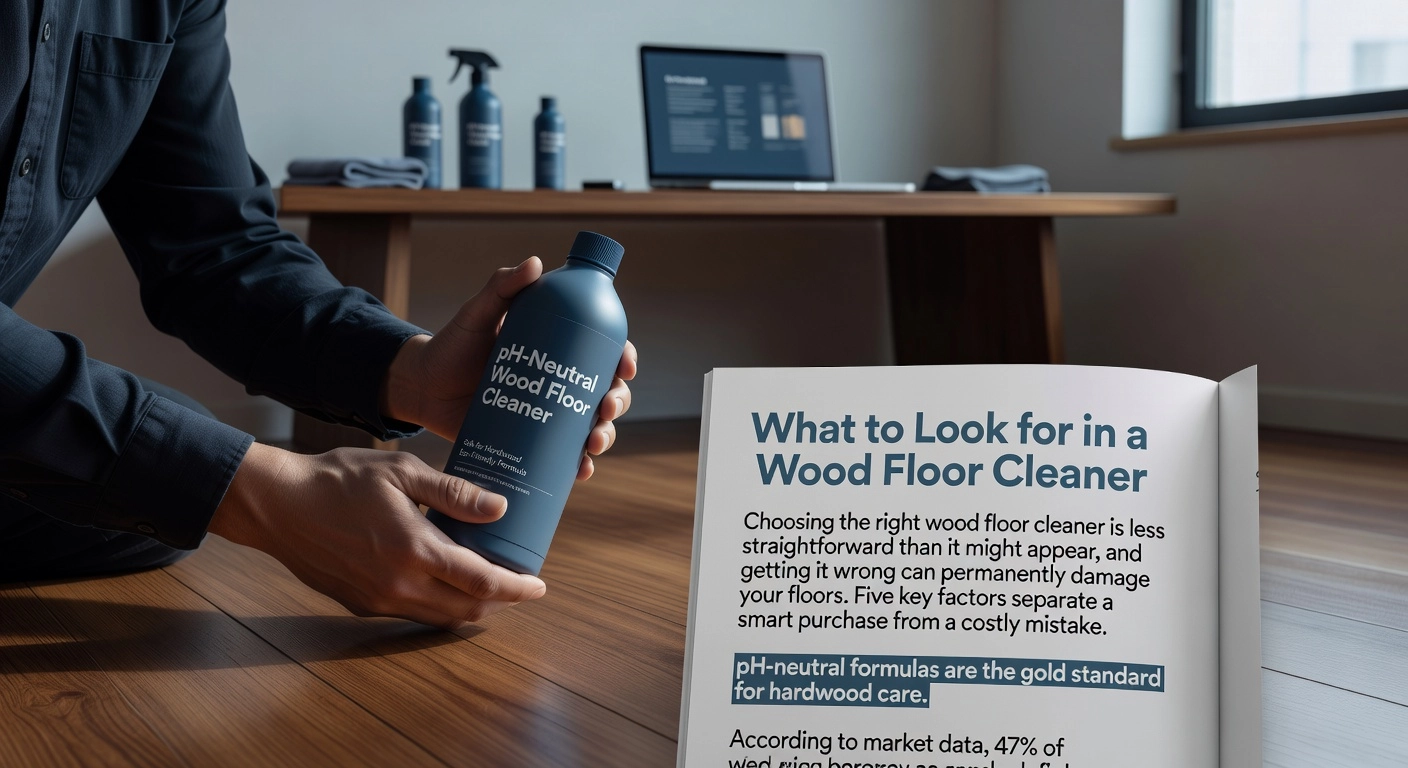
Choosing the right wood floor cleaner is less straightforward than it might appear, and getting it wrong can permanently damage your floors. Five key factors separate a smart purchase from a costly mistake.
pH-neutral formulas are the gold standard for hardwood care. According to market data, 47% of wooden floor owners prefer pH-neutral formulations to prevent discoloration and protect finish coatings. Cleaners with acidic or alkaline compositions gradually break down polyurethane and other protective layers, leading to dulling, streaking, and long-term surface damage. Always look for “pH-neutral” or “pH-balanced” on the label before purchasing.
Residue-free and no-rinse formulations are equally important. Products that leave behind soap film attract dirt faster, create a sticky surface, and introduce excess moisture that can warp or dull hardwood planks over time. A quality no-rinse cleaner simplifies your routine to a single step while protecting the floor’s integrity.
Surface compatibility is where many beginners make critical errors. As noted in expert hardwood floor cleaner guides, cleaners formulated for sealed or polyurethane-finished floors can actively damage waxed, oiled, or unfinished surfaces. Always confirm your floor type before selecting a product.
Eco-friendly certifications such as EPA Safer Choice and biodegradable labeling signal that a formula has been independently verified for reduced environmental and health impact. This matters especially in homes with children, pets, or allergy sensitivities, and demand for certified natural cleaners continues to rise sharply heading into 2026.
Concentrated vs. pre-diluted formats affect your budget more than most buyers anticipate. Concentrated formulas typically deliver 40-50% savings per use compared to ready-to-use sprays, making them the smarter choice for weekly cleaning routines across larger floor areas, though pre-diluted options offer unmatched convenience for quick touch-ups.
Top Wood Floor Cleaners Compared
With demand for wood-specific cleaners rising 24% in residential settings, choosing the right formula has become more consequential than ever. Not all wood floor cleaners perform equally across different floor types, finish conditions, and household priorities. The comparison below breaks down four leading options across the criteria that matter most to beginners: what each product does best, how it’s formulated, whether rinsing is required, its environmental profile, and what you can expect to pay.
| Product | Best For | Formula Type | Rinse Required | Eco Credentials | Price Range |
|---|---|---|---|---|---|
| Minwax Hardwood Floor Cleaner | Minwax-finished hardwood and laminate | Ready-to-use spray | No | Non-toxic, biodegradable | $6–10 (32 oz) |
| Bona Hardwood Floor Cleaner Spray | General finished hardwood; all-purpose performance | Ready-to-use spray | No | EPA Safer Choice certified; pH-neutral, low VOCs | $8–12 (32 oz) |
| Murphy Oil Soap | Budget-conscious cleaning on sealed hardwood | Concentrate (dilute with water) | Minimal | Plant-derived, phosphate-free, biodegradable | $5–12 (concentrate) |
| Aunt Fannie’s Floor Cleaner | Health-focused homes with kids and pets | Concentrate or ready-to-use | No | Plant-based, kid- and pet-safe, eco-friendly | $8–15 |
Minwax Hardwood Floor Cleaner is the strongest choice for floors finished with Minwax stains and topcoats, as well as laminate surfaces. Its pre-diluted, ready-to-use formula requires no rinsing and leaves no soap film or residue behind. The cleaner is non-toxic and biodegradable, making it a practical everyday option for homeowners already using Minwax finishing products. It is specifically designed to work with sealed surfaces, and should not be used on waxed, oiled, or unfinished wood.
Bona Hardwood Floor Cleaner Spray consistently ranks at the top of independent expert reviews from sources like Good Housekeeping and The Spruce for its superior soil and scuff removal, fast-drying formula, and EPA Safer Choice certification. It is pH-neutral and suitable for most factory-finished and site-finished hardwood floors, making it the most versatile option in this comparison.
Murphy Oil Soap earns its reputation as the best value pick. As a concentrate, a single bottle yields many more uses per dollar than ready-to-use sprays, and its plant-derived formula has been trusted on sealed wood surfaces for decades. It is widely available at grocery and hardware stores, making it easy to restock. Beginners should follow dilution instructions carefully to avoid applying excess moisture.
Aunt Fannie’s Floor Cleaner targets households where ingredient transparency is a priority. Its plant-based formula is designed to be safe around children and pets, and it is available in both concentrate and ready-to-use formats. According to HGTV’s 2026 product reviews, natural cleaners like Aunt Fannie’s are gaining traction among eco-conscious buyers who want effective cleaning without synthetic chemicals. If your household prioritizes green credentials above all else, this is the category leader to consider.
Minwax Hardwood Floor Cleaner: A Closer Look
The Minwax Hardwood Floor Cleaner stands out as a purpose-built solution within a broader wood care system. Unlike generic multi-surface cleaners, this product arrives pre-diluted and ready to use straight from the bottle. There is no mixing, no added water, and no rinsing required. Simply sweep or vacuum loose debris first, then apply the cleaner directly to the floor in small 3-to-4 foot sections using a damp, well-wrung microfiber mop. The formula lifts dirt, grease, and everyday grime from finished hardwood and laminate surfaces without depositing soap residue or a dulling film, which is one of the most common complaints homeowners have about general-purpose floor cleaners.
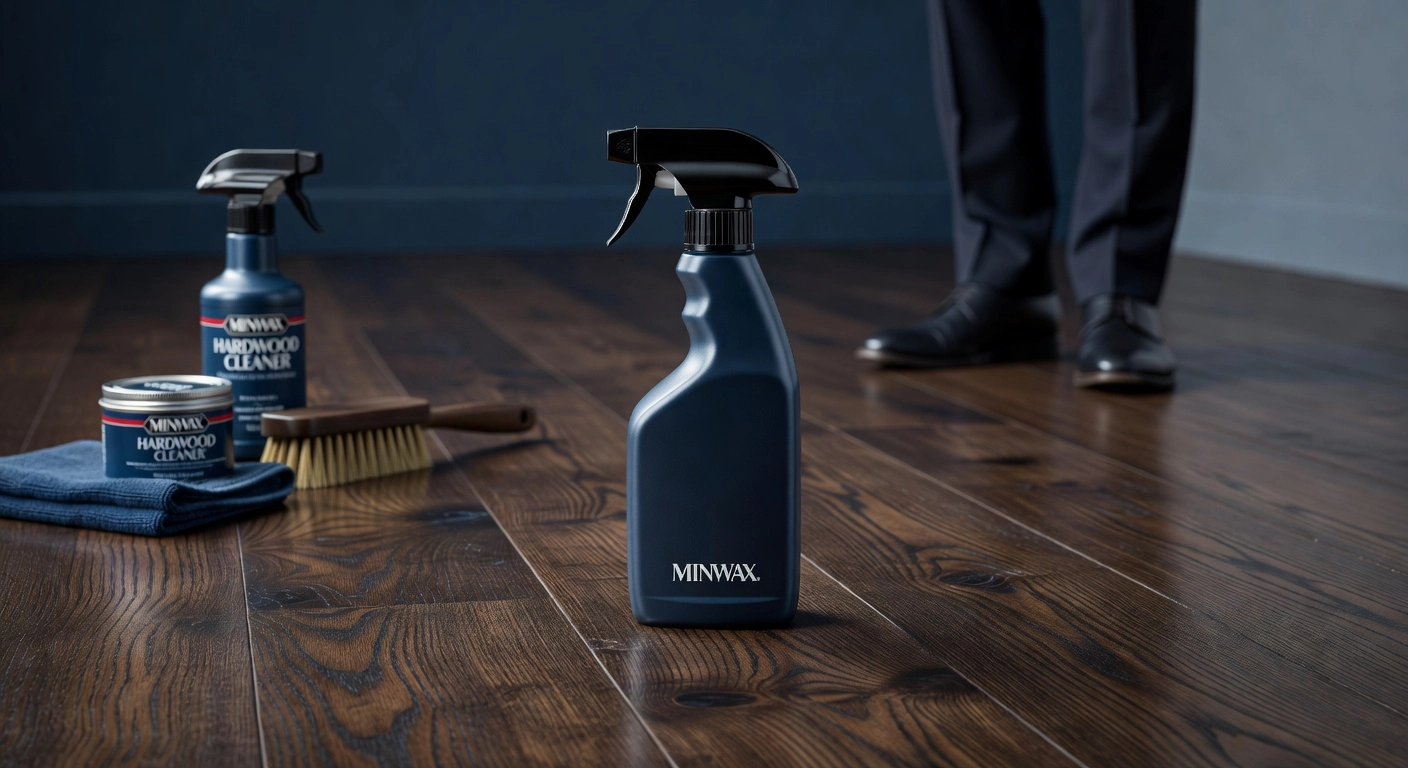
Safety is a genuine strength of this formula. The cleaner is non-toxic and biodegradable, making it a responsible choice for households with children and pets. It is also described as solvent-free in several retailer listings, reinforcing its suitability for routine, frequent use without ventilation concerns. Minwax provides a full Safety Data Sheet and Consumer Product Ingredient Communication document for complete transparency, which serious buyers should review before purchasing.
What separates this product from standalone cleaners is its deliberate integration into the broader Minwax product ecosystem. It is specifically formulated to complement Minwax stains, finishes, and polyurethane topcoats, preserving the integrity of surfaces treated with those products. If your floors were finished or refinished using Minwax products, this cleaner offers a system-compatible maintenance solution that reduces the risk of finish incompatibility.
However, there is one critical limitation every beginner must understand before buying. This cleaner is not suitable for waxed, oiled, shellacked, or unfinished wood surfaces. Using it on the wrong finish type can cause damage that is difficult to reverse. Always confirm your floor’s finish type first.
One underappreciated aspect of this product is its eco profile. Despite carrying a genuinely non-toxic, biodegradable formula that competes credibly with natural-segment options, Minwax markets it primarily on performance and brand compatibility rather than environmental credentials. For households prioritizing sustainability, that messaging gap can make the product seem less “green” than it actually is.
How to Clean Hardwood Floors the Right Way
Knowing which cleaner to buy is only half the equation. How you apply it determines whether your floors stay pristine or gradually deteriorate from improper technique.
Start by applying your wood floor cleaner directly onto the floor surface, not onto the mop head. Squirt or spray the solution onto a small, manageable section, roughly 3×3 feet, before mopping. This approach gives you precise control over coverage and prevents over-saturation from a heavily loaded mop. Applying cleaner to the mop head often deposits too much liquid in one spot, increasing the risk of moisture seeping into seams and beneath the finish.
Your choice of mop matters just as much as your cleaner. A damp, well-wrung microfiber mop is the gold standard for cleaning hardwood floors safely. Excess water is one of the leading causes of warping, swelling, and finish deterioration because wood is naturally porous and absorbs moisture through even small gaps. Wring the mop thoroughly until it feels barely damp to the touch. Traditional string mops and steam cleaners introduce far too much moisture and should be avoided entirely on hardwood surfaces.
Always mop in the direction of the wood grain, moving parallel to the planks rather than across them. This technique distributes the cleaner evenly, minimizes visible streaking, and accelerates drying time. Avoid overlapping wet sections; cleaning sequentially and allowing each area to dry before advancing prevents residue buildup and uneven finishes. According to Hallmark Floors’ 2025 cleaning guide, this simple directional habit significantly reduces the streaks that beginners commonly encounter.
Humidity control is a year-round responsibility, not just a cleaning-day concern. The National Wood Flooring Association recommends maintaining indoor relative humidity between 35% and 55%. Levels outside this range cause wood to expand, contract, cup, or crack over time, undermining even the best cleaning routine.
Spills require immediate attention. Blot the area with a dry or barely damp cloth the moment a spill occurs. Allowing moisture to sit, even briefly, gives it time to penetrate the finish and reach the wood beneath. Keep a cloth accessible in high-traffic areas like kitchens for fast response.
Common Mistakes That Damage Wood Floors
Even with the right cleaner selected, poor habits can undo your efforts and cause lasting damage. Understanding what not to do is just as important as knowing the correct technique.
Vinegar and Ammonia Strip Protective Finishes
Many homeowners reach for vinegar or ammonia-based cleaners because they seem natural or budget-friendly. The problem is that vinegar is acidic and ammonia is strongly alkaline; both extremes attack the protective coating on your floors over time. Repeated use gradually breaks down polyurethane and similar finishes, leaving hardwood dull, discolored, and far more vulnerable to everyday wear. The damage is often subtle at first, becoming noticeable only after months of use, and in many cases it voids manufacturer warranties entirely. Always opt for a pH-neutral, purpose-built wood floor cleaner instead.
Steam Mops Combine Two Damaging Forces
Steam mops might feel like a powerful cleaning solution, but Consumer Reports explicitly warns against using steam mops on wood floors. High heat and concentrated moisture working together penetrate finish seams, causing warping, cupping, cloudiness, and even subfloor deterioration. Good Housekeeping similarly advises stopping steam cleaning on hardwood, noting that even floors with intact seals develop micro-wear over time that allows moisture ingress. A lightly damp microfiber mop with an approved cleaner delivers thorough cleaning without the risk.
Excess Water Is a Frequent DIY Error
Using a soaking-wet mop is one of the most widespread mistakes beginners make. Wood is naturally porous; when it absorbs standing moisture, swelling, seam separation, and finish cracking follow. This risk multiplies on older floors, thinner planks, or any surface with uneven sealing. The guiding principle is simple: damp, never wet.
Mismatched Cleaners Leave Damaging Residue
Applying an oil-soap cleaner to a polyurethane-coated floor is a classic mismatch. The oily residue does not bond with the finish; instead, it builds up over time, attracts dirt, and progressively softens the surface. This type of buildup often requires professional remediation to fully remove. Always confirm your finish type before selecting any cleaning product.
The Real Cost of Generic Cleaners
Switching to a purpose-built wood floor cleaner produces measurable results. Approximately 36% of premium product users report improved shine retention of up to 20% after moving away from generic options. Products formulated specifically for sealed hardwood, like the Minwax Hardwood Floor Cleaner, eliminate the guesswork by delivering residue-free performance matched to the finish types they are designed to protect.
Building a Complete Wood Care Routine
Think of your wood floor cleaner as the weekly guardian of a long-term investment. Staining and finishing are one-time decisions that define how your floors look and how well they resist wear. Cleaning is what protects those layers day after day, preventing abrasive dirt and grit from acting like sandpaper against your finish. Without consistent maintenance, even a high-quality finish degrades faster than it should, ultimately forcing costly refinishing years ahead of schedule.
The Minwax Ecosystem Advantage
What sets Minwax apart is the verified compatibility between every product in its lineup. The Hardwood Floor Cleaner is formulated to work in direct harmony with Minwax stains and protective finishes, eliminating the guesswork that comes with mixing products from different manufacturers. Using mismatched cleaners risks leaving residues that interfere with future recoats, or worse, voiding your finish warranty entirely. When every product in your care routine comes from a single, wood-focused system, you get predictable results across the entire life of your floor. You can explore this integrated approach through the Minwax Hardwood Floor Care System.
A Seasonal Schedule That Protects Your Investment
A complete wood care routine follows a clear rhythm. Weekly cleaning with the Minwax Hardwood Floor Cleaner removes surface buildup before it compounds. Monthly deep cleaning addresses embedded dirt in high-traffic zones. Quarterly, inspect your finish for dullness, scratches, or wear, and verify that indoor humidity stays between 35 and 55 percent. Annually, assess whether a simple recoat is sufficient or whether more extensive refinishing is warranted.
This structured approach matters now more than ever. According to the NWFA’s 2026 Industry Outlook, nearly six in ten wood flooring businesses expect stronger sales in the coming year, meaning thousands of new floors will be installed that need proper routines established immediately. Homeowners who start with the right cleaning regimen from day one can realistically extend their finish life to 12 to 15 years or beyond, significantly delaying the expense and disruption of full refinishing.
Frequently Asked Questions About Wood Floor Cleaners
Can I Use Wood Floor Cleaner on Laminate?
Yes, provided the formula is designed for sealed surfaces and does not require rinsing or leave residue behind. Laminate and sealed hardwood share similar cleaning requirements: both need gentle, low-moisture solutions that evaporate quickly without penetrating the surface layer. Minwax Hardwood Floor Cleaner is explicitly formulated for use on laminate in addition to finished hardwood, making it a versatile option for homes with mixed flooring types. Always test any cleaner in a small, hidden area first, and avoid products that require rinsing or contain vinegar, ammonia, or abrasive agents.
How Often Should I Clean Hardwood Floors?
Light sweeping or dry mopping should happen daily or every other day to remove grit that acts like sandpaper against your finish. A wet clean using a wood floor cleaner is appropriate once a week or whenever visible soil accumulates. Spills should always be addressed immediately, regardless of your regular schedule. Working in small sections with a well-wrung microfiber mop keeps moisture levels safe and prevents warping over time.
Is Minwax Cleaner Safe for Pets and Children?
Yes. Minwax Hardwood Floor Cleaner uses a non-toxic, biodegradable formula that poses no significant risk to households with kids or animals when used as directed. Simply keep pets and children off the freshly cleaned surface until it dries completely, which happens quickly given the product’s no-rinse design.
What Is the Difference Between Minwax and Bona?
Both deliver residue-free results on sealed hardwood, but their strengths differ. Bona leads in independent lab testing and holds EPA Safer Choice certification, making it a strong general-purpose pick. Minwax excels in finish-system compatibility, particularly for floors already treated with Minwax stains or topcoats, offering a seamless, coordinated care approach.
What Floors Should Never Use Liquid Cleaners?
Waxed, oiled, shellacked, and unfinished wood surfaces should never be cleaned with liquid formulas. Moisture penetrates these vulnerable surfaces and causes swelling, discoloration, or finish breakdown. Stick to dry sweeping or manufacturer-recommended dry treatments for these floor types exclusively.
Choosing the Right Wood Floor Cleaner for Your Home
Every wood floor care decision starts with one question: what finish is on your floor? Sealed and pre-finished floors with polyurethane or UV-cured coatings have very different requirements than waxed or oiled surfaces. Using the wrong cleaner on a penetrating oil finish, for example, can strip its protection entirely. When in doubt, test by placing a small drop of water on the surface; beading indicates a film-forming finish, while rapid absorption suggests a penetrating type.
Once you know your finish, prioritize pH-neutral, residue-free, no-rinse formulas. Nearly 47% of wood floor owners already prefer pH-neutral options, and for good reason. These formulas clean effectively without degrading protective coatings, leaving dulling buildup, or introducing excess moisture through rinsing.
Technique matters just as much as product choice. Always use a well-wrung microfiber mop, work in manageable sections, and maintain indoor humidity between 35% and 55% year-round to prevent warping, gaps, and finish damage.
For homeowners who have used Minwax stains or finishes, the Minwax Hardwood Floor Cleaner delivers direct system compatibility. Its pre-diluted, biodegradable, residue-free formula is engineered to complement Minwax-treated surfaces in ways generic cleaners simply cannot replicate.
Ultimately, consistent cleaning is the most cost-effective floor care habit you can build. Professional refinishing costs $3 to $8 per square foot; routine maintenance costs a fraction of that while preserving your finish and delaying costly restoration for years.
Conclusion
Your wood floors are an investment worth protecting, and choosing the right cleaner is one of the simplest ways to do exactly that. Here are the key takeaways to remember: always match your cleaner to your specific floor type, avoid harsh chemicals that strip protective finishes, and steer clear of products that leave behind residue or excess moisture.
The right cleaner does not just remove dirt; it preserves the beauty and longevity of your floors for years to come. Armed with the recommendations in this guide, you no longer have to guess which products are safe or effective.
Ready to give your floors the care they deserve? Pick the cleaner that matches your floor type, bookmark this guide for future reference, and start cleaning with confidence. Your floors will thank you for it.
Frequently Asked Questions
What type of wood floor cleaner is safest for everyday use?
A pH-neutral, residue-free, no-rinse formula is the safest choice for everyday use on wood floors. These cleaners effectively remove dirt without degrading protective finishes, leaving behind sticky buildup, or introducing excess moisture. Products like Bona Hardwood Floor Cleaner Spray and Minwax Hardwood Floor Cleaner both meet these criteria and are suitable for regular weekly cleaning on sealed or polyurethane-finished surfaces.
Can I use vinegar or steam mops to clean my hardwood floors?
No, both should be avoided on hardwood floors. Vinegar is acidic and gradually breaks down polyurethane and other protective finishes, causing dulling and discoloration over time. Steam mops combine high heat and concentrated moisture, which can warp, cup, and cloud your floors while penetrating finish seams and potentially damaging the subfloor. Always use a lightly damp microfiber mop with a purpose-built wood floor cleaner instead.
How do I know which wood floor cleaner is right for my specific floor type?
Start by identifying your floor's finish. If water beads on the surface, you have a film-forming finish like polyurethane, which is compatible with liquid cleaners such as Bona or Minwax. If water absorbs quickly, your floor likely has a penetrating oil or wax finish, which should only be cleaned with dry methods or manufacturer-recommended dry treatments. Never use liquid cleaners on waxed, oiled, shellacked, or unfinished wood surfaces, as moisture can cause swelling, discoloration, or finish breakdown.
How often should I clean my hardwood floors, and what is the best technique?
You should dry sweep or dry mop daily or every other day to remove grit that can scratch your finish. Wet cleaning with a wood floor cleaner is appropriate once a week or whenever visible soil builds up. Always apply the cleaner directly to the floor in small 3×3 foot sections rather than onto the mop head, use a well-wrung microfiber mop, and mop in the direction of the wood grain to minimize streaking. Address spills immediately by blotting with a dry cloth to prevent moisture from penetrating the finish.
Are concentrated wood floor cleaners better value than ready-to-use sprays?
For regular weekly cleaning across larger floor areas, concentrated formulas like Murphy Oil Soap typically deliver 40 to 50 percent savings per use compared to ready-to-use sprays, making them the more cost-effective long-term choice. However, ready-to-use sprays like Bona or Minwax Hardwood Floor Cleaner offer greater convenience for quick touch-ups and eliminate the risk of over-dilution, which is especially important for beginners since using too much water in a concentrated mixture can introduce harmful excess moisture to your floors.