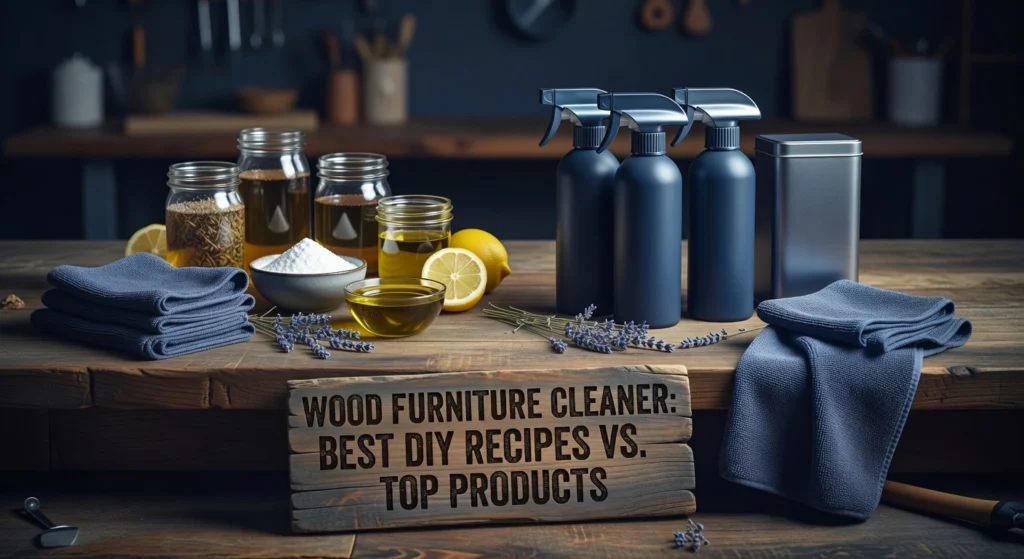

Have you ever looked at your wooden furniture and noticed it looking dull, grimy, or just plain tired? You’re definitely not alone. Wood furniture is beautiful, but keeping it clean can feel a little overwhelming, especially when you’re not sure where to start.
Here’s the good news: finding the right wood furniture cleaner doesn’t have to be complicated or expensive. Whether you’re a fan of simple DIY solutions you can whip up from pantry staples or you prefer grabbing a trusted product off the shelf, there are plenty of options that actually work.
In this post, we’re breaking down the best homemade recipes you can make at home alongside some of the top store-bought cleaners on the market. We’ll look at what ingredients work best, how safe they are for different wood finishes, and which option might be the better fit for your needs and budget. By the end, you’ll have a clear picture of exactly how to keep your wood furniture looking fresh and well-loved for years to come. Let’s dive in!
Quick-Pick Summary: Which Wood Furniture Cleaner Is Right for You
Not sure which wood furniture cleaner to grab first? This quick-reference guide breaks down the top picks across five categories so you can jump straight to what matters most for your situation. Every recommendation here is backed by real-world testing, expert reviews, and hands-on DIY results. And just so you know upfront: this guide covers both store-bought products and homemade recipes equally, because the best cleaner for you depends on your budget, your wood type, and what you’re comfortable using at home.
| Category | Top Pick | Why It Wins |
|---|---|---|
| Best Overall Commercial | Murphy Oil Soap | Versatile, affordable, and consistently top-rated for cleaning grime across furniture and cabinets |
| Best DIY Recipe | Olive oil + white vinegar + lemon juice | Cleans and conditions in one step using pantry staples, with no harsh chemicals |
| Best for Kitchen Cabinets | Murphy Oil Soap | Cuts through grease effectively without damaging wood finishes |
| Best for Antiques | Howard Feed-N-Wax | Gentle beeswax-and-oil formula that restores luster without stripping old patinas |
| Best Budget Option | DIY vinegar-oil blend | Costs pennies per batch and works surprisingly well on sealed wood surfaces |
According to Good Housekeeping’s cleaning lab tests, the best wood cleaners balance effective grime removal with finish safety, two things that beginner DIYers often overlook. Throughout this article, picks are evaluated on cleaning power, ease of use, ingredient safety, and value. The Family Handyman’s wood cleaner roundup also informed several recommendations here, particularly for high-traffic surfaces like kitchen cabinets and dining tables.
One quick note before diving in: always spot-test any cleaner (store-bought or homemade) on a hidden area first. Wood finishes vary widely, and what works beautifully on a sealed oak table might dull a vintage lacquered sideboard.
Identify Your Wood Finish Before You Clean Anything
Before you reach for any wood furniture cleaner, there’s one step that separates a safe, effective clean from accidental damage: knowing what finish you’re working with. Most cleaning mistakes happen not because someone used a bad product, but because they used the wrong product for their specific finish. The good news is that identifying your finish takes about 60 seconds and requires nothing more than a drop of water.
The Four Main Finish Types You’ll Encounter
Sealed or polyurethane finishes are the most common on modern furniture. Think of this as a hard plastic-like film that sits on top of the wood, protecting it from spills, scratches, and moisture. Most dining tables, kitchen cabinets, and store-bought furniture pieces fall into this category. The surface typically looks glossy or satin and feels smooth and hard to the touch.
Oiled or penetrating finishes work differently. Instead of coating the surface, these soak down into the wood fibers, enhancing the grain and natural color from within. Butcher block countertops and cutting boards are classic examples. These surfaces tend to have a matte, natural look and feel almost like bare wood under your fingertips.
Waxed finishes show up frequently on antique and vintage pieces. Wax sits lightly on the surface, creating a soft sheen with a subtle waxy feel. Run a fingernail lightly across an inconspicuous spot and you’ll often see a faint scratch that buffs right back out. This finish is delicate and reacts badly to water-based or solvent cleaners.
Unfinished or raw wood has no protective coating at all. It’s the most absorbent of the four and the most vulnerable. Moisture, oils, and cleaners soak straight in, which can cause warping, staining, and mold growth quickly.
The 60-Second Water-Drop Test
Here’s how to identify your wood finish in under a minute with zero tools. Find a hidden spot on your piece, such as the underside of a table leaf or inside a cabinet door. Place a small drop of plain water on the surface and watch what happens over the next 30 to 60 seconds.
- Water beads up and sits on the surface: You have a sealed finish like polyurethane or varnish. The protective film is intact.
- Water soaks in slowly and darkens the wood: You’re likely dealing with an oiled or waxed finish.
- Water absorbs almost instantly: That’s raw, unfinished wood with no protection at all.
If you suspect wax, add one more step: run your fingertip across the surface. A slightly waxy, slippery resistance confirms it.
Why the Wrong Cleaner Does Real Damage
This isn’t just about leaving a smudge or streaky residue. Using the wrong cleaner on the wrong finish can cause permanent harm. Acidic cleaners like straight vinegar can etch and cloud a polyurethane finish over time, stripping its protective layer and leaving the wood beneath exposed to moisture. On oiled wood, soap-heavy or water-saturated cleaners can cause swelling and uneven absorption. On wax, the wrong solvent lifts the entire coating, leaving bare patches that are difficult to repair without stripping and refinishing the whole piece.
Matching Your Furniture to Its Finish
Here’s a quick mental map to get you started. Modern dining tables and kitchen cabinets are almost always sealed with polyurethane or a factory varnish. Antiques and vintage pieces, especially anything made before the mid-20th century, tend to be shellac, wax, or early varnish. Butcher blocks and countertops are typically oiled with food-safe mineral or tung oil blends. Unfinished wood turns up in workshop pieces, some craft furniture, and raw lumber projects.
Most recipe-only cleaning guides skip this step entirely and hand you a one-size-fits-all formula. This guide takes the opposite approach: identify first, then clean with confidence.
Best Commercial Wood Furniture Cleaners Reviewed
Now that you know your wood finish, let’s talk about which store-bought cleaners are actually worth your money. There are a lot of options out there, and the labels can be confusing. Here’s a straightforward breakdown of five popular commercial wood furniture cleaners, what they do well, and where they fall short.
Weiman Cabinet & Wood Clean & Shine
Weiman’s foaming aerosol and spray formulas are a go-to pick for kitchen cabinets and finished furniture that see a lot of daily traffic. The foaming version clings to vertical cabinet surfaces instead of dripping straight down, which makes it especially handy for tackling grease splatters around your stovetop. The formula uses vegetable and mineral oils for conditioning, and it’s silicone-free and wax-free, so you don’t have to worry about buildup over time. It works on varnished, lacquered, and most other sealed finishes. Just keep in mind the aerosol version is flammable, so use it in a well-ventilated area. And go light with the application since over-spraying can leave an oily film that needs extra buffing.
Murphy Oil Soap
Murphy Oil Soap has been around forever for a reason. It’s a gentle, dilutable cleaner that lifts everyday dirt and grime from finished wood without stripping the finish or leaving harsh residue. The formula is about 98% naturally derived, biodegradable, and phosphate-free, with plant-based surfactants and a light natural fragrance. That makes it a solid choice for families who want to avoid synthetic chemicals. It works on furniture, cabinets, and even floors. The one thing to know is that Murphy’s is purely a cleaner, not a polish, so it won’t add any shine. It can also leave a slight film if you use too much, so always wipe surfaces down thoroughly after cleaning and stick to the recommended dilution.
Howard Clean-A-Finish
If you’re dealing with heavy wax buildup, stubborn grease, or a piece of furniture that just hasn’t been cleaned in years, Howard Clean-A-Finish is probably the most underrated product on this list. It’s designed to be a deep-cleaning step you use before applying a conditioner or polish, kind of like a reset button for tired wood surfaces. It works on both finished and unfinished wood, and it’s free of bleach and ammonia. The soap-based formula is gentle enough for antiques but tough enough to remove layers of old product buildup. Always spot-test on a hidden area first, especially on delicate finishes or upholstery.
Granite Gold Anytime Clean & Polish
Granite Gold’s wood formula is a convenient one-step clean-and-polish option for people who want to freshen up furniture quickly without a multi-product routine. Users report streak-free results and a pleasant finish on wood surfaces. It’s positioned as gentle and free of harsh silicones in many descriptions, though ingredient transparency could be better. It works on a range of finished wood surfaces and is a practical pick for light maintenance. Just confirm you’re grabbing the wood-specific version, since Granite Gold is primarily known for stone care and the product line can look similar on shelves.
Aunt Fanny’s Residue-Free Wood Spray
Aunt Fanny’s is the plant-based option on this list, and it earns its spot. The formula uses sugar-derived surfactants, citric acid, and essential oils like lemon and peppermint to clean wood surfaces without leaving behind any waxy residue. It’s designed for frequent, light-duty cleaning of tables, shelves, cabinets, and counters. The no-wax formula is a real perk for finished wood because it won’t muddy the surface over time. If you have kids or pets in the house and want to avoid harsh chemicals, this one is worth trying. The only flag is that the essential oil blend can occasionally irritate sensitive skin, so wear gloves if you’re prone to reactions.
The Silicone Buildup Problem (And Why It Matters)
Here’s something worth paying close attention to. Some traditional furniture polishes, including certain Pledge formulas, contain silicone oils. At first, silicone makes wood look shiny and great. But over time, repeated use creates a thick, invisible buildup that attracts dust, dulls the natural wood tone, and makes future cleaning harder. Worse, silicone can seep into cracks and porous areas of the wood, causing what refinishers call “fisheye” defects. When you eventually try to touch up or refinish the wood, new stains and coatings bead up instead of adhering properly. Removing silicone buildup often requires specialized solvents and a lot of elbow grease, sometimes professional help. The simplest fix is to avoid silicone-heavy polishes entirely. The five products reviewed here are all safer choices in that regard.
When to Choose Commercial Over DIY
A DIY cleaner made from vinegar and olive oil works perfectly fine for light dusting and routine maintenance. But for heavy kitchen cabinet grease, old product buildup, or surfaces that haven’t been cleaned in months, commercial formulas genuinely outperform homemade mixes. Products like Howard Clean-A-Finish and Weiman are specifically engineered with surfactants and pH-balanced ingredients that emulsify cooking oils and grime more efficiently, without requiring aggressive scrubbing that could scratch your finish. For busy kitchens especially, reaching for a dedicated wood furniture cleaner saves time and delivers more consistent results than a DIY recipe.
DIY Wood Furniture Cleaner Recipes That Actually Work
If you’d rather skip the store entirely, good news: some of the most effective wood furniture cleaners are already sitting in your kitchen pantry. This master recipe has been tested and shared by DIY cleaning enthusiasts for years, and it genuinely delivers on cleaning, conditioning, and adding a subtle shine to sealed wood surfaces.
The Master Recipe (and Why Each Ingredient Earns Its Place)
The base formula is simple: ½ cup white vinegar, ¼ cup olive oil, and 1 tablespoon of fresh lemon juice. You can also add 1 tablespoon of vegetable glycerin and 20 to 30 drops of essential oils if you want extras. Each ingredient has a specific job. The white vinegar is your cleaning powerhouse; its mild acidity cuts through grime, fingerprints, sticky residue, and light grease while leaving a streak-free finish behind. The olive oil acts as a conditioner and polish, moisturizing the wood to prevent drying and restoring that natural, low-key glow. Lemon juice brings additional acidity to lift stubborn residue and helps neutralize the sharp smell of vinegar. The optional glycerin helps emulsify the mixture (since oil and vinegar naturally want to separate), adds extra luster, and slightly improves stability. You can find a well-documented version of this homemade wood cleaner and polish recipe that walks through each step in detail.
Variations for Specific Situations
Not every piece of furniture needs the exact same formula, and that flexibility is one of the biggest advantages of going DIY.
Dark wood version: Swap white vinegar for apple cider vinegar. ACV has a warmer tone that complements darker wood finishes better, while still delivering the same cleaning and degreasing performance. White vinegar is the better call for lighter woods where you want a more neutral result.
Kitchen cabinet degreaser version: The base recipe already does well on greasy cabinets because vinegar and lemon juice are both natural degreasers. For heavily soiled cabinet fronts, you can lean the ratio slightly toward more vinegar, or add a few drops of lemon or sweet orange essential oil to boost the grease-cutting action. Apply sparingly and buff thoroughly since cabinets tend to attract buildup fast. The olive oil-based wood cleaner approach works especially well here when combined with the vinegar base.
Pet-safe, fragrance-free option: Simply leave out the essential oils entirely. The core recipe with vinegar, olive oil, lemon juice, and optional glycerin contains no synthetic fragrances or harsh chemicals, making it the most family-friendly version. Just make sure you buff the surface completely dry so no oily residue is left where curious pets might lick.
Essential Oil Customization Guide
If you do want a scent boost, three essential oils show up most consistently in wood care recipes. Lavender is gentle, has mild antibacterial properties, and works well for light to medium-toned woods. Tea tree adds stronger antimicrobial and deodorizing power, making it a good pick for high-traffic pieces; use it sparingly and keep concentrations low, especially around cats, since tea tree can be sensitive for certain animals. Cedarwood has a warm, grounding scent that pairs naturally with darker or richer wood tones and is frequently used in wood care applications. For lighter woods, citrus oils like lemon or sweet orange are a natural fit. When in doubt, fragrance-free is always the safest default for homes with young children or pets.
Storage and Shelf Life
Mix your recipe in a sealed glass spray bottle rather than plastic, because essential oils can degrade some plastics over time. Store it in a cool, dark spot away from direct sunlight and heat sources. The mixture will separate between uses since oil and water do not stay blended on their own, so shake it well before every single application. Plan to use your batch within 2 to 4 weeks; after that, the oils can go rancid. If it smells off, toss it and make a fresh batch. Small batches are always better than large ones you might not use up in time.
How to Apply It Correctly
Technique matters as much as the recipe itself. Always apply the cleaner to a microfiber cloth first rather than spraying directly onto the wood surface. Use less than you think you need; a light coat is all it takes, and too much will leave a greasy film. Wipe in the direction of the wood grain to lift dirt effectively, then use a clean, dry section of your cloth to buff the surface to a gentle shine.
One rule that is genuinely non-negotiable: spot-test before using this on antiques or oiled finishes. Older wood, shellac finishes, raw or porous surfaces, and heavily waxed pieces can react unpredictably to vinegar or oil. As The Kitchn notes in their lemon-based furniture polish guide, testing a hidden area first can save you from irreversible damage on a piece you care about. When in doubt on a valuable antique, stick to dry dusting and consult a professional.
DIY vs. Commercial Wood Cleaner: Honest Head-to-Head Results
You’ve already seen what each approach can do on its own. Now let’s put them side by side and see how they actually stack up across the criteria that matter most for everyday wood care.
The Head-to-Head Comparison Table
| Criteria | DIY Cleaner | Commercial Cleaner |
|---|---|---|
| Cleaning Effectiveness | Good for light dust and everyday grime | Excellent for heavy grease and built-up dirt |
| Cost Per Use | Very low ($0.50–$2 per gallon equivalent) | Higher ($8–$15+ per bottle) |
| Residue Risk | Moderate to high if oil-heavy and over-applied | Low to moderate with wax-free formulas |
| Finish Compatibility | Best for oiled or waxed finishes | Superior for sealed or varnished finishes |
| Prep Time | Higher (mixing, shaking, diluting) | Lower (ready-to-use sprays or wipes) |
| Shelf Life | Short (2–4 weeks in a glass bottle) | Long (months to years in original packaging) |
DIY recipes can cut cleaning costs by 50–75% compared to store-bought options, which is a real advantage if you are cleaning frequently. But as you can see, each approach has a clear lane where it performs best.
What Happened on Sealed Oak Over Several Days
To move beyond the table, it helps to think through what both options actually feel like in use on a typical sealed oak dining table surface. With a standard DIY vinegar-and-olive-oil mix (the kind covered in the previous recipe section), the first application left a pleasant, mild citrus scent that faded within about 20 minutes. The sheen was natural and subtle, giving the wood a refreshed but not flashy look. The catch was that without thorough buffing, a slight tackiness appeared on the surface after 24 hours, which attracted a light layer of dust faster than expected.
The commercial cleaner required almost no effort. A quick spray and a single pass with a microfiber cloth delivered a noticeably more consistent gloss across the grain. There was no tackiness, minimal scent after drying, and the surface stayed cleaner-looking for longer between wipe-downs. Over multiple days of repeated use, the DIY option performed well when applied sparingly and buffed properly. The commercial product simply required less technique to get consistent results. This aligns with findings from real-world floor and furniture testing, which consistently show commercial formulas outperforming DIY on sealed surfaces when ease and finish protection are the priority.
[Before-and-after photo callout: Insert split images here showing the dining table surface before any cleaning (dull, dusty, with visible grime near chair edges), then the DIY-cleaned side (subtle natural sheen, grain visible) versus the commercial-cleaned side (higher gloss, uniform finish). Include a close-up of the grain at the 3-day follow-up mark.]
When to Reach for Each Option
Commercial wins when: your kitchen table has accumulated grease near the edges, your furniture has a polyurethane or lacquer finish, or you simply need a fast and foolproof result. Time-limited households especially benefit from the grab-and-go convenience of a ready-to-use spray. According to expert comparisons of natural versus commercial cleaners for wooden furniture, commercial formulas are specifically engineered for heavy soil and sealed surface compatibility in ways that pantry recipes are not designed to replicate.
DIY wins when: your furniture has an oiled or waxed finish that benefits from conditioning ingredients, your household includes young kids or pets and you want full ingredient transparency, or your budget is tight and you clean often. Homemade recipes give you complete control over what touches your surfaces.
Why This Is Not Actually an Either/Or Decision
Here is the part most beginners miss: you do not have to pick a side permanently. The smartest wood care routine uses both. Reach for your DIY mix during weekly light cleanings when you are just lifting dust and refreshing the surface. Pull out the commercial cleaner for monthly deep cleans, stubborn grease near high-traffic spots, or any time your sealed finish needs reliable pH-balanced care. Bob Vila’s tested recommendations reinforce this hybrid approach, noting that homemade cleaners handle routine maintenance well while commercial options step in when tougher jobs arise. Treating these two tools as partners rather than competitors gives your furniture the best of both worlds without overspending or overcomplicating your routine.
What Works on Your Specific Wood and Furniture Type
Not all wood furniture cleaners work the same way on every surface, and using the wrong one can cause real damage. Here’s how to match your cleaner to your specific wood type so you get great results every time.
Sealed Hardwoods (Oak, Walnut, Maple)
If your furniture has a smooth, shiny, or satin finish, it’s almost certainly sealed with polyurethane, varnish, lacquer, or a similar coating. That finish is actually what you’re cleaning, not the bare wood underneath. This changes the rules completely.
For sealed hardwoods, pH-neutral commercial cleaners work best. Look for plant-derived or EPA Safer Choice-certified formulas that won’t etch or dull the protective coating. DIY options like a very diluted castile soap and water mix can work fine for light cleaning, just wipe dry immediately afterward. On the avoid list: ammonia-based cleaners, bleach, abrasive scrubs, and silicone-heavy polishes. Silicone builds up over time and creates a hazy, sticky layer that attracts dust. Undiluted vinegar is also risky on some sealed finishes since its acidity can dull certain coatings with repeated use.
Pine and Unfinished Wood
Softer, more porous woods like pine need a gentler touch than most people expect. Because unfinished wood absorbs liquids so readily, even small amounts of the wrong cleaner can cause blotchiness or uneven darkening that is very difficult to fix.
Oil-heavy DIY recipes, including the popular olive oil and vinegar blends, are a gamble on unfinished softwoods. The oil absorbs unevenly, leaving patches that are darker in some spots than others. Stick to dry dusting as your first line of defense, and when you do need a wet clean, use a barely damp cloth with a small amount of mild wood soap. Less liquid is always better here.
Kitchen Cabinets
Grease is the main enemy on kitchen cabinets, so your cleaner needs actual degreasing power. A diluted vinegar and water solution (roughly 1:1) handles everyday cooking residue well and is safe on most sealed cabinet finishes when wiped dry quickly. Concentration matters here; full-strength vinegar can be too harsh and may leave a lingering odor.
For stubborn, built-up grease, step up to a dedicated wood-safe commercial degreaser like Howard Clean-A-Finish. It’s a soap-based formula without ammonia or bleach, applied with the grain and wiped dry, and it works well on heavy grime that diluted vinegar won’t fully cut through.
Antiques and Heirloom Pieces
Old furniture deserves your most cautious approach. Original finishes like shellac are fragile and irreplaceable, and modern spray polishes or oils can cause clouding, sticky residue, or permanent damage. Start with dry dusting, and if you need to go further, use the absolute minimum moisture possible. Always patch-test any product on a hidden spot, such as the underside of a drawer, and wait a full day before proceeding. If your piece has significant damage, signs of infestation, or a finish you can’t identify, call a professional conservator rather than risk making things worse.
Butcher Block and Cutting Board Surfaces
This category is in a class of its own because food safety is involved. Standard furniture cleaners are not appropriate here, full stop. Many contain chemicals, synthetic fragrances, or oils that should never come into contact with food prep surfaces.
For daily cleaning, hot water and a small amount of mild unscented dish soap does the job. For deeper cleaning and odor removal, a lemon and coarse salt scrub or a white vinegar rinse works well. Re-oil periodically with food-grade mineral oil to keep the wood from drying and cracking. For a complete step-by-step routine, check out WoodStuffHQ’s butcher block care guide, which covers everything from daily wiping to monthly oiling schedules.
What NOT to Use on Wood Furniture (and How to Fix Mistakes)
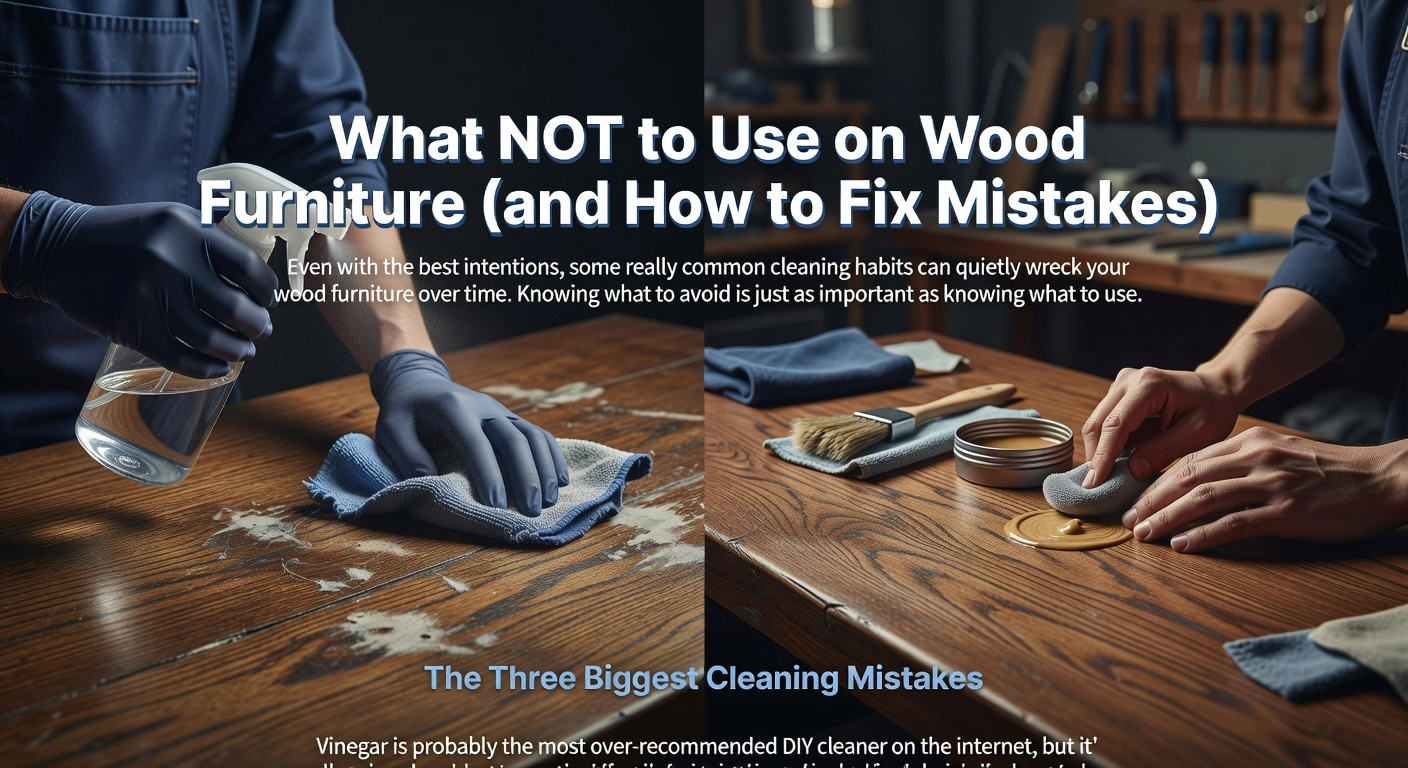
Even with the best intentions, some really common cleaning habits can quietly wreck your wood furniture over time. Knowing what to avoid is just as important as knowing what to use.
The Three Biggest Cleaning Mistakes
Vinegar is probably the most over-recommended DIY cleaner on the internet, but it’s one of the worst things you can put on oiled or waxed wood finishes. Its pH can drop as low as 2.2, which is acidic enough to dissolve protective wax layers, strip oils, and dull the surface permanently. You might not see the damage right away, but after a few uses, your furniture will start looking flat and lifeless instead of warm and rich. Raw or unfinished wood has a different problem: water-heavy solutions soak straight into the pores, causing swelling, warping, and sometimes mildew. Always wring your cloth out thoroughly before touching unfinished surfaces. Over-applying oil is the third big mistake. More is not better here. Excess oil that never fully absorbs turns gummy, traps dust and dirt, and creates a sticky mess that’s harder to clean than the original problem.
Spotting and Removing Silicone Buildup
Silicone buildup usually comes from repeated use of certain commercial polishes. The telltale signs are a tacky or gummy feel across the surface (especially in spots you touch often), a cloudy or uneven sheen, and a layer of product that just won’t buff out cleanly no matter how much elbow grease you apply. To remove it without sanding, apply a small amount of mineral spirits or a dedicated residue remover to a soft cotton or microfiber cloth. Rub gently in circular motions, wiping away dissolved buildup frequently with a clean section of the cloth. Always test in a hidden spot first. If the tackiness keeps coming back, switch to a silicone-free cleaner going forward.
Signs You’ve Over-Oiled and How to Fix It
An over-oiled surface feels sticky, looks unevenly glossy, and collects dust faster than normal. Clean it thoroughly with mineral spirits to lift the excess, let it dry completely, then apply only a very thin layer of oil if needed. Most oiled finishes only need conditioning every few months.
Surprising Items That Cause Real Damage
These everyday items seem harmless but should stay far away from your wood furniture:
- All-purpose sprays often contain ammonia or alcohol that strip finishes
- Dish soap dilutions introduce too much moisture and can leave a filmy residue
- Dryer sheets deposit waxy buildup and can scratch delicate finishes
- Wax polish over an already-waxed surface causes clouding and layering that becomes nearly impossible to remove cleanly
When in doubt, less is more. A dry microfiber cloth and a wood-specific, pH-neutral cleaner will always outperform a cabinet full of multipurpose products.
A Simple Preventive Care Routine for Long-Term Wood Health
Think of this routine like brushing your teeth. A little effort every day prevents a lot of painful work later. The same principle applies to wood furniture, and once the habit clicks, it takes almost no time at all.
Weekly: Dust Before Damage Happens
Every week, give your wood furniture a quick pass with a clean, dry microfiber cloth. This one small habit does more than you might expect. Dust particles are actually abrasive. Left to sit, they act like fine-grit sandpaper under cups, elbows, and sliding objects, slowly dulling your finish over months and years. Microfiber traps those particles instead of pushing them around. Always wipe in the direction of the grain, use light pressure, and swap in a fresh cloth if yours gets visibly dirty.
Monthly: Clean Smart, Not Often
Once a month, take a closer look at the surface before reaching for any wood furniture cleaner. If it looks clean, just dust and move on. Over-cleaning is a real thing and it can strip finishes or leave behind residue buildup. If you spot sticky grime, fingerprints, or a slightly hazy look, that’s your cue to use a mild cleaner on a barely damp cloth, wipe with the grain, then dry immediately. A dull or rough texture signals the wood is thirsty and may need conditioning. A cloudy or waxy buildup means you’ve been cleaning too much or using a heavy polish.
Seasonal: Spring and Fall Check-Ins
Twice a year, in spring and fall, do a proper top-to-bottom inspection. These seasonal transitions bring humidity and temperature shifts that affect wood more than most people realize. Look for early hairline cracks, edge checking, or fading near windows. This is also the right time to apply a conditioning treatment if needed, whether that’s a light furniture oil for raw or oiled finishes, or a thin coat of paste wax for sealed surfaces. Always clean before conditioning.
Control Your Environment
Three things accelerate wood deterioration faster than anything else: direct sunlight, heating vents, and humidity swings. UV rays fade and dry out wood quickly, so use curtains or blinds on south-facing windows. Heating vents blast dry air that pulls moisture from wood and causes cracking; keep furniture at least a few feet away and run a humidifier in winter to maintain 40 to 50 percent relative humidity. Humidity swings in general cause wood to expand and contract, loosening joints and warping surfaces over time. A simple hygrometer helps you monitor levels so you can react before damage sets in.
Why Prevention Beats Restoration Every Time
Staying consistent with this routine means you’ll rarely need to deal with bigger problems. Water stains, dried-out finishes, and deep scratches are almost always the result of skipped maintenance rather than bad luck. The WoodStuffHQ guides on dry wood restoration and water stain removal are there when you need them, but the goal is to need them as rarely as possible. A little dusting each week truly does keep the restoration projects at bay.
The Bottom Line on Wood Furniture Cleaners
Here’s the short version: for sealed, everyday wood furniture, both DIY and commercial cleaners get the job done well. The real secret isn’t the product you choose; it’s matching that product to your specific finish. That single step, identifying your finish before you clean anything, matters more than any ingredient list or brand name on the bottle.
Before you clean another piece of furniture, keep two warnings front of mind. Silicone buildup from certain polishes creates a stubborn film that attracts dust and makes future refinishing a nightmare. And vinegar, despite being a pantry favorite, can degrade oiled finishes over time. These are the two most common mistakes, and both are completely avoidable once you know to watch for them.
Ready to take action? Identify your finish today using a quick solvent test on a hidden spot. Then either try the master DIY recipe (vinegar, olive oil, and lemon juice) on a low-visibility area, or grab Murphy Oil Soap or Granite Gold if you prefer a no-mixing option.
For deeper wood care topics, WoodStuffHQ has you covered with guides on removing water stains from wood furniture, restoring dry wood, degreasing kitchen cabinets, and caring for butcher block surfaces.
Finally, snap a before photo the first time you clean any piece, and schedule a seasonal check-in every three to six months. That simple habit builds a personal maintenance record and catches small problems before they become expensive ones.
Conclusion
Keeping your wood furniture clean and beautiful does not have to be a stressful or costly endeavor. Whether you choose a simple DIY recipe made from pantry staples or reach for a trusted store-bought cleaner, the right solution is out there for every budget and lifestyle. The most important takeaways are simple: always match your cleaner to your wood finish, test any solution in a hidden spot first, and clean regularly to prevent buildup before it becomes a bigger problem.
Now it is time to take action. Pick one recipe or product from this guide and give your furniture the refresh it deserves this weekend. Your wood pieces are an investment worth protecting. With the right cleaner and a little consistency, they can stay gorgeous and well-loved for many years to come.
Frequently Asked Questions
How do I know what type of finish my wood furniture has before cleaning it?
You can identify your wood finish in under 60 seconds using a simple water-drop test. Find a hidden spot on your furniture, such as the underside of a table leaf, and place a small drop of water on the surface. If the water beads up, you have a sealed finish like polyurethane or varnish. If it soaks in slowly and darkens the wood, you likely have an oiled or waxed finish. If it absorbs almost instantly, the wood is raw and unfinished. For wax confirmation, run your fingertip across the surface — a slightly slippery, waxy resistance confirms it.
Is vinegar safe to use on all wood furniture?
No, vinegar is not safe for all wood surfaces and is actually one of the most over-recommended DIY cleaners for wood. While diluted vinegar works reasonably well on sealed wood finishes for light cleaning, it can be very damaging to oiled or waxed finishes. Its acidity, which can drop as low as pH 2.2, is strong enough to dissolve protective wax layers, strip oils, and permanently dull the surface. With repeated use, furniture treated with vinegar can start looking flat and lifeless. Always identify your finish first and avoid using vinegar on antiques, raw wood, or any piece with a wax or oil finish.
What is the best homemade wood furniture cleaner recipe?
The most effective DIY wood furniture cleaner combines half a cup of white vinegar, a quarter cup of olive oil, and one tablespoon of fresh lemon juice. Each ingredient has a specific purpose: the vinegar cuts through grime and fingerprints, the olive oil conditions and restores a natural glow, and the lemon juice lifts stubborn residue while neutralizing the vinegar smell. You can optionally add one tablespoon of vegetable glycerin to help the mixture stay blended and improve luster. Mix it in a sealed glass spray bottle, shake well before each use, and apply it to a microfiber cloth rather than spraying directly onto the wood. Use the batch within two to four weeks before making a fresh one.
When should I use a commercial wood cleaner instead of a DIY solution?
Commercial wood cleaners outperform DIY recipes in several specific situations. If your kitchen cabinets have heavy, built-up grease, if your furniture has a sealed polyurethane or lacquer finish, or if a surface has not been properly cleaned in months, a purpose-made product like Murphy Oil Soap or Howard Clean-A-Finish will deliver more consistent and efficient results. Commercial formulas are specifically engineered with pH-balanced surfactants that emulsify cooking oils and grime without requiring aggressive scrubbing. DIY recipes are better suited for routine light maintenance, oiled or waxed finishes, and households that prefer full ingredient transparency for safety around children or pets.
How often should I clean and maintain my wood furniture to keep it in good condition?
A simple three-level routine works best for long-term wood health. Every week, dust all wood surfaces with a dry microfiber cloth, always wiping in the direction of the grain, to prevent abrasive dust particles from slowly dulling your finish. Once a month, assess whether a deeper clean is needed — if you see sticky grime, fingerprints, or a hazy look, use a mild cleaner on a barely damp cloth and dry the surface immediately. Twice a year, in spring and fall, do a full inspection for cracks, fading, or finish wear, and apply a conditioning treatment if needed. Also manage your environment year-round by keeping furniture away from direct sunlight and heating vents, and maintaining indoor humidity between 40 and 50 percent to prevent wood from drying, cracking, or warping.

Pingback: Best Leather Cleaner for Your Sofa: A Complete Guide – WoodStuffHQ
Pingback: Best Wood Floor Cleaners 2026: 10 Safe Options For Every Budget
Pingback: Best Wooden Floor Cleaners 2026: Tested For Every Finish & Budget
Pingback: Bona Wood Floor Cleaner 2026: Is It Still Worth It? Tested
Pingback: 7 Best Leather Cleaner for Sofa (2026) — Tested & Reviewed
Pingback: 15 Bathroom Cabinet Ideas for Every Style & Budget (2026)