You just installed beautiful hardwood floors, or maybe you’ve had them for years and you’re finally ready to start taking better care of them. Either way, you’ve probably heard the name Bona thrown around more than once. But with so many floor cleaning products lining the shelves these days, is bona wood floor cleaner still the go-to choice, or have newer options taken the crown?
In this post, we’re going to break it all down for you in plain, simple terms. No confusing jargon, no overwhelming technical details. Just an honest look at how Bona stacks up against some of its biggest competitors in 2026. We’ll cover what makes it stand out, where it might fall short, and whether it’s actually worth your money compared to other popular options on the market.
Whether you’re a first-time homeowner trying to figure out the best way to protect your floors or just someone who wants a cleaner that actually works, this comparison has got you covered. Let’s dive in and help you make the best choice for your home.
What Makes Bona Wood Floor Cleaner Stand Out From Other Floor Cleaners
If you’ve ever grabbed a random bottle of all-purpose cleaner and mopped your hardwood floors with it, you’re not alone. But here’s the thing: most general cleaners weren’t built with wood floors in mind, and that’s exactly where Bona earns its reputation.
Bona’s hardwood floor cleaner uses a pH-neutral, water-based formula that’s specifically engineered for sealed and polyurethane-finished hardwood floors. That matters because the overwhelming majority of residential hardwood floors have a polyurethane finish, so this product was essentially built for your home. It’s not a one-size-fits-all cleaner trying to work on tile, laminate, and wood simultaneously.
So what does “pH-neutral” actually mean for you? Think of pH like a scale from very acidic on one end to very alkaline on the other. A neutral pH sits right in the middle, similar to plain water. Cleaners that are too acidic, like vinegar-based solutions, can slowly dull and etch your floor’s protective finish over repeated use. Alkaline cleaners can strip that same coating and cause discoloration or cloudiness. A pH-neutral formula does neither; it cleans effectively without quietly damaging the finish that protects your wood underneath.
Another big reason Bona stands out is its safety certifications. Many Bona hardwood cleaners carry both EPA Safer Choice certification and GREENGUARD Gold certification. The EPA Safer Choice label means the ingredients have been reviewed for human and environmental health risks. GREENGUARD Gold goes a step further by verifying low chemical emissions, which directly supports healthier indoor air quality. If you have young kids crawling around or pets that spend time on the floor, these certifications genuinely matter.
The results back up the claims, too. Bona markets its cleaner as residue-free and streak-free, and over 5,800 verified buyers on the official Bona site seem to agree, giving it an average rating of 4.3 out of 5 stars. Reviewers consistently highlight that floors dry without any sticky film or hazy buildup.
On the product side, Bona keeps things flexible. You can start with the 32 oz ready-to-use spray bottle for everyday spot cleaning, then step up to large-format refills up to 128 oz once you’re a convert. There are also deep-clean options available for heavier grime days. You can find the full lineup at Home Depot, Walmart, Amazon, and Lowe’s, making it easy to grab whatever size fits your routine and budget.
Bona Wood Floor Cleaner vs. the Competition at a Glance
So how does Bona actually stack up when you put it side by side with the other options on the shelf? Let’s break it down in plain terms.
| Product | Cleaning Performance | Finish Compatibility | Safety Certs | Cost Per Use | Eco Credentials | Ease of Use |
|---|---|---|---|---|---|---|
| Bona | Excellent | Excellent | Greenguard Gold, EPA Safer Choice | ~$0.10–0.25 | Strong | Excellent |
| Zep | Good | Good | Limited | Lowest paid option | Moderate | Good |
| Method Squirt + Mop | Good | Good | EPA Safer Choice | Moderate | Excellent | Excellent |
| Murphy Oil Soap | Good | Fair | Biodegradable | Low (concentrate) | Good | Good |
| DIY Vinegar + Dawn | Good | Fair | None (unverified) | Pennies per use | High | Excellent |
Here is something worth knowing before you decide: private label brands now hold roughly 28% of the hardwood floor cleaner market, which means store-brand alternatives are genuinely competitive products backed by real retail investment, not just cheap filler options sitting on a bottom shelf.
Bona holds about 15.8% market share, which is solid for a dedicated wood floor specialist. Interestingly, Swiffer WetJet leads the category at around 22%, but that lead comes mostly from the convenience of its all-in-one mop system rather than any wood-specific cleaning advantage.
The honest takeaway here is that no single product wins for every home. Your best pick depends on your floor finish, your budget, whether you have kids or pets, and how often you clean. The goal of this comparison is helping you match the right cleaner to your specific situation, not just crowning one winner for everyone.
Bona Wood Floor Cleaner: Performance, Cost, and Real User Feedback
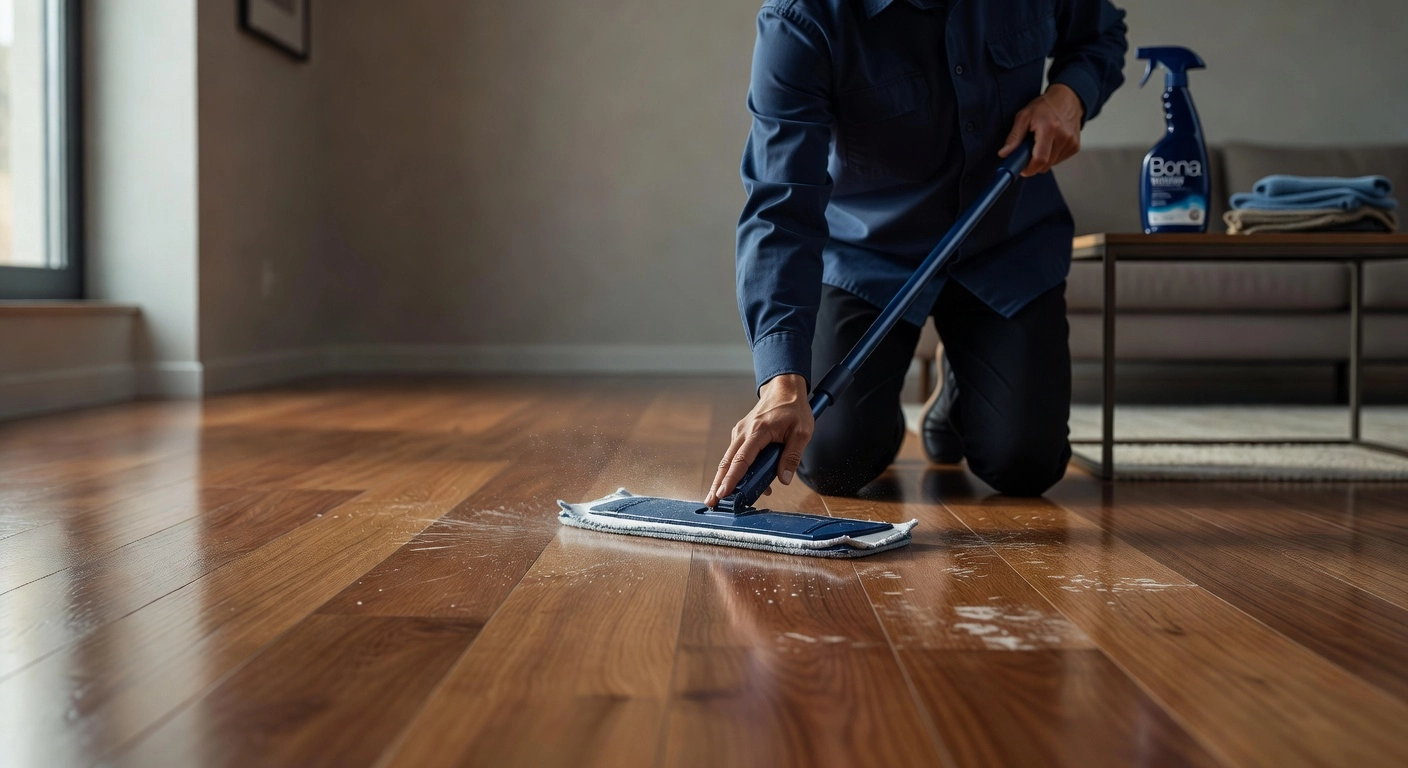
Using Bona correctly makes a bigger difference than most people realize. The process is simple: lightly mist the cleaner directly onto your floor or onto a dry microfiber mop pad, then work in small, manageable sections rather than soaking the entire room at once. One of the biggest perks is that there’s no rinsing required. The formula is designed to dry fast and leave zero residue behind, as long as you don’t go overboard with how much you spray. Think of it like seasoning food: a little goes a long way, and more isn’t better. Following Bona’s official usage guidance keeps the process quick, streak-free, and safe for your finish.
The Cost Comparison: 32 oz Spray vs. 128 oz Refill
If you’ve only ever bought the 32 oz spray bottle, you might be leaving real money on the table. The 32 oz bottle typically runs around $8 to $12 and covers roughly 1,000 to 1,125 square feet per use. The 128 oz refill jug usually costs about $15 to $22 and covers closer to 4,000 to 4,500 square feet. When you do the math, buying the refill cuts your cost per square foot by roughly half compared to repeatedly purchasing the smaller bottle. For a homeowner cleaning 1,000 square feet weekly, that difference adds up quickly over a year. The Bona 32 oz hardwood floor cleaner is a great starting point to try the product, but switching to the refill as soon as you know you like it is one of the easiest DIY cost wins out there.
Let’s Talk About That Sticky Floor Problem
If you’ve scrolled through Reddit looking up Bona, you’ve probably seen complaints about sticky or tacky floors after mopping. This is worth addressing directly because it’s one of the most common concerns, and the fix is usually straightforward. In the vast majority of cases, stickiness comes from one of two things: using too much product, or mopping a floor that still has old wax, polish, or residue from a previous cleaner sitting on it. Bona is pH-neutral and residue-free when applied correctly to a properly prepared sealed floor. If your floor has layers of buildup from soap-based cleaners or wax products, Bona will interact with that residue rather than just cleaning the surface. The solution is to strip the old residue first, then use Bona sparingly going forward. As the folks at Cali Floors explain, less product and a clean starting surface are the two keys to getting great results.
Where Bona Doesn’t Belong
Bona Hardwood Floor Cleaner is built specifically for sealed, polyurethane-finished hardwood floors. It is not the right choice for oiled or wax-finished floors, unfinished wood, laminate without explicit manufacturer approval, or stone and tile surfaces. Using it on incompatible surfaces can dull the finish or cause performance issues. Bona does make separate formulas for laminate and stone, so it’s worth double-checking which product you’re grabbing off the shelf before you start mopping.
What the Experts and the Data Say
The numbers back up Bona’s reputation. The Spruce has consistently ranked it at or near the top for sealed hardwood floors, praising its stain removal and gentleness. Good Housekeeping also names it a top pick for everyday cleaning. On Bona’s own site, it holds a 4.3 out of 5 rating across more than 5,800 reviews, which is a solid signal of real-world satisfaction. Beyond brand-specific ratings, about 47% of consumers now actively look for pH-neutral formulas when shopping for wood floor cleaners, which reflects a broader shift toward products that clean effectively without risking damage or discoloration. Bona fits squarely into that preference.
Zep Hardwood Floor Cleaner: The Budget Pick That Punches Above Its Weight
If you’ve been browsing Reddit’s r/HardWoodFloors community looking for honest opinions on floor cleaners, you’ve almost certainly seen Zep come up. It’s easily the most talked-about budget alternative to Bona in those threads, and for good reason. Homeowners with busy entryways, kitchen floors, or pets consistently praise it for tackling heavier grime that gentler formulas sometimes struggle to cut through. It’s not a perfect substitute in every situation, but it earns its spot in the conversation.
The Price Difference Is Real
Let’s talk dollars, because this is where Zep genuinely shines. A 32 oz spray bottle typically runs around $5 to $7 at retail, and a 128 oz gallon refill usually lands between $10 and $14. Compare that to Bona, which according to detailed product comparisons often costs roughly twice as much ounce for ounce. If you’re cleaning a large open-plan living area or multiple rooms on a weekly basis, that price gap adds up fast. For budget-conscious homeowners, Zep’s gallon refill option is especially practical since it supports frequent cleaning without the recurring cost sting.
Where Zep Doesn’t Quite Match Up
Here’s the honest part: Zep doesn’t carry the same safety and environmental certifications that Bona has built its reputation on. Bona holds GREENGUARD Gold and EPA Safer Choice certifications, which matter if you have young kids or pets spending time on the floor. Zep is a near-neutral, no-rinse formula that works well on sealed surfaces, but it isn’t specifically formulated or certified for freshly refinished or more delicate floor finishes. It’s also not suitable for oiled, waxed, or unfinished floors, so knowing your floor type before you buy is essential.
Who Should Actually Use Zep
Zep is a genuinely solid choice for homeowners dealing with stubborn scuffs, tracked-in dirt, or grease buildup in high-traffic zones like mudrooms, kitchens, or hallways. Used sparingly with a microfiber mop, it dries quickly and leaves surfaces streak-free. The stronger cleaning action that some Bona users find missing is exactly what Zep delivers in those tougher spots.
That said, if your floors were recently refinished or you’re working with a matte or lighter finish, stick with Bona. Its gentler, certified formula is the safer, more conservative choice when protecting a fresh surface is the priority.
Method Squirt and Mop: The Eco-Friendly Challenger
If you care deeply about what goes into your cleaning products, Method’s Squirt and Mop is hard to ignore. It’s one of the fastest-growing challengers in the wood floor cleaner space right now, and for good reason. The eco-friendly cleaning products market is projected at around $14.3 billion in 2026, growing at roughly 10% annually, and Method has positioned itself squarely at the center of that wave. Consumers are increasingly demanding plant-based, biodegradable formulas, and Method speaks that language more loudly than most legacy brands.
Green Credentials That Go Beyond the Basics
What sets Method apart on the sustainability front is the full package. The formula is biodegradable, cruelty-free (tested on people, not animals), and the bottle is made from 100% post-consumer recycled plastic. The ingredient list leans heavily on plant-derived and mineral-origin components. Bona does hold EPA Safer Choice certification and offers GREENGUARD Gold-certified products, which are meaningful credentials. But Bona doesn’t emphasize plant-based sourcing or cruelty-free status as prominently, and that gap matters to eco-conscious buyers who want their values reflected in the full product story, not just the formula safety. According to floor cleaner market research, roughly 48 to 54% of consumers are actively shifting toward biodegradable and low-chemical options, so Method’s positioning isn’t a niche play anymore.
Performance, Scent, and Drying Time
On actual cleaning performance, both products handle sealed hardwood well for everyday dirt, dust, and light messes. You won’t notice a dramatic difference on a routine cleaning day. Where they diverge is scent and drying. Method comes in fragranced varieties like Almond, Lemon Ginger, and Spearmint Sage, which leave a noticeably fresh smell behind. Some people love that. Others, especially those with sensitivities, might prefer Bona’s minimal scent profile. Some users also report that Method feels slightly slower to dry compared to Bona, though this isn’t a widespread complaint and likely depends on how much product you apply.
Cost and Refill Flexibility
Upfront pricing is close. A 25 oz Method bottle typically runs $5 to $8, while Bona’s 32 oz spray sits in a similar range depending on where you shop. The real difference shows up over time. Bona offers 64 oz and 128 oz refill jugs plus concentrates, which significantly lower your cost-per-use if you’re cleaning frequently. Method focuses on the ready-to-use spray format with limited large-format options, making it slightly less economical for bigger households or high-traffic floors.
Bottom line: Method Squirt and Mop is a great fit for households where sustainability and plant-based ingredients are top priorities and where floors get light to moderate use between cleanings.
Murphy Oil Soap: The Classic That Works Best in Specific Situations
Murphy Oil Soap is one of those products almost everyone has heard of, and for good reason. It’s been around for over a century and has earned a loyal following for wood care. But here’s something that surprises a lot of buyers: Murphy and Bona are actually designed for completely different types of wood surfaces, so they aren’t really direct competitors in the way most people assume.
Murphy is a vegetable oil-based soap, and it works beautifully on raw, unfinished, or oil-finished wood surfaces. Think older furniture, natural-finish cabinets, or floors that have been treated with a penetrating oil rather than a surface coating. It cuts through grime, leaves a warm conditioned look, and is genuinely useful for the kind of traditional wood care content you’d find here on WoodStuffHQ. Bona, on the other hand, was built specifically for sealed, polyurethane-finished floors, which is actually the category Murphy struggles with most.
This is where a lot of homeowners make a costly mistake. Murphy Oil Soap can leave a residue buildup on polyurethane-finished floors over time. Since polyurethane is the most common finish in modern homes, grabbing Murphy as a general hardwood floor cleaner is a poor call for most people. The oil-and-soap formula doesn’t bond properly with sealed finishes, can gradually dull the surface, attract more dirt, and even interfere with adhesion if you ever need to recoat or refinish down the road. Flooring professionals consistently flag this issue, and this detailed comparison from Karen’s Green Cleaning explains exactly why finish type matters so much when choosing between the two.
The good news is that Murphy’s concentrated formula is affordable and goes a long way when diluted correctly, making it a solid budget option for the right jobs. It genuinely shines on kitchen cabinets, older wood furniture, and occasional deep cleaning of surfaces with natural or oil-based finishes. These are all areas where Bona wouldn’t even be the right product to reach for in the first place.
The bottom line: Use Murphy for specialty wood surfaces, natural finishes, and older furniture. For sealed polyurethane floors, stick with Bona or another pH-neutral cleaner from Bona’s lineup to protect your finish long-term. Matching the cleaner to your specific floor finish is the single most important decision you can make here, and it costs nothing to get right.
DIY Vinegar and Dish Soap Mix: When to Use It and When to Skip It
If you’ve spent any time in Reddit threads about floor cleaning, you’ve almost certainly seen someone swear by a homemade mix of white vinegar and a few drops of Dawn dish soap. It’s the most talked-about budget alternative to commercial cleaners like Bona, and the appeal makes total sense. You probably already have both ingredients in your kitchen, and the cost rounds down to basically nothing per use.
Here’s the honest truth though: the short-term savings can quietly set you up for a much bigger expense down the road.
The vinegar problem is real. White distilled vinegar has a pH of roughly 2.5 to 3.4, which makes it noticeably acidic. Polyurethane floor finishes, the protective coating on most modern hardwood floors, are engineered to work with pH-neutral cleaners sitting around pH 7. When you mop with an acidic solution repeatedly, you’re slowly etching and dulling that protective layer through chemical breakdown. The damage is cumulative and sneaky; your floor might look fine for months before you start noticing a hazy, cloudy appearance and a finish that scratches more easily. One flooring refinisher noted roughly a 22% drop in polyurethane integrity after just 12 weekly cleanings with a standard vinegar dilution. Most flooring manufacturers, including Bona, explicitly advise against vinegar for exactly this reason.
Dawn soap brings its own complication. In higher concentrations, dish soap leaves a thin soapy film on the floor surface. That residue actually attracts dust and dirt faster, meaning your freshly mopped floor gets grimy again more quickly than it should.
The one situation where a very diluted DIY mix gets a pass is a genuine emergency spot clean. If something spills and you have nothing else on hand, an extremely diluted solution, think one tablespoon of vinegar in two or more cups of water with barely a drop of soap, applied once with a nearly dry microfiber cloth and immediately buffed dry, is unlikely to cause serious harm on a well-sealed floor. The key words there are “once” and “extremely diluted.” It should never become your regular routine.
On the cost math, a 128 oz Bona refill jug runs around $20 and breaks down to roughly $0.15 to $0.20 per use when used as directed. When you weigh that against the potential cost of refinishing floors damaged by acidic cleaners, the DIY route stops looking like a bargain pretty quickly.
Which Floor Cleaner Should You Actually Buy
After walking through all these options, here is the short version for anyone who just wants a clear answer.
For most homes with sealed polyurethane hardwood floors, Bona wood floor cleaner is the right call. It earns its top spot through consistent real-world performance, EPA Safer Choice certification, and ratings that average 4.3 out of 5 stars across thousands of verified buyers. If you want to save money over time, skip the spray bottle and grab the refill format instead. You get the same pH-neutral, residue-free formula at a much lower cost per use.
If budget is your top priority and you have high-traffic areas like entryways or kitchen floors without young kids or pets around, Zep is worth a shot. It handles durable surfaces well and costs noticeably less, making it a practical option for households where you are mopping frequently and every dollar counts.
For eco-conscious buyers who want plant-based ingredients, Method Squirt and Mop delivers comparable everyday performance. It is not quite as strong on tough scuffs, but for regular maintenance cleaning it holds its own and aligns with values around sustainability and non-toxic formulas.
If you have oiled, unfinished, or natural wood finishes, including butcher block or wood furniture, skip the floor cleaners entirely. Murphy Oil Soap diluted properly, or a dedicated conditioning oil, is the better fit for those surfaces.
One thing to avoid: using vinegar regularly on polyurethane floors. The acidity gradually dulls the finish in ways that are hard to reverse without refinishing.
Finally, no matter which product you pick, always test it on a small hidden spot first. If you are switching from a different cleaner, residue buildup from the old product can cause streaking or cloudiness when a new formula hits it.
Fixing the Most Common Bona Complaints
Even when you use Bona correctly, a few common issues can pop up. The good news is that most of them have simple fixes.
Sticky or tacky floor is the most frequent complaint, and it almost always comes down to using too much product. Bona is designed to be applied lightly, so if you’re spraying generously, the excess cleaner sits on the surface instead of evaporating cleanly. The fix is straightforward: dampen a clean microfiber mop with plain water only and go over the floor again. That second pass lifts the leftover residue without adding anything new. Less really is more with this cleaner.
Streaks or a hazy film usually mean the previous cleaner you used left behind a wax or residue layer that Bona is now reacting with. Oil soaps are a common culprit here. Before your next cleaning session, use a dedicated hardwood floor residue remover or a floor refresher product to clear that buildup first, then switch to Bona going forward.
Dull-looking floors after cleaning are not actually a problem. Bona is intentionally formulated to clean without adding gloss. If you want more shine, apply a separate hardwood floor polish after cleaning.
If none of these fixes help and problems keep coming back, stop and check with your flooring manufacturer. Your floor may have a finish type that is not compatible with water-based cleaners, and continuing could cause damage.
The single best prevention tip is to always use a microfiber mop. Sponge mops and string mops hold too much water, and excess moisture is the leading cause of finish damage on hardwood floors.
The Bottom Line on Bona Wood Floor Cleaner and Your Hardwood Floors
Bona is still the safest default pick for most homeowners with sealed polyurethane hardwood floors in 2026. It holds a 4.3 out of 5 rating across more than 5,800 reviews, carries EPA Safer Choice certification, and you can grab it at Home Depot, Walmart, Amazon, or Lowe’s without any hunting around. If you want a cleaner that works reliably without risking your floor’s finish, Bona is the low-drama choice.
If you plan to stick with Bona long-term, skip the small spray bottles and go straight for the 128 oz refill format. You get the same formula at a much lower cost per use, less packaging waste, and you simply refill your existing bottle or mop cartridge. It is the smartest way to buy Bona if your floors are sealed and you clean regularly.
For eco-conscious shoppers, Method Squirt and Mop is a solid alternative worth considering. For heavier grime that Bona struggles with, Zep is a reasonable experiment before committing to a full switch.
Two things to avoid completely: Murphy Oil Soap on polyurethane-finished floors (it leaves residue that dulls your finish over time) and routine vinegar-based DIY mixes (the acidity gradually weakens the finish and can cause long-term discoloration).
Before buying anything, do a quick finish check. Drop a small amount of water on your floor. If it beads up, you have a sealed finish and Bona works great. If the water soaks in, you likely have an oiled floor, and you will need a completely different product category designed specifically for penetrating finishes.
Conclusion
After everything we’ve covered, a few things stand out clearly. Bona wood floor cleaner remains a trusted, reliable choice for hardwood floors in 2026. Its gentle, residue-free formula continues to protect finishes without causing damage over time. While newer competitors have entered the market with competitive pricing and interesting features, Bona still holds its own in terms of performance and safety for most floor types.
That said, your best choice ultimately depends on your specific floors, budget, and cleaning habits.
Ready to give your hardwood floors the care they deserve? Start by identifying your floor finish, then choose the cleaner that best matches your needs. Whether you go with Bona or explore an alternative, the most important step is simply getting started. Your floors are an investment worth protecting, so treat them that way.
Frequently Asked Questions
Is bona wood floor cleaner safe to use around kids and pets?
Yes, Bona is one of the safer choices for households with children and pets. It carries both EPA Safer Choice certification, meaning its ingredients have been reviewed for human and environmental health risks, and GREENGUARD Gold certification, which verifies low chemical emissions to support healthier indoor air quality. That said, always allow the floor to dry fully before letting kids or pets back on the surface.
Why are my hardwood floors sticky after using bona wood floor cleaner?
Sticky floors after using Bona almost always come down to using too much product. Bona is designed to be applied lightly, and excess cleaner sits on the surface rather than evaporating cleanly. The fix is simple: go over the floor with a clean microfiber mop dampened with plain water only to lift the leftover residue. Stickiness can also occur if your floor has old wax, polish, or residue from a previous soap-based cleaner. In that case, use a dedicated hardwood floor residue remover first, then switch to using Bona sparingly going forward.
Can I use Murphy Oil Soap on my polyurethane hardwood floors?
No, Murphy Oil Soap is not recommended for sealed polyurethane hardwood floors, which are the most common type in modern homes. Murphy is an oil-based soap best suited for raw, unfinished, or oil-finished wood surfaces like furniture or cabinets. On polyurethane floors, it can leave a residue buildup over time that dulls the surface, attracts more dirt, and can even interfere with adhesion if you ever need to refinish. For sealed polyurethane floors, stick with a pH-neutral cleaner like bona wood floor cleaner instead.
Is a DIY vinegar and dish soap mix a good alternative to bona wood floor cleaner for hardwood floors?
It should be avoided as a regular cleaning routine. White vinegar has a pH of roughly 2.5 to 3.4, which is acidic enough to slowly etch and dull the polyurethane finish on most hardwood floors over repeated use. The damage is cumulative and may not be obvious for months. Dish soap can also leave a thin film that attracts dirt faster. The only exception is a one-time emergency spot clean using an extremely diluted solution applied sparingly with a nearly dry microfiber cloth. For routine cleaning, a pH-neutral formula like Bona is far safer and costs only about $0.15 to $0.20 per use with the large refill format.
How do I know which floor cleaner is right for my specific hardwood floors?
The most important first step is identifying your floor finish. A simple water drop test can help: place a few drops of water on your floor and watch what happens. If the water beads up, you have a sealed finish, most likely polyurethane, and products like Bona or Zep are appropriate. If the water soaks into the wood, you likely have an oiled or unfinished floor, and you will need a product designed for penetrating finishes, such as diluted Murphy Oil Soap or a dedicated oil-finish cleaner. Always check with your flooring manufacturer if you are unsure, and test any new product on a small hidden area before cleaning the whole floor.
3 thoughts on “Bona Wood Floor Cleaner: Is It Still Worth It in 2026?”