

Your bedroom is more than just a place to sleep. It is a personal sanctuary, and the furniture you choose plays a massive role in how that space looks and feels every single day. If you are new to furnishing a bedroom and feeling overwhelmed by all the options available, you are in exactly the right place.
Wooden bedroom furniture has stood the test of time for good reason. It is durable, versatile, and brings a warmth to any room that other materials simply cannot match. But knowing where to start can feel like a challenge, especially when you are faced with countless styles, wood types, and individual pieces to consider.
This guide is designed with beginners in mind. We will walk you through every essential piece of bedroom furniture you need to know about, from the bed frame and nightstands to dressers, wardrobes, and beyond. By the end, you will have a clear understanding of what each piece offers and how to choose items that work beautifully together. Let’s build your dream bedroom, one piece at a time.
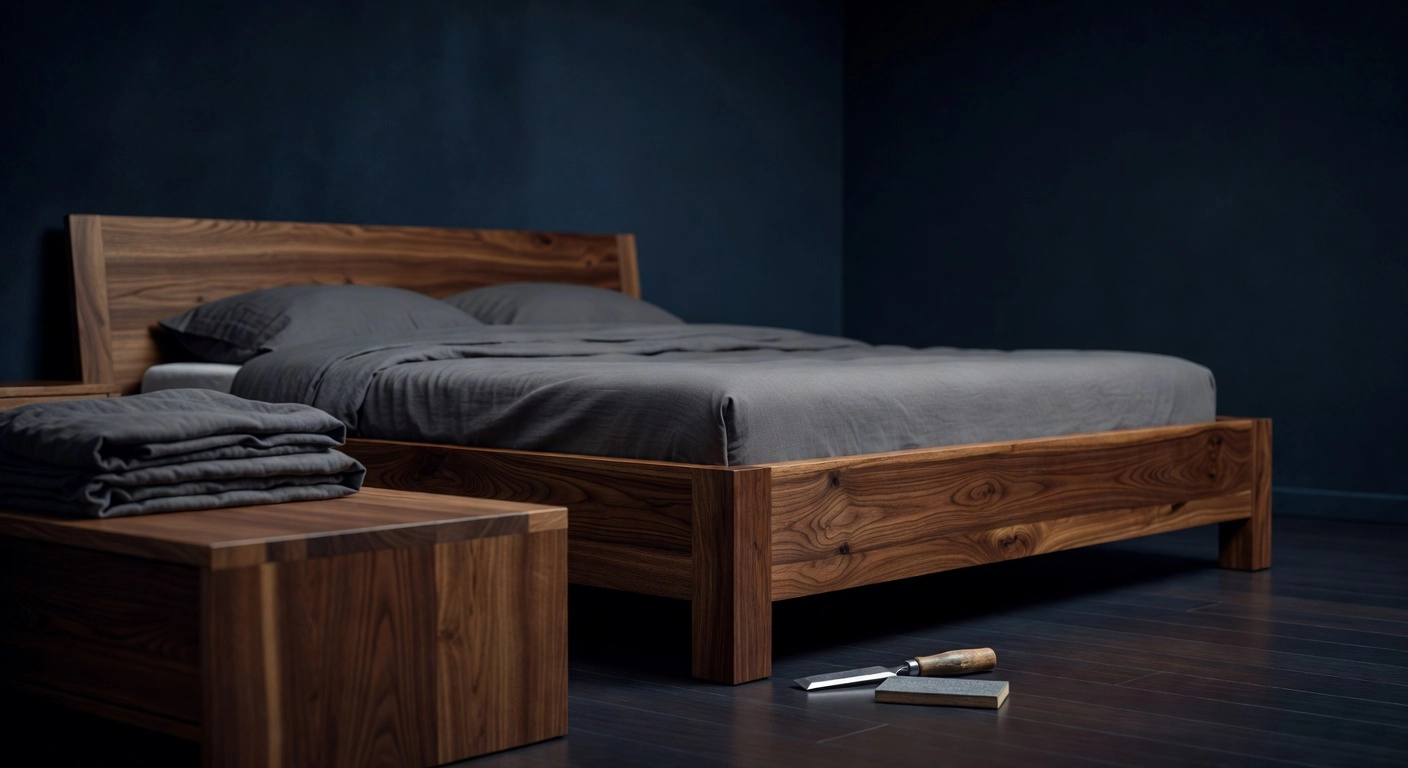
Why Hardwood Still Dominates Bedroom Furniture
Hardwood commands a remarkable 54.9 to 56.6% share of the wooden furniture market, and that dominance is no accident. The secret lies in three core material advantages: density, grain stability, and repairability. Unlike softwoods or engineered alternatives, hardwood resists daily wear through sheer structural integrity, making it the go-to choice for bedroom furniture that needs to survive decades of use. According to Global Market Insights’ wooden furniture market analysis, hardwood’s superior durability and ability to be refinished for extended life are the primary drivers behind its sustained market leadership.
Not all hardwoods perform the same way, and understanding the differences matters when you are choosing or caring for bedroom furniture. Using the Janka hardness scale (which measures resistance to denting in pounds-force), the most common species break down clearly. Hard maple tops the list at approximately 1,450 lbf, making it exceptionally resistant to scratches and dents on beds and dressers. White oak follows at around 1,350 lbf with a prominent grain that takes stains and oils beautifully. Black walnut sits at roughly 1,010 lbf, offering rich, dark aesthetics with excellent finishing compatibility. American cherry, at about 950 lbf, is softer but delivers warm reddish tones that deepen attractively over time. Each species requires slightly different care approaches, which is why knowing your wood type before sanding, staining, or refinishing is essential.
The most compelling argument for solid hardwood over MDF or particleboard is repairability. Solid hardwood can be sanded and refinished three to five or more times across its lifespan because the material runs through the full thickness of the piece. Veneered engineered wood, by contrast, suffers permanent damage from moisture swelling, peeling, or deep scratches that expose the substrate beneath. That core material cannot recover.
Mordor Intelligence’s global bedroom furniture market data confirms that wood holds approximately 39.45% of the global bedroom furniture market in 2026, outpacing metal, upholstered, and plastic alternatives by a significant margin. Consumer preferences are actively shifting away from disposable, budget furniture toward pieces built for longevity. Buyers are increasingly willing to pay a premium for solid hardwood because a well-maintained oak dresser or walnut bed frame can outlast multiple generations of flat-pack replacements, making it a genuinely smart financial investment over time.
Oak, Walnut, Pine, and Cherry: Which Wood Suits Your Bedroom
Choosing the right wood species is one of the most practical decisions you will make when selecting or building bedroom furniture. Each species behaves differently under tools, finishes, and daily use, so understanding their individual strengths helps you invest wisely.
Oak: The Workhorse of the Bedroom
Red oak and white oak remain the most widely available hardwoods in North America, and for good reason. Both species feature a bold, open grain that accepts stains evenly, giving you tremendous flexibility to match existing room tones. White oak offers slightly better natural moisture resistance due to tyloses plugging its pores, making it a smart upgrade for pieces near windows or in humid climates. Red oak is typically more affordable and just as durable for interior use. For high-traffic pieces like dressers, bed frames, and nightstands, oak’s scratch resistance makes it a reliable long-term investment. When finishing oak, water-based polyurethane is the preferred topcoat; it lays down cleanly without yellowing and lets the grain character do the visual work.
Walnut: Luxury With a Maintenance Requirement
Walnut produces deep, chocolate-brown tones with a fine, flowing grain that looks stunning in modern and mid-century bedroom settings. Its rich color photographs exceptionally well, which partly explains why it dominates high-end furniture photography. However, walnut requires attentive care. Direct sunlight causes it to fade or lighten over time, so UV-blocking window treatments or finishes with UV inhibitors are worth the extra step. Moisture management also matters; without proper sealing, walnut can warp in humid conditions. Oil-based finishes are the preferred choice for walnut because they penetrate the grain deeply and enhance its natural richness without adding a plasticky surface layer. According to 2026 furniture trend reporting from The Spruce, darker, warmer wood tones like walnut are leading bedroom design this year, making it a timely and stylish pick.
Pine: Budget-Friendly With Caveats
Pine is a softwood, and that distinction matters in a bedroom setting. It dents and scratches more easily than oak, walnut, or cherry, which makes it a better fit for low-impact pieces like painted dressers, kids’ room furniture, or rustic accent items. The upside is genuine versatility; pine accepts paint and stain readily and costs significantly less than comparable hardwood options. The critical finishing step for pine is applying a sanding sealer or shellac-based barrier coat before your topcoat. Skipping this step often causes the topcoat to absorb unevenly, producing blotchy, inconsistent color across the surface.
Cherry: The Slow-Burn Beauty
Cherry starts with a pale, pinkish-brown tone that gradually deepens into a warm, reddish-brown patina over months and years of light exposure. This natural aging process is considered one of cherry’s greatest assets, giving furniture an evolving, heirloom quality that synthetic finishes cannot replicate. Cherry is somewhat softer than oak, so it suits pieces that see less heavy surface contact, such as headboards, bed frames, and accent tables. Finish selection is critical here; oil-based or penetrating finishes enhance the darkening process, while heavy water-based topcoats can slow or alter the patina development you are actually paying for. As Vogue’s 2026 interior design trend coverage confirms, warm, richly toned woods are strongly favored in bedroom spaces right now, and cherry fits that aesthetic perfectly as it ages.
Essential Wooden Bedroom Furniture Pieces and What to Expect from Each
Now that you understand which wood species work best for bedroom furniture, knowing what to expect from each individual piece helps you make smarter buying, building, and maintenance decisions from day one.
1. Bed Frames and Headboards
Your bed frame and headboard absorb more structural stress than any other piece in the room. They support mattress weight, nightly movement, and the occasional person sitting or leaning against the headboard. Long-term stability depends heavily on solid wood joinery at corner blocks and center rail supports. Mortise-and-tenon joints, reinforced corner blocks, and a robust center rail prevent the creaking, racking, and sagging that compromise cheaper builds within just a few years. When evaluating a bed frame, inspect these connection points closely. Loose joints here are far more damaging than surface scratches. You can read more about what makes wood joints perform under heavy use before making your selection.
2. Dressers
The dresser top is the most abused horizontal surface in most bedrooms. Perfume bottles, water glasses, jewelry, and folded laundry all make daily contact with the finish, creating conditions for water rings, cosmetic scratches, and progressive finish wear. A durable topcoat, whether lacquer, hardwax oil, or polyurethane, provides meaningful protection. Using a decorative tray to consolidate daily items reduces direct surface contact significantly. Prompt cleanup after any spill is non-negotiable.
3. Nightstands
Nightstands face a concentrated combination of hazards: lamp heat causes finish blistering over time, condensation from a nightly glass of water leaves persistent rings, and the surface is touched repeatedly each day. Choose a piece finished with a heat-resistant and moisture-resistant topcoat. Place a coaster under any glass and keep the lamp base on a felt pad to reduce direct heat transfer.
4. Armoires and Free-Standing Wardrobes
Free-standing armoires and wardrobes are making a strong design comeback in 2026 after years of built-in wardrobes dominating bedroom layouts. Their return brings real maintenance responsibilities. Large wood panels react strongly to humidity fluctuations, causing doors to warp, stick, or stress their hinges. Maintaining indoor humidity between 30 and 50 percent year-round is the single most effective prevention strategy. Keep armoires away from heating vents and exterior walls where temperature swings are most severe.
5. Storage Beds with Hidden Compartments
Storage beds, particularly ottoman-style lift-up designs, are one of the strongest 2026 bedroom furniture trends for good reason. They maximize space without adding footprint. However, the hinge mechanisms, lift hardware, and panel joints around compartment openings introduce stress points that standard beds do not have. Inspect and tighten hinge hardware every few months. Apply a quality wood conditioner around joint areas to prevent the wood from drying and cracking under repeated movement. These small maintenance habits extend the functional life of storage beds considerably.
Solid Wood vs. Engineered Wood: What to Look for Before You Buy
Understanding the difference between solid wood and engineered wood before you buy bedroom furniture can save you from costly mistakes, especially if you plan to repair, refinish, or pass pieces down over time.
1. How to Identify Solid Wood by Sight and Feel
Solid wood furniture reveals itself through natural inconsistency. Run your hand along the top, sides, and edges of a piece; genuine solid wood displays grain patterns that continue across every surface without abrupt changes or perfectly repeating motifs. Natural knots, color shifts, and figure vary from plank to plank, meaning no two solid wood dressers look identical. Weight is another reliable clue. Solid hardwoods like oak and walnut feel genuinely heavy and substantial, while particleboard or MDF-core pieces often feel lighter or produce a hollow sound when tapped firmly with a knuckle. If the grain on the top surface looks identical to a printed pattern repeating at regular intervals, you are likely looking at a thin veneer over an engineered substrate.
2. Engineered Wood Has a Place, But Veneer Thickness is Critical
Engineered wood is not automatically inferior. Plywood cores offer genuine structural strength, MDF excels under painted finishes, and particleboard keeps costs accessible for secondary furniture. The critical issue for DIYers is veneer thickness. Surface veneers of 2mm or less cannot withstand sanding during refinishing; you will cut straight through to the substrate before achieving a clean result. This makes scratch repair, stain removal, and full refinishing essentially impossible without replacing the surface entirely.
3. Construction Details That Reveal Quality
Flip drawers over and inspect the joints. Dovetail joints, with their interlocking pins and tails, signal solid wood drawer boxes built to handle decades of daily use. Look for corner blocks reinforcing case interiors and check the undersides of shelves for raw, exposed wood grain rather than the uniform grey or tan surface of particleboard.
4. Price Is Not a Reliable Indicator
Many mid-to-high price point bedroom pieces use engineered cores with solid wood faces and edges applied for aesthetics. A $1,200 dresser can contain an MDF core beneath attractive solid oak drawer fronts. Always inspect construction directly rather than trusting the price tag or marketing descriptions. Ask retailers specifically about core materials and veneer thickness before committing.
5. The Minimum Standard for Long-Term Ownership
For homeowners planning to keep bedroom furniture for decades, solid wood or thick-veneer plywood construction of 6mm or more is the practical minimum worth investing in. Solid wood can be sanded and refinished multiple times, repaired with wood filler, and restored after water damage or deep scratches. That repairability is precisely what makes it the dominant choice for primary bedroom investment pieces.
How to Care for Each Wooden Bedroom Furniture Piece
Each piece of wooden bedroom furniture has its own vulnerabilities and maintenance rhythm. Following piece-specific care routines keeps finishes intact, prevents structural damage, and extends the life of your investment significantly.
1. Dresser Tops
Dresser tops take daily abuse from cosmetics, jewelry, and ambient moisture. Clean the surface using a lightly dampened microfiber cloth, then immediately follow with a dry cloth to remove any remaining moisture before it can penetrate the finish. Never allow water to sit on the surface, even briefly. Every three to four months, apply a furniture paste wax or oil-based conditioner to reinforce the finish and build resistance against scratches and humidity. Stick with one product type consistently; mixing wax-based and silicone-based products causes cloudy, sticky buildup that is difficult to reverse.
2. Bed Frame Joints and Slats
Twice each year, ideally in spring and fall, inspect every joint, slat, and bolt on your bed frame for signs of loosening, squeaking, or visible wood dryness. Tighten hardware firmly but avoid over-tightening, which can split wood fibers at the joint. On unfinished interior surfaces such as the undersides of rails or the backs of posts, apply a light coat of wood conditioner to prevent cracking caused by seasonal moisture loss. For buying guidance on solid wood bed construction, look for frames with reinforced corner blocks, which are far less prone to joint failure over time.
3. Nightstand Surfaces
Nightstands endure constant contact from lamps, glasses, books, and phone chargers, making proactive protection critical. Place felt pads under lamp bases and use coasters under any glass or cup without exception. Once per year, examine the finish carefully for dull patches or areas where bare wood is beginning to show through; address these spots promptly with a touch-up conditioner before moisture reaches the exposed grain. Catching finish wear early prevents the need for full refinishing later.
4. Wooden Armoire and Wardrobe Interiors
Enclosed wooden interiors trap humidity and develop musty odors faster than any other bedroom furniture piece. Place cedar blocks or sachets inside to naturally absorb moisture and deter odor without chemicals. Every few months, wipe interior surfaces with a dry or barely damp cloth, followed immediately by thorough drying, to remove dust accumulation that slowly degrades the interior finish. Avoid storing damp clothing inside, and leave doors ajar occasionally to allow air circulation. Reviewing a furniture care guide from a reputable manufacturer can provide additional product-specific recommendations for interior wood treatments.
5. Curved and Sculptural Wooden Headboards
Curved and sculptural wooden headboards are a defining 2026 bedroom trend, featuring bent laminate construction or fluted solid wood forms in species like oak and walnut. These designs require cleaning strictly along the grain of the curve using a soft, dry or lightly dampened microfiber cloth; circular wiping motions catch on contours and abrade the finish unevenly. Pay close attention to stress points at bends and lamination seams, where finish wear and minor cracking tend to appear first. Condition these areas more frequently than flat surfaces, and inspect them during each seasonal maintenance check to stay ahead of any structural deterioration.
Repairing the Most Common Damage on Wooden Bedroom Furniture
Wooden bedroom furniture takes daily wear, and knowing how to address the most common types of damage keeps your pieces looking sharp and functioning well for decades. According to a 2025 Furniture Today survey, 68% of furniture owners now prefer repairing quality pieces rather than replacing them, up from 47% in 2020. That shift makes practical repair knowledge more valuable than ever.
1. Surface Scratches on Bed Frames and Dressers
For minor scuffs and light surface scratches, start with the simplest fix before reaching for fillers or sandpaper. Rub the meat of a raw walnut directly along the scratch in the direction of the grain, then buff with a soft cloth. The natural oils in the walnut darken exposed wood fibers and blend the scuff with the surrounding finish. This method works particularly well on darker hardwoods like walnut and cherry. For slightly deeper marks, a color-matched wood repair marker or touch-up pen applied in thin passes delivers a cleaner result. Deeper gouges require a wax filler stick or color-matched wood putty pressed into the void with a putty knife, allowed to set fully, and then blended with a matching stain marker before applying a thin protective topcoat to seal the repair.
2. Water Rings and White Stains on Nightstands and Dressers
White rings and cloudy halos appear when moisture becomes trapped inside the finish layer rather than penetrating the wood itself. This distinction matters because it means you can often resolve the problem without any sanding or refinishing. Mix a small amount of non-gel toothpaste with baking soda to form a mild abrasive paste, apply it to the stain with a soft cloth using gentle circular motions, then wipe clean and dry immediately. A dedicated wood stain remover works well for more stubborn rings. Always test any method on an inconspicuous area first, since the abrasiveness that lifts the stain can also dull certain finishes if applied too aggressively.
3. Black Water Stains Penetrating the Wood Fiber
Black stains signal that moisture has moved past the finish and reacted with tannins deep in the wood fiber, which is common in oak. Resolving them requires a more systematic approach. Lightly sand the affected area with 220-grit sandpaper to remove the damaged finish layer, then apply an oxalic acid solution, which acts as a targeted wood bleach to neutralize the discoloration. Allow it to work, then rinse, dry completely, and restain the area to match the surrounding wood before applying a fresh topcoat of polyurethane or another compatible finish for lasting protection.
4. Veneer Lifting on Dresser Fronts and Headboard Panels
Lifting veneer spreads quickly once it starts, so early action is critical. Slide a thin bead of wood glue under the lifted section using a toothpick or glue syringe, press the veneer flat by hand, and then clamp it firmly or weigh it down for 12 to 24 hours. Wipe away any glue squeeze-out immediately with a damp cloth before it cures. Addressing even a small lift within a few days prevents the delamination from spreading across the panel. Ignoring it typically means the veneer dries out further, curls at the edges, and eventually requires full panel replacement, which is a far more involved and costly repair.
5. Dry, Cracked Wood on Older Hardwood Pieces
Older hardwood bedroom furniture loses moisture over time, resulting in a dull, brittle surface with hairline cracks along the grain. A penetrating oil treatment restores flexibility and visual depth without adding a heavy surface film. Begin with a light pass of 220-grit sandpaper along the grain to open the wood pores and remove any flaking material. Then apply tung oil or Danish oil in thin, even coats using a lint-free cloth, allowing each coat to penetrate fully before wiping away the excess and letting it cure before the next application. Two to three thin coats typically deliver a noticeable improvement in both appearance and resilience, with Danish oil offering faster dry times and tung oil providing greater long-term water resistance on high-use pieces like dressers.
When and How to Refinish Wooden Bedroom Furniture
Refinishing becomes necessary when minor repairs no longer cut it. Specifically, once peeling, crazing (that cracked, alligator-skin pattern), or worn-through patches cover more than 30 to 40% of a panel’s surface area, spot treatments cannot restore uniform protection or appearance. At that threshold, the finish has broken down structurally, leaving wood exposed to moisture, oils, and daily abrasion across too large an area to address one spot at a time. A quick test before committing: clean the piece thoroughly with mild soap and water or a mineral spirits wipe to reveal the true condition beneath surface grime. Solid hardwood pieces with good structural integrity, stable joints, and functioning drawers are ideal refinishing candidates, while particleboard or thin-veneer construction rarely justifies the effort.
Stripping and Sanding the Right Way
Once you have confirmed refinishing is the right path, stripping the old finish cleanly sets the foundation for everything that follows. Apply a gel or semi-paste chemical stripper in a thick, even coat, cover loosely with plastic sheeting to prevent premature drying, and allow it to dwell according to the product instructions before scraping off the softened finish. A heat gun works as an alternative on thicker, stubborn finishes but requires a steady hand to avoid scorching the wood surface. After stripping, follow a progressive sanding sequence starting at 80 grit to remove the damaged layer, moving through 120 grit, and finishing at 150 grit for a smooth, ready surface. On hardwoods like oak and walnut, always sand with the grain to prevent cross-grain scratches that would show through the final topcoat.
Staining, Topcoating, and Eco-Friendly Product Choices
Before applying any topcoat, staining gives you the opportunity to update the color of an older pine or oak dresser without purchasing a new piece entirely. Warm wood tones, including honey oak, rich walnut, and sandy neutral hues, are dominant in 2026 interior design, and a quality oil- or water-based stain applies easily with a cloth or brush, wiped back before drying to control depth of color. Apply a wood conditioner before staining pine specifically, as softwoods absorb stain unevenly and blotch without this step.
For the protective topcoat, water-based polyurethane is the strongest recommendation for bedroom furniture. It dries clear without the amber yellowing that develops over time with oil-based finishes, carries significantly lower VOC emissions, and cleans up with water rather than harsh solvents. Modern water-based formulas have closed the durability gap considerably, making them fully adequate for bedroom furniture where heavy abrasion resistance matters far less than indoor air quality and aesthetics. Apply two to three thin coats, sanding lightly with 220 grit between each, and allow full curing time before returning items to the piece.
For every stage of this process, eco-friendly alternatives perform comparably to traditional solvent-based products in a bedroom context. Low-VOC gel strippers, plant-based citrus strippers, water-based stains, and hard wax oils are widely available and support both sustainability goals and healthier indoor air quality throughout the project.
2026 Bedroom Trends and What They Mean for Wood Care
Understanding how 2026 interior design trends affect your wooden furniture helps you stay ahead of maintenance needs before damage occurs. This year’s most popular directions each create specific wood care challenges worth preparing for.
1. The Cozy Sanctuary Palette Demands UV Protection
Warm greige, sandy neutrals, and deep burgundy tones define 2026 bedroom aesthetics, and these palettes pair beautifully with the natural patina of aged oak, walnut, and cherry. The problem is that sun exposure near windows causes uneven fading on warm-toned woods faster than on cooler finishes, creating patchy discoloration that is difficult to reverse without full refinishing. Apply a UV-protective topcoat or furniture wax with UV inhibitors to any wooden piece positioned within six feet of a window. Layered curtains, a strong 2026 styling trend in their own right, provide an additional barrier against direct light.
2. Curved Bed Frames Require Seasonal Crack Monitoring
Sculptural and bentwood bed frames are the standout wooden statement piece of 2026. Steam-bent and bentwood components are shaped under heat and moisture, which introduces grain stress points that remain vulnerable long after manufacturing. As indoor humidity shifts seasonally, these stress points are the first places cracking appears. Inspect curved joints and bent sections each spring and fall, maintain indoor humidity between 40 and 60 percent, and apply an oil-based conditioner annually to keep the wood flexible rather than brittle.
3. Dresser Tops Are Now Display Surfaces
Free-standing dressers and armoires are back as focal design pieces, and in 2026 interiors their tops are styled with candles, ceramic objects, and decorative trays. This dramatically increases the risk of heat rings and wax drips penetrating the finish. Reapply a quality protective wax to dresser tops every three to four months, and place cork or felt pads beneath any candle holder regardless of how decorative it looks.
4. Hardwood Statement Pieces Need Annual Assessment
Walnut and oak dominate 2026 statement furniture for their grain depth and durability. Both species respond well to oil-based conditioning, which replenishes moisture and enhances color. Schedule an annual refinishing assessment each autumn, checking for worn patches, dullness, or surface scratches before winter dryness accelerates deterioration.
5. Sustainable Pieces Deserve Eco-Friendly Maintenance
FSC and PEFC certified furniture is a measurable 2026 purchasing priority, with roughly 66 percent of consumers expecting wood products to come from deforestation-free sources. Maintaining certified pieces with low-VOC, non-toxic conditioners and cleaners extends lifespan while preserving the environmental value built into the original purchase. Replacing a certified hardwood piece prematurely because of neglected maintenance undermines the sustainability investment entirely.
Seasonal Maintenance Checklist for Wooden Bedroom Furniture
Wood is hygroscopic, meaning it constantly exchanges moisture with the surrounding air. Managing that exchange across four distinct seasons is the most effective long-term protection strategy for any wooden bedroom furniture piece.
Winter: Control Indoor Humidity Before Damage Starts
Indoor heating systems are the single biggest seasonal threat to wood furniture. They routinely pull relative humidity below 30%, causing wood fibers to contract, surface finishes to develop micro-cracks, and joints to loosen noticeably. Use a digital hygrometer to monitor your room’s RH and deploy a room humidifier to hold levels between 40 and 50%. Apply a wood conditioner to all exposed surfaces, buffing it in with the grain to replenish lost moisture and slow finish degradation. Keep furniture at least two feet from heating vents and radiators to prevent localized drying that accelerates cracking.
Spring: Inspect Everything After the Seasonal Stress
Winter contraction followed by rising spring humidity creates cumulative stress on every fastened joint, drawer slide, and bed frame connection. Walk through a systematic inspection: press on joints to test for movement, pull drawers fully out to check slide alignment, and run a finger across surfaces to feel for new ridges or cracks. Retighten any loose screws or bolts immediately. Fill new micro-cracks with a wood filler matched to your finish tone before warmer, wetter conditions allow them to widen further.
Summer: Let Wood Breathe, Never Force It
High humidity causes wood to expand across the grain, which is why drawers suddenly stick in July despite sliding freely in January. Forcing a stuck drawer is one of the most common ways homeowners crack a drawer front. Instead, run your air conditioning or a dehumidifier to bring RH back toward 40 to 50% and allow the wood to contract naturally over several days. A thin coat of paste wax on drawer runners can ease minor sticking while conditions stabilize.
Fall: The Best Window for Deep Preventive Care
Fall offers stable humidity and moderate temperatures, making it the ideal season for a full refinishing assessment. Clean all surfaces thoroughly, evaluate finish condition across high-contact areas, and apply light waxing or conditioning before the heating season removes moisture again. Address any hardware looseness now rather than waiting for winter to worsen it.
Year-Round Habits That Compound Over Time
Position wooden bedroom furniture away from direct sunlight and heating vents as a permanent rule, not a seasonal one. Place felt furniture pads under every lamp, clock, and decorative object sitting on wood surfaces. Inspect finish condition on your most-used surfaces, particularly dresser tops and drawer fronts, every 60 to 90 days. Catching a dull or thin spot early allows a simple wax application to solve what would otherwise become a full refinishing project.
Caring for Wooden Bedroom Furniture Pays Off for Decades
Hardwood bedroom furniture in oak, walnut, and cherry is genuinely built for multi-generational ownership. These dense, stable species reward consistent basic care with decades of reliable performance and deepening beauty. The three most impactful habits are simple: use coasters and wax coatings to block moisture before it causes warping or white rings, condition the wood seasonally to prevent drying and cracking in low-humidity months, and address small scratches or finish wear early before they grow into full refinishing projects.
Homeowners who view their furniture as a repairable asset rather than something disposable save real money. Replacing a quality hardwood bedroom set can cost thousands of dollars, while targeted maintenance costs a fraction of that. Extending furniture life also keeps solid wood out of landfills, where roughly 10 to 12 million tons of furniture ends up annually in the United States alone.
WoodStuffHQ provides beginner-friendly, step-by-step guides covering every task in this article, from removing water rings to complete dresser refinishing, all without professional tools.
Start today with your highest-wear piece, typically the dresser top or nightstand. Clean the surface gently, apply a protective wax or oil, and build a simple seasonal routine from there.
Conclusion

Furnishing your bedroom with wood does not have to feel overwhelming. By understanding each essential piece, from the bed frame that anchors the room to the dresser, wardrobe, and nightstands that complete it, you can make confident choices that serve you for years to come. Wood brings unmatched warmth, durability, and timeless style that adapts to any taste or budget. And when your pieces work together in harmony, your bedroom transforms into the personal sanctuary you truly deserve.
Now it is time to take action. Start by identifying the pieces you need most, set a realistic budget, and choose a wood tone that complements your space. Browse collections with fresh eyes and trust the knowledge you have gained here. Your dream bedroom is closer than you think, and every great space begins with a single purposeful choice.



Pingback: Solid Wood Wardrobes: How to Choose, Care For, and Restore Yours - WoodStuffHQ