

So you’ve decided to stain some wood, and now you’re standing in the hardware store aisle completely overwhelmed by all the options staring back at you. Sound familiar? Don’t worry, we’ve all been there.
One of the most common decisions beginners face is choosing between wood stain gel vs oil. Both can give your project a beautiful, rich finish, but they work in very different ways. Pick the wrong one, and you might end up with a blotchy mess or a finish that just doesn’t cooperate with your material.
The good news is that once you understand the basics of each type, the choice actually becomes pretty simple. In this post, we’re going to break down exactly what gel stain and oil stain are, how they differ, and which one makes the most sense for your specific project. Whether you’re refinishing an old dresser, staining a pine shelf, or tackling your first woodworking build, this guide will help you walk away with the confidence to grab the right can and get started.
Gel Stain vs Oil Stain at a Glance
If you’ve ever stood in the stain aisle wondering what the difference actually is between gel stain and oil stain, you’re not alone. Let’s break it down simply before we dig into the details.
Quick Comparison Table
| Feature | Gel Stain | Oil Stain |
|---|---|---|
| Viscosity | Thick, pudding-like | Thin, watery |
| Penetration Depth | Shallow, surface-controlled | Deep, soaks into grain |
| Drying Time | 24 to 48 hours between coats | 8 to 24 hours between coats |
| Cost Range | Higher (premium pricing) | Lower, more budget-friendly |
| Color Options | More limited selection | Wider variety available |
| Cleanup Method | Mineral spirits (oil-based versions) | Mineral spirits |
| Best Surface Types | Pine, maple, cherry, vertical surfaces | Oak, ash, walnut, bare open-grain wood |
The Core Difference in Plain English
Think of it this way: gel stain is like spreading thick peanut butter onto wood. It sits mostly on top, giving you controlled, even color without soaking way down into the fibers. Traditional oil stain, on the other hand, behaves more like water on a sponge. It flows right into the grain and penetrates deeply, which brings out the wood’s natural character and depth beautifully. One important thing worth knowing is that many gel stains are technically oil-based products, just formulated with thickeners to slow absorption and control how the color spreads.
The Key Takeaway
Here’s the honest truth: neither gel stain nor oil stain is universally better. The right pick really comes down to your specific wood type and project goals. Working with blotch-prone woods like pine or maple? Gel stain is your friend. Refinishing a beautiful oak table and want the grain to really pop? Oil stain will likely deliver better results. For a deeper breakdown of how these two stains compare in real projects, it helps to consider your surface, your skill level, and how much drying time you’re willing to work with.
What Is Gel Stain?
Think of gel stain like a thick, rich pudding for your wood. Unlike traditional liquid stains that flow freely and can drip down your cabinet doors or run along trim before you even have a chance to wipe them, gel stain holds its shape right where you put it. This thick, non-drip consistency comes from special additives that give it what finishing pros call a “thixotropic” texture, which is just a fancy way of saying it stays put on vertical surfaces until you’re ready to wipe it off. If you’ve ever tried staining a cabinet door only to watch liquid stain streak down the face before you could catch it, gel stain is the solution you’ve been looking for.
Because gel stain sits closer to the surface rather than soaking deep into the wood fibers, you get a lot more control over your final color. You can build up thin coats to achieve a deeper, richer hue, and each layer gives you a more opaque, consistent finish. This is a huge advantage when you’re working with a mix of materials, like a table that combines solid wood panels with veneer, or when you’re refinishing older furniture where the grain pattern is uneven. The gel stain essentially acts as a leveler, evening out those variations for a smooth, uniform look. You can learn more about proper application technique at Rust-Oleum’s gel stain how-to guide.
One of gel stain’s biggest strengths is how well it handles tricky wood species. Pine, maple, and cherry are notorious for blotching when stained with traditional liquid products, because their density varies across the grain and they absorb stain unevenly. Gel stain’s limited penetration and high pigment load minimize that uneven absorption, so you end up with consistent color without needing to apply a pre-stain wood conditioner first. For beginners, skipping that extra prep step saves both time and frustration.
Speaking of beginners, gel stain is genuinely forgiving in a way that liquid oil stain simply isn’t. You get a longer working time on the surface, so you’re not racing against the clock on a large tabletop or a set of kitchen cabinet doors. The wipe-off window is more relaxed too, meaning if you miss a spot or apply a little too much, you can go back and fix it without leaving obvious lap marks. According to Minwax’s gel stain product guidance, first-time users consistently find the results more predictable compared to thinner penetrating stains.
The main trade-off to keep in mind is drying time. Gel stains typically need 24 to 48 hours between coats, sometimes longer depending on humidity and temperature. Patience pays off here because rushing leads to tackiness and adhesion problems with your topcoat. Gel stain is also best suited for interior projects like furniture, cabinets, and trim. It performs well inside, but for outdoor projects like decks or fences, you’ll want a different product better suited to weather exposure. Always finish your gel-stained project with a clear protective topcoat like polyurethane to lock in the color and add lasting durability, as discussed in detail over at Woodweb’s gel stain pros and cons.
What Is Oil-Based Stain?
If gel stain is the thick, controlled pudding of the wood finishing world, then oil-based stain is more like water soaking into a sponge. It’s thin, free-flowing, and designed to sink deep into the wood fibers rather than sit on top. That penetrating quality is exactly what makes it such a popular choice, especially when you want the wood itself to be the star of the show.
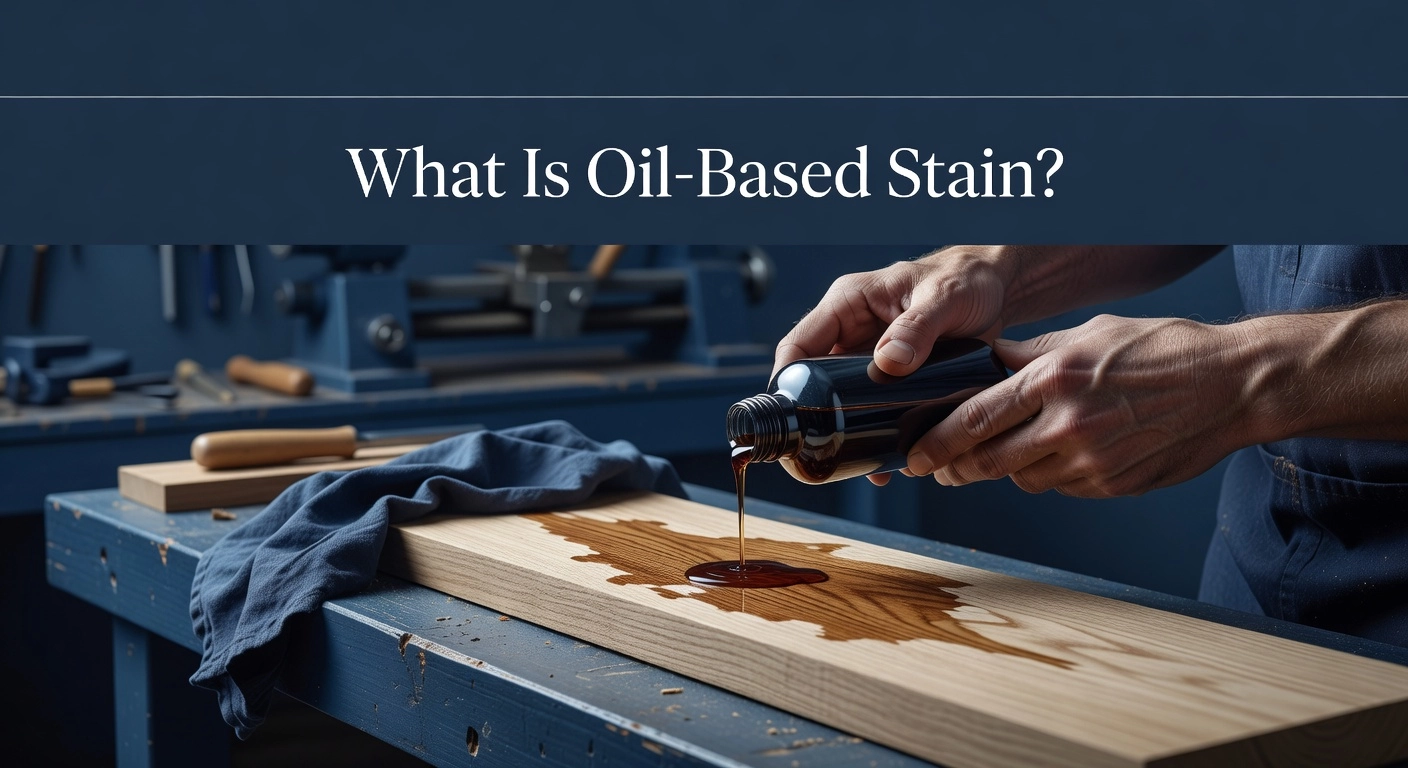
When oil stain soaks into the wood, it interacts directly with the fibers beneath the surface, creating color that feels like it comes from within the wood rather than being painted on. The result is a translucent, rich finish that lets the natural grain do all the talking. This is why open-grain woods like oak, walnut, ash, and mahogany absolutely shine with an oil-based stain. The stain settles into the pores and rays of these woods, making the grain pop with depth and dimension in a way that feels genuinely beautiful and natural. You can learn more about how this penetration works in practice from WOOD Magazine’s guide on gel stains, which does a great job contrasting the two approaches.
On the practical side, oil stain has some real advantages that are worth knowing about before you shop. It typically dries faster than gel stain, which means you can apply your topcoat sooner and wrap up your project quicker. It also comes in a much wider range of colors across major brands, so finding the exact shade you want is usually easier. And for budget-conscious DIYers tackling larger surfaces, oil stain tends to cost less per project overall. For outdoor projects like decks and fences, N3Nano’s gel vs. oil guide notes that oil stain’s deeper penetration actually helps protect the wood against moisture and weathering from the inside out, making it the smarter long-term choice for exterior wood.
That said, oil stain does have one significant weakness you should know about. On tight-grain or resinous woods like pine, maple, cherry, or birch, it can cause blotching, which means the stain absorbs unevenly and leaves splotchy, inconsistent patches of color. Those woods soak up stain at different rates in different spots, and oil stain amplifies those differences rather than smoothing them out. You can use a pre-stain wood conditioner to reduce blotching, but that adds an extra step to your project. This frustrating issue is honestly the number one reason many beginners end up switching to gel stain, which handles those tricky wood species much more gracefully, as we’ll explore in the comparison ahead.
Which Should You Use? A Project-by-Project Breakdown
Now that you know what each product is and how it works, let’s get practical. The best choice really comes down to your specific project, your wood species, and the surface you’re working on. Here’s a straightforward breakdown to help you decide.
Kitchen Cabinets and Interior Furniture
Gel stain is almost always the better pick for kitchen cabinets and interior furniture pieces. Its thick consistency means you get even, consistent color across large surfaces without worrying about lap marks or uneven absorption. Because it sits on top of the wood rather than soaking in aggressively, it gives you more control, which matters a lot when you’re working on assembled pieces with varying grain directions, joints, and contours. It’s also forgiving if you’re refinishing cabinets that still have an old finish on them, since it can bond to previously sealed surfaces with just a light scuff-sand. For beginner DIYers tackling a cabinet makeover, gel stain dramatically reduces the chance of a blotchy, uneven result.
Pine, Maple, and Cherry Woods
If you’re working with pine, maple, or cherry, reach for the gel stain without hesitation. These woods are notoriously tricky because they absorb liquid stain unevenly, giving you those frustrating dark splotches and streaky patches that can ruin an otherwise beautiful project. Pine has soft, porous areas that drink up oil stain too fast, while maple and cherry have dense, tight grain that resists even absorption. Gel stain sidesteps all of that because it doesn’t rely on deep penetration to deliver color. You get a smooth, uniform tone across the entire surface without needing to apply a pre-stain wood conditioner or spend hours sanding between coats. For beginners especially, this is a huge advantage.
Oak, Walnut, and Ash
This is where oil stain gets its moment to shine. Oak, walnut, and ash are open-grain species with large, prominent pores that absolutely love a penetrating stain. When oil stain soaks deep into these woods, it enhances and highlights all those beautiful grain patterns with a rich, translucent depth that looks incredibly natural. Gel stain can technically be used on these species, but it tends to sit more on the surface and can actually muffle some of that stunning grain character you’re paying for when you choose these premium woods. If you want walnut to look like walnut and oak to look like oak, oil stain is the way to go.
Doors and Vertical Trim
Vertical surfaces are where gel stain really earns its reputation. When you’re staining a door, trim, or molding, a thin liquid oil stain will start running and dripping the moment it makes contact. You end up chasing drips with a rag while trying to keep your coverage even, which is stressful and messy. Gel stain’s thick, pudding-like consistency stays exactly where you put it, giving you plenty of working time to spread it evenly and wipe off the excess without any runs. According to best practices for wood finishing projects, this controlled application is one of the top reasons gel stain has become the go-to for vertical interior surfaces.
Decks, Fences, and Outdoor Wood
For anything living outside, flip the script and go with an oil-based or exterior-specific penetrating stain. Outdoor wood needs protection from the inside out, and that means the stain has to soak deep into the wood fibers to guard against moisture, UV rays, temperature swings, and cracking. Gel stain is designed for interior use and sits more on the surface, which simply isn’t enough protection for a deck or fence that faces the elements year-round. A quality exterior penetrating stain can last roughly 2 to 3 years on average for semi-transparent formulas, with solid stains stretching to 3 to 5 years according to Consumer Reports data. Always match your product to the environment it needs to survive in.
Refinishing Over an Existing Finish
Here’s a scenario that trips up a lot of beginners: you want to update the color of a piece that already has a stain or topcoat on it. Oil stain won’t work well here because it needs bare, open wood pores to absorb into. If the surface is sealed, the stain will bead up, sit unevenly, or simply refuse to penetrate. Gel stain handles this situation much better because it bonds to the surface rather than absorbing into it. A quick scuff-sand with 220-grit sandpaper to rough up the existing finish is usually all the prep you need. For a detailed walkthrough of this process, this guide on gel staining over previously stained wood covers the steps clearly. It’s one of the biggest practical advantages gel stain has over traditional oil stain for homeowners updating existing pieces.
How to Apply Gel Stain and Oil Stain Step by Step
Now that you’ve got a solid grasp of which stain suits which project, let’s talk about actually getting the stuff on the wood. The application process is where beginners often run into trouble, so walking through each type step by step will save you a lot of frustration.
Applying Gel Stain
Start with surface prep. For bare wood, sand in the direction of the grain up to 180-grit, then wipe away all the dust with a tack cloth or vacuum. For previously finished surfaces like old cabinets, a light scuff-sand with 150 to 220-grit is enough to give the gel stain something to grip. You don’t need to strip the piece completely, which is one of gel stain’s biggest advantages.
Once your surface is clean and dust-free, stir the gel stain thoroughly. Don’t shake it, because that creates bubbles that show up in your finish. Apply the stain in manageable sections, think one cabinet door or one drawer front at a time, using a brush, foam applicator, or lint-free cloth. Work it in generously and evenly, going with the grain on your final passes.
Here’s the step that trips up most beginners: the wipe-off window. After letting the gel stain sit for roughly 2 to 5 minutes, wipe off the excess with a clean lint-free rag, working with the grain. Do not walk away and come back an hour later. If gel stain dries before you wipe it, it becomes sticky and uneven, and fixing that mess is far harder than applying it correctly the first time.
For deeper color, you can layer additional coats, but you need to allow 24 to 48 hours of dry time between each one. Gel stain takes longer to dry than oil stain, so patience is genuinely part of the process here.
Applying Oil Stain
Oil stain prep is more traditional. Sand bare wood progressively, starting around 120-grit and finishing at 180 to 220-grit, always moving in the grain direction. If you’re working with a soft or porous wood like pine, consider applying a pre-stain wood conditioner first. It helps the stain absorb more evenly and cuts down on blotchiness significantly.
Apply the oil stain liberally with a brush, rag, or foam pad. You want enough product on the surface to let the wood actually drink it in. After a few minutes (check your product label, but typically 3 to 15 minutes depending on the stain and wood species), wipe off the excess firmly and evenly with clean rags, moving with the grain. Swap out rags frequently so you’re not just pushing wet stain around.
One coat is usually enough for most projects. If you want a richer, deeper tone, let the first coat dry fully (typically around 24 hours) before applying a second. Avoid piling on extra coats on tight-grain woods like maple; it tends to sit on the surface instead of absorbing, leading to a muddy or uneven look.
Tips That Apply to Both
Ventilation is non-negotiable with either product. Both gel and oil stains are typically oil-based and emit VOCs while drying, so open windows, run a fan, or work outside if possible. Always wear nitrile gloves to protect your skin from staining and chemical exposure. When you’re done, clean your brushes and rags with mineral spirits, and dispose of used rags carefully. Stain-soaked rags can generate heat as they dry and pose a real fire risk. Lay them flat outside to dry completely, or store them in a sealed metal container filled with water.
You’re Not Done Without a Topcoat
This is something a lot of beginners don’t realize until it’s too late: neither gel stain nor oil stain is a sealer. Both products add color to your wood, but they offer almost no protection against scratches, moisture, or everyday wear on their own. Once your stain is fully dry (wait at least 24 to 72 hours to be safe), apply a clear topcoat like polyurethane, lacquer, or varnish. Use multiple thin coats rather than one thick one, and sand lightly with 320-grit between coats for a smooth, professional result. Skipping the topcoat is the single most common finishing mistake, and it’s also the easiest one to avoid.
Price, Color Options and Top Brand Recommendations
Let’s talk money and options, because both of these factors can genuinely shape which stain you reach for at the checkout counter.
What You’ll Pay: Gel vs. Oil
Oil-based penetrating stains are the clear winner on price. A quart of Minwax Wood Finish typically runs in the $10 to $20 range, and Varathane Premium Fast Dry lands around $12 to $18 per quart depending on where you shop. Gel stains, on the other hand, carry a noticeable premium. Minwax Gel Stain runs roughly $24 to $25 per quart, while General Finishes Gel Stain can climb to $40 to $56 or more for specialty colors. That’s sometimes a 50% or higher markup compared to a standard oil stain. For small accent projects that difference might not matter much, but if you’re staining an entire room of cabinets or a big dining table, those extra dollars add up fast. Oil stains also win on variety, with some lines offering 30 or more color options versus the more limited selection you’ll find in most gel stain lineups.
Top Gel Stain Brands Worth Knowing
General Finishes Gel Stain is the one you’ll see praised constantly in DIY forums and woodworking tutorials, and for good reason. It has a heavy, thick consistency that gives you serious control on furniture, cabinets, and upcycling projects, and it delivers rich, even color with minimal blotching. With around 15 or more colors including Java, Antique Walnut, Ash Gray, and Brown Mahogany, you can also mix shades for custom results.
Minwax Gel Stain is the most accessible option for gel stain beginners. You can find it at most big-box stores, it has a non-drip formula perfect for vertical surfaces like cabinet doors, and it comes in popular tones like Hickory, Chestnut, and Coffee.
Old Masters Gel Stain leans toward professional-grade performance, with highly pigmented formulas that deliver intense, uniform color in fewer coats. It’s typically found at specialty retailers rather than big-box stores.
Top Oil Stain Brands Worth Knowing
Minwax Wood Finish is the go-to starting point for most beginners. It’s everywhere, it’s affordable, and the huge color range makes experimentation easy. Varathane Premium Fast Dry is a great pick when you’re working on a timeline, with touch-dry times around one hour so you can move through coats faster. General Finishes Oil-Based Wiping Stain rounds out the list for anyone who wants that deeper, natural penetrating finish with professional-level pigment performance.
2026 Color Trend and a Quick Compliance Note
If you’re drawn to warm, grounded tones right now, you’re right on trend. Minwax named Special Walnut as its 2026 Color of the Year, a rich medium-brown that highlights natural wood grain beautifully. It’s available in both gel and oil formats, making it an easy way to tap into that cozy, earthy aesthetic whether you prefer one formula or the other.
One last thing to check before you buy: VOC regulations in states like California and others are actively limiting or reformulating some traditional oil-based products. If you’re shopping in a regulated state, always read the label or check the retailer’s product page to confirm local compliance before adding anything to your cart. It can save you a frustrating return trip.
After You Stain: Topcoats, Touch-Ups and Reapplication
Once the stain goes on, your job isn’t quite finished. Both gel stain and oil stain need a compatible clear topcoat to actually protect all that hard work you just put in. Without one, even the most beautiful finish will scuff, scratch, and fade faster than you’d expect.
Why a Topcoat Is Non-Negotiable
Gel stain sits more on the wood’s surface, which means it’s especially vulnerable to abrasion and moisture without a protective layer on top. Oil stain penetrates deeper into the wood fibers, but the color is still exposed to physical wear and UV light over time. A clear topcoat, such as oil-based or water-based polyurethane, wipe-on poly, or lacquer, seals in the pigment and creates a durable barrier against spills, scratches, and everyday use. Manufacturers like General Finishes recommend applying 2 to 3 coats of a compatible topcoat over gel stain for maximum durability, with full drying time between each coat. Always double-check compatibility between your stain and topcoat before layering them together, since mismatched products can cause lifting, cloudiness, or adhesion failures.
How Long Will Your Finish Last?
Location matters a lot when it comes to reapplication. According to Consumer Reports testing, semi-transparent exterior stains typically last about 2 to 3 years on decks before showing noticeable fading or wear. Interior surfaces that are properly topcoated, like furniture, cabinets, or trim, can last significantly longer, often 5 to 10 years or more with regular light cleaning and gentle care.
Touch-Ups: Gel vs. Oil
Gel-stained surfaces are generally more forgiving to touch up. Lightly spot-sand the worn area with 220 to 320 grit sandpaper, feather the edges carefully, apply matching gel stain in thin coats, and follow up with a compatible topcoat. Oil-stained surfaces with heavy wear are trickier because the color lives inside the wood fibers. Spot repairs can look patchy, so a full recoat or complete refinishing is often the better path for serious damage.
A Note on Low-VOC Alternatives
If you live in a region with strict VOC regulations, water-based stain alternatives are worth exploring. They dry faster, clean up with soap and water, and have lower odor overall. The trade-off is shallower penetration and sometimes less color depth compared to traditional oil products, though newer formulations have improved considerably. For a complete wood care approach, explore the WoodStuffHQ guides on wood finishing techniques, cabinet restoration, and scratch repair to keep every surface looking its best.
Which Stain Should You Choose: The Bottom Line
Here’s the simple version: three questions decide everything. What wood are you working with? Is your surface vertical or horizontal? And do you want the grain to pop or do you want smooth, even color coverage? Your answers will point you straight to the right product.
If you’re a first-timer, start with gel stain. It’s forgiving, drip-resistant on vertical surfaces like cabinets and doors, and keeps blotch-prone woods like pine and maple looking clean without a ton of prep work. If you’re more experienced or you’re working with an open-grain wood like oak or walnut, and especially if your project lives outdoors, oil stain will reward you with deeper, richer color that really highlights the wood’s natural character.
Before you commit to either one, test both on a scrap piece of the exact same wood. Results genuinely vary by species. Always finish with a topcoat for real protection, and check your region’s VOC guidelines before buying, since oil-based products face restrictions in some areas.
Drop your project details in the comments and we’ll help you pick the right one!

Conclusion
Choosing between gel stain and oil stain does not have to be stressful. Here are the key takeaways to keep in mind: gel stain is your best friend for tricky materials like pine, blotch-prone woods, and vertical surfaces, while oil stain delivers beautiful results on open-grained hardwoods and larger flat projects. Gel stain gives you more control; oil stain gives you deeper penetration and a more natural look. Neither is universally better. The right choice simply depends on your specific wood and project goals.
Now that you know the difference, it is time to stop second-guessing and start staining. Head to your local hardware store, pick up a small test can of whichever type fits your project, and do a sample run on scrap wood first. Your best finish is closer than you think.


Pingback: Wood Floating Shelves: A Complete Guide for DIYers - WoodStuffHQ