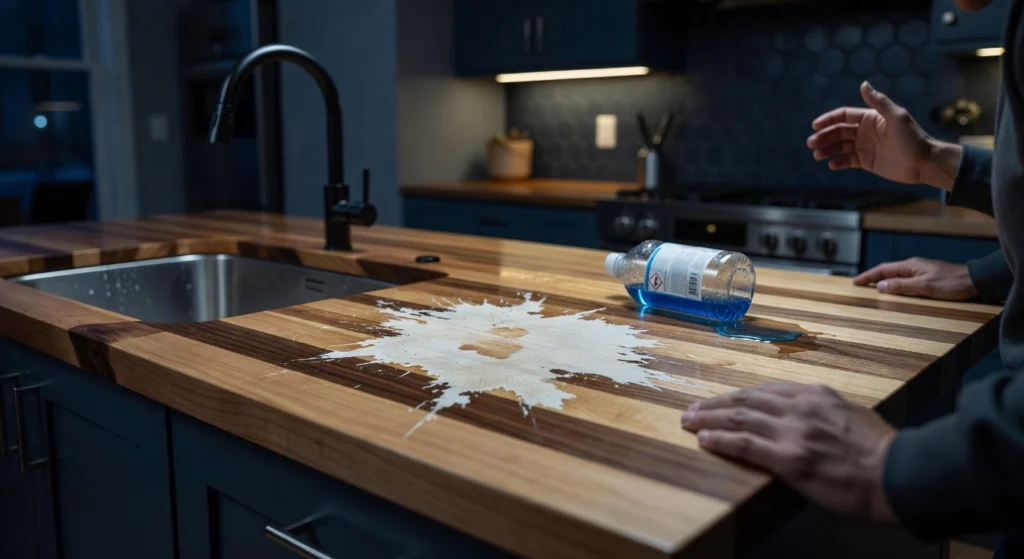

Picture this: you pour a drain cleaner down your kitchen sink, only to discover it has splashed onto your beautiful butcher block countertop and left a permanent, ugly stain. It is a nightmare scenario that more homeowners face than you might expect.
Choosing the right drain cleaner for a kitchen with wood countertops or butcher block surfaces is not as straightforward as grabbing the first bottle you see on the store shelf. Many popular drain cleaning products contain harsh chemicals like lye or sulfuric acid that can destroy natural wood finishes on contact, leaving you with a costly repair bill on top of a clogged drain.
The good news is that safer, equally effective options exist. In this comparison guide, we will walk you through the best drain cleaner products that get the job done without putting your wood surfaces at risk. You will learn what ingredients to look for, which formulas to avoid, and exactly which products our testing found to be both powerful and wood-safe. Whether you are dealing with a slow drain or a stubborn clog, we have got you covered.
Why Most Drain Cleaners Are Dangerous Near Wood Surfaces
If you’ve ever reached for a bottle of drain cleaner while standing at a kitchen sink surrounded by butcher block countertops or a beloved wood cutting board nearby, this is your warning to pause. Most chemical drain cleaners rely on one of three highly corrosive active ingredients: lye (sodium hydroxide), sulfuric acid, or bleach (sodium hypochlorite). These substances sit at the extreme ends of the pH scale, and according to poison control data on drain cleaner composition, they are powerful enough to dissolve hair, grease, and organic matter on contact. That same corrosive power does not stop at your drain. On wood surfaces, these chemicals strip protective finishes, bleach or permanently darken grain, and etch deep into unfinished or oiled wood almost immediately.
Butcher block countertops and wood cutting boards are especially vulnerable because of their natural porosity. Unlike tile or sealed stone, wood absorbs liquids rapidly into its grain structure. A brief splash during pouring is enough for a chemical drain cleaner to penetrate the surface before you can wipe it away, leaving behind discoloration or structural breakdown that no amount of scrubbing will reverse. Angi’s research on harsh cleaners and countertop surfaces confirms that lye-based products, including oven cleaners with the same active ingredient, cause this type of irreversible damage on organic and porous surfaces.
A 2024 Reddit thread in r/woodworking illustrated this danger clearly. A renter accidentally spilled drain cleaner on a wood countertop and documented the immediate darkening and surface breakdown that followed. Commenters confirmed that full repair required sanding down to bare wood and refinishing, a costly consequence of a single moment of contact.
Fumes compound the risk further. Chemical drain cleaners release vapors in enclosed kitchen spaces that can settle on nearby wood surfaces over time, gradually degrading food-safe finishes like mineral oil and beeswax. These finishes are the backbone of proper butcher block maintenance, and expert plumbing safety sources highlight the broader indoor air and surface risks associated with repeated chemical cleaner use in tight spaces.
The contrast with proper wood care could not be sharper. Standard guidance for butcher block and cutting boards calls for mild dish soap, warm water, salt and lemon scrubs, or baking soda pastes. These are gentle, near-neutral or mildly acidic solutions. Chemical drain cleaners are their polar opposite, and the two should never share the same workspace.
Chemical vs. Enzymatic vs. DIY Drain Cleaners: A Side-by-Side Look
Not all drain cleaners are created equal, and the chemistry behind each type determines exactly how much risk it introduces to the wood surfaces in your kitchen. Understanding these differences before you make a purchase could save your butcher block countertop from permanent damage.
Chemical Cleaners: Fast but High-Risk
Chemical drain cleaners like Drano and Liquid-Plumr rely on sodium hydroxide (lye), bleach, peroxides, or sulfuric acid to dissolve clogs rapidly, typically within 15 to 30 minutes. That speed comes at a cost. These formulas generate significant heat during their chemical reactions and are specifically engineered to break down organic matter, which means wood is a direct target if any product escapes the drain. A splash onto an oiled butcher block or an unfinished wood countertop edge can cause immediate etching, discoloration, or fiber breakdown that requires sanding and full refinishing to correct. Plumbing professionals and Consumer Reports both caution that these products should be handled carefully near any finished surface, and repeated pipe exposure can degrade PVC and older metal pipes over time as well.
Enzymatic Cleaners: Biological Action, Minimal Risk
Enzymatic and bacteria-based cleaners work in a fundamentally different way. Products using live bacterial cultures and targeted enzymes digest organic buildup like grease, food particles, and soap scum through biological action rather than corrosive chemistry. They produce no heat, no caustic fumes, and carry no corrosive potential, making them significantly safer in kitchens where wood countertops or prep areas border the sink. The tradeoff is time; these products typically require 8 to 48 hours to fully address a clog, and they perform poorly against complete blockages or non-organic debris. For routine maintenance and grease buildup, though, enzymatic cleaners are increasingly recommended by plumbers as the smarter default, especially in homes with septic systems.
DIY Options: Lowest Risk, Lowest Cost
Baking soda combined with boiling water or a vinegar flush is the most wood-friendly approach available. Pour one cup of baking soda into the drain, follow with one cup of white vinegar, allow the fizzing reaction to work for 10 to 15 minutes, then flush thoroughly with hot water. This method costs under a dollar per use and aligns directly with the same gentle chemistry already recommended for cleaning and sanitizing wood cutting boards and butcher block surfaces. It is fully septic-safe, non-corrosive, and effective for minor clogs and odor control.
Side-by-Side Comparison
| Feature | Chemical (Drano, Liquid-Plumr) | Enzymatic (Green Gobbler, Bio-Clean) | DIY (Baking Soda + Vinegar) |
|---|---|---|---|
| Active Ingredients | Lye, bleach, peroxides, acids | Live bacteria and enzymes | Sodium bicarbonate, acetic acid, water |
| Wood Contact Risk | High | Low | Low |
| Pipe Safety | Risky with repeated use | Safe for all pipe types | Safe |
| Septic Compatible | Limited | Yes, beneficial | Yes |
| Cost Per Use | $5 to $10+ | $2 to $10 | Under $1 |
The core finding here is straightforward: enzymatic and DIY methods are slower, but they present near-zero risk of damaging wood surfaces, making them the appropriate first choice for any kitchen where butcher block countertops or wood prep areas are part of the workspace. Reserve chemical cleaners for emergency situations only, and always protect nearby wood surfaces thoroughly before use.
Wood-Safe Drain Cleaner Picks for Kitchen Sinks
Now that you understand which drain cleaner types to avoid and why, it’s time to put that knowledge to work with specific products that earn their place in a wood-friendly kitchen.
Green Gobbler Drain Clog Dissolver: Top Pick for Butcher Block Kitchens
Green Gobbler is the clearest starting point for anyone with butcher block countertops or wood cutting boards near the sink. Its enzyme-based formula breaks down grease, food particles, and soap scum biologically rather than chemically dissolving everything in its path. Critically, it contains no sodium hydroxide, bleach, or sulfuric acid, which means accidental splash or residue near a wood surface won’t cause the corrosive damage that traditional drain cleaners can inflict. It is explicitly rated septic-safe, performs well in standing water, and handles the greasy, food-heavy clogs that kitchen sinks produce after meal prep. For households that treat their butcher block with food-grade oils and want to protect that investment, this is the most straightforward choice.
Bio-Clean Drain Septic Bacteria: Best for Ongoing Maintenance
Where Green Gobbler handles active clogs, Bio-Clean is built for prevention and long-term pipe health. Its formula combines beneficial bacteria with enzymes, and those bacteria actually multiply inside the plumbing system, steadily digesting grease and food debris that accumulate after repeated cooking sessions. An initial treatment typically runs five consecutive days, followed by a monthly maintenance dose, making it ideal for high-use kitchen drains. Because it works gradually rather than aggressively, it produces no heat, no harsh fumes, and no chemical residue that could migrate to nearby wood surfaces. Restaurants use bacterial cleaners like this to manage grease traps routinely, and the same logic applies to a busy home kitchen.
Earthworm Family Safe Drain Cleaner: Gentle Option for Food-Prep Households
Earthworm is a plant-based, enzyme-driven formula with two qualities that stand out for wood-surface households: minimal fume output and strong septic-safe credentials. Its ingredient profile relies on plant-derived surfactants and natural enzymes rather than synthetic chemicals, making it a low-risk option in kitchens where cutting boards, wooden spoons, or wood countertops are always close by. It works more gradually than chemical openers, so it functions best as a weekly preventive treatment rather than an emergency fix. The low fume output matters more than many beginners realize, since airborne chemical residue from harsh products can settle on porous wood surfaces even when there is no direct contact.
What to Avoid: Ingredient Red Flags
Regardless of how a product is marketed, check the active ingredients label before buying. Any drain cleaner listing sodium hydroxide (also sold as lye or caustic soda), sulfuric acid, or sodium hypochlorite (bleach) should stay out of a kitchen with wood surfaces. These are the same ingredient categories that strip finishes, discolor wood grain, and break down the natural oils in butcher block. Marketing language like “safe for pipes” or “fast-acting” does not change the underlying chemistry.
Practical Storage and Rinse Tip
Even with wood-safe products, storage and post-treatment habits matter. Keep all drain cleaner products, including enzyme-based ones, stored away from cutting boards, wood countertops, and any food-prep surfaces. Accidental drips or spills during handling are more common than most people expect. After any drain treatment, run cold water through the sink basin for at least 30 to 60 seconds before setting a cutting board or any wood item near the drain area. That simple rinse removes residual product from the basin walls and drain opening, eliminating the transfer risk entirely.
DIY Natural Drain Cleaning Methods That Protect Your Wood Kitchen
The good news for WoodStuffHQ readers is that your kitchen already contains everything you need for safe, effective drain maintenance. These natural methods do not require a trip to the hardware store, and none of them carry any risk of discoloring or corroding the wood surfaces you work hard to protect.
Baking Soda and Boiling Water Flush
Start with the simplest option: pour half a cup of baking soda directly down the drain, then follow immediately with a full kettle of near-boiling water. The baking soda acts as a mild abrasive that loosens grease deposits clinging to pipe walls, while the hot water flushes them completely through. This combination breaks down the fatty buildup that accumulates from daily cooking without introducing any chemistry that could splash onto nearby butcher block or wood countertop surfaces. Use this flush once a week as a baseline maintenance habit, and you will dramatically reduce the chances of a serious clog forming.
Baking Soda and White Vinegar Combination
If you already use baking soda and white vinegar to deodorize your cutting board or butcher block, you are halfway to a complete drain maintenance routine. Pour half a cup of baking soda into the drain, follow it with half a cup of white vinegar, and cover the drain opening for 10 to 15 minutes while the fizzing reaction loosens grease and neutralizes odors. Finish with a flush of hot water to clear everything out. This method doubles as a mild drain degreaser and makes an ideal monthly maintenance step that fits seamlessly into a whole-kitchen wood care routine.
Enzyme Drain Maintenance Packets
Weekly enzyme tablets or packets represent the most effective preventive strategy available without calling a plumber. These products use beneficial bacteria and enzymes, including lipase specifically targeting fats and oils, to digest organic matter before it accumulates into a blockage. Plumbers increasingly recommend this approach over reactive chemical treatments because enzyme cleaners work continuously, are completely safe for wood surfaces, and protect your pipes over the long term. Drop a tablet in at night during low-use hours for best results.
Salt and Dish Soap Method
For light grease clogs that need a little more action, dissolve two tablespoons of grease-cutting dish soap and a quarter cup of coarse salt in a pot of hot water and pour the mixture slowly down the drain. The soap emulsifies grease while the salt provides gentle mechanical scrubbing action against pipe walls. This is a surface-safe, food-safe approach with zero risk to adjacent wood, and it pairs well with the baking soda flush as a two-step response to a sluggish drain.
What makes all four of these methods genuinely valuable for WoodStuffHQ readers is that they operate within the same food-safe, chemical-free philosophy already guiding your wood care. The same pantry staples protecting your cutting board are now protecting your pipes, keeping your entire kitchen running on ingredients you can trust around food, family, and fine wood surfaces alike.
Mechanical Methods: The Safest Drain Clearing Option for Wood Kitchens
When chemicals are off the table, mechanical methods become your most powerful and reliable allies. Unlike liquid drain cleaners, these tools work through pure physical force, meaning zero chemical contact with your sink basin, zero fumes drifting toward your oiled butcher block, and zero risk of a corrosive splash landing on a freshly conditioned wood countertop.
Cup Plungers: Your First Line of Defense
The humble cup plunger is the single safest tool you can reach for when a kitchen sink starts draining slowly. Use the flat-bottomed cup style, not the flanged toilet plunger. The flat design creates a proper seal against a sink basin and generates suction-pressure waves that physically dislodge clogs near the P-trap. Fill the sink with a few inches of water first to improve the seal, cover any overflow opening with a wet cloth, and use firm, steady strokes. Plumbing experts consistently recommend trying a plunger before any liquid product, and for wood kitchens, this advice is especially relevant since there is simply nothing to spill or splash onto your surfaces.
Drain Snakes and Hand Augers: Deeper Reach, No Chemistry
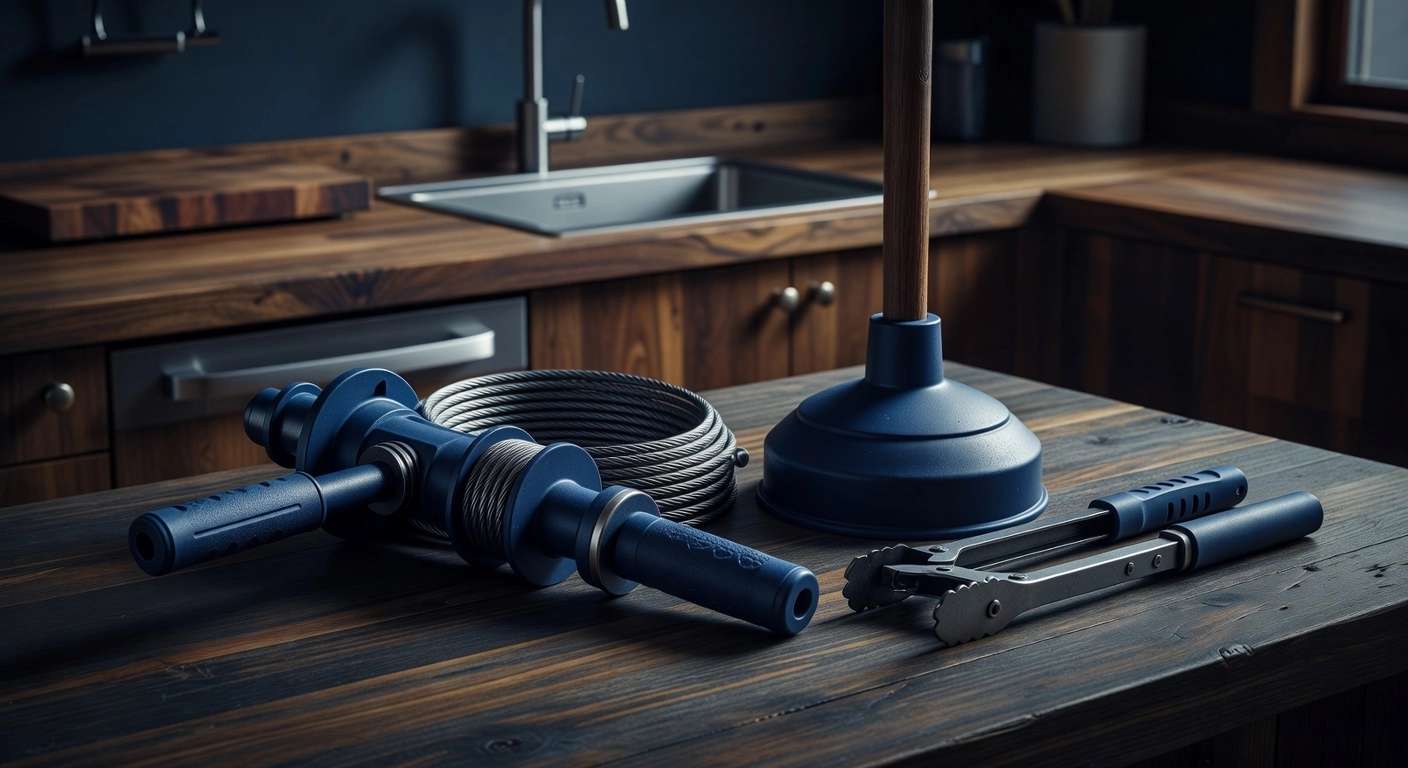
For clogs that resist plunging, a handheld drain snake is your next step. These flexible cable tools physically break apart and retrieve compacted grease, food debris, and soft blockages that plungers cannot reach. They are safe for all common pipe materials, produce no heat, and introduce absolutely nothing to the sink environment. Basic plastic or metal versions are widely available for under $20, making them a practical addition to any DIY toolkit. Wear gloves during use, since debris can splash back during retrieval.
Strainers: The Most Underused Prevention Tool
A fine-mesh stainless steel sink strainer may be the single most cost-effective investment in your kitchen. For roughly $5 to $10, it catches food particles, grease globs, rice, and debris before they ever reach your pipes. One 2026 report noted a simple stainless-steel screen stopping cheese and rice grains in real household use, preventing the exact buildup that causes stubborn kitchen clogs. Empty it after each use and rinse it weekly.
Hydro-Jet Attachments for Stubborn Buildup
For persistent grease accumulation inside sink lines, DIY hydro-jet attachments that connect to a standard garden hose or electric pressure washer can flush pipe walls with pressurized water. Understanding whether chemical or mechanical options are safer for your specific situation often leads homeowners to this approach as a chemical-free solution for stubborn buildup that snakes cannot fully clear.
The broader advantage of all mechanical methods is fume elimination. Chemical drain cleaners release vapors that can irritate respiratory systems and potentially affect nearby wood finishes on cabinets and countertops. Mechanical tools produce none of that. They should always be your first response before any liquid cleaner is considered, keeping your wood kitchen safe from both immediate chemical contact and the slower damage caused by repeated fume exposure.
What to Do If Drain Cleaner Contacts Your Wood Countertop or Cutting Board
Accidents happen fast in a busy kitchen, and knowing exactly what to do in the first 60 seconds can mean the difference between a minor surface blemish and irreversible structural damage to your wood countertop or cutting board.
Step 1: Flood with Cold Water Immediately
The moment drain cleaner contacts wood, your first move is to flood the area with cold running water for a minimum of two minutes. Do not reach for a cloth or try to wipe the spill first; that action spreads the chemical deeper into the grain. Cold water dilutes and carries the caustic material away from the surface before it has time to penetrate. Hot water can accelerate the chemical reaction, so keep the tap cool and let volume do the work. Blot the area dry with paper towels afterward rather than rubbing.
Step 2: Neutralize Residual Alkaline Cleaners

Most common drain cleaners are lye-based and highly alkaline. After rinsing, apply a diluted white vinegar solution (equal parts vinegar and water works well) directly to the affected area and let it sit for one to two minutes before rinsing again. Vinegar is mildly acidic and counteracts the elevated pH left behind by lye, which limits continued wood fiber breakdown even after the bulk of the cleaner is gone. This is a critical step that many people skip, and skipping it allows the chemical to keep working long after the initial spill. For context on how wood responds to pH imbalance, this woodworking community thread on drain cleaner damage documents real outcomes homeowners have experienced.
Step 3: Assess the Damage Carefully
Once the area is rinsed and neutralized, allow it to air dry partially and examine the surface closely. Bleaching or lightening of the wood typically indicates that damage is limited to the finish or the uppermost wood fibers, which is a recoverable situation. Dark discoloration, black marks, or spots that feel soft or spongy under light finger pressure indicate that the chemical has penetrated deeper into the grain and broken down the lignin structure. The Sprague Woodworking countertop care guide reinforces that caustic exposure can cause both cosmetic and structural wood damage depending on contact time and wood species.
Step 4: Re-Oil for Minor Exposure
If damage appears surface-level, allow the wood to dry completely for at least 24 to 48 hours before applying food-safe mineral oil. Drain cleaner strips moisture aggressively from wood fibers, and re-oiling replenishes that lost hydration while helping to restore even color and surface appearance. Apply oil generously, allow it to absorb for several hours, then wipe away any excess. Two to three applications over consecutive days often yields the best results for mild chemical exposure incidents.
Step 5: Sand and Refinish for Severe Damage
Persistent discoloration after re-oiling, raised grain that will not lie flat, or soft spots that remain after drying all point to damage that requires more than surface treatment. In these cases, sanding back to bare wood is the most effective path forward. Start with 80 to 120-grit sandpaper to remove damaged material, then progress through 180 to 220-grit for a smooth finish before applying a food-safe oil or butcher block conditioner. This process closely mirrors the water stain restoration approach detailed in WoodStuffHQ’s wood care guides, and the same patient, layer-by-layer refinishing method applies here as well.
How to Prevent Drain Clogs in Wood Countertop Kitchens
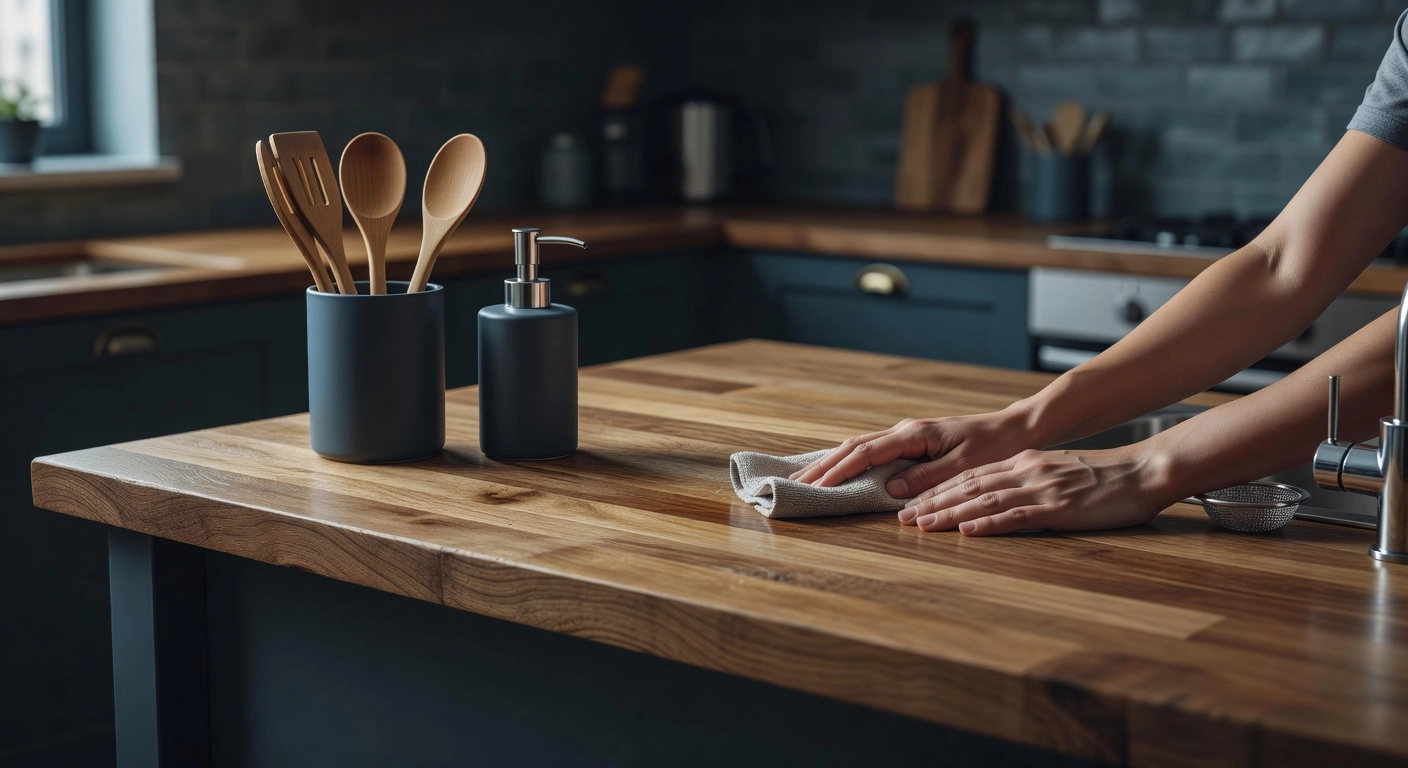
Prevention is always the better strategy, especially when your kitchen features butcher block countertops or wood prep surfaces that react poorly to moisture, standing water, and harsh chemicals. Building a few simple habits into your daily kitchen routine dramatically reduces the need for any drain cleaner product near your wood surfaces in the first place.
Scrape before you rinse. Before washing cutting boards, sheet pans, or prep bowls, scrape all food debris directly into a compost bin or trash can. This single habit eliminates the majority of food-based clogs at the source. Food particles, coffee grounds, and vegetable trimmings compact tightly inside P-traps and pipe bends, building blockages over weeks and months. A dedicated bench scraper or silicone spatula kept near your sink makes this step effortless and automatic.
Flush with hot water after oily sessions. After washing greasy pots or rinsing oily cutting boards that have been treated with mineral oil, run hot water for a full 30 seconds. This keeps cooking oils and residual wood-care oils in liquid form long enough to move through the drain line before they cool and adhere to pipe walls. Pair the hot water flush with a small drop of dish soap for better emulsification on especially greasy days.
Use a fine-mesh strainer consistently. A fine-mesh sink strainer is the most cost-effective clog prevention tool available. It captures the fine particulates that coarser drain baskets miss entirely. Clean the strainer after every dish session rather than waiting until it overflows, because saturated strainers allow debris to bypass into the drain.
Schedule a monthly enzymatic flush. Enzyme packets or a simple baking soda and vinegar treatment applied once per month keeps organic buildup from accumulating in drain lines. These methods are non-corrosive and produce no fumes, making them completely safe to use near sealed butcher block or oiled wood countertops. Pour half a cup of baking soda followed by one cup of vinegar, allow it to work for 15 minutes, then flush with hot water.
Store drain products away from wood care supplies. Keep any drain cleaner, even enzymatic formulas, in a cabinet completely separate from your mineral oil, beeswax, and wood conditioners. Caustic residue on a storage shelf can transfer to rags, applicator cloths, or bottle exteriors, and those tools eventually contact your wood surfaces. Dedicated storage eliminates that risk entirely.
Choosing the Right Drain Cleaner to Protect Your Wood Kitchen
The verdict is clear for wood-forward kitchens: enzymatic cleaners and DIY baking soda methods are your safest, most reliable options. They break down grease and food buildup without introducing corrosive chemistry anywhere near your butcher block, wood prep surfaces, or cutting boards.
Before reaching for any liquid cleaner, always attempt mechanical methods first. A plunger handles most kitchen sink clogs quickly and safely. A drain snake tackles deeper, recurring blockages without a single drop of chemical contact. These tools should be your first line of defense every time.
If you must use a liquid product, read the label carefully. Any formula listing sodium hydroxide, sulfuric acid, or bleach is off-limits in a porous wood kitchen. The marginal speed advantage simply does not justify the risk of discoloration, drying, or etching on your wood surfaces.
If accidental contact does occur, rinse immediately with cold water, then re-oil the surface completely once dry.
Better yet, build prevention into your weekly routine. Regular enzyme maintenance treatments and a fine-mesh sink strainer eliminate most clogs before they start, keeping harsh chemistry out of your kitchen entirely.
Conclusion
Your butcher block and wood countertops are worth protecting. By choosing enzyme-based or gentler formula drain cleaners, checking ingredient labels for sulfuric acid and lye, and keeping the right product on hand before a clog strikes, you can maintain both a functional kitchen drain and a beautiful wood surface.
The bottom line is simple: not all drain cleaners are created equal, and the wrong choice can cause permanent, expensive damage in seconds. The right choice costs no more and works just as well.
Ready to protect your kitchen investment? Pick one of the wood-safe drain cleaners from our top recommendations, keep it stored under your sink, and handle future clogs with total confidence. Your countertops will thank you.
Frequently Asked Questions
Can I use Drano or Liquid-Plumr if I have butcher block countertops near my kitchen sink?
It is strongly recommended to avoid Drano, Liquid-Plumr, and similar chemical drain cleaners in kitchens with butcher block or wood countertops. These products contain sodium hydroxide (lye), bleach, or sulfuric acid that can immediately strip finishes, discolor wood grain, and cause irreversible structural damage on contact. Even fumes from these products can gradually degrade food-safe finishes like mineral oil and beeswax. Safer alternatives include enzymatic cleaners like Green Gobbler, DIY baking soda and vinegar methods, or mechanical options like a plunger or drain snake.
What is the safest type of drain cleaner to use around wood countertops and cutting boards?
Enzymatic and bacteria-based drain cleaners are the safest liquid option for wood-surface kitchens. Products like Green Gobbler, Bio-Clean, and Earthworm use live bacterial cultures and natural enzymes to digest organic buildup biologically rather than through corrosive chemistry. They produce no heat, no caustic fumes, and pose no risk of damaging wood surfaces on accidental contact. For the absolute safest approach, a DIY baking soda and white vinegar flush costs under a dollar per use and carries zero risk to wood surfaces, making it ideal for routine maintenance.
What should I do immediately if drain cleaner accidentally splashes onto my butcher block or wood countertop?
Act within the first 60 seconds to minimize damage. First, flood the affected area with cold running water for at least two minutes without wiping, as wiping spreads the chemical deeper into the wood grain. Next, apply a diluted white vinegar solution (equal parts vinegar and water) to neutralize any lye-based residue and limit continued wood fiber breakdown. Allow the surface to air dry, then assess the damage. For minor surface-level discoloration, re-apply food-safe mineral oil after 24 to 48 hours of drying. For deeper damage such as soft spots or persistent dark staining, sanding back to bare wood and refinishing may be required.
How can I prevent kitchen sink clogs without using harsh chemical drain cleaners near my wood surfaces?
Several simple habits dramatically reduce the need for drain cleaners in wood-surface kitchens. Always scrape food debris into a trash or compost bin before rinsing dishes and cutting boards. Run hot water for 30 seconds after washing greasy pots to keep oils moving through the drain. Use a fine-mesh stainless steel sink strainer to capture food particles before they enter the pipes, and clean it after every dish session. Perform a monthly enzymatic flush using baking soda and vinegar or enzyme packets to prevent organic buildup from accumulating. These preventive measures keep harsh chemistry out of your kitchen environment entirely.
Are mechanical drain clearing tools better than liquid cleaners for kitchens with wood countertops?
Yes, mechanical methods are the recommended first response for any clog in a wood kitchen because they involve zero chemical contact with your sink or surrounding surfaces. A flat-bottomed cup plunger handles most kitchen sink clogs quickly by generating suction-pressure waves that dislodge blockages near the P-trap. For deeper clogs, a handheld drain snake physically breaks apart and retrieves compacted debris without introducing any chemicals, fumes, or heat. These tools eliminate the risk of corrosive splashing on wood countertops and the gradual fume-related degradation of wood finishes that can occur with repeated chemical cleaner use in enclosed kitchen spaces.