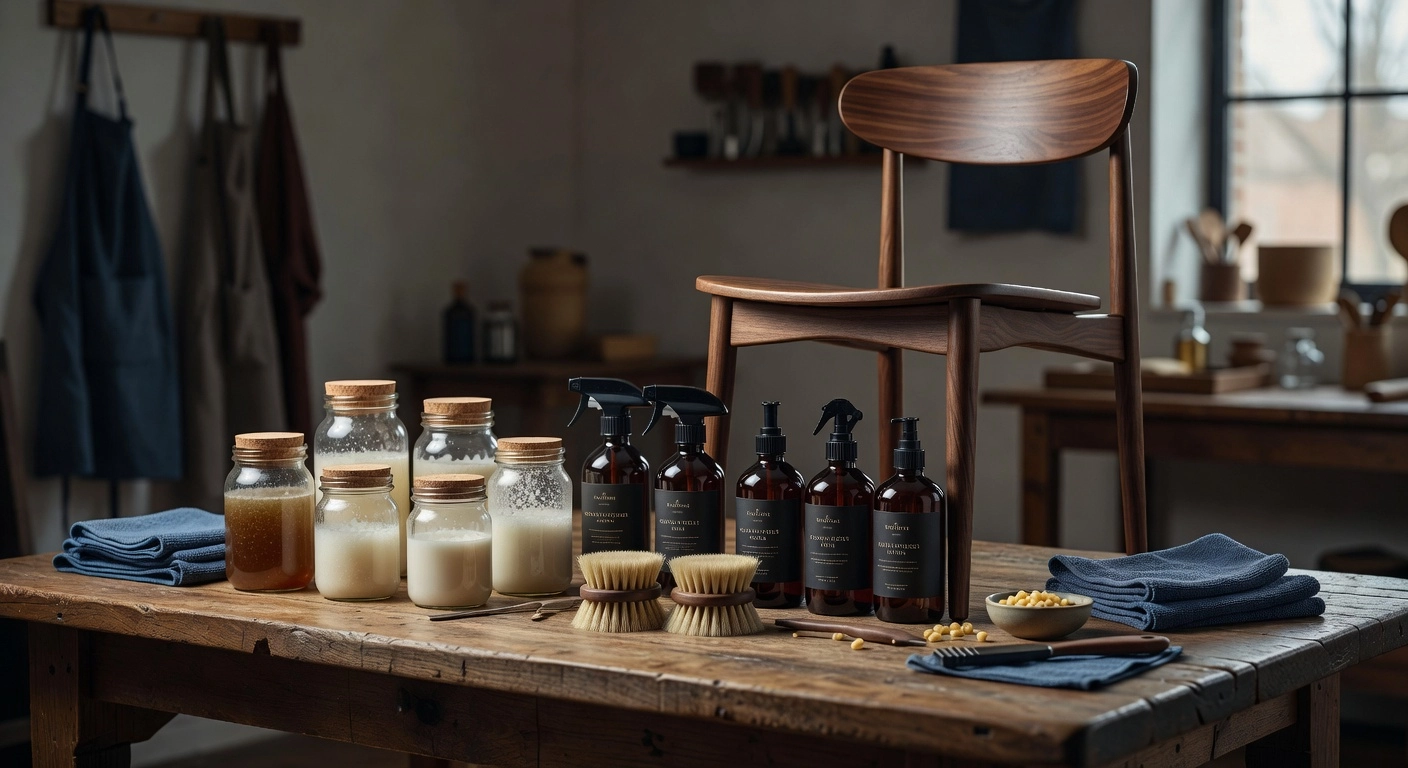
There’s nothing quite like the warm, inviting look of wood furniture in a home. But keeping it clean and looking its best? That’s where a lot of people get stuck. Whether you’re dealing with sticky fingerprints, dusty surfaces, or mysterious smudges, having the right wood furniture cleaner on hand can make all the difference.
The good news is that you don’t need to be an expert to keep your wooden pieces looking gorgeous. With so many options available, from store-bought solutions to simple homemade recipes, there’s something that works for every budget and skill level.
In this post, we’re breaking it all down for you. You’ll discover our top picks for the best store-bought wood furniture cleaners, plus some easy DIY recipes you can whip up using ingredients you probably already have at home. We’ll also share some beginner-friendly tips to help you get the best results without accidentally damaging your furniture. So whether you’re a first-time homeowner or just someone who wants to show their wooden pieces a little more love, you’re in the right place. Let’s get started!
At a Glance: Commercial vs. DIY Wood Furniture Cleaners
Not all wood furniture cleaners are created equal, and picking the wrong one can do more harm than good. Here’s a quick side-by-side breakdown to help you choose with confidence.
Commercial vs. DIY: Quick Comparison
| Product | Cost | Residue | Safety | Silicone-Free | Best For |
|---|---|---|---|---|---|
| Murphy Oil Soap | $4–8 | Low-medium | Pet/kid safe (EWG C) | Yes | Lacquered, sealed finishes |
| Howard Orange Oil | $8–15 | Very low | Natural, pet/kid safe | Yes | Oiled finishes |
| Guardsman Clean & Polish | $8–12 | Very low | Generally safe | Yes (specific lines) | Daily use, sealed wood |
| Weiman Polish | $6–10 | Low | Pet-safe claims | Varies by formula | Sealed, finished surfaces |
| Minwax Paste Wax | $8–12 | Protective wax layer | Standard safe | Yes | Waxed finishes |
| Aunt Fannie’s | $6–10 | Very low | EWG A-rated, pet/kid safe | Yes | All finished wood |
| DIY Vinegar-Olive Oil | Under $1 | Low (buff well) | Excellent | N/A | Oiled, lightly finished |
| DIY Glycerin Variant | Under $1 | Very low | Excellent | N/A | Sealed and oiled wood |
| DIY Beeswax Polish | $2–5 | Protective wax | Excellent | N/A | Waxed, unfinished wood |
The One Red Flag You Need to Know
Before anything else, watch out for silicone-based formulas. This is the biggest problem hiding in plain sight, and most product labels won’t spell it out for you. Silicone creates an invisible buildup layer that dulls your wood’s natural grain over time. Worse, if you ever want to refinish or touch up that piece, the silicone causes a “fish-eye” defect in the new finish, making the surface look bubbled and uneven. As Popular Woodworking explains, silicone contamination can make refinishing extremely difficult without a full strip-down. General Finishes notes that removing silicone from wood is a frustrating, time-consuming process. Stick to silicone-free options, and you’ll protect your furniture’s future.
Match Your Cleaner to Your Finish Type
The finish on your wood matters more than most beginners realize. For lacquered or polyurethane-sealed furniture, diluted Murphy Oil Soap or a gentle spray like Guardsman works well without stripping the coating. For oiled finishes, Howard Orange Oil is a natural fit since it penetrates and conditions similarly. For waxed surfaces, Minwax Paste Wax or a DIY beeswax polish maintains that protective barrier beautifully. For unfinished or raw wood, keep moisture minimal; dry dusting or a very light oil application is safest. As Howard Products advises, always test any cleaner in a hidden spot first before committing to the whole surface.
How to Choose the Right Wood Furniture Cleaner for Your Finish
Before you spend a single dollar on a wood furniture cleaner, there’s one thing that matters more than price, scent, or brand recognition: knowing what finish is on your furniture. Using the wrong cleaner on the wrong finish is one of the most common (and easily avoidable) mistakes beginners make.
Know Your Finish First
Wood furniture falls into four main finish categories, and each one reacts very differently to cleaners. Lacquered or polyurethane finishes create a hard, plastic-like barrier over the wood. These are the most common on modern furniture and can be clouded or etched by harsh solvents or overly alkaline products. Oiled finishes (like Danish oil or tung oil) soak deep into the wood rather than sitting on top, giving that natural, matte look. Water-heavy or acidic cleaners can swell the wood grain or wash the oil right out of the pores. Waxed finishes are softer and more delicate; acids and strong solvents can dissolve the wax layer almost instantly, leaving a dull, patchy surface. Unfinished or raw wood has zero protection, meaning virtually any liquid cleaner can cause discoloration, grain-raising, or permanent staining. You can learn more about how different wood finishes behave before committing to any product.
Two Simple Home Tests Before You Buy
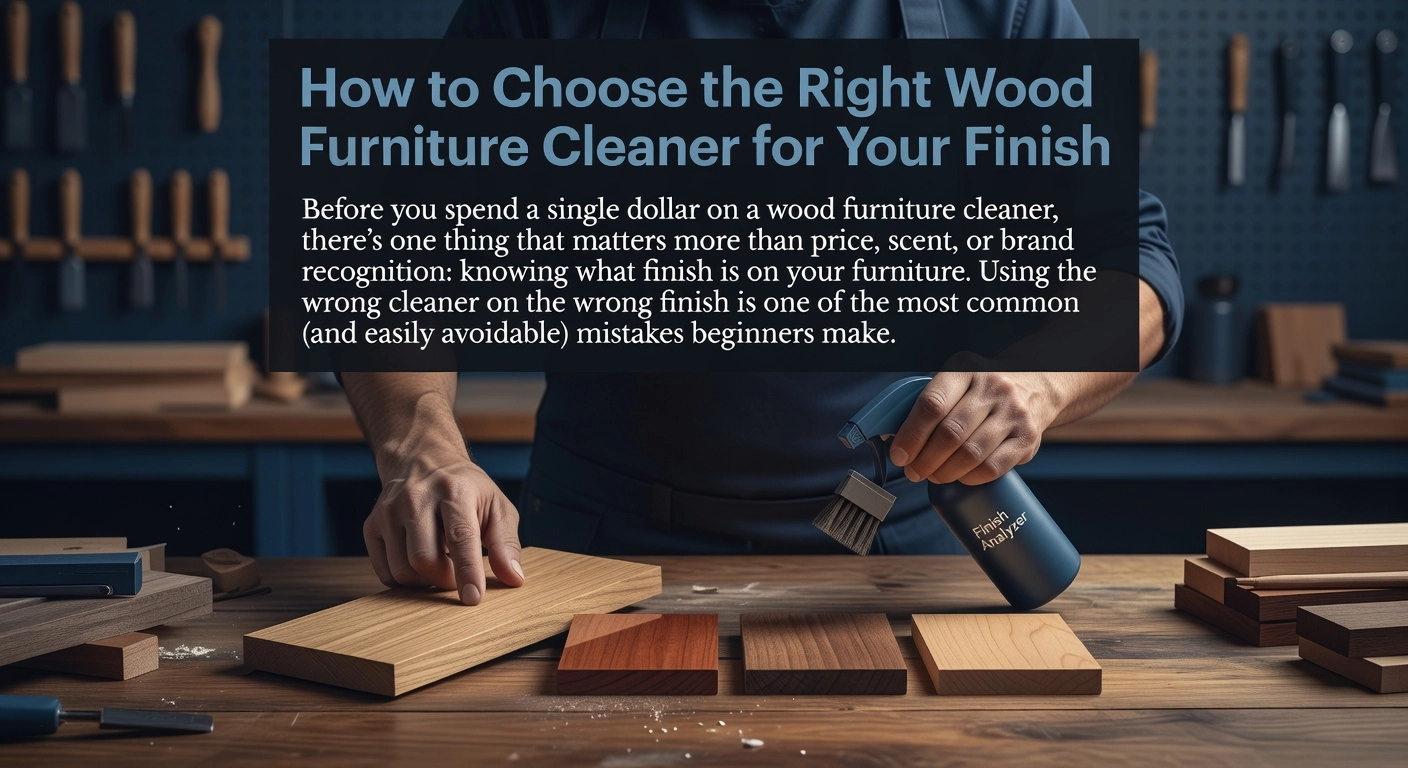
You can identify your finish in about two minutes without any special tools. For the water-drop test, place a small drop of water on a hidden spot like the underside of a tabletop. If it beads up cleanly, you likely have a film finish like polyurethane. If it soaks in and darkens the wood, you are probably dealing with an oiled or unfinished surface. A temporary white ring that rubs away usually points to wax. For the fingernail scratch test, lightly drag your fingernail across an inconspicuous area. Wax and shellac will show a faint scratch easily, while polyurethane or lacquer will feel rock-hard and resist marking. These two quick checks, recommended by finishing experts at resources like Wagner Meters’ wood finish guide, can save you from a costly mistake.
Why Silicone-Free Is Non-Negotiable
If there is any chance you will ever sand, touch up, or refinish a piece, always choose a silicone-free wood furniture cleaner. Silicone oils found in many aerosol polishes feel great going on, but they migrate into wood pores over time. When you later apply a new topcoat, the silicone causes “fisheye,” where the fresh finish beads up and craters instead of laying flat. Fixing fisheye contamination is a serious headache that often requires aggressive solvent cleaning and a shellac barrier coat. Choosing silicone-free from the start is far simpler.
Use EWG Ratings to Compare Safety Quickly
Shopping for a low-VOC or non-toxic cleaner can feel overwhelming, but the Environmental Working Group’s cleaning product database makes it much easier. EWG rates wood furniture polishes and cleaners on an A-to-F scale based on ingredient transparency, respiratory hazard, and VOC emissions. A quick search on EWG’s cleaning product database for your shortlisted products gives you an at-a-glance safety comparison without reading every label in detail. Plant-based and fragrance-free formulas tend to score better, which aligns with current trends toward eco-friendly wood care.
Vinegar Is Not a Universal Fix
One last thing worth knowing before you grab ingredients from your pantry: popular vinegar-based DIY recipes are not safe for all finishes. Vinegar’s acidity can dissolve a wax topcoat or strip a penetrating oil finish, leaving the wood looking dull and unprotected. It is generally less harmful on sealed polyurethane surfaces when heavily diluted, but even then, frequent use can cause problems. The later sections of this guide will walk you through finish-specific cleaning methods so you always use the right approach for what you actually have.
Best Commercial Wood Furniture Cleaners Ranked
Now that you know how to match a cleaner to your finish type, let’s look at the actual products worth buying. These six options cover a wide range of needs, from everyday dusting sprints to deep conditioning sessions for tired, thirsty wood.
1. Murphy Oil Soap
If you’ve ever asked anyone what to use on wood furniture, there’s a good chance Murphy Oil Soap came up. And honestly, the hype is deserved. This classic cleaner uses a gentle plant-based surfactant formula made from about 98% natural ingredients, including coconut and plant-derived cleaners. It cuts through everyday dust and light grime without stripping your existing polish or wax coating. For beginner-friendly regular maintenance, it’s hard to beat.
Quick Callout:
- Scent: Pleasant, mild natural scent (not overpowering)
- Residue: Minimal to none when properly diluted
- Finish Compatibility: Great for sealed finishes; use with caution on unsealed or waxed-only surfaces
- Silicone Status: Silicone-free
- Cost Per Use: Roughly $0.05 to $0.10 per cleaning (32 oz bottle runs about $5 to $8)
2. Howard Products Feed-N-Wax and Orange Oil
If Murphy Oil Soap is the everyday workhorse, Howard Products Feed-N-Wax is the weekend restoration specialist. The orange oil in this formula actually penetrates into the wood fibers rather than just sitting on the surface, which makes it excellent for dried-out, thirsty pieces. The blend of beeswax, carnauba wax, mineral oil, and orange oil works beautifully on oiled and unfinished surfaces, and it’s one of the very few commercial options that cleans and conditions in the same step. You can learn more about what makes it stand out in this detailed furniture polish breakdown. Because it’s silicone-free, you also don’t have to worry about future refinishing headaches like fisheyes.
Quick Callout:
- Scent: Fresh, natural orange scent
- Residue: Low residue with proper buffing
- Finish Compatibility: Best for oiled, unfinished, or dry wood; always spot-test on sealed surfaces first
- Silicone Status: Silicone-free
- Cost Per Use: Around $0.20 to $0.40 per use (16 oz bottles typically run $10 to $15)
3. Guardsman Anytime Clean and Polish
Sometimes you just need something you can grab, spray, and be done with in two minutes. That’s exactly where Guardsman shines. This ready-to-use spray combines cleaning and light polishing into one quick step, which is perfect for weekly maintenance on lacquered or finished furniture. It’s been recognized in independent testing as a top performer for everyday convenience, and many versions include light UV protection to help prevent fading over time. The non-toxic positioning also makes it a comfortable pick for households with kids or pets running around.
Quick Callout:
- Scent: Mild and pleasant
- Residue: Minimal; leaves a low-luster shine without heavy buildup
- Finish Compatibility: Best for lacquered and sealed finished pieces
- Silicone Status: Typically silicone-free and wax-free
- Cost Per Use: Very low, just a few cents per spray (bottles range from $8 to $14)
4. Weiman Wood Cleaner and Polish
Weiman is the product to reach for when your furniture has seen better days and needs a more serious clean. It performs especially well on heavily soiled sealed surfaces, cutting through built-up grime and leaving behind a decent polish at the same time. You’ll find it at most major retailers, which is convenient when you need a last-minute solution. The one thing to be aware of is the fragrance in the formula. It’s not overwhelming, but households with scent sensitivities or allergies may want to weigh that before buying.
Quick Callout:
- Scent: Light, often almond-forward fragrance (present but not strong)
- Residue: Low residue on sealed surfaces
- Finish Compatibility: Best on finished, sealed wood
- Silicone Status: Generally low or no silicone emphasis
- Cost Per Use: About $0.10 or less (16 oz sprays around $6 to $10)
5. Minwax Cabinet and Furniture Cleaner
Kitchen cabinets take a beating. Between cooking grease, fingerprints, and general humidity, they accumulate grime faster than almost any other wood surface in your home. Minwax Cabinet and Furniture Cleaner is specifically built for that kind of heavy-duty challenge. It works on finished wood, laminate, and painted surfaces, and it’s particularly useful as a prep step before any refinishing project, since it removes the grimy buildup that would otherwise interfere with a fresh finish.
Quick Callout:
- Scent: Mild to neutral
- Residue: Minimal
- Finish Compatibility: Optimized for sealed cabinets and furniture; avoid on waxed or oiled surfaces per label guidance
- Silicone Status: Typically silicone-free
- Cost Per Use: Very economical (32 oz bottles around $8 to $12)
6. Aunt Fannie’s Wood-Care Line
Aunt Fannie’s is the pick for anyone who wants to keep things as clean and non-toxic as possible. Their wood-care products use natural, no-wax formulas with strong EWG (Environmental Working Group) ratings, often scoring an “A” for low hazard, which is about as good as it gets in that database. If you’re cleaning furniture in a nursery, near a toddler, or you simply prefer fragrance-free products, this line deserves a serious look. It handles everyday cleaning on sealed wood surfaces without leaving behind any waxy residue to deal with later.
Quick Callout:
- Scent: Light natural scent or fragrance-free options available
- Residue: No-wax, low-residue formula
- Finish Compatibility: Suitable for sealed wood surfaces
- Silicone Status: Silicone-free
- Cost Per Use: Around $0.15 to $0.30 per use, comparable to other premium natural options
The best part about this list is that you don’t have to pick just one. Many homeowners keep Murphy Oil Soap for weekly wipe-downs, Howard Feed-N-Wax for older or dryer pieces that need extra care, and something like Guardsman or Minwax on hand for specific surfaces like lacquered antiques or greasy kitchen cabinets. Matching the right product to the right job makes all the difference, and now you’ve got a solid starting lineup to work from.
DIY Wood Furniture Cleaner Recipes That Actually Work
Sometimes the best wood furniture cleaner is already sitting in your kitchen cabinet. These three recipes have been circulating online for over nine years with sustained reader engagement, and for good reason: they work, they’re safe for most sealed finishes, and they cost a fraction of what you’d spend on commercial products.
Recipe 1: Vinegar, Olive Oil, and Lemon Juice All-in-One Cleaner and Polish
This is the go-to recipe for sealed lacquered or polyurethane finishes, and it handles cleaning and polishing in a single step. The white vinegar cuts through grease, sticky residue, and grime using its natural acidity. The olive oil conditions the wood surface and leaves a subtle shine. The lemon juice adds extra cleaning power along with a fresh scent that most people love.
What you need:
- ½ cup white vinegar (use apple cider vinegar for darker wood tones)
- ¼ cup olive oil
- 1 tablespoon fresh lemon juice
- Optional: 20 drops of lavender or citrus essential oil for scent
How to make it: Pour everything into a glass spray bottle and shake well. The ingredients separate naturally, so give it a shake before every few sprays. Lightly mist the surface, then wipe with a soft microfiber cloth going with the grain. Buff dry immediately for the best shine. Store the bottle in a cool, dark spot and use it within two weeks. Olive oil goes rancid over time, and a small fresh batch always performs better than an old one. If it smells off, toss it and mix a new round.
Recipe 2: Olive Oil and Essential Oil Conditioning Polish
This recipe is less about cleaning and more about bringing dry or tired-looking wood back to life. It works beautifully on lightly oiled surfaces or sealed wood that has lost its luster. The real trick here is understanding how the oil ratio affects the final result.
What you need:
- ¾ cup olive oil (or jojoba oil for a longer shelf life)
- 15 drops lemon or orange essential oil
- ¼ cup white vinegar (optional, only if you want light cleaning action)
How to use it: If your wood looks dry and dull, skip the vinegar entirely and go heavy on the olive oil. That formula leans hard into conditioning and restoration. If you want a little cleaning mixed in with the conditioning, add the vinegar back in. Apply a small amount to a soft cloth, rub it in gently, and then buff off any excess with a clean dry cloth. A little goes a long way here. Over-applying oil on sealed furniture can leave a sticky buildup over time, so less is more with this one.
Recipe 3: Mild Dish Soap and Warm Water
For quick cleanups, fingerprints, and light grease on sealed furniture, this is honestly all you need. No oils, no acids, just a few drops of mild dish soap in warm water.
The ratio that matters: Add 2 to 3 drops of dish soap per cup of warm water. You want barely-there suds, not a soapy bucket. Dip a microfiber cloth, wring it out until it feels almost dry to the touch, and wipe the surface following the wood grain. Here is the step most beginners skip: immediately follow up with a dry cloth to remove every trace of moisture. Water is wood’s worst enemy. Even sealed furniture can suffer warping, discoloration, or lifting at the edges if moisture sits too long.
One Big Warning Before You Start
Never use vinegar-based recipes on waxed surfaces, raw unfinished wood, or antiques with shellac finishes. Here is the simple chemistry behind that rule. Vinegar is acetic acid. Shellac is sensitive to both acids and moisture, so vinegar can cloud it, soften it, or cause it to lift. Wax finishes are similarly vulnerable; the acid dissolves the wax layer rather than cleaning over it. On raw unfinished wood, the liquid soaks straight into the porous grain and can cause swelling or long-term discoloration. If you are not sure what finish your furniture has, stick with a barely damp cloth or the mild soap solution from Recipe 3 until you know for certain.
The Cost Case for Going DIY
Most batches from these three recipes cost well under $1 using pantry staples you likely already own. Compare that to the $8 to $20 price tag on most commercial wood furniture cleaners, and the savings add up fast, especially if you clean regularly. Resources like the olive oil wood cleaner guide from Queen Creek Olive Mill back up these recipes with detailed ingredient explanations for anyone who wants to dig deeper. These DIY formulas are not a compromise. For most sealed wood furniture in everyday homes, they genuinely get the job done.
DIY vs. Commercial Wood Cleaners: An Honest Side-by-Side
You’ve already seen how DIY recipes and commercial sprays each perform on their own terms. Now let’s put them side by side across five real-world factors so you can decide which approach actually fits your life.
1. Cost Over 12 Months
This one isn’t even close. A basic DIY cleaner made from white vinegar, olive oil, and a squeeze of lemon costs roughly $0.02 to $0.10 per application using pantry staples you probably already own. Commercial ready-to-use sprays, on the other hand, average around $0.30 to $0.80 per use depending on bottle size and how often you’re cleaning. If you’re wiping down furniture weekly, that gap adds up to $75 to $150 in savings per year by going the DIY route. For budget-conscious households, that’s a real number worth considering.
2. Residue and Buildup
Here’s where both sides get a little humbling. Some commercial polishes, especially those containing oils, silicones, or waxes, can leave a film that builds up over months and actually attracts more dust. But DIY olive oil blends are not innocent either. If you apply too much and don’t buff thoroughly, you’ll end up with a greasy surface that collects grime just as fast. The fix is the same for both: use a light hand and a clean microfiber cloth, and buff until the surface feels dry to the touch rather than slick.
3. Longevity of Protection
This is where commercial products pull ahead. Formulas containing carnauba wax or beeswax create a measurable protective layer on the wood surface, offering real resistance to moisture, light scratches, and everyday wear. That protection can last several months with a single proper application. DIY vinegar-based cleaners are genuinely excellent at lifting dirt and grime, but they do not lay down a protective barrier the way wax does. Oil blends offer some short-term conditioning, but they need more frequent reapplication and won’t seal the surface. You can read more about how natural and commercial cleaners compare for wooden furniture if you want a deeper dive on this point.
4. Safety Profile
DIY recipes win on transparency. When you mix vinegar and olive oil in your kitchen, you know exactly what’s going in. No hidden fragrances, no silicone compounds, no VOC surprises. Commercial products vary widely in this department. Some are genuinely clean and low-risk, while others contain fragrance allergens or silicone that can cause problems down the road, especially if you ever plan to refinish a piece. Before buying any commercial wood furniture cleaner, it’s worth running a quick search on the EWG’s wood furniture cleaner ratings or looking for EPA Safer Choice certification on the label.
5. Convenience Factor
Commercial sprays win this round without argument. There’s nothing to mix, nothing to shake, and no estimating ratios. You spray, wipe, and move on. For a busy household with a large dining table, a coffee table, and a full set of bedroom furniture, that speed matters. DIY requires a bit of prep, a spray bottle you’ve labeled yourself, and enough time to buff properly. It’s not complicated, but it does add a few minutes to each session.
The Verdict
Go commercial for high-traffic family pieces like dining tables and frequently touched surfaces where durability and quick protection are the priority. Look for wax-based formulas with solid safety ratings. Go DIY for occasional conditioning sessions, antique furniture where you want full ingredient control, or if you’re building a low-waste, eco-conscious cleaning routine at home. Better yet, use both: a DIY cleaner for weekly maintenance and a commercial wax-based product once every couple of months for added protection.
What to Avoid When Cleaning Wood Furniture
Knowing what works is only half the battle. Knowing what to avoid can save your furniture from damage that’s expensive or even impossible to reverse. Here are the six biggest mistakes to sidestep.
1. Silicone-Based Formulas
Some popular polish brands, including certain Pledge variants and many off-brand polishes, contain silicone oil. The problem is that silicone seeps deep into wood pores, especially through any cracks or worn spots in the finish. Once it’s in there, it’s incredibly persistent. If you ever try to refinish that piece later, the silicone causes new finish coats to bead up into craters called “fisheyes,” making proper adhesion nearly impossible. Fixing it often requires deep sanding, multiple shellac seal coats, or even full stripping. That’s a lot of extra work from a product that seemed harmless. You can read more about how silicone causes fisheye defects in wood finishes at Popular Woodworking.
2. Undiluted White Vinegar on the Wrong Finishes
Vinegar is a popular DIY ingredient, but it’s not one-size-fits-all. On polyurethane-sealed surfaces, diluted vinegar works fine for occasional cleaning. However, if your furniture has an oiled, waxed, or shellac finish, the acidity in undiluted vinegar will gradually break down those protective layers with repeated use. This leaves the wood more vulnerable over time. When in doubt, stick to a dedicated wood cleaner or mild diluted dish soap.
3. All-Purpose Household Sprays
Windex, 409, and bleach-based cleaners are designed for glass and non-porous surfaces. On wood, the ammonia, alcohol, and harsh surfactants in these products strip the finish, pull out the wood’s natural oils, and accelerate drying and cracking. Furniture makers explicitly warn against them, and one bad cleaning session can leave your finish looking dull and faded.
4. Excess Water and Wet Cloths
Wood and standing moisture are enemies. Using a soaking wet cloth traps water under the finish, which creates cloudy white rings. On antique pieces or furniture with a veneer surface, the damage goes deeper, causing swelling and raised grain. Always use a barely damp microfiber cloth and dry the surface immediately after wiping.
5. High-VOC Solvents in Unventilated Spaces
Mineral spirits and naphtha are genuinely useful for dissolving heavy wax or polish buildup, but they release fumes that are hazardous in enclosed rooms. Always open windows, wear gloves, and consider a respirator. If you want a safer everyday option, check EWG’s wood furniture cleaner ratings for plant-based or A-rated alternatives with lower hazard profiles.
6. Myth-Bust: Not All Silicone Is Created Equal
To be fair, some modern polish formulas use modified silicone compounds that manufacturers claim are more refinishing-safe. This is a real development worth knowing about. That said, the consensus among professional woodworkers and furniture restorers is still clear: silicone-free products are the safer default, especially for pieces you might refinish or repair someday. It’s simply not worth the risk when so many excellent silicone-free options exist.
How to Clean Wood Furniture Without Causing Damage
Cleaning your wood furniture the right way is just as important as choosing the right product. Even the gentlest wood furniture cleaner can cause damage if you apply it the wrong way. Follow these six steps every time and your furniture will thank you for years to come.
1. Always test in a hidden spot first. Before touching the main surface, dab a small amount of your cleaner on the inside of a drawer face or the underside of a table leaf. Wait five minutes and check for any discoloration, stickiness, or finish lifting. This one habit can save you from irreversible damage, especially on antiques or pieces with unknown finishes.
2. Use a microfiber cloth, not paper towels or cotton rags. Microfiber cloths have ultra-fine fibers that actually lift and trap dirt rather than push it around. Paper towels can be surprisingly abrasive and leave lint behind. Cotton rags tend to smear dust across the surface. Microfiber is gentler on lacquered finishes and reduces the risk of tiny scratches you might only notice in direct light.
3. Less cleaner is always more. A dime-sized amount per square foot is genuinely all you need. Over-saturating wood causes streaking, residue buildup, and can actually soften the finish over time. Wring your cloth until it is barely damp before wiping, never soaking wet.
4. Always wipe with the grain, never against it. Cross-grain wiping creates fine scratches that show up clearly under raking light. Follow the natural direction of the wood grain on every single pass, whether you are dusting, cleaning, or buffing.
5. Stick to a consistent maintenance schedule. Dust lightly every week, do a proper surface clean monthly, and apply a conditioning treatment every three to six months. In dry climates, lean toward the three-month end to prevent cracking.
6. Buff dry immediately after cleaning. Never let any product sit on the surface. Follow up right away with a clean, dry microfiber cloth to remove moisture and residue, leaving a streak-free finish behind.
Common Questions About Wood Furniture Cleaners
Got a few lingering questions before you grab a bottle and get started? You’re not alone. Here are the answers to the most common questions beginners ask about wood furniture cleaners.
Is Murphy Oil Soap Safe for All Wood Furniture?
Murphy Oil Soap is safe for sealed wood surfaces like polyurethane, varnish, or lacquer. It cleans gently without ammonia, bleach, or phosphates, and it leaves a natural shine when diluted properly with warm water. However, it is not recommended for raw, unfinished, oiled, or waxed surfaces. On those finishes, the soap can absorb into the wood or strip the protective layer, leading to dullness, residue buildup, or long-term damage. If you plan to refinish a piece someday, repeated use can also leave a residue that complicates the process.
Can You Use Vinegar on Wood Furniture?
The answer depends entirely on your finish. Diluted vinegar, roughly one part vinegar to eight or ten parts water, can safely cut through grime on polyurethane or lacquer finishes as long as you wipe promptly and do not let it sit. On oiled, waxed, or shellac finishes, vinegar’s acidity can dull the sheen, soften the coating, or cause permanent cloudiness. Full-strength vinegar is a hard no on any wood surface. When in doubt, a mild dish soap solution is a safer everyday alternative.
What Is the Best Way to Remove Water Stains from Wood Furniture?
For white rings left by glasses or mugs, the mayonnaise or petroleum jelly method is a surprisingly effective first step. Apply a generous layer directly to the stain, let it sit for a few hours or overnight, then wipe it clean and buff gently. The oils work by displacing the trapped moisture in the finish. This works best on fresh, shallow stains on sealed surfaces. For deeper or darker stains, you will need a more targeted approach. Check out the full water stain repair guide on WoodStuffHQ for step-by-step instructions covering every stain type.
Is Pledge Bad for Wood Furniture?
It depends on the formula. Silicone-containing Pledge builds up over time, attracts dust, dulls the surface, and creates serious adhesion problems if you ever try to refinish or touch up the piece. It does not destroy wood overnight, but the long-term consequences are real. Silicone-free variants are less problematic for routine cleaning on sealed surfaces, though many wood care experts still prefer dedicated wood cleaners or simple soap solutions to avoid any residue at all.
How Often Should You Clean and Condition Wood Furniture?
A practical schedule looks like this: dust weekly with a microfiber cloth, clean with a wood-safe solution every one to four weeks for high-use pieces, and condition or polish two to four times per year when the surface starts looking dry or dull. Climate matters here. In dry or arid regions, condition more frequently, around every four to six weeks, to prevent cracking. In humid climates, focus on more regular cleaning to manage moisture and dust, but ease up on conditioning to avoid mildew or excess oil buildup.
What Is the Safest Wood Cleaner for Homes with Kids and Pets?
Three options consistently rise to the top for low-risk households. Aunt Fannie’s Wood Surface Cleaner is plant-based, EWG A-rated, and explicitly formulated to be safe around kids and pets. Howard Orange Oil is a natural citrus-based conditioner that is biodegradable and popular for both furniture and cabinets. And a simple dish soap dilution, just a few drops of mild, phosphate-free dish soap in warm water, is one of the gentlest options available for sealed surfaces. All three avoid silicones, harsh acids, and synthetic fragrances that can irritate little ones and furry family members.
Choosing the Right Wood Furniture Cleaner for Your Home
The single most important rule to carry with you: always match your cleaner to your finish type before buying or mixing anything. Polyurethane, shellac, wax, and raw wood all react differently, and skipping this step is the fastest way to cause damage you didn’t see coming.
When in doubt, default to silicone-free formulas. Silicone builds up invisibly over time and causes serious problems if you ever decide to sand, refinish, or restore the piece. It’s a hard problem to fix, so it’s much easier to just avoid it from the start.
Build two simple habits and you’ll sidestep the most common mistakes: always do a test patch in a hidden spot first, and always use a lightly dampened microfiber cloth rather than cotton rags or paper towels.
For sealed pieces, a basic DIY olive oil and dish soap solution is a gentle, budget-friendly starting point. As your routine grows, Howard Orange Oil or Murphy Oil Soap are trusted upgrades for regular maintenance.
Ready to go deeper? WoodStuffHQ has practical guides on water stain removal, scratch repair, and wood refinishing to help you build a complete furniture care routine from the ground up.
Conclusion
Keeping your wood furniture clean and beautiful doesn’t have to be complicated or expensive. Here are the key takeaways to remember:
- The right cleaner makes all the difference, whether store-bought or homemade
- Simple DIY recipes using everyday ingredients can work just as well as premium products
- Gentle, consistent care prevents long-term damage and keeps wood looking its best
- Always test any cleaner on a hidden spot before applying it broadly
Now it’s time to put this knowledge to work. Pick one product or recipe from this guide and give your favorite wooden piece some well-deserved attention today. Your furniture has the potential to last for generations with just a little regular care. Share your results in the comments below, and let us know which cleaner worked best for you. Beautiful, lasting wood furniture is absolutely within reach.
1 thought on “Best Wood Furniture Cleaners: Top Picks and DIY Recipes”