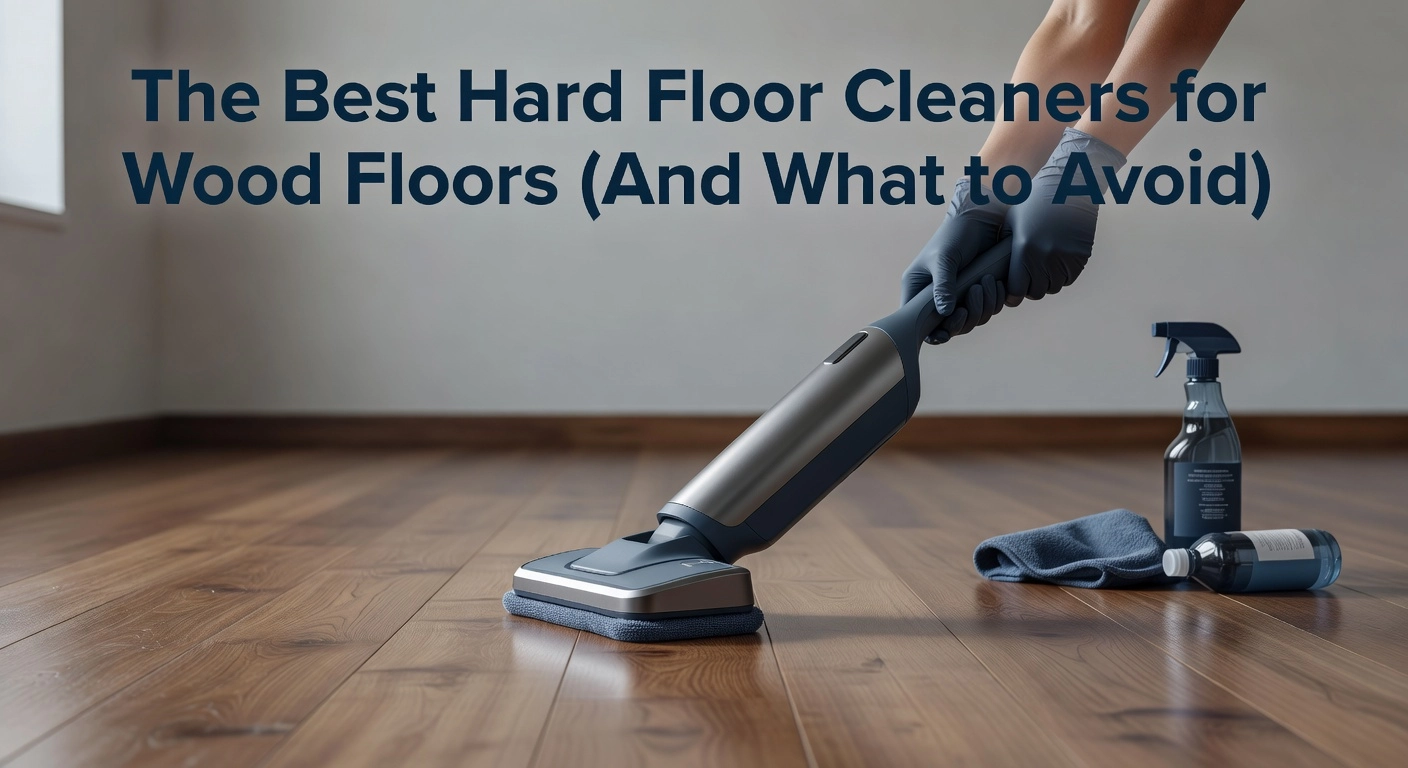
You just mopped your hardwood floors, stepped back to admire your work, and… they look streaky, dull, or somehow worse than before. Sound familiar? You are definitely not alone. Choosing the right hard floor cleaner for wood floors can feel surprisingly tricky, especially when the shelves are packed with dozens of options all promising amazing results.
Here is the thing: not every cleaner is safe for wood. Some products can strip the finish, leave behind sticky residue, or even cause warping over time. And if you are new to caring for hardwood floors, it is easy to accidentally grab a hard floor cleaner for wood floors that does more harm than good.
What Makes a Hard Floor Cleaner for Wood Floors Safe
Not all hard floor cleaners are created equal, and using the wrong one on wood floors can quietly cause damage over time. Here are the five things that separate a safe, wood-friendly hard floor cleaner for wood floors from one that will slowly wreck your finish.
1. pH-Neutral Formulas Protect Your Finish
The single most important thing to look for in a hard floor cleaner for wood floors is a pH-neutral formula, meaning a pH close to 7. Acidic cleaners and alkaline cleaners both gradually eat away at polyurethane and other protective finishes. According to The Spruce’s hardwood floor cleaner testing, pH-balanced products consistently protect finishes better than alternatives.
2. Residue-Free and Quick-Drying Formulas Matter Too
Even a pH-neutral hard floor cleaner for wood floors can cause problems if it leaves behind a sticky or hazy residue. Leftover film attracts dirt faster, makes floors look streaky, and builds up into a dull coating over time. Quick-drying formulas are equally important because the less time liquid sits on your wood, the better.
3. Damp Mopping vs. Wet Mopping
This distinction is huge for beginners. Damp mopping means using a well-wrung microfiber mop with just enough moisture to lift dirt. Wet mopping means a soaking-wet mop that leaves water pooling on your floor. Excess moisture seeps into seams and wood pores, causing swelling and finish damage.
4. Multisurface Cleaners Can Work Just as Well
You do not need to buy a separate wood-specific product if you have multiple floor types. Multisurface cleaners that explicitly list “safe for hardwood” on the label can perform just as effectively as a dedicated hard floor cleaner for wood floors. The key phrase there is “explicitly listed.”
5. How to Read a Cleaner Label Quickly
Look for: “pH neutral,” “safe for sealed hardwood,” “residue-free,” and “quick-drying.” Skip anything containing bleach, ammonia, strong acids, or waxes.
Bona Hardwood Floor Cleaner: Best Overall for Sealed Wood
If you have sealed hardwood floors, this is the hard floor cleaner for wood floors most experts keep coming back to. Bona’s Hardwood Floor Cleaner uses a pH-neutral, water-based formula specifically engineered for polyurethane-sealed surfaces like oak, maple, and engineered hardwood. Good Housekeeping’s Institute tested over 200 stains and named Bona their Best Overall pick for hard floor cleaner for wood floors.
Method Squirt + Mop: Best Eco-Friendly Pick
If you’re looking for an eco-friendly hard floor cleaner for wood floors, Method Squirt + Mop deserves a serious look. The formula is plant-derived and mineral-based, making it biodegradable and free from harsh solvents. Consumer Reports ranked Method Squirt + Mop at the top of its multisurface floor cleaner category with a score of 63 out of 100.
Quick Shine Multi-Surface Cleaner: Best for Restoring Shine
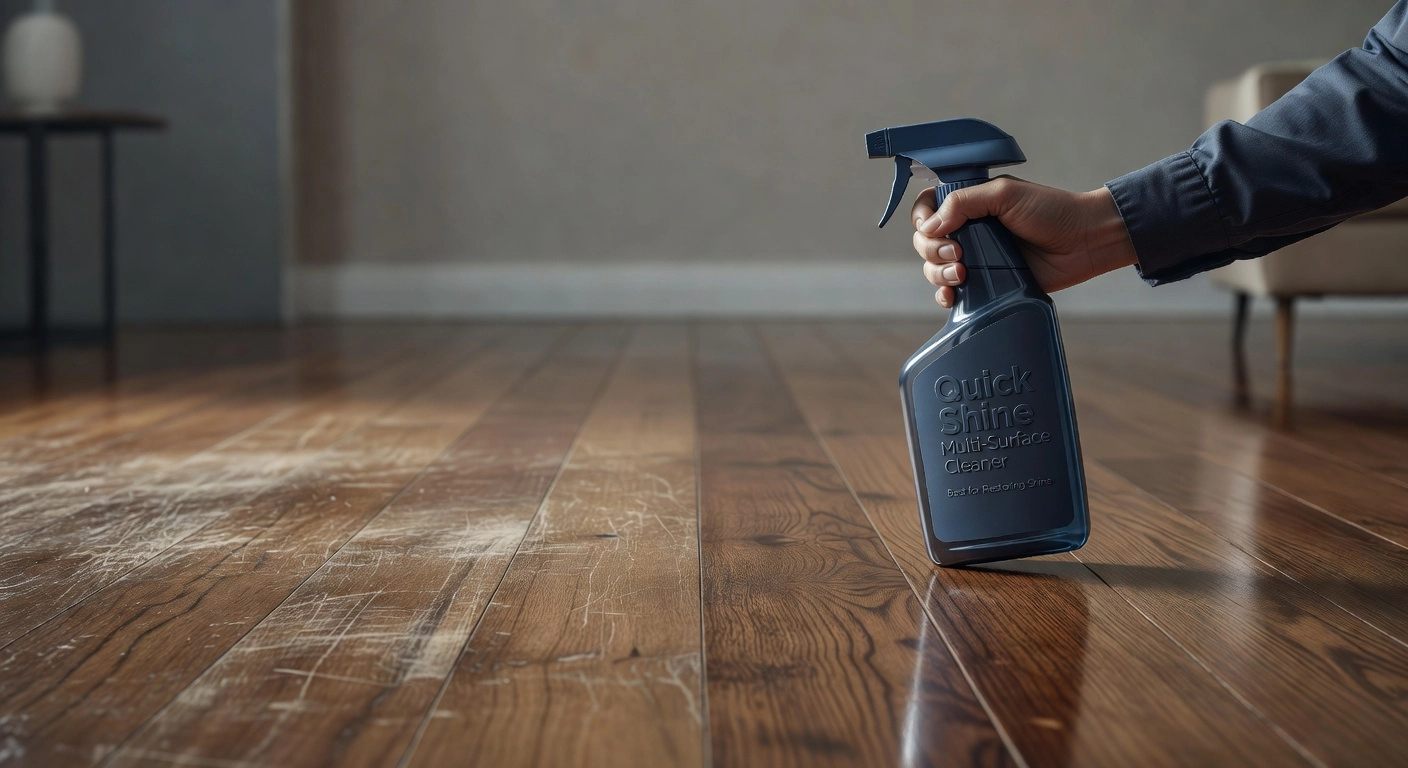
If your hardwood floors are looking dull, Quick Shine combines dirt removal with a light floor-finish enhancer. Consumer Reports included Quick Shine among its top performers for scuffs on sealed wood surfaces. The no-rinse formula dries quickly and leaves zero sticky residue, making it a solid hard floor cleaner for wood floors refresh option.
Aunt Fannie’s FlyPunch FloorClean: Best Natural Option
If you want a natural hard floor cleaner for wood floors without vinegar, Aunt Fannie’s Ultra Concentrated uses plant-derived surfactants and mild citric acid instead. It’s EWG A-rated, cruelty-free, and safe for pets and kids. The 32 oz concentrate makes up to 16 gallons, which is genuinely budget-friendly.
The Only DIY Hard Floor Cleaner Worth Trying on Wood
If you’d rather skip the store, the safest DIY hard floor cleaner for wood floors is a few drops of plain mild dish soap stirred into a gallon of warm water. Two to three drops is all you need. Diluted liquid castile soap works just as well at one teaspoon per gallon. Avoid vinegar-based recipes completely since vinegar’s acidity will dull your finish over time.
What You Should Never Use on Hardwood Floors
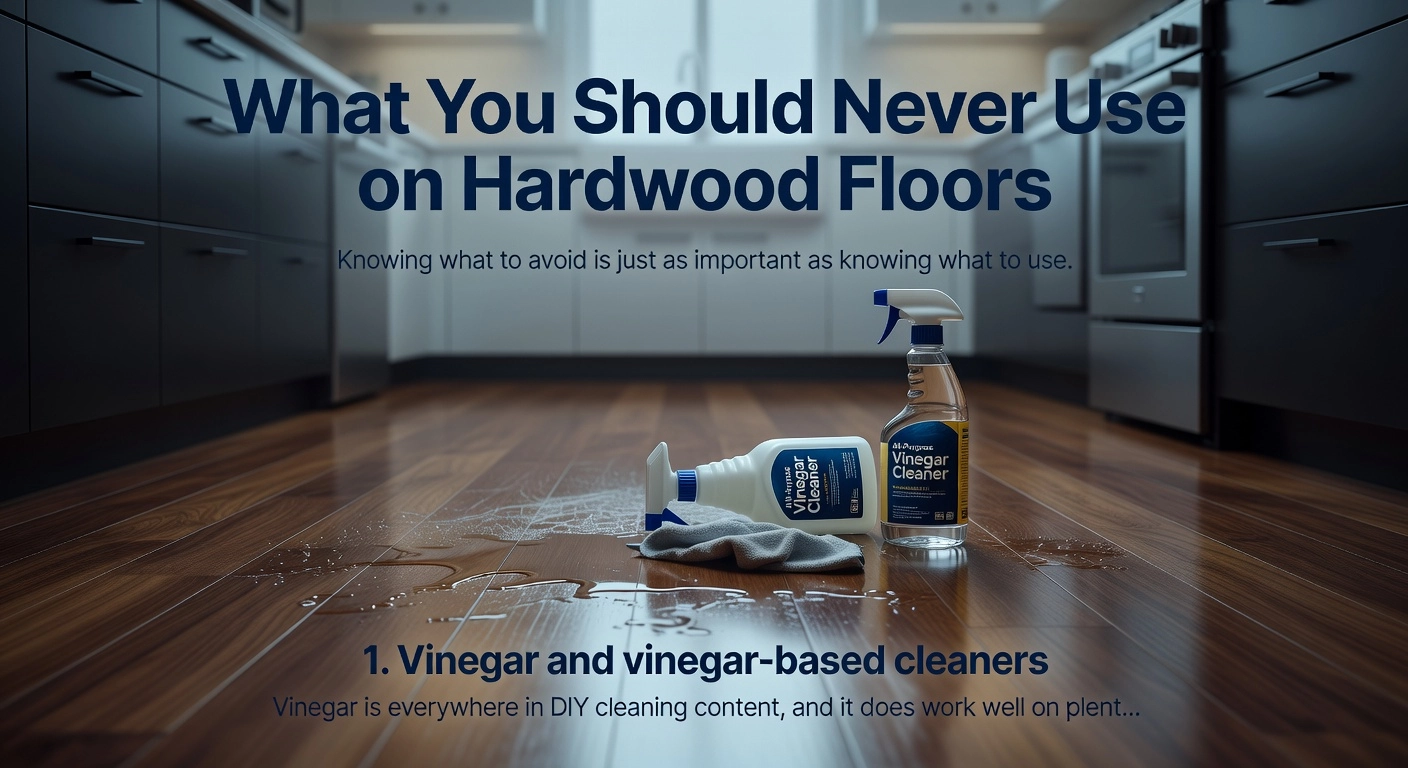
1. Vinegar and vinegar-based cleaners The acidity gradually eats away at polyurethane finishes with each use.
2. Ammonia and bleach These strip protective finishes fast and can permanently cloud the wood.
3. Oil soaps used in excess Regular use leaves behind a waxy residue that builds up layer by layer.
4. Steam mops Heat and moisture cause boards to swell, cup, or warp and void most warranties.
5. Wet mops or soaking the floor Standing moisture causes swelling, buckling, and finish peeling.
The Right Way to Clean Hardwood Floors: Technique Matters
Even the best hard floor cleaner for wood floors won’t do much good if your technique is working against you. Always start by dry sweeping, mop with the grain, keep your mop barely damp, deal with spills right away, and finish with a dry pass.
Are Cordless Vac-Mop Combos Worth It for Wood Floors
Cordless vac-mop combos can be safe for sealed hardwood, but only if you choose the right model with auto water-level adjustment, soft roller brush, and low-moisture mode. Too much water output can raise the wood grain. Models like the Tineco Floor One S9 are popular, but always confirm hardwood compatibility.
Choosing the Right Hard Floor Cleaner for Your Home
At the end of the day, the core rule is simple: pH-neutral, low-residue, and low-moisture always wins when selecting a hard floor cleaner for wood floors. For most homeowners, Bona and Method are the safest commercial picks. Skip vinegar, steam, bleach, and soaking wet mops regardless of what other sites recommend.
Conclusion
Your hardwood floors deserve the right care, and now you have the knowledge to choose the perfect hard floor cleaner for wood floors. Always choose a cleaner specifically formulated for wood surfaces, avoid harsh chemicals, and never over-wet your floors during cleaning. The difference between dull floors and beautiful floors often comes down to one simple choice: the product you use.
Frequently Asked Questions
Can I use vinegar to clean my hardwood floors?
No, vinegar is not safe for sealed hardwood floors. Vinegar has a pH of around 2.4 to 3.4, which means it is acidic enough to slowly etch and dull the polyurethane finish with repeated use. Stick with a pH-neutral hard floor cleaner for wood floors like Bona or Method instead.
What should I look for when choosing a hard floor cleaner for wood floors?
Look for a pH-neutral formula close to pH 7, residue-free finish, and quick-drying formulation. Avoid bleach, ammonia, strong acids, or waxes. Check the label for “pH neutral” and “safe for sealed hardwood.”
Is it safe to use a steam mop on hardwood floors?
No, steam mops should never be used on hardwood floors. Heat and moisture force steam through seams causing boards to swell or warp. Many manufacturers void warranties if steam cleaning is used. Use a barely damp microfiber mop instead.
What is the correct technique for mopping hardwood floors?
Start by dry sweeping or vacuuming with beater bar off. Then mop in the direction of the wood grain using a flat microfiber mop that is barely damp, not wet. Work in small sections and finish with a dry microfiber cloth pass.
Are cordless vac-mop combo devices safe to use on hardwood floors?
Yes, if they have auto water-level adjustment, soft roller brush, and hardwood-safe low-moisture mode. Too much water can damage finish. Always confirm compatibility before using any vac-mop combo as your hard floor cleaner for wood floors.