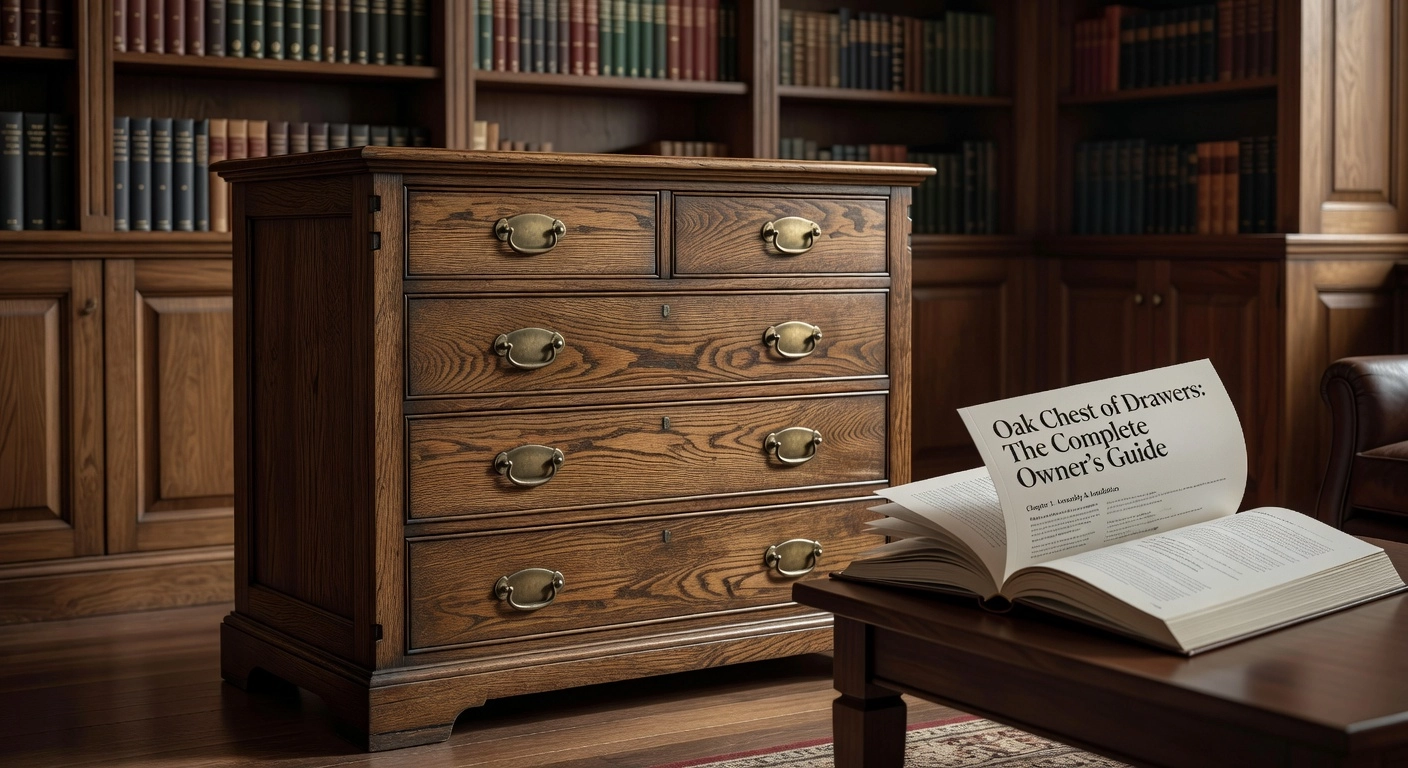
There’s something undeniably special about a piece of furniture that combines timeless beauty with everyday practicality. If you’ve recently purchased an oak chest of drawers, or you’re thinking about adding one to your home, you’ve made a fantastic choice. These sturdy, gorgeous pieces have been a staple in homes for centuries, and for good reason.
But here’s the thing: owning one is only half the battle. Knowing how to care for it, style it, and get the most out of it can feel a little overwhelming, especially if you’re new to owning solid wood furniture.
That’s exactly why we put together this complete owner’s guide. Whether you just brought home your first oak chest of drawers or you’ve had one for a while and want to treat it better, this post has you covered. We’ll walk you through everything from basic maintenance and cleaning tips to styling ideas and common mistakes to avoid. By the end, you’ll feel totally confident caring for your piece and keeping it looking beautiful for years to come. Let’s dive in!
Is Your Oak Chest Solid Wood or Veneer?
Before you grab a cleaning product or wood polish for your oak chest of drawers, there’s one thing you absolutely need to figure out first: is it solid oak, or is it veneer? This single question changes everything about how you should care for it, and the good news is that any beginner can figure it out in under two minutes with zero tools.
Check the Drawer Edges and Undersides First
Pull open a drawer and take a close look at the edges of the drawer front and the underside of the chest’s top surface. On a solid oak piece, the grain pattern flows naturally and continuously over the edge, and you’ll often spot end grain (the raw, cross-cut fibers) on the sides. Flip open a drawer and peek underneath; solid oak typically shows consistent wood grain or unfinished timber throughout. Veneer tells a different story. The grain pattern usually stops abruptly at the edge, or you’ll spot a thin lip where the veneer sheet ends. Underneath, you might see plywood, MDF, or particleboard peeking through. As this furniture identification guide explains, grain that doesn’t wrap around edges is one of the clearest giveaways of veneer construction.
The Quick Weight and Grain Test
Solid oak is genuinely heavy. If your chest feels surprisingly light when you nudge it, that’s a strong hint it’s veneer over a lightweight core. Next, run your eye along the grain across the top surface and over the edge. Solid wood grain flows naturally with unique, irregular variation. Veneer sometimes shows a perfectly mirrored or repeating grain pattern across panels, which looks almost too symmetrical to be natural. According to this breakdown of solid wood versus veneer, combining the weight check with edge inspection gives beginners the most reliable result.
Why It Matters Before You Apply Anything
Veneer is real oak wood, but it’s extremely thin, sometimes less than 1mm. Aggressive cleaners, stripping products, or even enthusiastic sanding can cut right through it and ruin the piece permanently. Solid oak is far more forgiving and can handle deeper cleaning and refinishing. Knowing your construction type upfront helps you choose gentle, veneer-safe products when needed and avoid costly mistakes.
Grain Patterns and Oak Species at a Glance
Two other quick things worth knowing: flat-sawn oak (the most common type) shows bold, sweeping “cathedral” arch patterns in the grain. Quarter-sawn oak has straighter, tighter lines with distinctive ray flecks that look almost like tiger stripes, and it’s more dimensionally stable. As for species, red oak has a pinkish or pale tone with larger, open pores, while white oak leans golden or olive-toned with tighter, closed pores that make it more moisture-resistant. Both veneer furniture experts and professional restorers agree that identifying your wood type before any treatment is the single most important step in a successful restoration.
Common Oak Chest of Drawers Problems and What Causes Them

Now that you know what type of oak chest you’re working with, let’s talk about what can actually go wrong with it. Oak is tough, no question about that, but it’s still a natural material that reacts to its environment. Here are the five most common problems you’ll run into and what’s actually causing them.
1. Checking and Surface Cracking from Low Indoor Humidity
Those thin, hairline cracks you sometimes spot running along the wood grain are called “checks,” and they’re incredibly common in solid oak furniture during winter. The culprit is almost always dry indoor air. When you crank up the heat in winter, the relative humidity inside your home can drop to 20 or 30 percent, well below the ideal range of 40 to 60 percent for wood furniture. Oak is hygroscopic, meaning it naturally absorbs and releases moisture from the air around it. When moisture leaves the wood too quickly, the outer surface shrinks faster than the inside, and that tension causes tiny cracks to form. Keeping a humidifier running in winter and placing a hygrometer nearby to monitor humidity levels is the simplest way to prevent solid wood furniture from cracking. You should also move your chest away from heating vents and radiators, which create hot, dry microclimates right next to the wood.
2. Water Rings and White Haze Marks
That cloudy, milky ring left behind by a glass of ice water is probably the most frustrating thing to discover on a beautiful oak surface. White haze marks happen when moisture gets trapped inside the finish layer, usually lacquer or varnish, rather than reaching the wood itself. This is actually good news, because it means the damage is often superficial. Cold condensation from glasses, humidifier mist drifting onto the surface, or even a damp cloth left sitting on top can all cause this. The fix is often simpler than people expect; methods like rubbing in a little petroleum jelly overnight or using a baking soda paste can pull the trapped moisture back out. The key is acting quickly before the moisture has a chance to work deeper into the finish.
3. Drawers Sticking or Binding
Sticky drawers are a rite of passage with older oak chests, especially during humid summer months. Wood swells when it absorbs moisture from the air, and even a small amount of swelling can tighten the fit of a drawer enough to make it feel completely stuck. Worn wooden runners and debris buildup on the slides make the problem worse over time. Rubbing paraffin wax or a plain candle along the drawer sides and the wooden runners inside the case is a classic fix that works surprisingly well. If the sticking is severe, you may need to lightly sand the drawer edges where they show shiny, worn contact points. Keeping indoor humidity stable year-round will reduce how often this happens in the first place.
4. Faded or Dull Finish from UV Exposure
Oak that sits near a sunny window will gradually lose its warm, golden color and start looking washed out and flat. UV rays break down both the finish and the natural pigments in the wood itself, which is why you sometimes see a distinct color difference if you move a lamp that has been sitting in one spot for years. Without regular oiling or waxing, the finish also oxidizes and dries out, leaving the surface looking chalky. Repositioning your chest away from direct sunlight, or using curtains and UV-filtering window film, goes a long way toward slowing this process. Applying a quality furniture oil or paste wax every six to twelve months keeps the finish nourished and helps it hold off UV damage for longer.
5. Tarnished or Loose Hardware
The metal pulls, knobs, and hinges on an oak chest of drawers can quietly go from a feature to an eyesore. Brass hardware tarnishes naturally over time as it oxidizes, and iron hardware can develop rust spots if exposed to humidity. Loose hardware is usually just a matter of screws working themselves free from repeated use or from the wood shifting seasonally around the mounting points. Tightening screws regularly, cleaning hardware with an appropriate metal polish, and protecting surfaces with a thin coat of wax are straightforward maintenance habits that make a real difference. In many cases, original hardware is worth preserving because it adds authenticity to an older piece, so try cleaning and tightening before you consider replacing anything.
Routine Care: Keeping Your Oak Chest Looking Its Best Year Round
Good news: keeping your oak chest of drawers in great shape doesn’t require expensive products or a lot of time. A simple, consistent routine goes a long way toward protecting that beautiful grain and keeping everything working smoothly for years to come.
Dusting and Cleaning the Safe Way
For weekly dusting, a soft microfiber cloth is your best friend. Wipe gently along the grain rather than across it, and you’ll pick up dust without scratching the surface or dulling the finish. If you want a little extra dust-grabbing power, slightly dampen the cloth with plain water, wipe the surface, then immediately follow up with a dry cloth to remove any moisture.
For monthly cleaning, keep it simple and mild. Mix one to three tablespoons of white vinegar into a cup of warm water, dampen a soft cloth (don’t soak it), and wipe along the grain. Follow up with a plain damp cloth to remove any residue, then dry the surface thoroughly right away. Avoid commercial furniture sprays and oil-based polishes for routine cleaning since many of these strip oak’s natural oils over time or leave a residue that actually attracts more dust. According to expert oak furniture care guidance, always test any new product on a hidden spot first, and wipe up spills immediately before they have a chance to soak in.
Controlling Humidity on a Budget
Solid oak is a living, breathing material that expands and contracts with changes in moisture levels. The sweet spot for indoor humidity is roughly 40 to 50 percent relative humidity. Too dry and you risk cracking or joint loosening; too humid and the wood can swell or warp.
The cheapest way to stay on top of this is to pick up a digital hygrometer for around $10 or less and keep it near your chest of drawers. In dry winter months, a basic humidifier helps bring levels up. In sticky summers, running the air conditioning or a small dehumidifier does the trick. Also keep the chest away from radiators, heating vents, and fireplaces, as direct heat dries oak out quickly. Consistent room temperatures between 68 and 74 degrees Fahrenheit also help reduce stress on the wood.
Protecting the Top from UV Fading
The top surface of your oak chest takes the most punishment from sunlight. UV exposure fades the finish, bleaches the wood, and dries it out faster than almost anything else. The simplest fix is repositioning the piece out of direct sunlight, or rotating it occasionally so any fading stays even.
For everyday protection, closing curtains or blinds during peak sun hours costs nothing. UV-blocking window film is another affordable option that can filter out up to 99 percent of UV rays without making your room feel dark. A wax or oil finish on the top surface also adds a secondary barrier, though window treatments should still be your first line of defense. This is especially worth noting given that caring for oak bedroom furniture consistently highlights UV protection as one of the most overlooked parts of routine maintenance.
Fixing Sticky Drawers in Under Five Minutes
If your drawers are sticking or dragging, a quick wax treatment fixes the problem fast. Pull the drawer out completely and rub a thin layer of paste wax, plain candle wax, or even a bar of soap along the bottom edges of the drawer and the rails it slides on. Work it in gently, then slide the drawer in and out a few times to spread the wax evenly. That’s it. The whole process takes under five minutes and usually keeps drawers gliding smoothly for several months. Stick with wax or soap rather than petroleum-based lubricants, which tend to attract dust and gunk up the slides over time.
How Often to Re-Oil or Re-Wax
The right schedule depends on what kind of finish your oak chest has. For waxed finishes, plan on re-waxing every six to nine months. Apply a thin coat along the grain, let it dry until it hazes slightly, then buff it out with a clean cloth. For oiled or oil-wax finishes, you’ll need to re-treat more frequently, roughly every three to six months, since these finishes are more porous and dry out faster. If the wood starts looking dull or feels rough to the touch, that’s your signal it’s ready for a fresh coat regardless of the schedule. Sealed or lacquered finishes need the least attention; focus on gentle cleaning and only refinish when the surface shows visible wear. High-traffic rooms or very dry climates will always push you toward the shorter end of these timelines.
Step-by-Step Restoration: Taking Your Oak Chest From Dull to Beautiful
So your oak chest has seen better days. Maybe it’s been sitting in a spare room collecting dust, or you picked it up secondhand and it’s looking a little rough around the edges. Either way, restoring it yourself is absolutely doable, even with zero experience. Refinishing an oak piece typically costs 30 to 50% less than buying a comparable new one, and the results can be genuinely stunning. Here’s exactly how to do it, one step at a time.
1. Start With a Thorough Clean (Yes, All of It)
Before you do anything else, clean the entire piece from top to bottom. This means the exterior surfaces, yes, but also the drawer interiors, the hardware, and all those little crevices where grime loves to hide. Skipping this step is one of the most common beginner mistakes because any dirt or wax buildup left behind will interfere with every step that follows.
Start by removing the drawers completely and taking off any hardware like knobs or pulls. Label them with a bit of tape so you know which drawer each one belongs to. Wipe down drawer interiors with a damp cloth and a small amount of mild dish soap, then dry them thoroughly. For the exterior, vacuum out dust from corners and moldings with a soft brush attachment, then wipe everything down with a microfiber cloth dampened in a gentle wood cleaner or a simple water and dish soap solution. For stubborn grime buildup, a cloth lightly dampened with mineral spirits works well, just make sure you have good ventilation. Use cotton swabs to get into tight crevices and decorative grooves. Once everything is clean, let the piece dry completely overnight before moving on.
2. Tackle Water Rings and Surface Stains (No Bare-Wood Sanding Needed)
Oak is naturally porous and reacts to moisture, which means water rings and staining are incredibly common. The good news is that most surface-level marks respond really well to gentle treatments that don’t require you to sand everything down to bare wood.
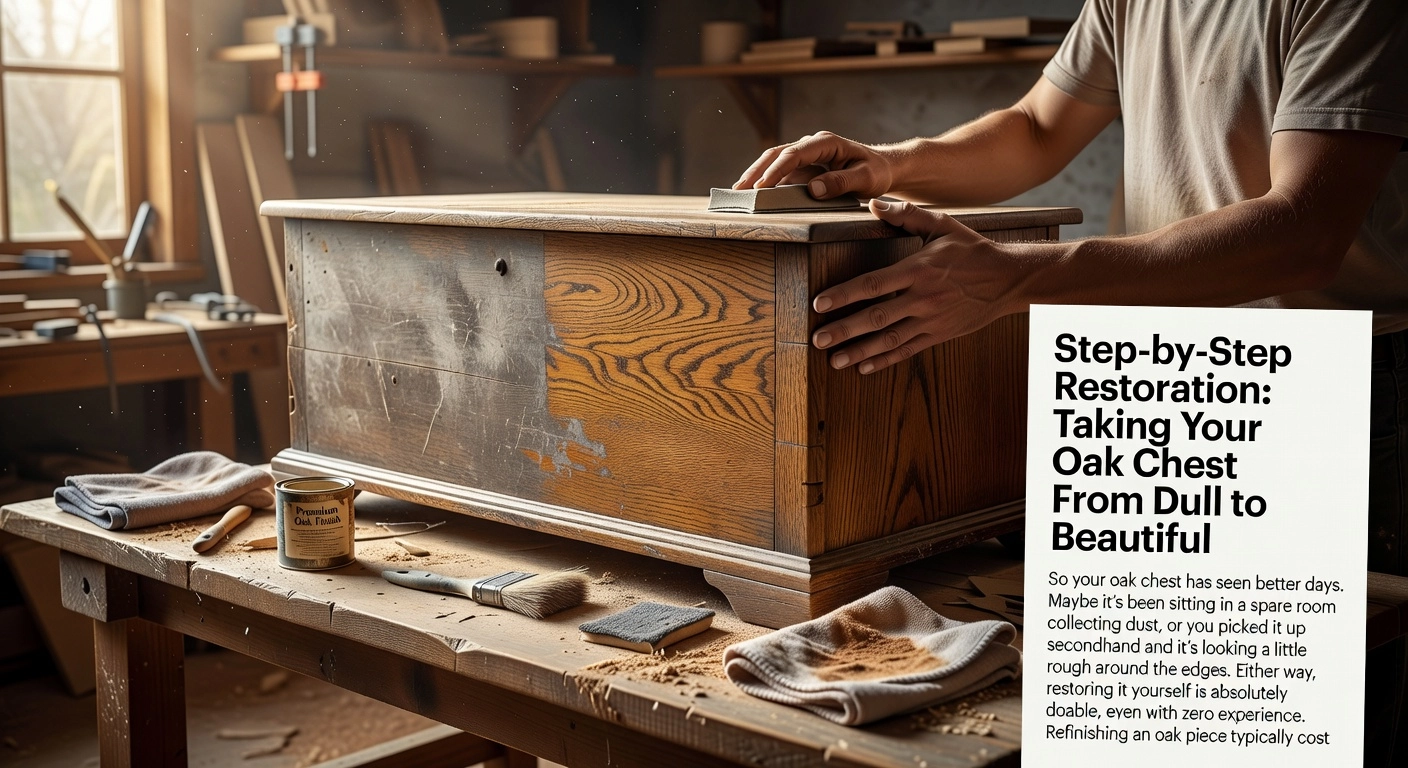
For those cloudy white rings, try the heat method first. Place a clean dry cloth over the ring and press a warm iron (no steam, medium-low setting) onto it for about 20 to 30 seconds at a time. Check frequently and repeat as needed. A hair dryer on medium heat held several inches away works similarly by drawing out trapped moisture. For oil-based remedies, rubbing a small amount of mineral oil or even mayonnaise into the stain with a cloth and leaving it overnight can work surprisingly well. For darker stains that have penetrated a bit deeper, oak’s natural tannins can react to products containing oxalic acid. A gentle scrub with Bar Keepers Friend powder on a non-scratch pad, followed by a rinse and wipe-down, can lighten those stubborn marks noticeably. Always test any method on a hidden spot first, and work with the grain rather than against it.
3. Smooth Out Grain Raising After Any Moisture Step
Here’s something that surprises a lot of beginners: after any wet cleaning or stain removal step, the wood surface often feels slightly rough or fuzzy. This is called grain raising, and it happens because moisture causes the wood fibers to swell. It’s completely normal, especially with oak, and it’s easy to fix.
Simply let the wood dry fully first, then lightly sand the affected areas with 320 to 400 grit sandpaper, always moving in the direction of the grain. Use a very light touch; you’re just smoothing down those raised fibers, not removing material. Wipe away all the dust with a tack cloth or slightly damp microfiber cloth, then let it dry again before moving to the finishing step.
4. Apply an Oil or Wax Finish by Hand
Hand-rubbed oil and wax finishes are perfect for beginners because they require nothing more than a clean cloth and a bit of patience. Options like Danish oil, tung oil, or a hard wax oil product all penetrate the wood and enhance its natural grain beautifully, which is very much in line with current furniture trends favoring warm, visible grain and natural finishes.
Apply sparingly with a lint-free cloth, working in small sections with the grain. Let it soak in for 15 to 30 minutes, then wipe off any excess. Apply two to four thin coats with 24 hours drying time between each. A final buff with a soft cloth or 0000 steel wool gives a lovely satin finish.
5. What to Realistically Expect: Before and After
Before: a dull, grimy surface with faded finish, visible water marks, sticky drawers, and grain that’s barely visible. After a beginner restoration: a noticeably warmer, more vibrant surface with enhanced grain depth, a soft satin sheen, and drawers that glide smoothly. Minor imperfections will likely remain, and that’s perfectly fine. Those little marks are part of the piece’s history. Most beginners report genuinely satisfying results within one to three days of focused work, and the transformation from neglected to characterful is often dramatic enough to make the effort very much worthwhile.
How to Update an Oak Chest to Match Warm and Dark Wood Trends
If your oak chest of drawers has a pale, washed-out, or bleached finish, you’re not imagining things when it starts to feel a little flat. Lighter and ashy oak tones dominated interiors for years, but heading into 2026, that look has largely run its course. Today’s bedroom interiors are leaning into warmth, depth, and visible grain. Richer finishes like smoked oak, walnut-toned stain, honey amber, and even espresso-dark oak are taking center stage because they add visual weight and a grounded, lived-in feel that pale oak simply can’t deliver. The good news is that you don’t need to replace your chest. A finish update can completely transform it without spending anywhere near the cost of a new piece.
Pick the Right Product for Deepening Your Oak’s Color
The three most beginner-friendly options are gel stain, oil-based stain, and tinted wax, and each one suits a slightly different goal. Gel stain is the most forgiving of the three. It has a thick, pudding-like consistency that sits on the surface rather than soaking in fast and uneven, which makes it great for controlling the final color. Apply it with a foam brush or rag, wipe off the excess, and build up the depth gradually with thin coats. It works well over lightly scuffed existing finishes, which saves you from a full strip-and-sand job. Oil-based stains, on the other hand, penetrate the wood fibers more deeply, which tends to produce a warmer and more vibrant result that really brings out oak’s open grain. They take longer to dry and need good ventilation, but the payoff is a rich, natural-looking color shift. Tinted wax is the gentlest option, ideal if you just want to warm up the tone slightly or add a vintage, antiqued quality. It both colors and protects in a single step, and the results deepen beautifully over time.
Always Test on a Hidden Spot First
Before committing to any finish on the exterior of your chest, take five minutes to test it inside one of the lower drawers. The interior wood is usually unfinished or lightly finished oak, which gives you a realistic preview of how the product will look on the actual piece. Apply it exactly the way you plan to on the outside, including any conditioner or multiple coats, and let it fully cure before judging the color. This simple step has saved countless DIYers from an expensive mistake on the visible surface.
Let the Grain Breathe With a Natural Oil Finish
If you love the look of visible, tactile wood grain rather than a thick, glossy topcoat, natural oil finishes are your best friend. Options like tung oil, Danish oil, or hardwax oils (which combine penetrating oils with a light wax layer) absorb into the wood rather than building up on top of it. The result is a matte or low-sheen surface that looks raw and organic while still offering real protection. This approach aligns perfectly with 2026’s preference for furniture that feels authentic and handcrafted rather than mass-produced. Apply in thin coats, let each one soak in, and wipe away the excess before buffing lightly.
Pull the Whole Room Together With the Right Hardware and Decor
Once your oak chest has a deeper, warmer finish, a few small styling choices will make the whole room feel intentional. Swap out any dated gold or chrome hardware for matte black, aged brass, or bronze pulls, since these finishes complement rich wood tones beautifully without competing with them. Pair the updated chest with warm white or cream bedding, deep greens, soft taupe, or navy accents to create that layered, cozy atmosphere that defines current bedroom design. Keep the surrounding walls lighter so the chest can stand out as a warm focal point rather than blending into a heavy, dark room. Adding a few organic elements like a linen throw, a ceramic lamp, or some greenery completes the look without overcomplicating it.
Should You Restore Your Oak Chest or Buy a New One?
Here’s the honest truth: if you’re staring at a tired-looking oak chest and wondering whether to fix it up or just buy something new, the numbers almost always favor restoration. Refinishing a solid oak piece typically costs 30 to 50 percent less than buying a comparable new solid oak chest. Think about what that means in practice. A quality new solid oak chest can run anywhere from $800 to $2,500 or more. DIY restoration supplies, including stripper, sandpaper, stain, and finish, usually land between $100 and $250 total. Even if you factor in a few extra supplies for minor repairs, you’re still saving significantly.
The value argument goes beyond upfront cost, too. The global oak furniture market hit $18.6 billion in 2025 and is growing steadily, which tells you something important: solid oak holds its value. A well-maintained or restored oak chest can last 50 years or more. Compare that to particleboard or veneer alternatives, which often need replacing within 5 to 10 years. When you spread the cost over the life of the piece, restoration wins by a wide margin.
There’s also a sustainability angle worth considering. The U.S. discards roughly 9 million tons of furniture every year, and most of that ends up in landfills. Restoring your existing solid oak chest keeps it out of that waste stream and avoids the energy and emissions tied to manufacturing something new. If you care about making lower-impact choices at home, this is one of the easier wins you can find.
Before you commit to restoring, though, run through this quick condition checklist:
- Solid wood confirmed? Tap the sides and check drawer interiors. Hollow sounds or exposed particleboard edges mean it may not be worth the effort.
- Structurally sound? Wobbly joints, loose frames, and worn drawer runners are usually fixable. Extensive rot or severe woodworm damage is a different story.
- Surface damage only? Scratches, stains, and a flaking finish are all normal restoration territory. Deep structural cracks may need professional attention.
- Drawers functioning? Sticky drawers are almost always an easy fix with wax or minor sanding.
If your piece passes those checks, it’s a strong restoration candidate. For cost planning, budget $100 to $250 in materials and set aside 15 to 40 hours of working time spread across several days, since you’ll need to wait for stripper, stain, and finish coats to dry between steps. First-timers should plan for a slightly higher supply budget to account for learning curves and the occasional do-over. That said, even a beginner-friendly restoration project is very achievable, and the result is a piece that fits your space, matches your style, and can genuinely last another generation.
Best Products for Cleaning and Restoring an Oak Chest of Drawers
Having the right products on hand makes every step of cleaning and restoring your oak chest of drawers so much easier. Here’s a breakdown of what actually works, what to skip, and where to get everything you need as a beginner.
Wood-Safe Cleaners That Won’t Damage Your Finish
Oak’s open grain traps dust and grime over time, but it’s also resilient when you clean it with the right stuff. Your best everyday option is Murphy Oil Soap diluted in warm water. It’s gentle, plant-based, and specifically well-suited for oak surfaces. Just mix a small amount with hot water, apply with a soft cloth, and dry the surface immediately so moisture doesn’t sit in the grain. For light everyday cleaning, a teaspoon of mild dish soap mixed into two quarts of warm water works just as well. The key with both options is using a well-wrung cloth, not a dripping wet one. For older pieces with waxy buildup, mineral spirits on a rag wiped along the grain will dissolve the residue without harming most finishes. Always follow up with a dry microfiber cloth to buff the surface clean.
Oil Options for Oak’s Open Grain
Oak’s porous structure actually makes it a great candidate for penetrating oil finishes because the oil soaks in rather than sitting on top. Danish oil is the beginner-friendly pick here. It’s a blend of oils and resins that dries faster than pure oils and gives oak a warm, hand-rubbed look with moderate protection. Apply it in thin coats with a cloth, let it soak in for about 15 to 20 minutes, then wipe away the excess. Pure tung oil is another excellent choice, especially if you want a more durable, water-resistant finish over time. It takes longer to dry between coats (sometimes a full day), but it resists yellowing and penetrates deeply into oak’s grain. Plan on applying three to five coats for real protection, sanding lightly to 220 grit before you start.
Paste Wax vs. Liquid Wax for Oak Chest Tops
Both wax types protect finished surfaces, but they serve slightly different purposes. Paste wax has a higher wax content, dries harder, and lasts longer, sometimes up to a year or two with normal use. That makes it the better choice for the flat top of your oak chest, which takes the most wear from lamps, books, and daily contact. Liquid wax is thinner, spreads more easily, and works better on carved details or vertical surfaces where paste wax is harder to buff out. Apply either type over a clean, finished surface and buff to a shine once dry. If your chest top gets a lot of use, go with paste wax and reapply once or twice a year.
Products to Avoid on Oak
A few common household products can cause serious long-term damage to oak furniture. Silicone-based polishes, including many popular aerosol spray polishes, leave a film that builds up over time, attracts dust, and actually prevents future finishes or repair products from bonding properly. Once silicone gets into oak’s open grain, it’s very difficult to remove. Ammonia-based cleaners are equally problematic because they attack lacquer and varnish finishes, causing softening and stickiness. Bleach, abrasive cleaners, and undiluted vinegar are also worth avoiding since they can raise the grain, strip finishes, or discolor the wood.
Where to Find Products and What Tools to Use
Most of these products are easy to find at hardware stores like Home Depot, Lowe’s, or Ace Hardware, and they’re widely available on Amazon as well. Specialty woodworking retailers like Rockler carry higher-end wax and oil options if you want to explore more. For tools, keep it simple: microfiber cloths or lint-free cotton rags handle cleaning, oil application, and wax buffing. A foam brush works well for applying oils. Fine steel wool labeled 0000 grade is useful for light surface prep between coats. Always wear disposable gloves when working with oils or mineral spirits, and make sure you have good ventilation in your workspace.
Oak Chest of Drawers: Frequently Asked Questions
Got a quick question about your oak chest? Here are the five most common ones we hear, with straight answers so you can take action right away.
How do you clean an oak chest of drawers without damaging the finish?
Keep it simple and gentle. Dust weekly with a soft microfiber cloth, wiping along the grain. For a deeper clean, dampen a cloth with warm water, wring it out thoroughly so it’s barely moist, wipe the surface, and then dry it immediately with a second cloth. Never let water sit on the wood. For sticky grime or grease buildup, mix a tablespoon of white vinegar into a liter of warm water, wipe, follow with a plain damp cloth, and dry right away. Avoid bleach, ammonia, or silicone-based sprays because silicone builds up over time and makes future refinishing a real headache.
What oil is best for an oak chest of drawers?
Tung oil and Danish oil are both excellent choices for oak furniture. Tung oil is durable, water-resistant, and brings out the grain beautifully without yellowing over time. Danish oil is a blend that’s easy to apply and simple to touch up, making it beginner-friendly. Apply thin coats, let each one cure fully, and reapply every six to twelve months to keep the wood nourished. Adding a layer of paste wax on top gives you extra protection between oiling sessions.
How do you fix a sticky drawer on a solid oak chest?
Pull the drawer out completely and rub a white candle, bar of soap, or beeswax along the bottom edges and the tracks inside the chest. Slide the drawer in and out several times to spread the wax evenly. This fix takes about two minutes and works surprisingly well. If the sticking comes back quickly, lightly sand the friction points with 220-grit sandpaper, then wax again.
Can you paint an oak chest of drawers and still restore it later?
Yes, you can paint it and still go back to natural wood later, but the reversal process takes effort. Restoring a painted piece involves stripping the paint with a chemical stripper or sanding, which is doable but time-consuming. If you want an easy refresh without committing permanently, chalk paint or milk paint are popular choices because they go on smoothly and strip off more cleanly than thick latex finishes. Solid oak can be refinished multiple times across its lifespan, so painting is not a one-way door.
How long does a solid oak chest of drawers last with proper care?
A well-built solid oak chest, cared for consistently, commonly lasts 20 to 50 years or longer. Many pieces become heirlooms passed down through families. The key factors are controlling humidity in the room, keeping it away from direct sunlight and heat vents, cleaning gently, and refreshing the finish every few years. Compare that to engineered wood alternatives, which typically last 10 to 20 years, and it’s clear why restoring an existing oak chest almost always makes more sense than replacing it.
Final Thoughts on Caring for Your Oak Chest of Drawers
You’ve made it through everything you need to know to care for, restore, and update your oak chest of drawers with confidence. Let’s bring it all together.
Knowing whether you’re working with solid oak or veneer isn’t just a detail; it’s the foundation for every decision that follows. The wrong product on a veneer surface can cause bubbling and peeling, while solid oak can handle more aggressive restoration methods. Always identify first, then act.
A simple routine of dusting weekly, wiping with a lightly damp cloth, and applying a nourishing oil or wax every few months prevents the vast majority of common oak chest problems before they start.
If your piece has water rings, dry and cracking wood, or grimy buildup, don’t stress. Our guides on removing water rings, fixing dry wood, and degreasing cabinets walk you through each fix step by step, no special tools required.
Restoring your oak chest rather than replacing it is one of the most sustainable choices you can make. Quality solid oak furniture is built to last generations, and with the right care, your piece can become a true heirloom worth passing down.
Frequently Asked Questions
How do I know if my oak chest of drawers is solid wood or veneer?
You can identify solid oak versus veneer in under two minutes without any tools. Pull open a drawer and check the edges — solid oak will show continuous grain that flows naturally over the edge, often with visible end grain on the sides. Veneer will show grain that stops abruptly at the edge, with a thin lip where the veneer sheet ends, and the underside may reveal plywood, MDF, or particleboard. You can also do a weight test: solid oak is noticeably heavy, while veneer over a lightweight core feels much lighter. This distinction matters because veneer can be less than 1mm thick and can be permanently damaged by aggressive cleaners or sanding that solid oak would handle just fine.
How often should I oil or wax my oak chest of drawers?
The right frequency depends on your finish type. For waxed finishes, re-wax every six to nine months by applying a thin coat along the grain, letting it haze, then buffing with a clean cloth. For oiled or oil-wax finishes, re-treat every three to six months since these are more porous and dry out faster. Sealed or lacquered finishes need the least attention — just gentle cleaning until visible wear appears. A reliable indicator that it's time to re-treat, regardless of schedule, is when the wood starts looking dull or feels rough to the touch. Homes in dry climates or high-traffic rooms should lean toward the shorter end of these timelines.
What is the most cost-effective way to restore an oak chest of drawers versus buying a new one?
Restoration almost always wins financially. A quality new solid oak chest can cost between $800 and $2,500 or more, while DIY restoration supplies — including stripper, sandpaper, stain, and finish — typically run just $100 to $250 total. That represents a savings of 30 to 50 percent compared to buying new. Beyond the upfront cost, solid oak furniture can last 50 years or more with proper care, compared to 5 to 10 years for particleboard or veneer alternatives. There's also a sustainability benefit: restoring an existing piece keeps it out of landfills and avoids the energy and emissions tied to manufacturing something new. As long as your chest is structurally sound and made of solid wood, restoration is almost always the smarter choice.
What products should I avoid using on an oak chest of drawers?
Several common household products can cause serious long-term damage to oak furniture. Silicone-based polishes and aerosol spray polishes leave a film that builds up over time, attracts dust, and prevents future finishes from bonding properly — and once silicone gets into oak's open grain, it's very difficult to remove. Ammonia-based cleaners attack lacquer and varnish finishes, causing softening and stickiness. Bleach, abrasive cleaners, and undiluted vinegar can raise the grain, strip finishes, or discolor the wood. For safe routine cleaning, stick to a mild solution of dish soap and warm water, Murphy Oil Soap diluted in warm water, or a light white vinegar and water mix for grime — always followed immediately by drying the surface thoroughly.
How can I update my oak chest of drawers to match current interior design trends?
Heading into 2026, warmer and deeper wood tones are replacing the pale, ashy oak looks that dominated recent years. You can update your chest without replacing it by applying a gel stain, oil-based stain, or tinted wax to shift the color toward richer tones like smoked oak, honey amber, walnut, or espresso. Gel stain is the most beginner-friendly option since its thick consistency gives you more control over color depth. For a more natural look, penetrating oil finishes like tung oil or Danish oil enhance the visible grain with a matte, organic finish. Complement the updated chest by swapping dated hardware for matte black, aged brass, or bronze pulls, and pair it with warm whites, deep greens, soft taupe, or navy accents to create a layered, cozy bedroom aesthetic.