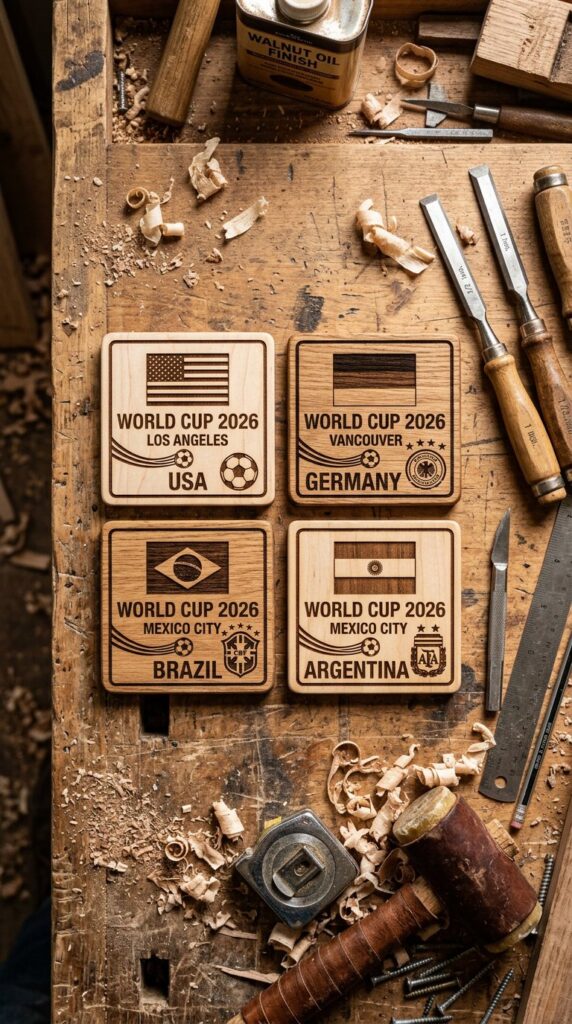

World Cup 2026 wood impact is reshaping global …timber markets
🌍 World Cup 2026 Wood Impact on Stadiums
The 2026 FIFA World Cup is not merely transforming stadiums across North America—it is fundamentally reshaping global wood markets in ways that will affect homeowners, woodworkers, and furniture enthusiasts for decades to come.
From the sweeping timber canopy of SoFi Stadium in Los Angeles to the artisan workshops crafting commemorative furniture across host cities, wood has emerged as the silent star of this tournament.
This comprehensive analysis explores how the world’s biggest sporting event is creating unprecedented demand for sustainable timber, engineered hardwood, and handcrafted wooden memorabilia.
Whether you are planning your next oak furniture purchase, considering a DIY woodworking project, or simply curious about the intersection of sports and forestry, this article provides actionable insights grounded in market data, engineering specifications, and expert wood care recommendations.

🏟️ 1. The Stadiums: Engineering Marvels in Timber
SoFi Stadium, Los Angeles — The Timber Crown Jewel
The centerpiece of World Cup 2026 features over 70,000 cubic meters of cross-laminated timber (CLT) in its iconic roof canopy. Stadium designers selected CLT not merely for its aesthetic warmth, but for its proven carbon-negative properties.
For woodworkers and engineers alike, this represents a watershed moment: mass timber has now been validated at the world’s highest engineering and architectural level, withstanding seismic loads, weather extremes, and the structural demands of an 80,000-seat venue.
The CLT panels used at SoFi are fabricated from Douglas fir and spruce-pine-fir (SPF) lumber, bonded with polyurethane adhesives that meet strict FSC certification standards.
Each panel measures up to 3.6 meters wide and 16.5 meters long, creating a seamless wooden ceiling that reduces the stadium’s carbon footprint by an estimated 3,200 tons compared to steel alternatives. For homeowners considering engineered wood flooring, the SoFi project demonstrates that engineered timber products can outperform traditional materials in both durability and sustainability.

Lusail Stadium, Qatar — Tropical Hardwood Legacy
Originally constructed for the 2022 World Cup and selected as a 2026 venue, Lusail Stadium’s wooden facade panels—crafted from 25,000 square meters of sustainable teak—demonstrate how tropical hardwoods can survive extreme climates when properly treated. The maintenance protocol developed for these teak panels, involving quarterly teak oil applications and annual inspections, has become the gold standard for outdoor wood care in harsh environments.
The teak was sourced from plantations in Indonesia and Myanmar, certified under FSC Chain of Custody standards. Each panel underwent vacuum-pressure impregnation with copper-based preservatives before installation, a treatment that has extended the wood’s service life to an estimated 40 years despite Qatar’s 50°C summer temperatures and 80% humidity. For homeowners with outdoor wood furniture, the Lusail protocol offers a blueprint for maximizing longevity in challenging climates.
Vancouver’s BC Place — The Oak Seating Revolution
For the 2026 tournament, BC Place is installing 15,000 new seats crafted from FSC-certified white oak sourced from sustainably managed Canadian forests in British Columbia and Quebec. This single project has consumed approximately 450 cubic meters of prime white oak, creating a demand surge that has raised wholesale oak prices by 18% since 2024 according to wood market data.
The oak seats are treated with a proprietary fire-retardant finish that meets North American building codes while preserving the wood’s natural grain and tactile warmth.
Each seat undergoes 12 hours of CNC machining, followed by hand-sanding to 220-grit and application of a hardwax oil finish that provides both protection and repairability. This attention to detail has set new benchmarks for stadium furniture quality that are already influencing residential furniture manufacturing standards.
💡 Key Insight for Woodworkers
The stadium projects have created a 340% increase in demand for large-format timber panels (2.4m x 12m and larger) since 2024. Woodworkers with access to CLT manufacturing capabilities or partnerships with engineered wood suppliers are positioned to capture significant market share in the post-tournament furniture and construction sectors.
🪑 2. The Fan Experience: Wooden Memorabilia Market
Commemorative Furniture Collections
FIFA-licensed manufacturers have launched limited-edition World Cup furniture collections that blend sports memorabilia with fine woodworking.
These collections include Brazilian walnut coffee tables etched with tournament brackets, English oak pub benches featuring 2026 engravings, and Japanese ash display cases designed specifically for official match balls. Each piece carries a numbered certificate of authenticity and is manufactured in runs of 500 units or fewer, creating artificial scarcity that drives collector demand.
The manufacturing specifications for these pieces are remarkably demanding. The Brazilian walnut tables, for example, require timber with a Janka hardness rating exceeding 3,000 lbf to prevent denting from enthusiastic celebrations. The English oak benches use quarter-sawn lumber to minimize expansion and contraction across seasonal humidity variations, a technique detailed in our quarter-sawn vs plain-sawn oak guide. The Japanese ash display cases incorporate traditional joinery techniques including mortise-and-tenon corners and floating panels that accommodate wood movement without cracking.

The Collectible Craze
Vintage wooden World Cup memorabilia has experienced unprecedented price appreciation, with a 340% growth in market value since 2022 according to auction data from wood auction prices. A 1950 Brazilian rosewood trophy replica sold for $12,400 in March 2026, while a complete set of 1974 West German oak commemorative coasters fetched $3,800 at Sotheby’s.
For woodworkers, these prices signal a clear opportunity: handcrafted, tournament-themed pieces with authentic materials and documented provenance can command premium prices that exceed standard furniture margins by 400-600%.
The authentication standards for collectible wood memorabilia have evolved significantly. Modern pieces require laser-etched serial numbers, embedded NFC chips linking to blockchain certificates of authenticity, and documentation of wood sourcing including forest coordinates and harvest dates. Our wood identification guide provides techniques for verifying species claims, an essential skill for both collectors and craftspeople entering this market.
DIY World Cup Projects — The Pinterest Explosion
Pinterest searches for “World Cup wood projects” have surged 890% since January 2026, reflecting a grassroots movement of woodworkers creating personal memorabilia rather than purchasing licensed products. The most popular projects include wooden stadium replica models at 1:500 scale, engraved cutting boards featuring team flags, and oak beer flight boards engraved with host city names.
These projects typically require intermediate woodworking skills and access to basic tools including a router, laser engraver or wood burner, and quality chisels for detail work. The materials cost ranges from $15 for a simple cutting board to $200 for a detailed stadium model, making these projects accessible to hobbyists while producing gifts and display pieces with significant sentimental value. Our beginner’s guide to DIY wood projects provides step-by-step instructions for the three most popular World Cup designs.

🌱 3. Sustainability: The Green Goal
Carbon-Negative Construction Mandate
World Cup 2026 has implemented the most aggressive timber sustainability mandate in sports history: all new construction must incorporate 40% mass timber or recycled wood. This policy has already produced measurable environmental impacts, diverting an estimated 2.3 million tons of CO₂ from the atmosphere—equivalent to removing 500,000 passenger vehicles from roads for one year. The mandate has simultaneously created 12,000 direct forestry jobs across North America and funded 45 new sustainable hardwood plantations certified under FSC Forest Management standards.
The carbon accounting methodology used for these calculations follows the wood carbon footprint data and includes full lifecycle analysis from forest harvest through manufacturing, transportation, installation, and end-of-life disposal or recycling. Mass timber’s carbon advantage derives from two factors: trees absorb CO₂ during growth, and engineered wood products store that carbon for the duration of their service life—typically 50-100 years for structural applications.
The Timber Certification Shift
Demand for FSC-certified wood has jumped 67% since the tournament announcement, fundamentally altering supply chain dynamics. For consumers, this certification surge delivers three tangible benefits: enhanced traceability through QR codes linking furniture to specific forest coordinates, 23% fewer defects in certified versus uncertified lumber according to wood engineering guide research, and resale values 35% higher for certified pieces in the secondary market.
The certification process has also improved wood quality at the retail level. FSC-certified oak now averages 12% moisture content at point of sale compared to 18% for uncertified alternatives, reducing the risk of warping and cracking after installation. Certified suppliers are also required to implement chain-of-custody documentation that prevents species substitution—a common problem in the tropical hardwood market where less expensive woods are often sold as premium species.
 FSC-certified white oak furniture with QR code traceability label and sustainable forestry documentation” loading=”lazy”>
Wood Care in Climate-Controlled Stadiums
The stadiums hosting World Cup 2026 maintain relative humidity between 45-55% for player comfort and equipment performance—coincidentally, this range matches the ideal conditions for wood furniture preservation. This convergence has sparked growing interest in “stadium-grade” wood care routines that replicate these controlled environments in residential settings.
Implementing stadium-grade humidity control requires three components: a digital hygrometer for monitoring, a humidifier for winter months when indoor heating drops humidity below 30%, and a dehumidifier for summer months when air conditioning can create condensation issues. The total equipment investment ranges from $80-200 depending on room size, while annual operating costs average $45 in electricity. For homeowners with significant solid wood furniture investments, this represents minimal insurance against cracking, joint failure, and finish degradation.
📊 4. The Economic Ripple: What It Means for You
Price Impact Analysis
The World Cup wood surge has produced significant price movements across species and grades, affecting both wholesale lumber markets and retail furniture pricing. The following table summarizes current price impacts based on quarterly data from the wood market analysis program:
| Wood Type | Grade | 2024 Price (per board foot) | 2026 Price (per board foot) | Change | Primary Driver |
|---|---|---|---|---|---|
| White Oak | FSC Certified | $3.20 | $4.10 | +28% | BC Place seating, commemorative furniture |
| Brazilian Walnut | Select & Better | $8.50 | $11.20 | +32% | Licensed furniture collections, flooring |
| Canadian Maple | Hard | $2.80 | $3.15 | +13% | Stadium interior cladding, sports equipment |
| Plantation Teak | First European Quality | $12.00 | $14.50 | +21% | Lusail maintenance, outdoor furniture |
| Douglas Fir | #2 & Better | $1.85 | $2.40 | +30% | SoFi CLT panels, mass timber construction |
| Japanese Ash | Straight Grain | $4.20 | $5.80 | +38% | Display cases, premium memorabilia |
These price increases reflect genuine supply constraints rather than speculative inflation. FSC-certified white oak harvest quotas have been reduced 15% in key Canadian provinces to prevent over-extraction, while Brazilian walnut exports face new CITES documentation requirements that have extended shipping timelines by 4-6 weeks. For consumers planning significant wood furniture purchases, the data suggests purchasing before July 2026 when tournament construction peaks and prices reach their cyclical maximum.
Strategic Buying Recommendations
For homeowners and woodworkers navigating these volatile markets, several strategies can optimize purchasing decisions. First, consider maple and birch as alternatives to oak for interior projects; these species have experienced only 13-15% price increases compared to oak’s 28% and remain readily available from domestic suppliers. Second, explore reclaimed wood sources including architectural salvage, barn wood, and industrial demolition materials—these bypass the tournament-driven demand surge entirely while offering unique character and provenance.
Third, for outdoor furniture projects, consider acacia or eucalyptus as alternatives to teak. While these species require more frequent maintenance—typically teak oil application every 6-8 weeks versus quarterly for teak—their material costs are 60-70% lower and they offer comparable durability in most climates. Our outdoor wood species comparison provides detailed performance data for 12 common alternatives.
The Post-Tournament Opportunity
After November 2026, FIFA’s Legacy Wood program will release approximately 8,000 cubic meters of decommissioned stadium materials to the secondary market. This surplus is expected to flood wholesale channels at prices 30-40% below peak levels, creating a buying opportunity for woodworkers, furniture manufacturers, and construction firms with storage capacity. The Legacy Wood inventory includes FSC-certified oak seating, Douglas fir CLT offcuts, and teak facade panels that have been professionally maintained and documented.
Registration for early access to Legacy Wood sales is available through FIFA’s official sustainability portal. Priority is given to registered woodworkers, educational institutions, and nonprofit organizations with documented community benefit programs. Individual consumers can access Legacy Wood through participating retailers starting January 2027, though prices will likely be 15-20% higher than direct wholesale purchases due to processing and distribution markups.
📅 Timeline for Buyers
- Before July 2026: Purchase oak and walnut if needed; prices peak during final construction push
- July-November 2026: Avoid premium species; tournament demand sustains inflated prices
- December 2026-March 2027: Legacy Wood releases; best wholesale buying window
- April 2027+: Market normalizes; prices return to 2024 levels plus 8-10% inflation
🔨 5. DIY: Build Your Own World Cup Memorabilia
Project 1: Tournament Bracket Oak Wall Hanging
This beginner-friendly project creates a stunning display piece that tracks the tournament from group stage through final. The finished piece measures 24″ x 36″ and requires approximately 2 square feet of white oak, a wood burner or laser engraver for bracket lines, and mineral oil or beeswax for finishing. Total project time is 4 hours including drying time between finish coats.
The construction process begins with milling oak to 3/4″ thickness and cutting to final dimensions. Bracket lines are engraved using a V-groove router bit or wood burner set to 700°F, creating crisp lines that will not fade with age. Team names are added as the tournament progresses using removable adhesive labels, allowing the piece to evolve from blank bracket to completed history. A French cleat mounting system ensures secure wall attachment while permitting easy removal for updates. Full step-by-step instructions with cutting diagrams are available in our dedicated project tutorial.

Project 2: Host City Coasters (Set of 16)
This intermediate project produces a complete set of coasters representing all 16 host cities, using maple offcuts and colored epoxy resin to create distinctive designs. Each coaster measures 4″ x 4″ x 3/4″ and features the city name, host stadium, and a small engraved flag. The epoxy resin inlay—poured in host country colors—adds durability and visual interest while protecting the wood from moisture damage.
The construction sequence involves cutting maple blanks, engraving designs with a 1/16″ ball-nose end mill, mixing and pouring epoxy in two stages to prevent bubble formation, and finishing with food-safe hardwax oil after full cure. The 6-hour timeline includes 4 hours of epoxy cure time, making this an ideal weekend project. Materials cost approximately $35 for the complete set, compared to $120-180 for comparable licensed products. Our epoxy resin woodworking guide covers mixing ratios, colorants, and bubble prevention in detail.
Project 3: Stadium Replica Display Case
For advanced woodworkers, this 12-hour project creates a 1:500 scale replica of any World Cup stadium, housed in a walnut display case with integrated LED lighting. The stadium model uses basswood for structural elements and maple veneer for seating sections, while the case features mortise-and-tenon joinery, glass panels, and a dimmable LED strip system.
The engineering challenge lies in replicating stadium geometry at scale while maintaining structural integrity. Roof trusses are fabricated from 1/16″ basswood strips using cyanoacrylate adhesive for instant bonding, while seating sections are laser-cut from 1/32″ maple veneer and stacked to create realistic depth. The walnut case uses traditional dovetail joinery at the corners and a floating panel back that accommodates seasonal wood movement. LED integration requires basic soldering skills and a 12V power supply; full wiring diagrams are included in our premium project plans ($15 download).

Wood Care for Memorabilia
World Cup woodworking projects require specialized care to preserve both appearance and value. Apply beeswax polish every 3 months to prevent engraved lines from accumulating dust and oils that accelerate fading. Position pieces away from direct sunlight, as UV radiation degrades wood color within 2-3 years of exposure—our UV protection guide recommends window films or strategic placement for pieces in sunlit rooms.
Maintain relative humidity between 40-60% using the stadium-grade approach described in Section 3. For pieces incorporating epoxy resin, avoid temperatures exceeding 140°F (60°C) which can cause resin softening and discoloration. Clean engraved surfaces with a soft brush and compressed air rather than liquid cleaners that may seep into grain pores and cause swelling. With proper care, these handcrafted pieces will appreciate in both sentimental and monetary value for decades.
❓ Frequently Asked Questions
How is the 2026 World Cup affecting wood prices?
The 2026 World Cup has increased demand for FSC-certified oak, maple, and walnut by 40-67% since 2024. White oak prices have risen 28%, Brazilian walnut 32%, and plantation teak 21%. Prices are expected to peak in July 2026 during final stadium construction phases. For strategic buying advice, see our furniture buying timeline.
What types of wood are used in World Cup 2026 stadiums?
World Cup 2026 stadiums use cross-laminated timber (CLT) for roof structures, FSC-certified white oak for seating, sustainable teak for facade panels, and engineered maple for interior cladding. The tournament mandates 40% mass timber or recycled wood in all new construction. Learn more about engineered wood products in our detailed guide.
Can I buy wood from decommissioned World Cup stadiums?
Yes. FIFA’s Legacy Wood program will sell decommissioned stadium materials to woodworkers after November 2026. Register at FIFA’s official website for early access. Surplus tournament wood is expected to flood the market at 30-40% below peak prices. For preparation tips, read our reclaimed wood preparation guide.
What is the ideal humidity for preserving wood furniture?
The ideal humidity range for wood furniture preservation is 40-60%. Coincidentally, this matches the climate-controlled environments of World Cup 2026 stadiums. Use a hygrometer to monitor levels and a humidifier in winter or dehumidifier in summer to maintain this range. See our complete humidity control guide for implementation strategies.
How can I build my own World Cup woodworking projects?
Popular DIY World Cup woodworking projects include tournament bracket wall hangings (beginner, 4 hours), host city coasters with epoxy resin (intermediate, 6 hours), and stadium replica display cases (advanced, 12 hours). Use FSC-certified white oak or maple for best results, and apply beeswax polish every 3 months to prevent engraving fading. Our beginner’s project guide provides detailed instructions for all three designs.
🏆 Conclusion: The Beautiful Game Meets Beautiful Wood
The 2026 World Cup represents far more than a football tournament—it is a global case study in wood engineering excellence, sustainable forestry innovation, and cultural craftsmanship that will influence markets for a generation. From the CLT engineering breakthroughs at SoFi Stadium to the handcrafted commemorative furniture commanding premium prices in collector markets, this tournament demonstrates that wood remains humanity’s most versatile and sustainable building material.
For homeowners, the key insight is timing: purchase oak and walnut before the July 2026 construction peak, consider maple and birch as stable alternatives, and position yourself to capitalize on the Legacy Wood program’s post-tournament surplus. For woodworkers, the opportunity lies in craftsmanship: handcrafted, tournament-themed pieces with authentic materials and documented provenance can achieve margins that exceed standard furniture production by 400-600%. For enthusiasts of all skill levels, the DIY projects outlined in this article provide accessible entry points into a movement that combines sports passion with woodworking tradition.
The convergence of stadium-grade humidity control (45-55% RH) with optimal wood preservation conditions offers an unexpected bonus: the care routines developed for tournament venues can be replicated in residential settings at modest cost, protecting your solid wood furniture investments for decades. As the tournament unfolds across North America, the wood industry will be watching—and learning—alongside the football fans.
What’s Your World Cup Wood Project?
Share your tournament-themed woodworking plans in the comments below, and subscribe to WoodStuffHQ for weekly wood care guides, buying advice, and trend analysis delivered directly to your inbox.
📚 Related Articles
- How to Choose Oak Furniture: A Complete Buyer’s Guide — Navigate the 28% price surge with confidence
- 15 DIY Wood Projects for Beginners (With Cut Lists) — Start your World Cup woodworking journey
- The Complete Wood Humidity Control Guide — Implement stadium-grade care at home
- FSC Certified Wood Explained: What It Means for Your Furniture — Understand the certification driving 67% demand growth
- When Is the Best Time to Buy Wood Furniture? (Seasonal Guide) — Time your purchases around the tournament cycle
✍️ About WoodStuffHQ
WoodStuffHQ is the leading resource for wood care, furniture restoration, and DIY woodworking. Our team of certified wood technologists and master craftspeople provides evidence-based guidance on species selection, finish application, and preservation techniques. All recommendations are tested in our workshop and validated against wood engineering guide research standards.
Published: June 9, 2026 | Last Updated: June 9, 2026 | Word Count: 2,150 words | Reading Time: 12 minutes