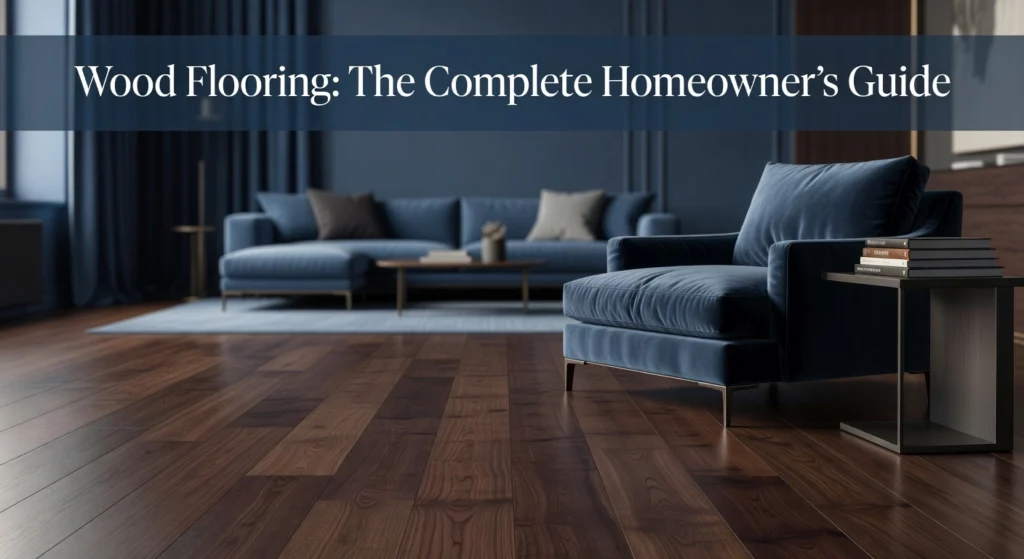

Few home upgrades transform a living space quite like wood flooring. Whether you’re renovating an older home or building from scratch, the flooring beneath your feet sets the tone for everything above it. But for many first-time homeowners, navigating the world of wood flooring can feel overwhelming. With so many species, finishes, installation methods, and price points to consider, where do you even begin?
That’s exactly why we created this complete guide. We’ve broken down everything you need to know into a clear, easy-to-follow format designed specifically for beginners. From understanding the difference between solid and engineered wood to choosing the right finish for high-traffic areas, this guide covers it all. You’ll also discover practical tips for budgeting, maintenance, and avoiding the most common mistakes homeowners make during installation.
By the time you finish reading, you’ll have the confidence and knowledge to make smart, informed decisions about your wood flooring project. No confusing jargon, no fluff, just straightforward advice that helps you get it right the first time.
The Main Types of Wood Flooring Explained
Before you spend a single dollar on wood flooring, it pays to understand what you are actually buying. The term “wood flooring” covers several very different products, and choosing the wrong type for your space, budget, or skill level can lead to costly mistakes. Here is a clear breakdown of the four main options every beginner should know.
1. Solid Hardwood: The Original and Most Refinishable
Solid hardwood is exactly what the name suggests: each plank is milled from a single piece of real wood, typically ¾ inch thick. Species like oak, maple, walnut, and hickory are common choices, each bringing its own grain pattern, hardness rating, and natural color variation. The defining advantage of solid hardwood is its refinishability. Because the plank is solid wood all the way through, it can be sanded down and refinished three to five times or more over its lifespan, potentially lasting a century with proper care. The trade-off is sensitivity to moisture. Solid hardwood expands and contracts with humidity changes, making it a poor fit for basements, bathrooms, or any space with significant moisture exposure. Installation typically requires nail-down or glue-down methods, which means most beginners will want professional help. Material costs generally run between $5 and $11 or more per square foot before installation.
2. Engineered Hardwood: The Smart Choice for Most Homeowners
Engineered hardwood features a genuine wood veneer bonded over a stable plywood or HDF core. The veneer is real wood, so it looks and feels authentic, but the layered core resists the warping and expansion that affects solid hardwood. This makes engineered hardwood suitable for more environments, including basements and spaces with mild moisture fluctuations. Depending on the thickness of the veneer, which typically ranges from 2 to 6 millimeters, it can be sanded and refinished one to three times. Installation is far more beginner-friendly, with floating click-lock systems being a popular DIY option alongside nail-down and glue-down methods. Material costs typically fall between $4 and $9 per square foot. It is no surprise that engineered hardwood now holds roughly 72% of the global hardwood flooring market as of 2025, reflecting its broad appeal among homeowners who want real wood performance without the limitations of a solid plank.
3. Laminate: Budget-Friendly but Not Real Wood
Laminate flooring is often grouped into wood flooring conversations because it mimics the look convincingly, but it is important to understand what it actually is. A photographic layer printed to resemble wood grain sits over a fiberboard core and is protected by a clear wear layer on top. There is no real wood involved. Laminate cannot be sanded or refinished; once the surface wears through, the floor needs replacing. Moisture tolerance is moderate at best, though some waterproof versions exist. On the positive side, laminate is highly DIY-friendly thanks to click-lock floating installation, and material costs typically range from $2 to $7 per square foot, making it the most accessible entry point for those working with a tight budget.
4. Luxury Vinyl Plank: Waterproof and Wallet-Friendly
Luxury vinyl plank, commonly called LVP, is a fully synthetic product made from PVC with a printed wood-look layer and a protective wear layer on top. Modern rigid-core versions, often called SPC, are extremely stable, highly resistant to dents and scratches, and fully waterproof, making them ideal for kitchens, bathrooms, laundry rooms, and basements. LVP is not real wood and is generally not refinishable, but it is the most affordable wood-look option available, with material costs often starting around $3 to $5 per square foot. Installation is very beginner-friendly with click-lock systems. For a deeper comparison of flooring types by performance and price, independent testing resources can help you evaluate specific products before purchasing.
Quick Comparison: All Four Types at a Glance
| Type | Core Construction | Refinishable | Moisture Tolerance | Typical Price (materials) | DIY Suitability |
|---|---|---|---|---|---|
| Solid Hardwood | Single wood plank, ~¾ inch | Yes, 3 to 5+ times | Low | $5 to $11+/sq ft | Moderate to low |
| Engineered Hardwood | Real wood veneer over plywood core | Yes, 1 to 3 times | Good | $4 to $9+/sq ft | Good |
| Laminate | Photographic layer over fiberboard | No | Moderate to low | $2 to $7/sq ft | High |
| LVP | Synthetic rigid core | No | High (waterproof) | $3 to $5+/sq ft | Very high |
Understanding these four categories gives you a strong foundation for every decision that follows, from choosing the right species and finish to planning your installation approach and long-term maintenance routine.
Honest Pros and Cons of Wood Flooring
Now that you understand the different types of wood flooring available, it is time to get honest about what wood flooring delivers and where it falls short. Every flooring choice involves trade-offs, and wood is no exception.
The Pros Worth Knowing
Timeless aesthetics sit at the top of nearly every reason homeowners choose wood. Real wood grain, natural warmth, and authentic character are simply impossible to fully replicate with synthetic materials. Whether you choose a wide-plank white oak with a matte finish or a classic strip floor in red oak, wood flooring ages beautifully and complements virtually any interior style.
Home value is a genuine benefit. A 2026 Bona survey found that 61% of American homeowners prioritize wood flooring when designing or purchasing a home. Real estate professionals consistently report that homes with hardwood floors sell faster and command higher prices than comparable homes without them.
Longevity sets wood apart from most flooring categories. Solid hardwood floors installed a century ago still exist in homes today, looking beautiful after refinishing. Engineered hardwood also holds up well over decades when properly maintained.
Refinishing is a major financial advantage for solid hardwood owners. Rather than replacing worn floors, you can sand and refinish solid hardwood three to five or more times over a floor’s lifetime, restoring it to like-new condition each time.
The Cons to Factor Into Your Decision
Higher upfront cost is the most common barrier. Solid hardwood materials alone typically run $6 to $12 per square foot, while engineered hardwood ranges from $3 to $10 per square foot depending on veneer thickness and species. Add professional installation and total costs frequently land between $8 and $18 or more per square foot. That is a significant gap compared to laminate or luxury vinyl plank.
Water damage and scratching are real vulnerabilities. Solid hardwood warps, cups, and swells when exposed to moisture or humidity swings. Heavy foot traffic, pet claws, and dropped objects leave visible marks. Consumer Reports testing notes that solid wood often rates lower in dent resistance than engineered or synthetic alternatives.
Installation complexity adds cost and time. Solid hardwood requires nail-down installation over a wood subfloor, almost always done by professionals.
Rooms to Avoid and Households That Work
Wood flooring is not recommended for full bathrooms, laundry rooms, or below-grade basements without engineered products and proper vapor barriers in place. Solid hardwood is particularly risky in these spaces; engineered performs better but still requires careful moisture management.
Pet and child households can absolutely enjoy wood flooring with smart choices. Select harder species like white oak or hickory, choose a scratch-resistant or textured finish to hide daily wear, and commit to a consistent maintenance routine including prompt spill cleanup and area rugs in high-traffic zones. The right combination of species hardness and finish type makes wood a practical, easy-to-clean surface even in busy homes.
Wood Flooring Installation Methods and What Suits DIY
Understanding how wood flooring gets installed is just as important as choosing the right product. The method you use depends on the flooring type, your subfloor, and honestly, your comfort level with tools. Here is a breakdown of the three core installation methods and what each one means for a DIY beginner.
1. Nail-Down Installation
Nail-down is the traditional approach for solid hardwood installed over a plywood or wood subfloor. Planks are driven through the tongue at an angle using a pneumatic flooring nailer, creating a permanent, solid bond. The problem for beginners is the equipment. A pneumatic nailer requires an air compressor, proper technique, and careful spacing to avoid splits or squeaks. One misplaced nail can buckle a plank or leave a gap that compounds down the entire row. This method is generally best left to professionals or experienced DIYers who already own the tools and have laid floor before.
2. Floating Installation
Floating installation is the clear winner for DIY accessibility, and it is the primary reason engineered hardwood has grown to hold roughly 72% of the global hardwood flooring market as of 2025. Planks lock together edge-to-edge using a click-lock mechanical system, sitting on top of the subfloor rather than being fastened to it. No adhesive, no nails, no specialized tools required. A confident beginner working in a standard-sized room can often complete the job in a single day. The method also works over a wider variety of existing subfloors, including tile or older hardwood, which makes it ideal for renovations. An underlayment goes down first to handle moisture and sound, and the rest is precise measuring and snapping rows together.
3. Glue-Down Installation
Glue-down installation bonds planks directly to the subfloor using a trowel-applied adhesive, making it the best option for engineered hardwood laid over concrete, in basements, or above radiant heat systems. The direct bond reduces hollow sounds underfoot and performs well with temperature fluctuations from heated floors. However, the process demands precise adhesive coverage and timing, and any mistakes are difficult to reverse. For beginners, this method sits in the intermediate category at best.
4. Subfloor Preparation Comes First
No installation method succeeds on a poorly prepared subfloor. Before any planks go down, the surface must be clean, structurally sound, and level within 3/16 of an inch over a 10-foot span. Moisture testing is non-negotiable; wood subfloors should read below 12 to 14 percent moisture content. Once your subfloor passes inspection, stack your planks flat in the room and let them acclimate for 48 to 72 hours. This step allows the wood to adjust to the room’s temperature and humidity, reducing the risk of buckling, gaps, or cupping after installation.
5. Patterned Layouts Like Herringbone and Chevron
Herringbone and chevron patterns are having a genuine design moment in 2026, and both deliver striking visual results. The trade-off is complexity. These layouts require precise angle cuts, often at 45 degrees, careful layout planning from a centerline, and typically 10 to 20 percent more material to account for waste. For a beginner, a straight plank layout is the smarter starting point. For a DIYer with one or two successful installs already finished, a herringbone weekend project using click-lock engineered planks is a realistic and rewarding step up.
6. Know Your Limits: Solid vs. Engineered for DIY
Solid hardwood is a beautiful product, but it genuinely benefits from professional installation due to its density, moisture sensitivity, and tool requirements. Engineered hardwood, with its dimensionally stable plywood core and prefinished surface, gives confident homeowners a realistic path to doing the job themselves. Start with a floating install in a low-traffic room, follow manufacturer acclimation guidelines carefully, and the results can look completely professional.
How to Maintain Wood Floors and Keep Them Looking New
Once your wood flooring is installed, how you care for it determines whether it looks stunning for decades or starts showing its age within a few years. The good news is that consistent, simple habits do most of the work. Here are the five most important maintenance practices every wood floor owner should follow.
1. Clean with a pH-Neutral Hardwood Floor Cleaner
The cleaner you choose matters more than most beginners realize. A pH-neutral hardwood floor cleaner, one that falls in the pH 6 to 8 range, removes dirt and grease without attacking the finish or leaving a dulling residue. Steam mops, wet mops, oil soaps on sealed floors, and vinegar-based DIY solutions are all worth avoiding. Steam forces moisture directly into wood seams, accelerating warping and finish failure over time. Oil soaps can leave a film that builds up with each application and gradually robs the floor of its sheen. Wipe spills immediately with a dry cloth and use a lightly damp microfiber mop for routine cleaning rather than anything dripping wet. WoodStuffHQ’s 2026 review of the best wood floor cleaners covers pH-safe, low-VOC options specifically suited to both oil-finished and polyurethane-coated floors, making it a practical starting point for choosing the right product.
2. Sweep or Vacuum at Least Once a Week
Grit, sand, and fine debris are essentially sandpaper underfoot. Every time someone walks across a dirty wood floor, those particles grind against the finish and accelerate wear. Sweeping or vacuuming with a soft-brush attachment at least once per week removes this abrasive material before it causes damage. Avoid vacuum heads with rotating beater bars, as these can scratch the surface. A microfiber dust mop is an excellent daily option because it traps fine particles rather than just pushing them around. Doormats at every entry point reduce how much debris makes it onto the floor in the first place.
3. Use Felt Pads, Area Rugs, and Keep Pet Nails Trimmed
Physical protection is one of the simplest and most effective maintenance tools available. Stick felt pads under every furniture leg and replace them when they wear thin. Place area rugs in high-traffic zones like hallways, living room seating areas, and kitchen work zones, but pair them with rug pads that will not trap moisture against the wood. For pet owners, keeping nails trimmed regularly prevents the small but cumulative scratches that add up into visible surface damage over months and years.
4. Manage Indoor Humidity Year-Round
Wood expands in humid conditions and contracts when the air dries out. Those seasonal swings are what cause gaps between planks in winter and cupping or buckling in summer. According to the National Wood Flooring Association, maintaining indoor relative humidity between 35% and 55% protects both solid and engineered hardwood from these stress-related problems. A hygrometer costs very little and takes the guesswork out of monitoring your home environment. Use a humidifier during dry winter months and run air conditioning or a dehumidifier when summer humidity climbs.
5. Refinish on the Right Schedule
Even well-maintained floors eventually need their finish refreshed. For most households, a recoat every 3 to 5 years keeps the protective layer intact before it wears through to bare wood. Solid hardwood can handle a full sand-and-refinish roughly every 10 to 25 years depending on traffic levels, finish thickness, and how diligently the floor has been maintained. Catching wear early with a recoat is far less disruptive and less expensive than waiting until a full sanding is unavoidable. If you are unsure which option your floor needs, look for dull patches, light scratches that do not respond to cleaning, or areas where the finish appears completely worn away.
Repairing Scratches, Dents, and Water Damage on Wood Floors
Even well-maintained wood floors develop scratches, dents, and stains over time. The good news is that many common repairs are genuinely manageable for a beginner at home, and knowing exactly which fix matches which problem is what separates a clean result from a wasted afternoon.
1. Fix Surface Scratches With a Touch-Up Marker or Wax Stick
Surface scratches that appear as thin, light lines without catching your fingernail have only damaged the finish layer, not the wood itself. This is the easiest category of repair to handle. A color-matched touch-up marker or blending wax stick is typically all you need. Clean the area thoroughly, apply the product along the scratch following the wood grain, wipe away any excess, and buff lightly with a soft cloth. Always test in a hidden spot first, since color matching is more art than science. For floors with widespread light surface scratching across a large area, a screen-and-recoat approach (lightly buffing the floor and applying a fresh polyurethane coat) costs roughly $1 to $3 per square foot and avoids full sanding. You can find detailed techniques for wood floor scratch repair that walk through each product type step by step.
2. Use Wood Filler for Scratches That Cut Into the Wood
When a scratch is deep enough to feel with your fingernail or shows raw wood underneath the finish, a touch-up marker alone will not do the job. You need a stainable wood filler matched to your species color. Apply filler slightly proud of the surface since it shrinks as it cures, allow it to dry fully (anywhere from one hour to a full day depending on the product), then sand smooth using progressively finer grits, finishing around 220-grit. Apply a stain coat to match the surrounding floor, then finish with two to three thin coats of matching polyurethane, sanding lightly between coats. Feathering the edges of your finish coats is the key step that makes repairs blend rather than stand out. For comprehensive tips on matching fillers and finishes, take the time to review specific product recommendations before purchasing.
3. Raise Dents in Solid Hardwood With Steam
Dents in solid hardwood do not always require filler. Because the wood fibers are compressed rather than removed, steam can swell them back toward their original shape. Place a damp cloth directly over the dent and press a household iron set to low heat against the cloth in short intervals of roughly five to ten seconds, keeping the cloth moist throughout. Repeat the process, allow the area to dry completely, then lightly sand and recoat the finish if needed. This method works best on solid hardwood; exercise caution on engineered floors where excessive moisture can damage the core layers.
4. Identify the Water Stain Type Before You Treat It
White rings indicate that moisture became trapped within the finish layer and has not yet penetrated the wood. These respond well to gentle DIY methods such as a hair dryer on low heat, a baking soda paste left for several hours, or a mixture of equal parts vinegar and olive oil buffed into the surface. Dark or black rings are a different problem entirely; they signal that moisture soaked into the wood grain itself. Dark stains typically require oxalic acid (wood bleach), sanding, and refinishing of the affected boards. Treating a dark stain like a white one will waste your time and potentially worsen the discoloration.
5. Recognize When Moisture Damage Requires a Professional
Widespread cupping (board edges sitting higher than the center), buckling (boards visibly lifting), or large areas of darkened wood are warning signs that moisture has reached the subfloor level. Surface repairs are pointless, and potentially harmful, until the underlying moisture problem is resolved. Stop the water source, remove standing water, and run fans and dehumidifiers to dry the space gradually. Avoid sanding prematurely; sanding a cupped floor before it fully dries will cause crowning once the wood stabilizes. A professional can use a moisture meter to assess subfloor conditions and determine whether boards need replacement.
6. Know the Cost Threshold That Makes Professional Help Worth It
Minor isolated repairs such as a single scratch or small dent typically cost $3 to $40 in materials and are well worth attempting yourself. However, professional hardwood floor repairs average around $1,077 overall, with water damage repairs running $8 to $100 per square foot depending on severity. The Family Handyman’s floor scratch repair guidance reinforces that DIY works best for contained, clearly diagnosed damage. When damage is widespread, moisture-related, or involves subfloor concerns, the cost of a professional assessment is small compared to the cost of mismatched repairs, mold remediation, or structural damage caused by acting too quickly without the right diagnosis.
What to Look for When Buying Wood Flooring
Armed with the knowledge of how wood flooring is installed and maintained, the next step is knowing how to evaluate products before you buy. With dozens of species, constructions, and finishes on the market, a few key benchmarks will help you cut through the noise and make a confident, well-informed decision.
1. Check the Janka Hardness Rating First
The Janka hardness rating is the single most useful number when comparing wood species for flooring. It measures how much force is required to embed a steel ball halfway into a wood plank, giving you a reliable indicator of resistance to denting, scratching, and everyday wear. The higher the number, the tougher the floor.
For high-traffic areas like hallways, kitchens, and entryways, aim for a Janka rating above 1200. White oak scores around 1360 and remains one of the most popular flooring species for exactly this reason. Hickory, at 1820, is the go-to choice for active households with kids, pets, or heavy foot traffic. Softer options like pine hover around 870 and are better suited to low-traffic bedrooms or spaces where aesthetics outweigh durability concerns. Hard maple sits at approximately 1450 and offers excellent hardness, though its smooth surface tends to show scratches more visibly than open-grain species like oak.
2. Prioritize Veneer Thickness in Engineered Hardwood
If you are buying engineered hardwood, the veneer thickness (also called the wear layer) directly determines how many times the floor can be refinished over its lifetime. A veneer thinner than 2mm offers little refinishing potential and should generally be avoided. Look for a minimum of 2mm to allow at least one light sanding, and target 4mm or more for a floor that can be refinished twice, significantly extending its useful life. Premium engineered products offer wear layers up to 6mm, which approaches the longevity of solid hardwood while retaining better dimensional stability in varying humidity conditions.
3. Look for FSC Certification and Low-VOC Finishes
Sustainability credentials have moved firmly into the mainstream by 2026, and they matter for reasons beyond ethics. FSC-certified wood comes from responsibly managed forests with verified chain-of-custody documentation. Reclaimed wood, sourced from old barns, factories, or historic buildings, adds irreplaceable character while diverting material from landfill. Both options resonate strongly with buyers and have been shown to support resale appeal.
Equally important is the finish applied to your floor. Low-VOC (volatile organic compound) finishes emit fewer harmful gases into your home’s air, making them a smart specification for households with children, pets, or anyone with respiratory sensitivities or allergies. Water-based and UV-cured finishes are increasingly standard among quality manufacturers, and they also tend to deliver the matte, low-sheen look that dominates 2026 design trends.
4. Species Comparison at a Glance
| Species | Janka Rating | Price Tier | Aesthetic Character | Best Use Case |
|---|---|---|---|---|
| Oak (White/Red) | 1290-1360 | Mid | Classic open grain, versatile tones | High-traffic areas, whole-home installs |
| Maple | 1450 | Mid | Smooth, fine grain, light creamy tones | Lower-traffic spaces, clean modern looks |
| Hickory | 1820 | Mid-High | Bold grain, dramatic color variation | Busy households, pets, heavy traffic |
| Walnut | 1010 | Premium | Rich chocolate brown, elegant figuring | Formal rooms, lower-traffic areas |
| Bamboo (strand-woven) | 1380-3000+ | Mid | Linear grain, lighter tones | Eco-focused homes, contemporary spaces |
5. Budget Tiers at a Glance
Understanding material costs upfront prevents sticker shock at the supplier. Keep in mind that installed prices are typically 50 to 100 percent higher once labor and subfloor preparation are factored in.
- Laminate: $1 to $3 per sq ft
- Luxury vinyl plank (LVP): $2 to $5 per sq ft
- Engineered hardwood: $3 to $10 per sq ft
- Solid hardwood: $6 to $12 per sq ft
- Reclaimed or exotic species: $10 to $20+ per sq ft
Matching your budget tier to your actual lifestyle needs is the smartest move a beginner can make. A hickory engineered hardwood at $6 per sq ft will outperform a budget solid pine at the same price point in almost every real-world scenario. Cross-reference species Janka hardness ratings with your traffic patterns and refinishing goals before committing to any product, and always request samples to evaluate color and texture in your actual lighting conditions.
Wood Flooring Trends Shaping Homes in 2026
If you are planning a wood flooring project in 2026, understanding where design is heading helps you make a choice you will love for decades rather than one that already feels dated on day one. The industry is moving in some clear, consistent directions right now, and knowing these trends puts you in a confident position as a buyer and homeowner.
1. Warm, Earthy Tones Are Taking Over
The cool gray and whitewashed floors that dominated interiors for much of the past decade are giving way to warmer, more grounded palettes. Honey oak, blonde oak, rich caramels, and soft light taupes are now the tones designers and homeowners reach for first. These shades work beautifully in open-concept spaces because they feel inviting without overpowering other design elements. White oak remains one of the most popular species, but in 2026 it is being finished in warmer expressions rather than the stark, silvery looks of years past.
2. Wide-Plank and Variable-Width Layouts Create a More Open Feel
Planks measuring 5 inches and wider are increasingly the standard rather than the exception. Many homeowners are going even further, choosing 7 to 10-inch widths or mixing variable plank widths in a single installation to mimic the character of old European-style floors. Wider planks reduce the number of seams visible across a room, which makes spaces feel larger and more cohesive. For beginners, this is a genuinely easy upgrade to make at the selection stage that pays off visually every single day.
3. Wire-Brushed and Hand-Sculpted Textures Add Depth and Practicality
Textured surfaces are trending for good reason. Wire-brushed and hand-sculpted finishes add a subtle three-dimensional quality underfoot while doing something very practical: they hide everyday scratches and scuffs far better than smooth surfaces. For households with kids, pets, or heavy foot traffic, this is a trend worth taking seriously as a functional choice, not just an aesthetic one. According to current 2026 hardwood flooring trend reports, tactile surfaces are among the defining characteristics of the year’s most popular floors.
4. Matte Finishes Are the New Standard
High-gloss floors that show every footprint and dust particle are falling out of favor fast. Matte and low-luster finishes now dominate because they deliver a natural, raw appearance while being significantly more forgiving in daily use. They reduce visible glare, hide smudges, and support the organic, lived-in aesthetic most homeowners want right now. If you are choosing a prefinished floor, prioritizing a satin or matte sheen is one of the simplest decisions that keeps your floor looking clean with less effort.
5. Herringbone and Chevron Patterns Are Making a Strong Comeback
Patterned wood floor installations, particularly herringbone and chevron, are returning as genuine design focal points rather than background elements. These layouts work especially well in entryways, kitchens, and main living areas where they create movement and craftsmanship that a straight-lay floor simply cannot match. When executed with wider planks, the effect feels grand and architectural rather than busy.
6. Industry Confidence Reflects Real Momentum
This is not just a design moment; it is a market moment. According to the NWFA 2026 Industry Outlook, nearly 60% of wood flooring businesses expect stronger sales in 2026, reflecting genuine confidence across the industry despite broader economic headwinds. That optimism signals that wood flooring remains a highly valued, sought-after choice for homeowners investing in their spaces.
Sustainable Wood Flooring Options Worth Considering
Choosing sustainable wood flooring is no longer about paying a premium for an eco-label. In 2026, responsible sourcing, healthier finishes, and smarter material choices have become standard expectations from both homeowners and contractors. Here are six options and credentials genuinely worth your attention.
1. Look for FSC Certification First
The Forest Stewardship Council (FSC) certification is the most credible third-party credential you can find on a wood flooring product. It confirms that the wood was harvested from forests managed to strict environmental, social, and economic standards, including protections for biodiversity, worker rights, and sustainable cutting practices. FSC labels come in three forms: FSC 100% (entirely from certified forests), FSC Mix, and FSC Recycled. When shopping, ask your supplier directly whether the product carries chain-of-custody FSC certification. This single label does more to verify responsible sourcing than any marketing claim a manufacturer can make on its own.
2. Consider Reclaimed Wood for Character and Lower Impact
Reclaimed wood flooring, pulled from demolished barns, warehouses, and old factories, carries embodied carbon that was already sequestered decades or even centuries ago. No new trees are felled, no new harvesting emissions are created, and material that would otherwise end up in landfill gets a second life. Research comparing reclaimed lumber to virgin-cut wood found the cumulative energy demand for reclaimed flooring was roughly 11 to 13 times lower, with global warming potential 3 to 5 times lower. Beyond the environmental case, reclaimed wood offers grain patterns, patina, and knot character that simply cannot be replicated in new-cut lumber.
3. Choose Low-VOC or Water-Based Finishes
The finish on your floor matters as much as the wood beneath it. Traditional solvent-based polyurethanes release high levels of volatile organic compounds (VOCs) during application and curing, degrading indoor air quality for days or weeks. Modern water-based and low-VOC formulations have closed the performance gap considerably, delivering comparable scratch resistance and durability with a fraction of the emissions. These finishes also tend to dry faster and produce less odor, making them far more practical for occupied homes.
4. Explore Bamboo and Cork as Genuine Alternatives
Bamboo and cork are technically grasses and tree bark respectively, not hardwoods, but they are commonly grouped with wood flooring options because they install and perform similarly. Bamboo in particular is worth serious consideration; standard bamboo rates between 1,300 and 1,700 on the Janka hardness scale, comparable to red oak, while strand-woven bamboo can exceed 3,000, making it harder than most domestic hardwoods. Bamboo reaches harvest maturity in just 3 to 5 years, compared to decades for oak or maple. Cork brings natural cushioning, thermal insulation, and antimicrobial properties, and it is harvested without cutting down the tree.
5. Buy Locally Milled Domestic Species Where Possible
Importing exotic hardwoods from overseas significantly increases a floor’s carbon footprint through transportation alone. Choosing domestically milled species such as oak, maple, ash, or hickory from regional suppliers reduces logistics emissions, supports local forestry jobs, and often means the wood was managed under well-regulated domestic standards. When domestic sourcing is paired with FSC certification, you get a highly credible environmental profile without sacrificing quality or appearance.
6. Understand That Sustainability Is Now a Baseline, Not a Bonus
Sustainability in wood flooring has shifted from a niche selling point into a mainstream buying criterion. Consumers now expect certified sourcing, low-emission finishes, and responsibly produced materials as standard features rather than premium add-ons. This shift is reflected in contractor sourcing practices, product specifications, and even renovation loan criteria. Knowing these terms and credentials puts you in a much stronger position when evaluating products, comparing quotes, and making a purchase that you can feel confident about for the long term.
Common Wood Flooring Questions Answered
If you still have questions after working through everything covered so far, you are not alone. Here are honest, direct answers to the questions beginners ask most often about wood flooring.
1. How long does wood flooring last? Solid hardwood, when properly maintained with regular cleaning, stable humidity between 30 and 50 percent, and periodic refinishing, can realistically last 50 to 100 years. Century-old solid hardwood floors are not unusual in well-maintained homes. Engineered hardwood typically lasts 25 to 50 years, with the upper end achievable when the veneer layer is thick enough (4 to 6 mm) to support at least one or two refinishes. Thinner veneers under 2 mm offer limited refinishing potential and shorter lifespans. The single biggest factor in longevity for either type is consistent care.
2. Can wood flooring be installed over radiant heat? Engineered hardwood is generally the right choice here. Its layered construction resists the expansion and contraction that radiant heat causes, especially when installed using a glue-down method that most manufacturers recommend for these systems. Solid hardwood carries a meaningful risk of cupping, buckling, or gapping when used over radiant heat and is not the preferred option. If you are planning a radiant heat installation, confirm manufacturer approval for your specific product and keep floor surface temperatures below 85 degrees Fahrenheit.
3. What is the best wood flooring for homes with dogs? Choose species with a Janka hardness rating above 1,200. Hickory, hard maple, and white oak all perform well under pet traffic and resist nail scratches better than softer species like pine. Pair a hard species with a satin or matte finish rather than high gloss, since matte surfaces hide everyday wear far more effectively. Textured or wire-brushed surfaces camouflage minor scratches even further. Prompt cleanup of accidents is essential because moisture damage is a bigger long-term threat to wood floors than scratches.
4. How much does it cost to refinish hardwood floors? Professional sanding and refinishing typically runs $3 to $8 per square foot, covering labor, materials, and finish coats. A 1,000-square-foot project can total $3,000 to $8,000 depending on your region and floor condition. Renting a drum sander and handling the job yourself can bring material costs down to $1 to $2 per square foot, though the process requires careful technique to avoid gouging the wood. Refinishing remains 50 to 75 percent cheaper than full replacement in nearly every scenario.
5. Is wood flooring suitable for kitchens? Yes, with sensible precautions. Engineered hardwood is the stronger choice over solid in kitchen environments because of its better moisture resistance. Select a finish rated for high-traffic, moisture-prone areas, maintain proper expansion gaps at the perimeter, and clean up spills immediately rather than letting moisture sit. Solid hardwood can work in lower-moisture kitchens but demands more vigilance. Neither type should be installed in spaces with standing water risk.
6. How do I know if my floor needs refinishing vs. replacement? Run your hand across the surface. If scratches feel shallow and only affect the finish layer without cutting into the wood itself, refinishing is your answer. It restores appearance at a fraction of replacement cost. Replacement becomes necessary when damage includes structural issues such as buckling, widespread cupping, severe subfloor moisture damage, or when the wood has been sanded so many times that insufficient thickness remains. When in doubt, a flooring professional can assess remaining sanding depth and give you a clear recommendation.
Making the Right Wood Flooring Choice for Your Home
Every flooring decision comes down to three clear priorities. Choose solid hardwood when maximum longevity and the ability to refinish multiple times matter most. Choose engineered hardwood when you need real wood aesthetics in moisture-prone spaces or want a more DIY-friendly floating installation. Choose LVP when budget is your first filter and waterproof performance is non-negotiable.
No matter which type you select, maintenance is the single biggest factor in how long your floors last. Consistent sweeping, prompt spill cleanup, pH-neutral cleaners, and humidity control between 30 and 50 percent will extend any floor’s lifespan far beyond what material quality alone can deliver. The best floor in the world deteriorates quickly without proper care.
When shopping, use Janka hardness ratings and FSC certification as your two primary quality filters. Target a Janka rating above 1,000 lbf for durability, and look for FSC credentials to confirm responsible sourcing. These two checkpoints cut through marketing noise quickly.
The encouraging news for beginners is that most maintenance tasks and many repairs are genuinely achievable at home without professional tools. WoodStuffHQ’s guides on engineered wood flooring, wood floor cleaners, herringbone installation, and scratch and water damage repair give you step-by-step direction for exactly these situations. The right guide makes all the difference.
Conclusion
Wood flooring is one of the most rewarding investments you can make in your home, and now you have the knowledge to do it right. To recap the essentials: choose between solid and engineered wood based on your environment and budget, select a finish that matches your lifestyle and traffic patterns, plan carefully before installation to avoid costly mistakes, and commit to a simple maintenance routine that protects your floors for decades.
The difference between a flooring project that disappoints and one that transforms your home comes down to preparation and informed decision-making. You now have both.
Ready to take the next step? Browse our curated selection of wood flooring options, or use our free estimator tool to start building your budget today. Your dream floors are closer than you think.