
Choosing the right flooring for your home can feel overwhelming, especially with so many options available on the market today. If you have been researching modern flooring solutions, you have likely come across the term LVT flooring and wondered what exactly it means and whether it is the right choice for your space.
LVT flooring, which stands for Luxury Vinyl Tile, has become one of the most popular flooring options among homeowners in recent years, and for good reason. It combines durability, affordability, and stunning visual appeal in a way that few other flooring materials can match. Whether you are renovating a kitchen, bathroom, or living room, understanding this material is essential before making any purchasing decisions.
In this complete guide, we will walk you through everything you need to know as a first-time buyer. You will learn what LVT flooring is made of, how it differs from other vinyl products, its key benefits and limitations, and how to determine if it suits your home. By the end, you will feel confident and informed enough to make the best flooring decision for your needs.
What Does LVT Stand For?
LVT stands for Luxury Vinyl Tile, a premium, multi-layered flooring product engineered to realistically mimic the appearance of natural materials like stone, hardwood, ceramic tile, and marble. The word “luxury” is not just marketing language; it signals a meaningful construction upgrade over traditional standard sheet vinyl. Where standard sheet vinyl is thin, rolls out in wide strips, and features a basic wear layer prone to scratches and tearing, LVT is built with multiple bonded layers, a thicker protective wear layer with urethane coatings, and far more realistic textures and visuals. According to Mannington Commercial’s flooring resource, this layered construction is what gives LVT its superior durability, water resistance, and performance in high-traffic areas.
Despite its name, LVT is not limited to tile shapes alone. It comes in two primary formats: square or rectangular tile formats that replicate stone, ceramic, or porcelain looks, and longer rectangular plank formats designed to mimic hardwood. The plank version is commonly called Luxury Vinyl Plank, or LVP. Technically, LVP is part of the same product family as LVT, sharing nearly identical layered construction and performance benefits. The distinction is purely about shape and intended aesthetic, and The Spruce explains this difference clearly when comparing luxury vinyl to traditional flooring options.
This is where confusion often begins for homeowners. Researching flooring online quickly surfaces a flood of acronyms: LVT, LVP, SPC (Stone Plastic Composite), WPC (Wood Plastic Composite), and EVP (Engineered Vinyl Plank). These terms overlap, are sometimes used interchangeably by retailers, and reflect the rapid evolution of the category rather than entirely separate products. Adding another layer of complexity, some brands market their LVT and LVP products under proprietary names. COREtec, for example, is a well-known brand name for luxury vinyl products, and many shoppers search “COREtec vs. LVT” as though they are comparing two different flooring types, when COREtec is simply a branded line within the LVT/LVP category. Keeping this framework in mind, LVT as a category term, with format and core-type variations underneath it, will help you navigate product comparisons with confidence throughout this guide.
How LVT Flooring Is Built Layer by Layer
Understanding how LVT is constructed helps you make smarter purchasing decisions and explains why not all products perform equally. Think of LVT like a precisely engineered sandwich, where each layer serves a specific, non-negotiable purpose.
The Four Core Layers
The backing or underlayment layer sits at the bottom of the stack. Made from PVC or a formulated composite material, it provides dimensional stability and keeps the plank flat during and after installation. Many premium products incorporate an attached underlayment that adds sound absorption and a subtle cushioning effect underfoot.
The core layer forms the structural body of the plank. This is where the critical distinction between flexible and rigid LVT lives, and we will cover that in detail shortly. The core determines overall thickness (typically 4 to 8 mm), rigidity, and how well the floor resists dents from heavy furniture or rolling loads.
The photographic print layer is where the magic happens visually. A thin, high-definition printed film carries the detailed image of wood grain, stone veining, or tile patterns. Think of it exactly like a wood veneer on engineered hardwood: a paper-thin decorative surface that delivers all the visual appeal without providing structural strength. Advanced digital printing creates realistic color variation and long pattern repeats, so the same image rarely lines up between adjacent planks.
The wear layer sits on top as the clear, protective shield. This is functionally identical to a coat of polyurethane finish on hardwood floors. It is transparent, so the print below remains fully visible, but it absorbs all the scratches, scuffs, moisture, and foot traffic that daily life delivers. The wear layer is often enhanced with urethane or ceramic bead coatings for added toughness.
Wear Layer Thickness: Why Mils Matter
Wear layer thickness is measured in mils, where one mil equals one-thousandth of an inch. This number is separate from overall plank thickness and is the single most important durability specification you should check before buying. You can learn more about how wear layer thickness affects LVT performance to understand the real-world difference between options.
For residential use, a 12 mil wear layer handles typical household traffic well and suits kitchens, living rooms, and homes with pets. Bedrooms with lighter use can get away with 6 to 8 mil. For heavy residential use or any commercial application, 20 mil is considered the minimum, with 28 to 40 mil used in retail stores, offices, and healthcare facilities.
Rigid-Core SPC vs. Flexible LVT
Traditional flexible LVT uses a softer PVC core that feels comfortable underfoot and absorbs sound naturally. The trade-off is moderate stability: flexible cores expand and contract more noticeably with temperature swings and are more vulnerable to indentation under heavy loads.
Rigid-core SPC (Stone Plastic Composite) replaced flexible cores as the dominant format by 2025 for good reason. The SPC core typically contains more than 70% limestone, creating a dense, dimensionally stable slab that resists expansion, contraction, and denting far better than flexible alternatives. It also makes 100% waterproof performance more reliable and enables the click-lock floating installation that DIYers love. You can review a detailed SPC vs. flexible LVT comparison to see how these core differences translate into real installation and performance outcomes.
Embossed-in-Register Texturing
Standard embossing applies a generic texture pattern across the surface of an LVT plank regardless of what the print layer shows. Embossed-in-register (EIR) technology fixes that limitation. Using precision pressing plates, the physical surface texture is aligned exactly with the printed image below. Wood grain grooves fall precisely where the printed grain lines appear. Grout lines in a tile design are matched by actual recessed channels in the surface.
The result is a floor that looks and feels authentic because the visual and tactile information match perfectly. EIR is widely available in both SPC and flexible LVT formats, and it represents a significant quality upgrade worth looking for, especially in wood-look and stone-look products where realism matters most.
LVT vs. LVP: Understanding the Difference
If you’ve spent any time shopping for LVT flooring, you’ve almost certainly encountered the term LVP as well. The two acronyms appear side by side in search results, retailer aisles, and product pages, often with little explanation of how they differ. The good news is that the distinction is straightforward once you understand it.
LVP stands for Luxury Vinyl Plank, and it is not a separate material from LVT. It is simply the plank-format version of the same core luxury vinyl technology you already know from the previous sections. The same multi-layer construction applies: a backing layer, a rigid or flexible core, a photographic print layer, and a protective wear layer on top. The technology is identical; only the shape changes.
The practical difference comes down to format and the natural material each version is designed to mimic. LVT typically comes in square or rectangular tile shapes, engineered to replicate the appearance of stone, marble, ceramic, or porcelain. LVP uses longer, narrower planks, often 6 to 9 inches wide and 48 to 72 inches long, with embossed grain patterns and color variation designed to mimic oak, walnut, hickory, and other hardwood species.
Because both formats share the same layer construction, wear layer mil ratings, core types (SPC or WPC), and installation methods such as click-lock floating floors, comparing their performance specifications is an apples-to-apples exercise. A side-by-side look at LVT vs. LVP flooring confirms that the choice between them is primarily aesthetic, not structural.
The interchangeable use of these terms in marketing is a common source of confusion. Historically, “tile” described any modular vinyl unit, so many retailers still use “LVT” as a blanket label for all luxury vinyl formats, including planks. When reading spec sheets, skip past the acronym and look for explicit format dimensions, core type, and wear layer thickness to confirm exactly what you are buying.
For wood-floor enthusiasts, LVP is almost always the more relevant format. That said, both terms regularly appear together in product searches, so understanding the overlap helps you shop more confidently across all luxury vinyl flooring options without second-guessing every label you encounter.
Key Benefits of LVT Flooring
LVT flooring has earned its reputation as one of the most practical and versatile flooring choices available today, and the reasons become clear once you examine what it actually delivers in a real home setting. Here is a close look at the six key advantages that consistently drive homeowners toward LVT over traditional natural materials.
Water and Moisture Resistance
One of the most compelling reasons to choose LVT is its ability to handle moisture without any of the consequences that plague solid hardwood. Solid wood absorbs water, expands, contracts, cups, and eventually buckles or warps when exposed to consistent humidity or standing liquid. LVT, by contrast, is built around a waterproof core, particularly in rigid SPC (Stone Plastic Composite) or WPC constructions, which means spills, humidity, and even minor flooding simply cannot penetrate the material and cause structural damage. This makes LVT a genuinely suitable flooring option for kitchens, bathrooms, laundry rooms, and basements, which are spaces where solid hardwood should never be installed. Many LVT products carry explicit wet-zone ratings from manufacturers, giving you confident assurance rather than guesswork when choosing flooring for moisture-prone areas.
Durability and Scratch Resistance
LVT’s protective wear layer is the key to understanding its durability, and thickness is the number that matters most. Wear layers are measured in mils, where one mil equals one-thousandth of an inch. Entry-level residential products typically feature wear layers up to 12 mil, while the practical sweet spot for households with pets and children falls between 12 and 20 mil. High-traffic residential or light commercial applications benefit from wear layers of 20 mil or more. A 20-mil wear layer resists pet nail scratches, dropped toys, dragged furniture, and the daily grind of active family life far better than a budget product at half that thickness. Rigid-core LVT adds an extra layer of protection against dents and impacts, which flexible LVT alone cannot fully provide. Always check the specific wear layer rating and warranty before purchasing, as warranties of 15 to 25 years are common on quality products and serve as a reliable performance benchmark.
Cost Advantage Over Natural Materials
The financial case for LVT is straightforward and significant. Material costs for LVT typically fall between $2 and $7 per square foot, with budget options at the lower end and premium products with thicker wear layers toward the higher end. Installed costs for DIY projects sit at the lower range, while professional installation adds labor that still keeps the total well below solid hardwood territory. Solid hardwood, by comparison, routinely runs $8 to $20 or more per square foot installed, and that figure does not account for future refinishing costs that hardwood will inevitably require. LVT delivers comparable visual results through high-definition printing and realistic embossing technology, so the cost savings come without a meaningful sacrifice in appearance. According to Grand View Research’s vinyl flooring market analysis, the growing consumer demand for LVT is directly tied to this combination of affordability and performance that natural materials simply cannot match at the same price point.
Lifespan of 10 to 30-Plus Years
A well-chosen and properly maintained LVT floor is not a short-term compromise; it is a long-term investment. Quality LVT flooring routinely lasts 15 to 25 years in residential settings, with premium products pushing toward 30 years or beyond under light to moderate traffic conditions. Lifespan is directly tied to wear layer thickness, core quality, proper installation technique, and ongoing maintenance habits. Keeping the floor clean, using felt pads under furniture legs, trimming pet nails regularly, and avoiding harsh chemical cleaners all extend the floor’s useful life significantly. These lifespans rival engineered hardwood in many residential applications, and LVT achieves them without ever needing sanding or refinishing, which gives it a genuine long-term maintenance cost advantage.
DIY-Friendly Click-Lock Installation
Click-lock LVT uses an interlocking edge system that allows planks or tiles to snap together and float freely over an existing subfloor without adhesive, nails, or staples. For a beginner homeowner, this installation method removes most of the intimidating complexity associated with flooring projects. The floor simply needs to be clean, level, and dry before installation begins, and most straightforward rectangular rooms are well within reach for a first-time installer with basic tools. This floating system also allows for natural expansion and contraction with temperature changes, which is essential for long-term performance. Professional installation costs for LVT are also lower than hardwood, typically around $1 to $3 per square foot in labor, because the process is faster and requires less specialized equipment.
Comfort Underfoot Compared to Ceramic Tile
Standing on ceramic tile for extended periods creates noticeable fatigue, particularly in kitchens where cooking and cleanup can keep you on your feet for long stretches. LVT offers a measurably softer and warmer surface underfoot, reducing that standing fatigue in a way that tile simply cannot. Flexible LVT cores feel especially cushioned, and many products include an attached underlayment that adds further comfort and absorbs sound transmission between floors. Even rigid SPC-core LVT, which is firmer than flexible variants, still outperforms tile for comfort and warmth. This quality makes LVT a practical and comfortable choice for any room where you spend significant time standing, and it is one of the reasons the global flooring market continues to shift toward LVT as a preferred tile alternative in kitchen renovations.
Drawbacks to Know Before You Buy LVT
LVT flooring delivers impressive performance across many categories, but a balanced buying decision requires honest awareness of where it falls short. These drawbacks do not disqualify LVT as a smart choice, but ignoring them can lead to frustration after installation.
No refinishing potential is perhaps the most significant long-term limitation. Solid hardwood can typically be sanded and refinished multiple times over its lifespan, essentially resetting its appearance after years of wear. LVT cannot. When scratches, gouges, or surface wear penetrate the protective wear layer, the only fix is replacing the affected planks or tiles entirely. Budget products with thin wear layers measuring 6 mil or less show this damage faster in high-traffic areas like hallways and kitchens. Even premium products with 20-mil wear layers will eventually reach this point. For homeowners planning to stay in a property for 30 or more years, this replace-rather-than-restore reality deserves serious consideration. According to The Spruce’s updated flooring guide, this limitation is a key factor distinguishing LVT from natural hardwood in long-horizon planning.
Resale value perception is a subtler but real concern. Many buyers and home appraisers still treat solid hardwood as the premium standard, particularly in higher-value homes. LVT tends to register lower in perceived prestige even when top-tier products are visually indistinguishable from wood at a glance. High-end LVT has narrowed this gap considerably, especially with younger buyers, but the association persists in traditional and luxury markets.
Heat sensitivity requires attention during both installation and daily use. LVT is PVC-based and will expand, contract, or warp under sustained direct sunlight or extreme temperature fluctuations if expansion gaps are skipped or acclimation is rushed. South-facing rooms and sunrooms present the highest risk. As noted in this detailed breakdown of LVT disadvantages from a flooring expert, proper acclimation for at least 48 hours before installation is non-negotiable.
Environmental concerns center on LVT’s PVC construction, which can raise questions about VOC off-gassing and end-of-life recyclability. Most LVT cannot be processed through standard curbside recycling programs. However, low-VOC certified products carrying FloorScore or GREENGUARD certifications are increasingly available and represent a growing segment of the market. When shopping, prioritize certified options if indoor air quality matters to your household.
Texture and weight feel remains the final honest limitation. Even rigid-core SPC products cannot fully replicate the solid thermal mass of real stone or the dense warmth of thick hardwood beneath your feet. Some buyers notice a slightly hollow sound in floating installations. This is largely a sensory preference rather than a functional flaw, but it matters to buyers who prioritize the tactile experience of their floors.
LVT vs. Hardwood vs. Engineered Wood: How They Compare
Now that you understand LVT’s benefits and limitations on its own terms, the real clarity comes from placing it directly alongside its two closest competitors: solid hardwood and engineered wood. Each flooring type has a distinct set of strengths, and choosing the wrong one for your specific room can cost you significantly over time.
Water Resistance
LVT wins this category without contest. Its 100% waterproof vinyl or stone plastic composite core means spills, splashes, and even standing water cause no structural damage. This makes LVT the automatic choice for kitchens, bathrooms, laundry rooms, and basements. Engineered wood handles moderate humidity reasonably well because its stable plywood or HDF core is less reactive than solid wood, but prolonged exposure to standing water can cause veneer delamination or swelling. Always wipe up spills on engineered wood promptly. Solid hardwood is the most vulnerable of the three; it expands and contracts significantly with moisture changes, making it genuinely unsuitable for high-humidity rooms without extensive precautions.
Refinishing Potential
This is where solid hardwood holds a commanding long-term advantage. A solid hardwood floor can typically be sanded and refinished anywhere from three to ten times across its lifespan, which can stretch to 50 years or longer with proper care. Engineered wood allows one or two refinishing cycles, depending on how thick the veneer layer is; a 6mm veneer can handle two passes, while thinner veneers of 1 to 3mm may allow only one or none. LVT cannot be refinished at all. Once the wear layer wears through, the only solution is replacement. This is a critical distinction for homeowners thinking about long-term ownership costs rather than just upfront price.
Installation Complexity
LVT click-lock floating systems are the most beginner-friendly flooring option on the market. Most products install directly over an existing floor with basic hand tools, no adhesive, and no special subfloor preparation. For DIY homeowners, this translates directly into labor savings of several dollars per square foot. Engineered wood supports floating, glue-down, and nail-down methods, making it moderately DIY-accessible, though it demands more precision and the right tools. Solid hardwood almost always requires professional installation due to its rigidity, the need for precise expansion gaps, and nail-down or glue-down application requirements. As noted in this comparison of engineered wood flooring vs. LVT, floating installations common to LVT are consistently easier for homeowners tackling projects without professional help.
20-Year Ownership Cost
Upfront, LVT is the most affordable, typically running $3 to $12 per square foot installed. Engineered wood generally falls between $6 and $20 per square foot installed, and solid hardwood can reach $10 to $30 or more per square foot with professional labor included. Over 20 years, however, the math shifts. LVT requires little maintenance but may need one full replacement if it reaches the lower end of its lifespan range. Engineered wood may require one refinish at $2 to $5 per square foot but lasts longer before replacement. Solid hardwood carries the highest upfront investment yet can offset that cost through multiple refinishes and strong resale value. For rental properties or high-traffic wet areas, LVT typically wins on total cost. For dry main-floor installations where resale matters, solid hardwood and engineered wood often deliver better long-term value.
Authentic Appearance and When to Choose Each
Solid hardwood remains the gold standard for natural beauty; its genuine grain variation, warmth, and depth cannot be perfectly replicated. However, current photorealistic LVT print technology, combined with Embossed-in-Register texturing that aligns surface texture with the printed grain pattern, closes the visual gap considerably. In most everyday rooms, a quality 2025-era LVT plank is difficult to distinguish from real wood at a glance.
Choose LVT for moisture-prone rooms, rental properties, homes with pets and young children, or any project where DIY installation and low maintenance are priorities. Choose engineered wood for living areas and bedrooms where you want authentic wood character with some tolerance for humidity variation. Reserve solid hardwood for dry main-floor spaces, particularly living rooms and formal dining areas, where resale value and long-term refinishing potential justify the higher initial investment.
Where LVT Works Best in Your Home
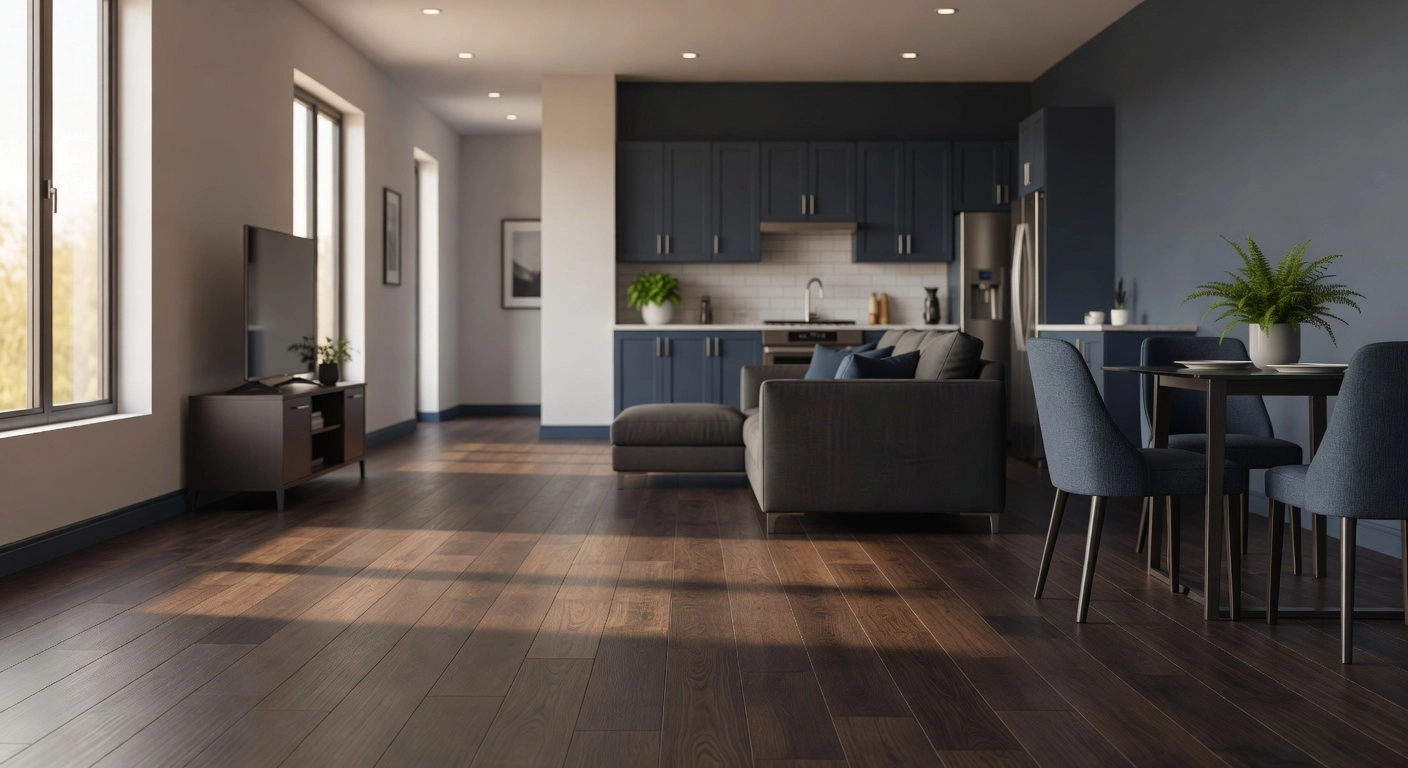
LVT flooring earns its strongest performance reviews in rooms where moisture is an everyday reality. Kitchens, bathrooms, laundry rooms, and mudrooms consistently top the list of ideal applications because rigid-core LVT’s fully waterproof construction handles spills, steam, wet boots, and humidity without swelling or buckling. Solid hardwood simply cannot survive these conditions long-term, and even engineered wood has limits before moisture causes cupping or delamination. LVT removes those concerns entirely, letting you bring realistic wood and stone visuals into spaces that would otherwise be restricted to tile or sheet vinyl.
Pet-Friendly and High-Traffic Family Spaces
Households with dogs, young children, or both place enormous daily stress on flooring. LVT’s scratch and stain resistance, driven by its protective wear layer, makes it one of the most practical choices for living rooms, hallways, entryways, and family rooms that see constant foot traffic. Products with wear layers of 20 mil or thicker stand up reliably to pet claws, dragged toys, and dropped items that would dent or scratch softer materials. The surface cleans quickly with a damp mop, meaning juice spills and muddy paw prints are minor inconveniences rather than permanent damage.
Basement Installations
Basements present a specific challenge that eliminates most flooring options. Below-grade environments carry elevated humidity year-round, and that moisture migrates upward through concrete slabs in ways that cause solid hardwood to cup, warp, and eventually fail. Rigid-core SPC LVT handles this environment confidently because its stone plastic composite core is dimensionally stable and impervious to moisture absorption. A floating click-lock installation over a properly prepared concrete slab works well in most basements, making LVT one of the few materials that genuinely belongs below grade.
Radiant Heat Compatibility and Where LVT Has Limits
Most rigid-core LVT products are approved for installation over radiant heat systems, both electric and hydronic. Surface temperature limits typically sit around 80 to 85 degrees Fahrenheit, and gradual temperature changes are strongly preferred over sudden spikes. Always verify the specific product’s manufacturer guidelines before installation, as approved limits vary between product lines.
LVT is a less compelling choice in two specific scenarios. Rooms with large windows and prolonged direct sunlight exposure can cause floating LVT to expand from heat buildup, and extended UV exposure may gradually fade the print layer. Using window treatments or UV-blocking film addresses much of this risk. Additionally, homeowners who prioritize the tactile warmth and natural variation of genuine hardwood or stone, particularly in formal living spaces, may find that LVT’s feel underfoot does not fully replicate the real material, even when the visual difference is minimal.
LVT Installation Overview: What to Expect
One of LVT flooring’s most appealing qualities for DIYers is how straightforward it is to install. The most common method you will encounter is the click-lock floating installation, where individual planks or tiles interlock via a tongue-and-groove edge system and sit as a single, unified unit over your existing subfloor. No adhesive, nails, or staples are required to bond the floor to the substrate. The entire assembly simply “floats,” which allows it to expand and contract naturally with temperature and humidity changes while the interlocking joints maintain stability. This approach is faster and far less messy than glue-down methods, making it the go-to choice for most residential DIY projects.
Subfloor Preparation
Before a single plank is clicked into place, your subfloor must be flat, clean, and dry. LVT is thinner and more conforming than materials like ceramic tile, which means any imperfection beneath it can “telegraph” through to the surface over time, creating visible bumps or stressing the locking joints. The standard flatness tolerance is no more than 3/16 inch of variation over a 10-foot span. High spots need to be ground down, and low spots should be filled with a patching compound. Any debris, old adhesive residue, or moisture must also be addressed before installation begins.
Acclimation and Timing
Most LVT products require 24 to 48 hours of acclimation in the room where they will be installed before laying begins. Keeping the unopened boxes flat in a climate-controlled space, typically between 65 and 85 degrees Fahrenheit, allows the material to adjust to the room’s ambient temperature and humidity. Skipping this step is a common beginner mistake that can lead to buckling, gapping, or edge lifting after installation.
Basic Tools You Will Need
A successful DIY install requires only a handful of tools: a tape measure, a pull bar, a tapping block, a sharp utility knife or score-and-snap cutter, and plastic spacers to maintain the required expansion gap around the room’s perimeter.
This overview covers the core concepts to prepare you for the process. For complete layout planning, row sequencing, and trim finishing, work through a dedicated step-by-step LVT installation tutorial before starting your project.
LVT Care and Maintenance Basics
LVT flooring rewards you with years of beautiful performance when you follow a consistent, simple care routine. Because the wear layer is the most critical component protecting your floor’s appearance, every maintenance decision should focus on preserving it.
Daily and Routine Cleaning
Start with dry sweeping or dust mopping each day, or at minimum whenever grit and debris accumulate. A microfiber dust mop is the best tool for this job because it traps particles rather than scattering them. Fine grit acts like sandpaper under foot traffic, gradually dulling and scratching the wear layer, so removing it before it gets ground in is your most effective long-term protection. Follow up with damp mopping using a pH-neutral cleaner formulated specifically for vinyl or resilient flooring. Wring your mop thoroughly so only a light film of moisture reaches the surface, and never flood the floor with standing water.
What to Avoid
Several common cleaning habits actively damage LVT, and knowing them upfront saves you costly repairs. Steam mops are one of the most significant threats; the intense heat can soften adhesives, warp planks, damage the wear layer, and cause delamination along seam edges. Harsh abrasive cleaners, scouring pads, and any product containing ammonia, strong solvents, or bleach in high concentrations can etch and degrade the surface finish. Wax-based polishes and oil-based “mop-and-shine” products leave a cloudy, sticky residue that attracts dirt and obscures the floor’s natural sheen. LVT does not need waxing or buffing.
Restoring Shine to Dull LVT
If your floor looks dull, residue buildup is usually the cause rather than permanent wear. Clean thoroughly in sections using a manufacturer-approved vinyl floor cleaner and a clean microfiber mop, allowing each section to dry completely before evaluating results. Avoid commercial stripping products designed for VCT or ceramic tile, as these are far too aggressive for LVT’s wear layer.
Protective Measures
Prevention extends your floor’s lifespan significantly. Apply felt pads under all furniture legs, place area rugs or non-rubber-backed mats in high-traffic entryways and kitchen zones, and keep pet nails trimmed to minimize surface scratching.
For a complete deep-dive including specific product recommendations and stain removal techniques, the dedicated LVT care and maintenance guide at WoodStuffHQ covers every scenario in full detail.
LVT Flooring Trends Shaping the Market in 2025 and 2026
The LVT market is not standing still. Understanding where the industry is heading helps you shop smarter, choose products that will feel current for years to come, and avoid styles that are already fading from favor.
Rigid-core SPC formats have firmly established themselves as the dominant product type in the LVT market. Unlike traditional flexible LVT, SPC (Stone Plastic Composite) products feature a dense core made largely of limestone powder and stabilizers, delivering superior dent resistance underfoot. These products typically carry thicker wear layers, commonly ranging from 12 to 20 mil, and use embossed-in-register texturing that precisely aligns the surface grain with the printed wood or stone pattern beneath it. The result is a floor that feels and looks convincingly like the real thing while outperforming flexible vinyl in high-traffic areas.
Plank and tile sizes are growing noticeably wider. Wide-plank formats measuring 6 inches and beyond have replaced narrower traditional sizes as the go-to choice for contemporary renovations. Wider planks create fewer seams across a room’s surface, which produces a cleaner, more expansive appearance that complements open floor plans particularly well. Large-format stone-look tiles follow the same principle, reducing visible grout lines and giving rooms a seamless, upscale character.
Color preferences have shifted decisively toward warmth. The cool gray and driftwood tones that dominated flooring showrooms for much of the previous decade are giving way to honey oak, caramel, greige, and toasted walnut finishes. These warmer neutrals feel grounded and timeless rather than trend-dependent, and they pair naturally with a wide range of furniture styles and wall colors. For beginners selecting their first LVT floor, these tones represent a safe, enduring investment.
Finish preferences are moving away from gloss. Matte and satin surfaces now dominate new product launches because they replicate the understated look of real hardwood while concealing everyday scuffs, pet footprints, and light scratches far more effectively than high-gloss alternatives.
Indoor air quality has become a genuine purchasing priority. Shoppers are actively seeking low-VOC formulations and products carrying FloorScore certification, which verifies compliance with strict emissions standards. Manufacturers have responded by expanding certified product lines across their rigid-core collections.
Taken together, these trends confirm the broader market momentum. According to MarketsandMarkets, the global LVT market is valued at $17.74 billion in 2025 and is projected to reach $21.12 billion by 2030, cementing LVT’s position as the fastest-growing resilient flooring category available today.
Is LVT Flooring the Right Choice for Your Home?
LVT flooring delivers a compelling combination of waterproof performance, lasting durability, realistic aesthetics, and accessible pricing that few flooring categories can match. For moisture-prone rooms and high-traffic spaces, it remains the most practical choice available to homeowners today.
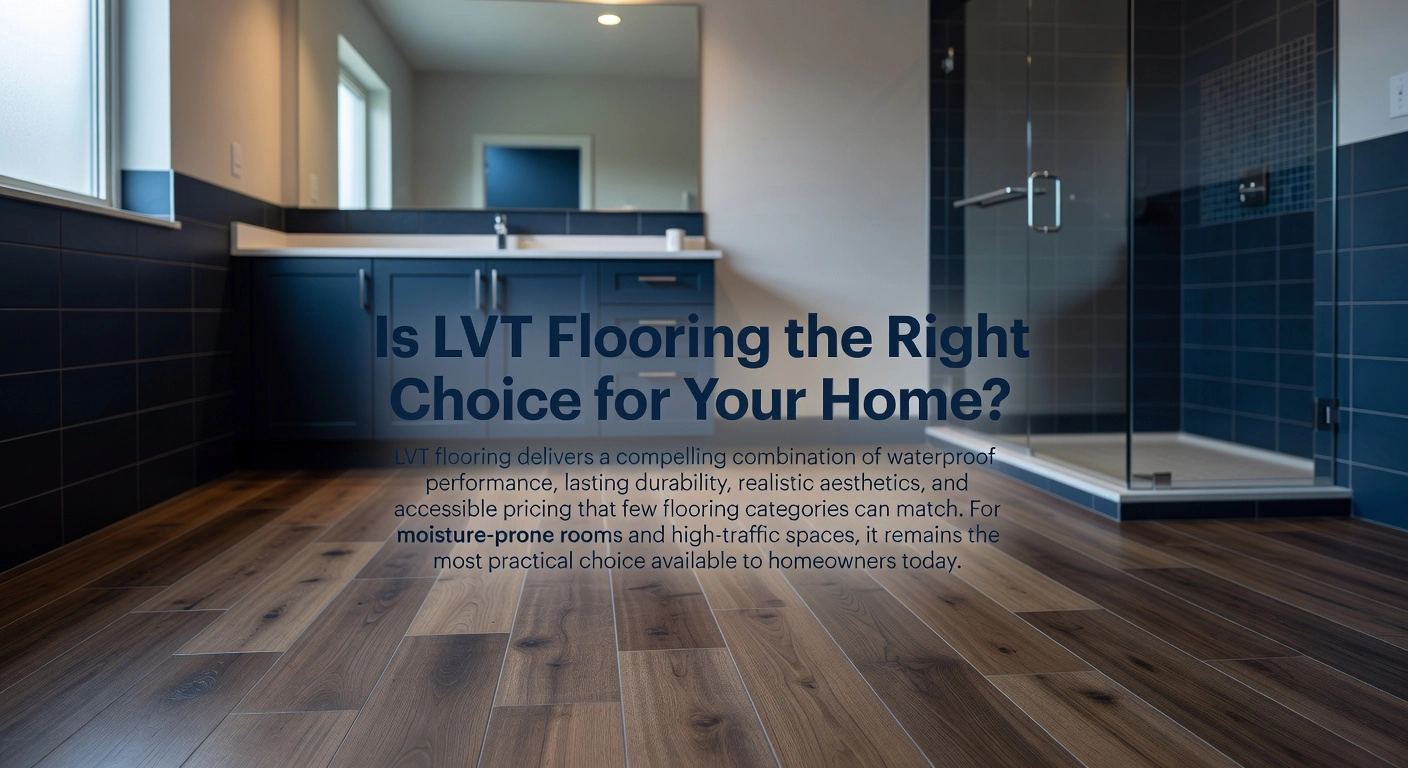
The smartest approach is matching flooring to the demands of each specific room. Use LVT in kitchens, bathrooms, basements, and mudrooms where moisture resistance and easy maintenance are non-negotiable. Choose engineered wood for living rooms and dining areas where natural warmth and character matter. Reserve solid hardwood for spaces where refinishing potential and long-term resale value are your top priorities.
No matter which LVT product you select, proper subfloor preparation and consistent care remain the two biggest factors determining how long your floor performs beautifully. Even premium LVT fails prematurely on an uneven or damp subfloor, and even budget LVT lasts for decades with the right maintenance routine.
At WoodStuffHQ, you will find dedicated guides to help you move forward confidently, including the LVT vs. hardwood comparison, the LVT maintenance guide, and the click-lock installation tutorial. Whether you are working with LVT or natural wood flooring anywhere in your home, the site’s floor and wood care expertise is here to support every decision you make.
Conclusion
LVT flooring stands out as one of the smartest investments a homeowner can make today. It delivers exceptional durability, realistic aesthetics, and budget-friendly pricing all in one package. It performs beautifully in high-moisture areas like kitchens and bathrooms, and its easy maintenance makes it a practical long-term solution for busy households.
Now that you understand what LVT flooring is, how it compares to other options, and what benefits it brings to your home, you are fully equipped to make a confident purchasing decision. Take the next step by requesting samples from local suppliers, comparing thickness and wear layer options, and consulting a professional installer for personalized advice.
Your floors set the tone for your entire home. Choosing LVT means choosing quality, style, and peace of mind for years to come.