
Your deck is only as good as the material beneath your feet. Whether you’re planning a brand-new outdoor build or replacing a worn-out surface, choosing the right decking boards is one of the most consequential decisions you’ll make for your project. Get it right, and you’ll enjoy a beautiful, functional outdoor space for decades. Get it wrong, and you’ll be dealing with costly repairs, premature replacement, or endless maintenance headaches.
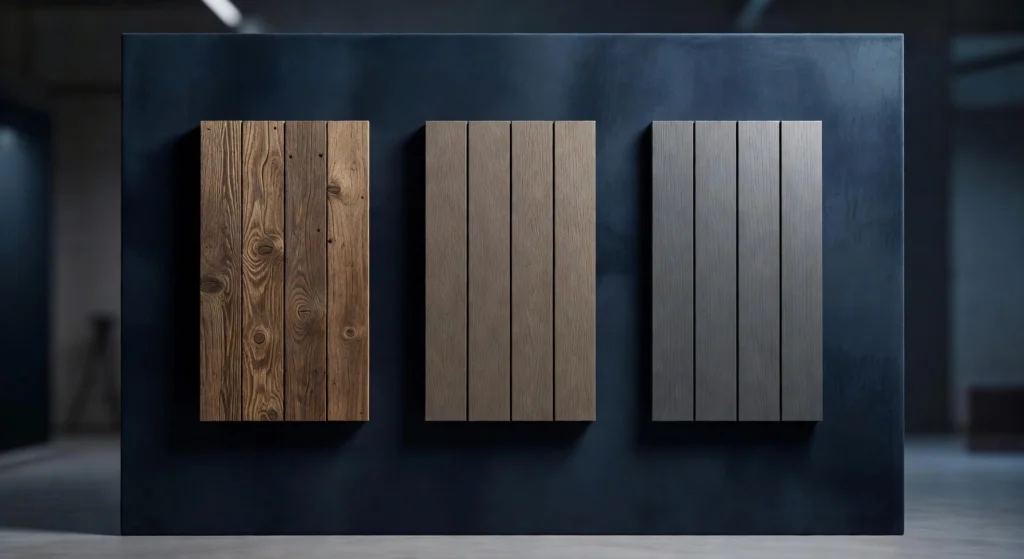
The three dominant players in today’s decking market are wood, composite, and PVC boards. Each brings a distinct set of strengths, weaknesses, and long-term cost considerations to the table. Wood delivers timeless natural beauty but demands consistent upkeep. Composite blends affordability with low maintenance. PVC pushes durability to its limits but comes at a premium price.
In this comparison, you’ll get a clear, side-by-side breakdown of all three materials across performance, aesthetics, maintenance, and overall value. By the end, you’ll have the knowledge to confidently select the decking boards that best match your budget, lifestyle, and long-term goals.
The Main Types of Decking Boards Explained
Choosing the right decking boards starts with understanding what each material category actually offers. The five main types span a wide range of price points, performance characteristics, and maintenance demands, and picking the wrong one for your climate or budget can cost you significantly over time.
Pressure-Treated Pine
Pressure-treated pine is the most affordable and widely available decking option on the market, holding roughly 39.75% of the wooden decking segment in 2025. Southern Yellow Pine is driven into a pressure chamber and infused with copper-based preservatives, giving it solid resistance to rot, decay, and insects without the natural properties of pricier woods. The standard 5/4 x 6 sizing dominates big-box retail shelves, offering actual dimensions of approximately 1 inch thick by 5.5 inches wide after milling. The trade-off is maintenance: expect to clean, sand, and reseal every one to three years to prevent warping, splintering, and mold. Lifespan typically ranges from 10 to 20 years depending on climate and upkeep consistency.
Cedar and Redwood
Cedar and redwood sit a step above pressure-treated pine in both appearance and natural performance. These softwoods contain oils and tannins that resist rot and insects without chemical treatment, making them lighter and easier to handle on site. Western Red Cedar, in particular, delivers warm grain tones that weather gracefully to a silvery gray over time. Regional availability is a real constraint, as redwood supply concentrates heavily in the western United States, which can drive up costs elsewhere. Both species still require periodic cleaning and sealing to maximize lifespan, typically 15 to 30 years with proper care.
Tropical Hardwoods
Ipe, teak, and cumaru represent the premium end of natural wood decking. These species are extraordinarily dense, with cumaru registering a Janka hardness rating near 3,540, and they deliver lifespan potential exceeding 25 years with minimal maintenance. The density that makes them durable also makes them heavy and difficult to cut, requiring pre-drilling and specialty fasteners to avoid splitting. Cost runs significantly higher than domestic softwoods, and sourcing sustainability certifications is worth verifying before purchasing.
Composite Decking
Composite decking blends wood fiber with recycled plastics and typically features a protective cap layer on three or four sides. Capped composites from brands like Trex Transcend and TimberTech consistently lead quality rankings for scratch resistance, fade resistance, and realistic wood-grain aesthetics. Uncapped versions lack this outer shell and perform noticeably worse in harsh weathering conditions. Composites require no staining or sealing, resist rot and insects, and carry warranties stretching 25 to 50 years. Upfront costs run higher than wood, but Consumer Reports testing confirms that long-term maintenance savings often justify the investment for most homeowners.
PVC and Aluminum Decking
PVC and aluminum decking eliminate wood content entirely, each excelling in specific performance areas. PVC boards are manufactured with color consistent throughout the entire board, meaning surface scratches do not reveal a contrasting core layer beneath. This makes PVC particularly well-suited for coastal or high-moisture environments. Aluminum decking takes a different approach, using powder-coated extruded planks that are lightweight, waterproof, and exceptionally fire-resistant, a genuine advantage in regions with strict fire codes. Both materials carry higher upfront costs than wood, but their near-zero maintenance requirements and long service lives make them worth serious consideration for performance-focused builds.
Decking Board Costs: What You Actually Pay Per Square Foot
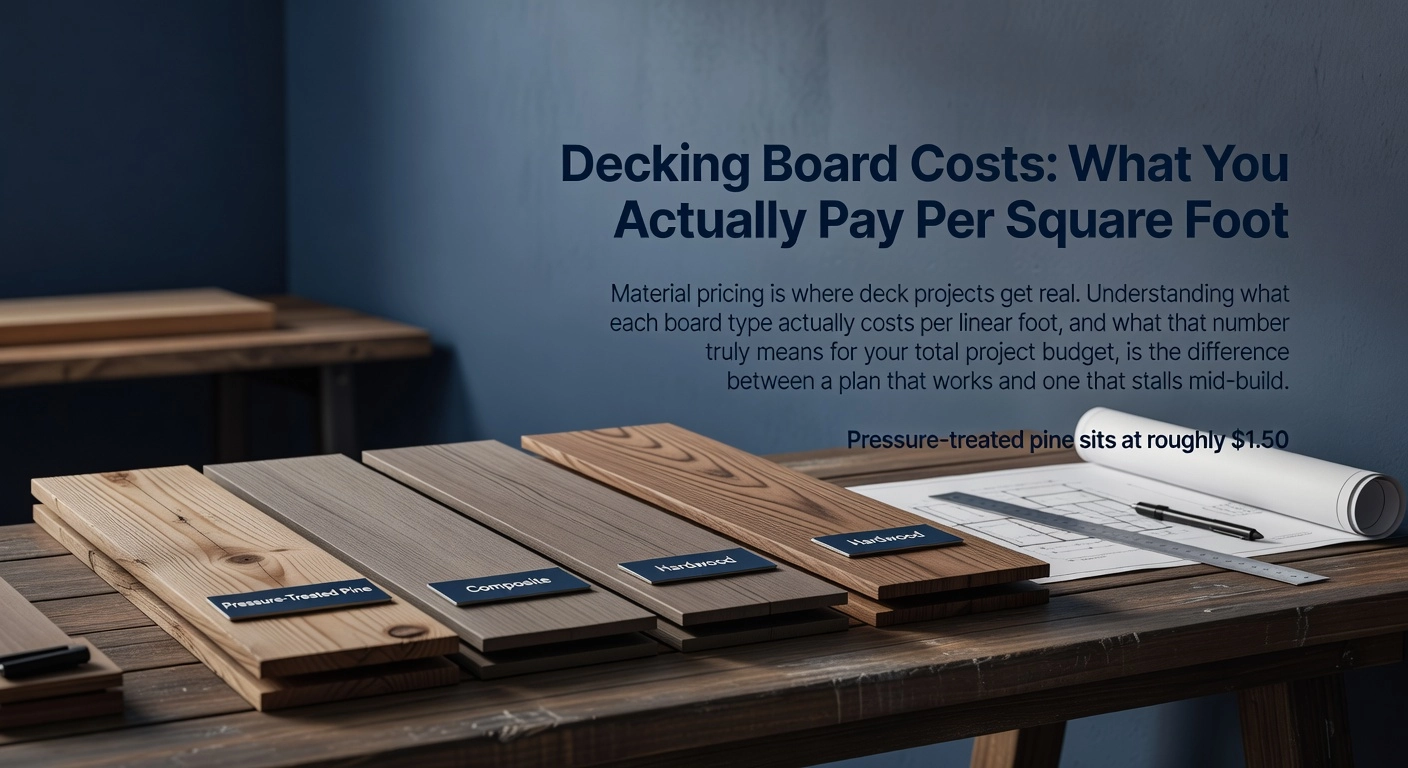
Material pricing is where deck projects get real. Understanding what each board type actually costs per linear foot, and what that number truly means for your total project budget, is the difference between a plan that works and one that stalls mid-build.
Pressure-treated pine sits at roughly $1.50 to $3.00 per linear foot for board materials, making it the undisputed entry point for budget-conscious builders tackling large deck footprints. At big-box retailers, standard 5/4 x 6 pressure-treated boards often fall toward the lower end of that range, though premium grades and contractor-tier stock push higher. For a 400-square-foot deck, that material cost advantage over composites can translate to thousands of dollars in upfront savings, which is why pressure-treated pine still holds roughly 39% of the wood decking market.
Cedar typically runs $3.00 to $5.00 per linear foot, with meaningful variation tied to grade and geography. Knotty or STK grades come in closer to the lower bound, while select tight-grain and clear grades push toward $5.00 and beyond. The premium is worth scrutinizing: upper grades with tight grain resist cupping, splitting, and weathering far better than lower-grade cedar, and they hold stain and finish treatments more uniformly over time.
Composite decking spans $4.00 to $12.00 per linear foot depending on product tier. Entry-level uncapped boards sit at the lower end, while capped composites with co-extruded protective shells command the higher range. Those capped products justify their price through fade and stain warranties that commonly run 25 years or more. A thorough composite decking price comparison shows how dramatically performance and warranty terms shift across tiers.
PVC decking occupies the $7.00 to $15.00 per linear foot range. That premium reflects genuine long-term value: 25 to 50-year manufacturer warranties, complete moisture immunity, and zero annual maintenance beyond occasional cleaning.
The critical insight most sticker-price comparisons miss is total installed cost. For wood, fastener hardware, finish treatments applied every one to three years, and joist spacing requirements all stack on top of material costs. According to wood deck cost breakdowns, those recurring maintenance cycles can add hundreds to low thousands of dollars annually. Factoring that in, upgrading from pressure-treated pine to composite often adds as little as 15% to the full project cost despite the boards themselves costing two to three times more per linear foot.
How Long Each Decking Material Actually Lasts
Lifespan separates materials more decisively than almost any other factor, and the gap between wood and synthetics is wider than most homeowners expect when budgeting a deck project.
Wood Decking: Real-World Longevity by Species
Pressure-treated pine, the most affordable and widely used wood option, realistically delivers 10 to 15 years of solid performance under consistent maintenance. That means cleaning annually, sealing or staining every one to three years, and inspecting fasteners and joists each season. Skip those steps and the timeline compresses significantly, as moisture penetration, rot, and splitting accelerate rapidly in humid or high-UV climates. Cedar performs meaningfully better, with natural oils providing built-in resistance to decay and insects, supporting 20 to 25 years of service life with proper care. Hardwoods like ipe push the ceiling even higher, with dense grain structures that can sustain 25 years or more when periodically oiled to prevent surface checking and graying. The wooden decking market is estimated at USD 25.71 billion in 2026, a figure that reflects sustained consumer preference for natural materials despite growing composite alternatives.
Composites and PVC: Manufacturer Claims vs. Field Reality
Composite manufacturers typically rate their products at 25 to 30 years, with premium PVC lines carrying warranties stretching to 50 years. However, construction method matters enormously here. Capped composites feature a protective polymer shell that blocks moisture, UV exposure, and surface staining, translating directly into better color retention and structural integrity over time. Uncapped composites expose wood fiber at the core, making them vulnerable to mold, fading, and gradual degradation, particularly in coastal or high-humidity environments. Climate exposure compounds these differences substantially across a deck’s lifespan.
For objective benchmarks beyond marketing copy, Consumer Reports conducts three-year weathering tests across extreme climates in Arizona and Florida, evaluating flexing, denting, slip resistance, staining, and fade. Their findings frequently reveal performance gaps that manufacturer specifications do not capture, making independent testing data a far more reliable planning tool than warranty language alone.
The market trajectory reinforces where the industry is heading. Composite decking is projected to grow at a 16.6% CAGR through 2029, significantly outpacing the overall decking market’s 6.4% growth rate, as low-maintenance demand accelerates among busy homeowners weighing total ownership costs over the full lifespan of their investment.
Maintenance Burden by Material: What Each Type Demands Year to Year
Maintenance is where the real cost of any decking material reveals itself. The upfront price per square foot tells only part of the story; the hours spent each season and the products required year after year determine the true 10-year investment.
Pressure-Treated Wood
Pressure-treated pine demands the most consistent attention of any common decking material. Annual maintenance includes a thorough cleaning with a deck wash or mild soap solution, followed by close inspection of every fastener for rust or corrosion and every board for warping, cupping, or lateral movement. Left unchecked, corroded fasteners accelerate board separation, and shifting boards create tripping hazards that worsen quickly. Beyond the annual pass, pressure-treated decking requires resealing or restaining every two to three years to prevent moisture infiltration into the wood fibers. Without that protective layer, UV exposure grays the surface rapidly and water penetration leads to rot at the board edges and ends, precisely where preservative coverage is thinnest.
Cedar and Hardwoods
Cedar and premium hardwoods like ipe follow a similar cleaning and inspection rhythm, but the finishing approach differs in one important way. These species respond significantly better to penetrating oil finishes, which absorb into the wood grain rather than forming a film on the surface. Surface coatings on cedar tend to peel and require sanding before reapplication, adding labor to each refinishing cycle. Penetrating oils, by contrast, enhance the natural grain visually and allow the wood to breathe, reducing the risk of trapped moisture beneath the finish layer. Depending on sun exposure and climate, reapplication is typically needed every one to three years. Hardwoods like ipe are exceptionally dense and durable but still need periodic oiling to prevent surface checking and graying.
Composite Decking
Composite boards shift the maintenance conversation almost entirely toward cleaning rather than restoration. Soap-and-water washing one to two times per year, with particular attention to the gaps between boards where debris and moisture accumulate, is sufficient to prevent mold and mildew from establishing. No staining, sanding, or sealing is required at any point during the board’s lifespan. Spot-treating stains promptly after spills keeps the surface looking clean without any specialized products. According to composite decking trend analysis from Qualified Remodeler, capped composites in particular have driven rapid market growth precisely because they eliminate the restoration cycle entirely.
PVC Decking
PVC is the lowest-maintenance option across all categories. It resists moisture, staining, rot, and insects without any protective treatments, and routine cleaning with mild soap and water is all that is needed to maintain its appearance year after year. The one meaningful limitation is that surface scratches and gouges cannot be sanded out the way they can on wood. On wood decking, light sanding restores a clean surface; on PVC, deep scratches are generally permanent. In practice, PVC’s durability minimizes how often this issue arises, but it is worth factoring in for high-traffic areas or households with pets.
Seasonal Inspection Checklist for All Materials
Regardless of which decking boards you install, a consistent seasonal inspection, ideally in both spring and fall, protects the structural integrity of the entire deck system. Check fastener tightness across the full deck surface and tighten or replace anything that has worked loose. Inspect all railings, posts, and balusters for wobble or damage. Examine under-deck drainage to confirm water is moving away from the structure and not pooling against joists. Test surface slip resistance, particularly in shaded areas prone to algae growth. Finally, look for any signs of structural movement: sagging sections, uneven boards, or visible joist deflection. As 2026 deck-building trend reports note, homeowners are increasingly choosing synthetic materials during replacements specifically to reduce this ongoing maintenance burden, making material selection now a direct investment in future time savings.
Wood Decking Care and Restoration: The Full Picture
Wood decking’s natural appeal comes with a biological reality: the material is actively degraded by two forces working in tandem, and understanding both determines whether your deck ages gracefully or deteriorates prematurely.
How UV and Moisture Damage Wood Over Time
Ultraviolet radiation is the first major threat. UV light breaks down lignin, the natural polymer that binds wood fibers together and gives wood its structural cohesion and color. Once lignin begins to degrade, the surface fibers lose their grip, the wood turns gray, and small surface cracks called checks begin forming, often within a single season on unprotected boards. What looks like cosmetic graying is actually a signal of ongoing structural erosion at the fiber level. Applying a UV-blocking sealer or penetrating stain shortly after installation, typically after the initial weathering period of four to eight weeks on new pressure-treated lumber, interrupts this cycle before visible damage accumulates.
Moisture cycling is the second and arguably more destructive force. Wood expands as it absorbs moisture and contracts as it dries, and this repetitive movement generates internal stresses that eventually cause warping, cupping, and splitting. The differential is particularly pronounced when the top surface of a board dries faster than the bottom, which draws edges upward into a cupped profile. Kiln-dried boards, which arrive at a stabilized moisture content of roughly 15 to 19 percent, exhibit significantly less initial movement than green or air-dried lumber. Equally important is structural support: joist spacing of 12 to 16 inches on center for standard 5/4 decking and board gaps of one-eighth to one-quarter inch provide both drainage and room for seasonal expansion without buckling.
Restoration vs. Replacement: A Practical Decision Framework
Before committing to a full re-deck, work through a straightforward assessment. Boards showing surface graying, tannin staining, minor discoloration, or shallow checking are strong candidates for restoration rather than replacement. The process follows a reliable sequence: power washing or applying a deck cleaner removes surface dirt and mildew, followed by an oxalic acid brightener that neutralizes tannins, lifts iron stains, and reverses the gray cast by targeting degraded lignin residues on the surface. Light sanding smooths raised grain and removes any remaining old finish. Once the wood is thoroughly dry, a quality penetrating oil or stain with UV blockers seals and protects the restored surface. This approach costs a fraction of replacement and, on structurally sound boards, can restore a deck that looks several years beyond its age.
Boards with softness underfoot, deep rot, or extensive splitting that penetrates beyond the surface layer are different cases. Restoration cannot recover structural integrity, and those boards warrant replacement.
Individual Board Replacement Without Full Demolition
Localized damage does not require tearing out an entire deck. When rot or physical damage affects isolated boards, individual replacement is both feasible and cost-effective, provided the underlying joist structure remains sound. The critical variables are matching board thickness and profile exactly (typically 5/4 x 6 for most residential decks) and pre-drilling to avoid splitting. Blending new boards aesthetically requires careful stain or finish matching, and it helps to apply a weathering product to new boards before finishing so they accept stain consistently with the aged surrounding deck.
The continued dominance of pressure-treated wood, which held approximately 39.75% of the wooden decking market in 2025, reflects exactly this repairability advantage. Wooden decking market data consistently shows that DIY homeowners gravitate toward materials they can sand, cut, stain, and patch with standard tools and accessible products, even as composites grow in overall market share. Wood rewards investment in care with genuine longevity, and for the hands-on homeowner, that equation remains highly competitive.
Composite and PVC Boards: Honest Pros and Cons
Not all composite and PVC decking boards are created equal, and understanding the key distinctions before you buy will save you from expensive regret once the deck is built.
Capped vs. Uncapped: Only One Belongs in a Serious Comparison
The single most important distinction in the composite category is whether a board is capped or uncapped. Capped composites feature a protective polymer shell, often wrapping all four sides, that shields the wood-plastic core from UV exposure, moisture infiltration, staining, and mold growth. Uncapped boards leave those wood fibers exposed, which leads to faster fading, surface staining, mildew development, and structural crumbling after a few years of weather cycling. In practical terms, uncapped boards compete on price alone and should not be evaluated alongside quality wood options. If you are comparing composites to cedar, ipe, or pressure-treated pine, only capped composite decking products belong in that conversation. Premium capped lines from leading manufacturers now carry fade and stain warranties spanning 25 to 50 years, which reflects genuine confidence in the cap layer’s protective performance over time.
Heat Retention Is a Real Trade-Off, Not a Minor Footnote
One limitation that marketers underemphasize is heat retention. Composite and PVC surfaces can reach temperatures 20 to 40 degrees Fahrenheit higher than wood in direct summer sun, with some darker shades hitting 150 to 170 degrees Fahrenheit on a 90-degree day. Barefoot comfort on a summer afternoon becomes a genuine concern, particularly for households with children or pets. Some manufacturers have developed heat-mitigating surface technologies that reduce buildup by 30 degrees or more compared to standard formulations, and lighter color choices consistently perform cooler than darker ones. Shade structures like pergolas also significantly reduce surface temperatures. The practical advice here is to request physical samples and test them in actual sun conditions before committing to a color and product line.
Scratches and Surface Damage Cannot Be Sanded Out
This is where composite and PVC boards reveal a significant disadvantage compared to wood. When wood decking is scratched or weathered, you can sand the surface smooth, apply a fresh coat of sealant, and restore the board’s appearance. Composite boards do not offer that flexibility. Scratches that penetrate the cap layer cannot be sanded without creating uneven, visually inconsistent patches. Minor scuffs may respond to color-matched repair kits or gentle cleaning, but deep gouges or dents typically require full board replacement. Color-matching then becomes a secondary problem; if the product line has been updated or discontinued, finding boards that match the original installation precisely can be difficult or impossible. Prevention through furniture pads and careful movement of heavy objects matters far more with composites than it does with wood.
Brand Quality Matters Significantly in This Category
Trex and TimberTech consistently rank highest across independent reviews, Consumer Reports weathering tests, and community discussions for construction quality, warranty support, and long-term color stability. Both brands offer premium capped lines with realistic wood-grain textures, strong fade resistance, and established sustainability programs that include recycled content sourced from post-consumer materials. Other manufacturers produce competitive products, but the gap in warranty confidence and real-world aging performance keeps these two brands at the top of most professional recommendations.
Verify Sustainability Claims Before Trusting Them
For buyers prioritizing environmental credentials, the composite category requires scrutiny. Recycled content percentages vary widely across manufacturers, ranging from modest amounts to claims of 95 percent recycled material by weight. The distinction between post-consumer and post-industrial recycled content matters, as does the presence of third-party certifications that validate those claims independently. Some boards incorporate significant recycled material in production but offer limited recyclability at end of life. Request specific data from manufacturers, including certification documentation and life-cycle assessment information, rather than relying solely on marketing language about being an eco-friendly choice.
DIY Installation: What Differs by Decking Material
Installation is where material choice stops being theoretical and starts costing you real time and money. Each decking material demands a different approach to fasteners, spacing, and substructure, and the decisions you make during installation directly determine how your deck looks and performs five years from now.
Pressure-Treated Pine: Face Screws vs. Hidden Fasteners
Standard 5/4 x 6 pressure-treated pine gives DIYers two clear fastening paths. Face screwing is the default: drive deck screws straight down through the board surface into the joist below. It is fast, inexpensive, and forgiving for beginners. The tradeoff is visible fastener heads that collect water, can rust and streak the wood surface with corrosion staining, and create small entry points for moisture over time.
Hidden fastener systems address all three problems by driving screws at an angle into board edges, leaving the surface completely clean. The finish is noticeably more professional, water pooling around fastener heads is eliminated, and bare feet never catch on screw heads. The additional cost runs roughly 10 to 15 percent more in materials, and some systems require grooved board profiles or specific tools. Many experienced builders compromise: hidden fasteners across the main field, face screws on the perimeter boards where edge access is impossible.
Composite Boards: Expansion Gaps Are Non-Negotiable
Composite decking almost universally requires manufacturer-specific hidden fastener clip systems that engage pre-milled grooves along board edges. These clips are not interchangeable across brands, so confirm compatibility before purchasing materials. The more critical installation variable is thermal expansion. Composites expand and contract along their length significantly more than wood does, and the correct end gap, typically between 1/8 and 3/16 of an inch depending on installation temperature, must be maintained precisely. Skipping this step causes boards to buckle in summer or leave jarring gaps in winter. Always follow the manufacturer spec sheet, not general rules of thumb.
Joist spacing also shifts with material choice. Straight composite runs typically allow 16-inch on-center framing, matching standard wood construction. Diagonal installations require tightening that spacing to 12 inches on-center to prevent flex and sagging under load. That additional joist material adds meaningful cost to the substructure budget and should be factored in during planning, not after framing begins.
Tropical Hardwoods: Pre-Drilling Is Not Optional
Dense tropical hardwoods like ipe require pre-drilling every single fastener location before driving a screw. The wood’s extreme density, often three times harder than domestic oak, will cause standard screw heads to strip instantly without a properly sized pilot hole, a carbide-tipped bit, and controlled torque. Stainless steel fasteners rated at T305 or T316 grade are essential; standard galvanized hardware reacts with ipe’s natural tannins and produces dark staining that cannot be reversed without sanding.
The Two DIY Decisions That Matter Most
Across all wood-based decking boards, two installation choices carry the most long-term weight. First, using hidden fastener systems wherever the material and profile allow produces a cleaner, lower-maintenance surface that simply holds up better aesthetically over time. Second, sealing end grain immediately after every cut is one of the most overlooked steps in DIY deck installation. Cut ends expose raw wood fiber directly to moisture, and without a wax-based end-grain sealer applied within minutes of cutting, checking and splitting begin at the board ends before the season is out. Neither step is complicated, and together they account for a disproportionate share of your deck’s long-term appearance and structural integrity.
Which Decking Board Is Right for Your Project
Every decking project has a specific set of conditions that make one material a clear winner, and matching those conditions to the right board type is the most practical decision you can make before purchasing a single plank.
Pressure-treated pine is the correct choice when budget is the controlling factor. At roughly $3 to $6 per square foot for materials, it costs less upfront than any alternative. It also excels when you plan to paint or apply a heavy stain finish, since its surface accepts pigmented coatings readily and minor surface defects disappear beneath opaque finishes. Repairability is another genuine advantage; damaged boards can be swapped out using standard lumberyard stock available at virtually any home center, without hunting for a discontinued product line or matching a specific composite profile.
Cedar and natural hardwoods earn their place when authentic wood grain and character are non-negotiable. The warmth and texture of genuine wood simply cannot be replicated by synthetic materials, and for homeowners who genuinely value that aesthetic, cedar or a premium hardwood justifies its higher material cost. This choice only makes sense, however, when you are committed to a consistent maintenance schedule. Sealing or oiling every one to three years is not optional with these materials; it is the condition under which the investment holds its value. Regional pricing also matters here, since cedar is far more cost-competitive in the Pacific Northwest than in other parts of the country.
Capped composite is the strongest all-around performer for decks that see consistent foot traffic, families with children or pets, or any structure exposed to frequent rain and humidity. The protective polymer shell resists staining, fading, and moisture in ways that wood simply cannot match over time, and the maintenance commitment drops to occasional washing.
PVC decking belongs in environments where even composite has limitations: rooftop installations, pool surrounds, docks, and coastal properties where constant moisture exposure and fire codes create conditions that organic or semi-organic materials cannot reliably handle.
Across all four categories, 20-year total cost of ownership consistently tells a different story than sticker price. Wood’s upfront savings erode steadily through repeated refinishing cycles, each requiring both materials and labor. Composites and PVC recoup their premium through longevity and dramatically reduced upkeep, often reaching cost parity or better by the midpoint of their lifespan.
Decking Board Comparison: Quick Reference Chart
The six metrics below consolidate everything covered in this guide into a single reference you can scan before committing to a material. Use the ranges as a starting filter, not a final verdict.
| Metric | PT Pine | Cedar | Hardwood (Ipe) | Composite | PVC |
|---|---|---|---|---|---|
| Cost per linear foot | $1–3 | $2–4+ | $4–8+ | $3–9 | $4–8+ |
| Expected lifespan | 10–20 yrs | 15–25 yrs | 25–75 yrs | 25–50 yrs | 25–50 yrs |
| Annual maintenance | High | Moderate–High | Moderate | Low | Lowest |
| DIY repair feasibility | Excellent | Excellent | Good | Fair | Fair |
| Heat retention | Low | Low | Low–Moderate | Moderate–High | Moderate–High |
| Environmental profile | Treated chemicals | Renewable if certified | Sourcing concerns | Recycled content leader | Higher virgin material use |
Pressure-treated pine leads on two columns outright: lowest upfront cost and highest DIY repair feasibility. Surface checks, splinters, and gray weathering on PT pine respond to sanding, wood filler, and a fresh coat of stain without touching a single fastener. That hands-on repairability is the sharpest distinction between wood materials and synthetic alternatives. Composite and PVC boards that develop deep scratches or impact dents typically require full board replacement, since color runs only through a thin cap layer rather than throughout the board.
PVC claims the top position on longevity and maintenance ease. Warranties frequently extend to 25 or 50 years, and annual care amounts to a periodic rinse with a garden hose. The tradeoff is a higher cost per linear foot and noticeably higher heat retention in direct sun, particularly in darker colorways.
Hardwoods score highest on aesthetics and raw density, with species like ipe delivering a natural grain depth that composites still only approximate. The lifespan ceiling is genuinely impressive, reaching 75 years in documented installations, but sourcing transparency and periodic oiling requirements add complexity.
Composite sits in the middle of nearly every column, and that balance is precisely why it represents the fastest-growing segment in the decking market, projected at a 16.6% CAGR through 2029. It resolves the core wood-versus-plastic trade-off for suburban homeowners who want lower maintenance than wood without committing to the full cost and heat profile of PVC.
Treat this matrix as your first pass. Layer in the project-specific conditions from the decision framework covered previously, including climate, sun exposure, traffic load, and total lifecycle budget, to identify which column aligns with your actual priorities rather than just the headline numbers.
Choosing the Right Decking Board Comes Down to Ownership Commitment
Every material decision in this guide ultimately reduces to a single question: how much ongoing commitment are you willing to make? Upfront cost and durability are real factors, but neither tells the complete story without accounting for the time, effort, and recurring expense your chosen material will demand across its lifespan.
Wood decking holds a genuine advantage for hands-on DIY owners because the material is restorable in ways composites and PVC simply are not. When a wood board shows surface checking, graying, or UV damage, sanding, brightening, and resealing can recover much of its original character. Composite and PVC boards resist many forms of degradation, but deep scratches or core damage typically mean full board replacement rather than refinishing.
If you own a wood deck, schedule an annual inspection covering fastener corrosion, surface cracking, board movement, and any signs of moisture infiltration at the ledger or post bases. Catching these issues early prevents minor problems from compounding into structural repairs that cost significantly more to address.
A consistent maintenance cycle of cleaning, brightening, and resealing every two to three years is the most cost-effective strategy for extending wood deck life and avoiding premature replacement. Before purchasing a single new board, complete a thorough cleaning and condition assessment first. That assessment tells you whether resurfacing, selective replacement, or a full rebuild is the right path forward.
Conclusion
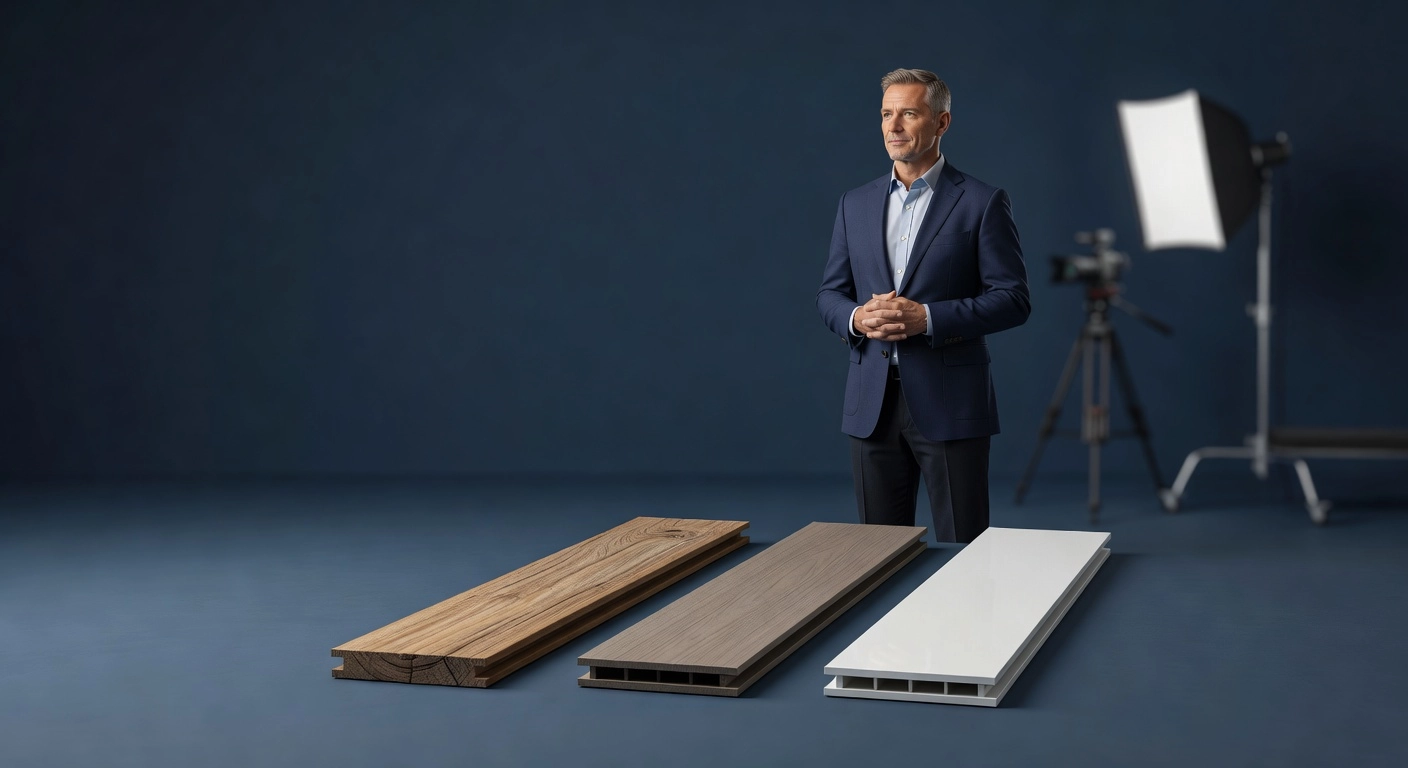
Choosing the right decking boards comes down to understanding your priorities. Wood offers unmatched natural beauty but requires ongoing maintenance. Composite strikes the best balance between cost, aesthetics, and low upkeep. PVC delivers superior durability and moisture resistance for those willing to invest more upfront.
No single material is perfect for every project. The best choice depends on your budget, your climate, and how much time you want to spend on maintenance over the years.
Now that you have a clear picture of all three options, you’re ready to make a confident, informed decision. Start by mapping out your priorities, then request samples or quotes from local suppliers. Your ideal deck is closer than you think. Take that first step today and build an outdoor space you’ll love for years to come.