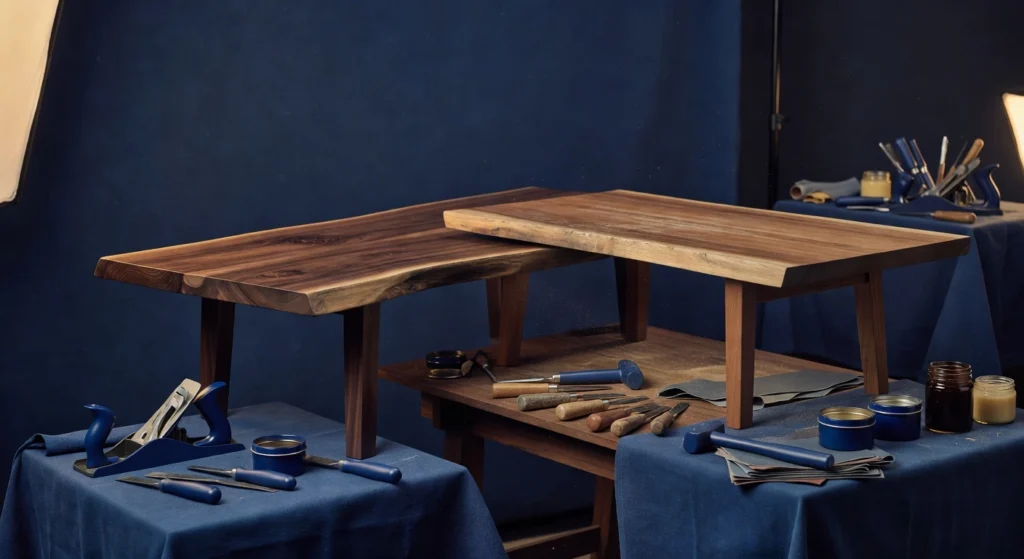

There is something special about gathering around a beautiful wood coffee table. Whether you are sharing drinks with friends, building a puzzle on a lazy Sunday, or just resting your feet after a long day, this piece of furniture sits right at the heart of your living space.
But here is the thing: most people either overspend on a coffee table they do not love, or they let a perfectly good one fall apart because they are not sure how to care for it. Sound familiar?
The good news is that you do not need to be a master craftsman or furniture expert to build, restore, or maintain a stunning wood coffee table. You just need the right guidance, a little patience, and a willingness to get your hands slightly dirty.
In this guide, we are going to walk you through everything step by step. From building your own table from scratch to bringing an old one back to life, plus easy care tips to keep it looking gorgeous for years. Let’s dive in and make your living room the envy of everyone who walks through the door.
Why Wood Coffee Tables Remain the Most Popular Choice
If you’ve ever wondered why wood keeps dominating the coffee table market, the numbers tell a pretty compelling story. The global coffee table market was valued at $12.4 billion in 2025 and is projected to nearly double to $25 billion by 2034. Within that growing market, wooden tables are outpacing almost every other material, expanding at an impressive 11.6% CAGR through 2033. That’s not a coincidence. People are actively choosing wood over alternatives, and there are some very good reasons why.
Wood brings something to the table (pun intended) that manufactured materials simply can’t replicate. MDF swells when it gets wet, chips under stress, and cannot be refinished once damaged. Glass shows every fingerprint, scratches easily, and shatters under impact. Solid hardwoods like oak, walnut, and teak, on the other hand, develop a beautiful patina over time, and any scratches or stains can be sanded back and refinished. A quality solid wood coffee table can genuinely last 30 to 50 years with proper care, compared to a flat-pack alternative that might need replacing within a decade.
The sustainability angle is accelerating this trend even further. According to The Insight Partners coffee table market research, consumer demand for reclaimed and FSC-certified wood is growing faster than the overall market, with buyers willing to pay a premium for pieces with unique grain patterns and eco-friendly credentials. Reclaimed wood especially appeals to people who want something genuinely one-of-a-kind.
It’s also worth noting that coffee tables take more daily punishment than almost any other piece of furniture in your home. Drinks, laptops, remote controls, and the occasional pair of feet all leave their mark. That makes knowing how to care for and repair your wood surface genuinely important, not just a nice-to-have skill.
Best Wood Species for a Coffee Table Tabletop
Picking the right wood species is one of the most important decisions you’ll make before cutting a single board. The species you choose affects how your table holds up to daily use, how it looks in your space, and how much you’ll spend at the lumber yard. Here’s a breakdown of the best options for beginners.
1. Oak: The Go-To Choice for DIY Builds
Oak is the most popular wood for DIY coffee tables, and for good reason. It has a Janka hardness rating of around 1,290 lbf, which means it can handle the everyday abuse a coffee table takes, think drink glasses, laptops, and the occasional foot resting on the surface. Its open grain texture adds natural character that works with both rustic and modern styles, and it takes stain beautifully if you want to customize the color. Best of all, oak is widely stocked at most lumber yards, making it easy to find in the dimensions you need without paying a premium.
2. Walnut: For a Richer, More Elevated Look
If you want something with more visual drama, walnut is worth the splurge. Its deep brown tones and striking grain patterns align perfectly with 2026 design trends pushing toward warmer, richer natural wood aesthetics. The trade-off is cost; walnut typically runs significantly more per board foot than oak. It’s a great choice if your budget allows and you’re building a statement piece.
3. Pine: The Budget-Friendly Starter Option
Pine is the most affordable wood you’ll find, making it a tempting choice for first-time builders. The downside is that pine is a softwood with a low Janka rating, which means it dents and scratches more easily than hardwoods. If you go with pine, apply a hard-wearing finish like polyurethane to give it a fighting chance against daily wear.
4. Reclaimed Wood: Character With Extra Prep Work
Reclaimed wood brings unique personality to a coffee table through weathered patina and natural history. However, it requires more prep work before building. You’ll need to clean it thoroughly, remove any old nails or hardware, flatten and mill it for stability, and inspect it carefully for rot or pest damage. According to sustainability guides, reclaimed options can reduce carbon footprint significantly, making them a smart choice for eco-conscious builders.
5. Live-Edge Slabs: A Sculptural Focal Point
Live-edge slabs retain the tree’s natural edge, creating an organic, one-of-a-kind tabletop that fits right into the curved and sculptural furniture trend dominating 2026 design. Walnut and oak are the most popular species for live-edge work. The key challenge is finish selection; you need a durable finish like a penetrating oil or polyurethane that seals the irregular natural edge against moisture and prevents splitting over time.
6. What to Consider Before You Buy
Before heading to the lumber yard, think through these factors:
- Hardness: A higher Janka rating means better resistance to dents and scratches
- Grain pattern: Open-grain woods like oak absorb stain differently than tight-grain species
- Local availability: Oak is easy to find almost anywhere; specialty slabs may require a dedicated hardwood dealer
- Budget: Pine saves money upfront; walnut or live-edge slabs cost more but deliver a premium result
Matching your species to your skill level, budget, and the finish you plan to use will save you a lot of frustration down the road.
The Most Common Types of Damage on Coffee Table Surfaces
Your coffee table sees a lot of daily action, and over time, that heavy use adds up. Before you can fix any damage, it helps to know exactly what you’re dealing with. Here are the five most common types of surface damage you’ll find on a wood coffee table.
1. White Heat Rings and Haze Marks
These milky white circles are probably the most recognizable form of damage on a finished wood table. They happen when you set a hot mug, bowl, or takeout container directly on the surface without a coaster. The heat causes the wood’s finish to expand slightly, allowing steam and moisture to get trapped underneath and create that cloudy, ghostly ring. The good news is that fresh marks are often fixable with simple household tricks, like applying a low-heat iron over a dry cloth, or rubbing in a small amount of petroleum jelly and letting it sit overnight. Older or deeper marks may need light sanding and a fresh coat of finish to fully disappear. Learning how to remove heat stains from wood early makes the whole process much easier.
2. Water Stains and Dark Rings
Water stains go a step further than heat marks. When moisture actually penetrates the finish, especially on older tables or surfaces with worn protective coatings, it soaks into the wood fibers and leaves behind dark, stubborn rings. Softwoods absorb moisture more readily than hardwoods, so a pine table sitting in a busy living room is particularly vulnerable. Left untreated, repeated moisture exposure can cause the grain to raise, the surface to crack, or in serious cases, the wood to warp. Repairing water damage on a wood coffee table typically involves light sanding, restaining the affected area, and resealing with a protective topcoat like polyurethane.
3. Scratches at Every Depth
Not all scratches are created equal, and the repair approach changes depending on how deep they go. Surface scratches only affect the finish layer and can usually be buffed out or touched up with a furniture marker. Deeper gouges that cut into the actual wood fiber are a different story; they need wood filler, sanding, staining, and refinishing to blend back in. Common culprits include keys, TV remotes, pet claws, and the edges of laptops being slid across the surface. Putting a small tray or pad down for everyday items goes a long way toward keeping the surface scratch-free.
4. UV Fading and Graying
If your coffee table sits near a window, sunlight is quietly working against it every single day. UV rays break down the pigments in the wood and the protective finish through a process called photodegradation, gradually washing out the natural color and leaving the surface looking gray, patchy, or uneven. This type of damage happens slowly, so it often goes unnoticed until the table looks noticeably dull compared to the rest of the room. Rotating the table occasionally, using curtains or blinds during peak sun hours, and applying a UV-protective finish can all help slow the process down.
5. Finish Wear and Dullness
Even without a single spill or scratch, a coffee table finish will wear down over time from simple daily contact. Forearms resting on the surface, laptops pushed back and forth, and feet propped up repeatedly on the same spots all gradually abrade the protective layer. The result is patchy, matte zones that not only look dull but also leave the bare wood more exposed to stains and moisture. Regular cleaning, occasional polishing, and reapplying a sealant every year or two keeps the finish in good shape and prevents small issues from turning into bigger repairs.
How to Fix Heat Marks and Water Stains on a Coffee Table
Heat marks and water stains are probably the two most common complaints about wood coffee tables, and the good news is that most of them are fixable at home without stripping the whole surface. Here are the key methods to know, starting with the gentlest and working up to the more involved approaches.
1. Use Gentle Heat and an Oil-Based Treatment for White Heat Marks
White heat marks are usually moisture trapped underneath the finish layer, not damage to the wood itself. That means you can often reverse them by drawing that moisture back out. Set a hair dryer to low heat and move it slowly back and forth over the mark, checking every 30 seconds or so. Another popular method is laying a clean cotton cloth over the mark and pressing a warm iron on top for a few seconds at a time. Once the mark starts to fade, apply a thin layer of petroleum jelly or mayonnaise directly to the spot and leave it overnight. The oils help release any remaining trapped moisture and condition the finish at the same time. Wipe it clean in the morning, buff gently, and the mark is often completely gone. According to Better Homes and Gardens, these household methods have a strong success rate on surface-level heat rings when applied correctly.
2. Tackle Mild Water Stains with 0000-Grade Steel Wool and Furniture Wax
White water rings that sit on top of the finish respond really well to very fine steel wool. Pick up 0000-grade (the extra-fine stuff) and rub it lightly over the stain, always moving in the direction of the wood grain. You are just barely abrading the surface to lift the discoloration, so use a light touch. Follow up immediately with a coat of furniture wax to restore the sheen and seal the area back up. Martha Stewart’s wood care guides also recommend pairing this technique with oil-based conditioners for best results.
3. Treat Dark Water Stains That Have Soaked into the Wood
Dark gray or black stains mean the water has moved past the finish and into the wood fibers themselves. Surface treatments will not touch these. You will need to sand the area lightly first to expose the raw wood, then apply an oxalic acid wood bleach (available at most hardware stores) to lift the discoloration. After the bleach works, neutralize the surface, let it dry fully, sand smooth, and refinish with a stain that matches your table. Lowe’s finishing guides cover this process in detail if you want a step-by-step breakdown.
4. Always Test in a Hidden Spot Before Treating the Whole Surface
This step gets skipped all the time, and it causes real problems. Polyurethane, lacquer, oil, and wax finishes all behave differently when exposed to heat, moisture, or abrasives. A method that works perfectly on a polyurethane finish can dull or lift a wax finish entirely. Before applying anything to a visible area, test it on the underside of the tabletop or on the inside of a leg. Give it a few minutes, wipe it off, and check the result before moving to the damaged area.
5. Get Full Step-by-Step Help from WoodStuffHQ’s Dedicated Guides
If you want to go deeper on any of these methods, WoodStuffHQ has complete guides specifically for removing white heat marks and water stains from wood tables. Each guide walks through multiple techniques, explains which finishes each method works best on, and includes troubleshooting tips for when results are not coming out the way you expect.
Repairing Scratches and Gouges in a Wood Coffee Table
Scratches on a wood coffee table aren’t all the same, and the fix depends almost entirely on how deep the damage actually goes. Working through the right repair method for each type saves you time and gives you much better results.
1. Surface Scratches in the Finish Only
If you can run your fingernail across the scratch and it doesn’t catch, you’re likely dealing with a finish-level scratch that hasn’t touched the wood underneath. These are the easiest to fix. A paste wax rubbed in with a soft cloth using gentle circular motions fills in micro-scratches and buffs to a smooth, protective shine. A color-matched touch-up marker works just as well for slightly more visible lines; apply it sparingly and wipe away any excess before it dries. A fine polishing compound matched to your finish type is another solid option. Always clean the surface first and test any product in a hidden spot before committing to the whole area. You can learn more practical approaches at Lost and Found Decor’s scratch repair guide.
2. Medium Scratches That Cut Into the Wood
When a scratch actually reaches bare wood, a wax fill stick or blended crayon-style filler in a color matched to your table’s tone is your go-to tool. Press the filler into the scratch, smooth it level with a finger or plastic putty knife, and let it set fully. Follow up with a light topcoat of compatible finish like clear polyurethane or lacquer to seal the repair and restore the sheen. The Amish Furniture Factory’s scratch repair tips are a great resource for choosing the right filler product.
3. Deep Gouges Need a Multi-Step Approach
Deep gouges require more patience. Clean out the damaged area first, removing any loose debris or old finish residue. Apply stainable wood filler in thin layers, letting each coat dry completely before adding the next; rushing this step causes cracking and shrinkage. Once the repair is flush, sand it smooth using progressively finer grits, then stain to match the surrounding wood before applying your topcoat.
4. Never Skip the Pre-Staining Step
One of the most commonly skipped steps is staining the repaired patch before applying the topcoat. Wood filler absorbs stain differently than raw wood, which means skipping this step almost always leaves a lighter, obvious patch. Apply stain after sanding but before the final finish coat, blending carefully to match the wood’s natural tone variation.
5. Widespread Scratching Often Calls for a Full Refinish
When scratches cover most of the tabletop surface, spot repairs become frustrating and inconsistent. Differences in sheen, texture, and color between patched areas and the original finish become hard to hide. In these cases, stripping the surface entirely, sanding back to bare wood, and applying a fresh stain and topcoat gives you a uniform, professional-looking result that spot repairs simply can’t match.
How to Restore an Old or Thrift Store Coffee Table
Scoring a solid wood coffee table at a thrift store or estate sale is one of the best DIY wins out there. With some patience and the right approach, you can turn a scratched, dull, or outdated piece into something that looks custom-made. Here is how to do it step by step.
1. Check the Structure Before You Do Anything Else
Before you spend a single minute sanding or staining, give the table a thorough structural inspection. Gently rock it from side to side and press down on the corners to check for wobble. Look underneath for loose joints, cracked stretchers, or legs that feel like they might pull free. If you spot any of these issues, fix them first using wood glue and clamps, letting everything dry for at least 24 hours before moving on. Also run your fingers along the tabletop to feel for veneer that has started to bubble or lift at the edges. Skipping structural repairs and jumping straight to the surface finish is one of the most common beginner mistakes, and it means your beautiful new finish will sit on an unstable foundation.
2. Strip the Old Finish Safely
Once the table is structurally sound, you need to remove the existing finish before applying anything new. For thick or multi-layer finishes, a chemical stripper works well. Apply it liberally, wait the time listed on the product label (usually 15 to 30 minutes), then scrape it off with a plastic putty knife. For thinner finishes, a heat gun or even aggressive sanding can do the job. No matter which method you use, always work in a well-ventilated space and wear gloves, safety goggles, and a respirator. These products produce fumes that build up quickly in enclosed spaces. Thrifted and vintage furniture often has multiple old finish layers, so be patient and repeat the process if needed.
3. Sand Through the Grits Progressively
After stripping, sanding brings the wood surface to a smooth, even base. Start with 80 or 100-grit to remove any remaining finish or rough spots, then work up through 120 and 150-grit, finishing with 180 or 220-grit for a surface that is ready to accept stain or a clear topcoat. Always sand with the grain, not against it. Wipe away dust between each grit change using a tack cloth so you are not dragging old grit across your fresh surface. On veneered pieces, use light pressure at every stage since veneer is thin and easy to sand through accidentally.
4. Repair Any Veneer Damage
Older thrift store tables frequently have veneer that has lifted at the edges or chipped in small sections. For lifting edges, squeeze a small amount of wood glue underneath, press the veneer flat, and clamp it down or stack heavy books on top until it dries completely. For missing sections, cut a patch from matching veneer sheet material, glue it in place, clamp it flat, and sand it flush once dry. Small holes and shallow scratches can be filled with wood filler before staining.
5. Apply Stain Evenly and Work Quickly
Stir your stain well before starting, and test it on the underside of the table first. Apply it in the direction of the grain using a lint-free cloth, working in manageable sections. Wipe off the excess within the time window listed on the can, usually 5 to 15 minutes, because leaving stain sitting too long causes dark, blotchy spots that are difficult to correct. Build deeper color with multiple thin coats rather than one heavy application, letting each coat dry fully in between.
6. Seal with Two or More Topcoats
A single coat of topcoat is not enough protection for a surface that gets daily use. Apply at least two coats of polyurethane, polycrylic, or another durable finish of your choice. Between coats, lightly sand with 320-grit paper and wipe away the dust before applying the next layer. This de-nibbing step removes tiny bumps and helps each coat bond properly to the one beneath it. Allow the final coat to cure fully before putting anything on the table, and you will have a restored piece that is ready for years of everyday use.
Choosing the Best Finish for a High-Traffic Coffee Table Top
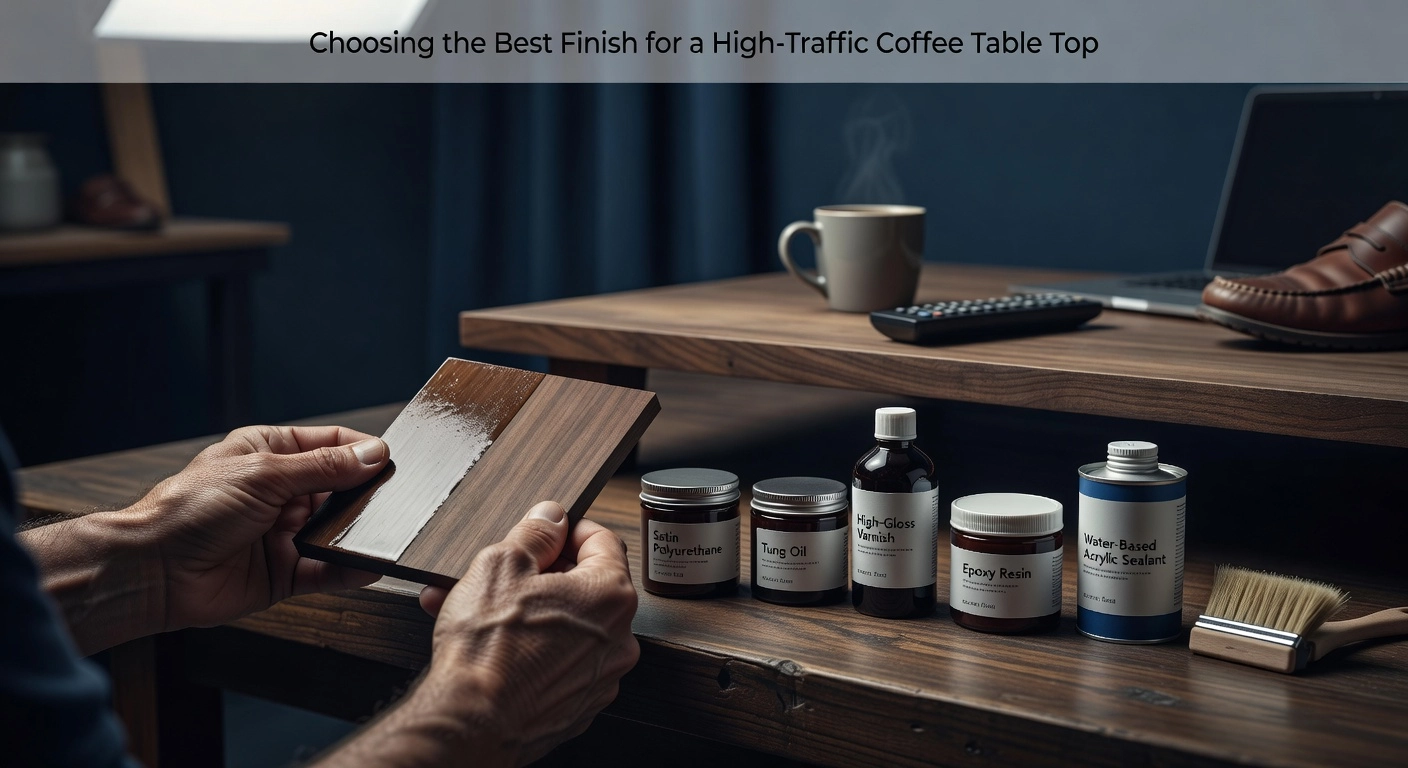
Once you’ve got your coffee table repaired or restored, the next big decision is what finish to put on top. The right finish is what stands between your beautiful wood surface and the daily reality of coffee mugs, remote controls, laptops, and the occasional pair of feet. Here are the six most important things to know before you open a single can.
1. Oil-based polyurethane is the gold standard for heavy use.
If your table is in a busy living room and sees constant action, oil-based polyurethane is the most reliable protective finish you can apply. It forms a thick, tough film that resists moisture, abrasion, and heat better than most alternatives. The tradeoff is patience; you’ll need to wait at least 24 hours between coats, and ventilation is a must because of the stronger odor and higher VOC levels. It also adds a slight amber warmth to the wood over time, which looks great on darker species but may not be ideal if you want to preserve a very light, natural tone.
2. Water-based polyurethane is the faster, clearer alternative.
Water-based poly dries much faster, often letting you apply multiple coats in a single day, and it stays clear without yellowing. That makes it a smart pick for lighter woods like maple or ash where you want to keep that fresh, natural look. It builds a slightly less hard film than oil-based versions, but modern formulations have improved significantly and hold up well for most home use situations.
3. Hardwax oils give you a natural feel with easy spot repairs.
Products like Rubio Monocoat penetrate the wood fiber rather than sitting on the surface, which creates a finish that genuinely feels like wood rather than plastic. Worn spots can be touched up without sanding the whole table, which is a huge advantage. The catch is that hardwax oils need more frequent maintenance than film finishes and offer less protection against standing water.
4. Lacquer is fast and hard but tricky for beginners.
Lacquer dries quickly and produces a very clean, hard surface. Professional furniture shops use it regularly for good reason. However, it is typically best applied by spraying, which makes DIY application more difficult, and once it cures, repairs are harder to blend invisibly.
5. Danish oil with wax suits rustic and reclaimed wood beautifully.
For a table with raw character, knots, or intentional imperfections, a penetrating oil finished with a paste wax enhances the natural grain without covering it up. It feels authentic and earthy, which suits the current trend toward warmer, more natural wood aesthetics. Plan on reapplying every one to two years depending on how hard the table gets used.
6. Always apply at least three to four coats on a tabletop.
No matter which finish you choose, the number of coats matters just as much as the product itself. A single coat or even two coats simply won’t hold up on a surface this well-used. Three to four coats is the practical minimum, with light sanding between each application to help every layer bond properly and build a genuinely protective surface.
How to Protect a Wood Coffee Table from Everyday Damage
Once you’ve put in the work to repair or refinish your coffee table, protecting that surface becomes the real long-term job. The good news is that prevention is much easier than repair, and these six habits cost almost nothing to maintain.
1. Use Coasters for Every Drink, Every Time
This one sounds obvious, but it’s the most commonly skipped step. Even a well-finished wood surface can develop white haze or water rings over time from condensation on a cold glass or steam rising from a hot mug. The moisture doesn’t need to sit long to work its way into the finish. Keep a small stack of coasters on the table itself so there’s no excuse to skip them, and opt for thick, absorbent styles rather than thin decorative ones that let moisture pool underneath.
2. Add Felt Pads Under Everything with a Hard Base
Remote controls, candles, vases, books, and decorative trays all have hard edges that create tiny scratches every time they slide or shift. Individually those scratches are invisible, but after a few months they accumulate into dull, hazy patches that make the whole finish look tired. Self-adhesive felt pads are inexpensive and take about two minutes to apply. Put them on anything that regularly sits on the table surface.
3. Rotate Items to Prevent UV Shadow Lines
If a lamp, tray, or centerpiece sits in the same spot for months, sunlight gradually bleaches the exposed wood around it while the area underneath stays darker. That creates a visible shadow line that’s very difficult to reverse without refinishing. Rotating your tabletop items every few weeks gives the whole surface even light exposure and keeps the color consistent.
4. Clean with a Lightly Damp Cloth
Wet wipes and spray cleaners might seem convenient, but repeated use pushes moisture into finish seams and wood grain over time. A lightly damp, soft cloth is all you need for routine cleaning. Wipe with the grain, and follow up with a dry cloth to remove any remaining moisture. Skip anything silicone-based or abrasive, since both can interfere with the finish over repeated applications.
5. Apply Paste Wax or Furniture Polish Every Three to Six Months
Think of wax or polish as a sacrificial layer that takes the daily abuse so your actual topcoat doesn’t have to. Applying a thin coat of paste wax every three to six months restores surface sheen and adds a renewable barrier against minor moisture and dust. Apply sparingly with a soft cloth and buff thoroughly for best results.
6. Keep the Table Out of Direct Sunlight
All wood fades and grays over time when exposed to UV light, but direct sunlight dramatically accelerates that process. Repositioning the table even a foot or two away from a sunny window can make a significant difference over years of use. If moving the table isn’t practical, UV-filtering window film is a low-cost solution that blocks most of the damaging light without affecting your view.
Building Your Own Coffee Table: What to Know Before You Start
If you’ve already explored wood species, finishes, and repair techniques in the previous sections, you might be thinking about skipping the retailer altogether and just building your own coffee table from scratch. The good news is that this is genuinely one of the most beginner-friendly furniture projects you can tackle at home.
1. The structure is simpler than you think
A basic coffee table comes down to three components: a tabletop, four legs, and some kind of apron or stretcher system connecting everything together. That’s really it. Entry-level designs rely on pocket-hole screws, butt joints, or simple screw-through assembly rather than advanced joinery like dovetails or mortise-and-tenon cuts. You don’t need years of woodworking experience to pull this off. Most simple builds can be completed over a weekend, and many beginners finish their first table in a single afternoon.
2. Stick to standard dimensions as your starting point
A coffee table that works well in most living rooms measures roughly 48 inches long, 24 inches wide, and 16 to 18 inches tall. That said, proportions matter more than exact numbers. The widely accepted design rule is to size your table at about two-thirds the length of your sofa. So if your couch is 84 inches long, you’re aiming for a table somewhere around 56 inches. Height should land within a few inches of your seat cushion height for comfortable use.
3. Start with a free plan
Sources like Kreg Tool and The Spruce Crafts offer dozens of free coffee table plans organized by skill level. These plans include cut lists, materials estimates, diagrams, and step-by-step instructions, so you’re not figuring anything out from scratch. Farmhouse-style builds using 2x4s are especially popular for beginners because the lumber is cheap, widely available, and forgiving to work with.
4. Your tool list is short
For a basic build, you need a miter saw or circular saw for cuts, a drill for assembly, clamps to hold pieces during glue-ups, and a sander for surface prep before finishing. A pocket-hole jig is a worthwhile addition if your plan calls for it, but it’s not essential for every design.
5. Always buy lumber in person
Ordering wood online means you’re accepting whatever arrives at your door. Visiting a lumberyard or home center lets you hand-select boards and check for warping, cupping, and problem knots before you pay. For tabletops especially, board flatness and grain consistency make a visible difference in the finished result. Pine and poplar are great beginner choices; both are affordable, easy to cut, and take stain and finish well.
6. Consider a multifunctional design
If you’re building something custom anyway, it’s worth thinking about whether a storage shelf, drawer, or lift-top mechanism would make the table work harder for your space. These features have become increasingly popular as living spaces get smaller and furniture is expected to do more. A basic lower shelf adds almost no complexity to the build but dramatically increases everyday usefulness.
Coffee Table Trends Worth Knowing for Your Next DIY Project
Keeping up with design trends isn’t just for interior decorators. If you’re planning a DIY coffee table build or restoration, knowing what’s trending helps you make smart choices about wood species, shape, finish, and styling right from the start. Here are six trends shaping coffee tables in 2026 that are genuinely worth building around.
1. Darker, Warmer Wood Tones Are Taking Over
The pale, gray-washed finishes that dominated living rooms for most of the last decade are being replaced by richer, warmer woods. Walnut is leading the charge, along with burl wood and heavily figured grain species that showcase swirling, expressive patterns. These woods add warmth and visual depth without needing extra décor to fill a room. If you’re choosing a wood species for your next build, leaning toward darker, character-rich options puts you right in line with where design is heading.
2. Curved and Organic Shapes Are Everywhere
Straight-edged rectangular tables are sharing space with rounded corners, flared legs, and soft biomorphic silhouettes that feel almost sculptural. For DIYers, this trend is more approachable than it looks. Running a roundover bit along your tabletop edges or tapering your legs with a slight outward flare gives your build an organic, contemporary feel without complex joinery.
3. Mixed Materials Add Contemporary Appeal
Pairing a solid wood top or base with a marble insert, travertine slab, or woven rattan shelf creates a layered, high-end look without building entirely from stone or metal. Many DIYers source a reclaimed wood slab and combine it with a prefabricated stone tile or rattan panel to get this effect at a reasonable cost.
4. Minimalist Styling Is Intentional, Not Sparse
What goes on top of your coffee table matters as much as the table itself. The current approach favors a small curated book stack, one plant, and a single functional object like a candle or bowl. Negative space is part of the design, so resist the urge to fill every inch of the surface.
5. Reclaimed Wood Brings Character and Sustainability
Salvaged barn wood, urban timber, and repurposed beams remain popular because they bring something no new lumber can replicate: genuine history, unique patina, and a story worth telling. The sustainability angle matters too, since using reclaimed material keeps usable wood out of landfills and reduces demand for new harvesting.
6. Quiet Luxury Favors Real Wood Over Veneer
The quiet luxury aesthetic prioritizes authenticity over uniformity. Mineral streaks, live edges, natural knots, and subtle grain variations are considered assets rather than flaws. Solid wood ages beautifully and can be refinished repeatedly, making it a much better long-term choice than veneer or laminate if you want that honest, premium look.
A Simple Maintenance Routine to Keep Your Coffee Table Looking Great
Keeping your coffee table in great shape doesn’t require a lot of time or expensive products. A simple, consistent routine handles about 90% of common issues before they ever become real problems.
Weekly: wipe down the surface with a lightly damp microfiber cloth. Dust, crumbs, and light grime might seem harmless, but over time they work their way into the finish and settle into the grain texture. A dry microfiber cloth handles everyday dust beautifully since it traps particles instead of pushing them around. For sticky spots or light surface grime, a slightly damp cloth followed immediately by a dry one keeps moisture from sitting on the wood.
Monthly: apply a thin coat of paste wax or appropriate wood conditioner if your table has an oil or wax finish. These finishes are common on handcrafted and premium pieces, and they need periodic replenishment to maintain their protective layer and restore that warm surface luster. Apply a small amount with a soft cloth, let it sit briefly, then buff it out. Less is more here; thin coats work better than heavy ones and won’t leave a cloudy buildup.
Every six to twelve months: give the finish a close inspection. Run your hand across the surface and look for dull patches, fine scratches, or areas where the finish looks thin or worn. Catching these spots early means a simple touch-up with a wax stick or touch-up marker rather than a full refinishing job later.
Annually: check the structural integrity of leg joints and any hardware. Wood expands and contracts with seasonal humidity changes, which gradually loosens joints over time. Tighten any screws, and re-glue wobbly joints before the movement stresses the tabletop itself.
Two habits make everything easier. Keep a small repair kit nearby with a matching touch-up marker, a wax stick in the right wood tone, and a small jar of paste wax. Quick access means minor scuffs get fixed immediately instead of being ignored until they worsen. Also, write down the finish type used on your table and store that note somewhere you won’t lose it. Knowing whether you have a lacquer, polyurethane, or oil finish ensures that future repair products and top coats bond properly and match the existing sheen.
Taking Care of Your Coffee Table Starts with the Right Knowledge
A solid wood coffee table isn’t just a surface to rest your drink on. It’s a piece you can genuinely keep for decades if you treat it right. Solid wood furniture can last 30 to 100 years or more with consistent care, which makes the case for learning basic maintenance pretty straightforward. Replacing at the first scratch or stain is almost always the more expensive choice, and with wood, it’s rarely necessary.
The fundamentals covered throughout this guide apply whether you built your table from raw lumber, rescued one from a thrift store, or simply inherited a piece that needs some attention. Wood species and finish types vary, but the core principles stay the same: clean gently, protect the surface, nourish the wood periodically, and address damage early before it deepens.
WoodStuffHQ has dedicated guides covering specific repair situations including heat mark removal, water stain treatment, and UV protection strategies that go deeper into the techniques mentioned here. If a particular issue is giving you trouble, those resources are worth checking out alongside this one.
The best place to start is with one small action today. Put coasters on the table, apply a thin coat of protective wax, or finally tackle that white heat ring that has been sitting there since last winter. Small steps build real habits.
With consistent care, your coffee table won’t just survive. It will develop character and patina that actually improves its look over time.
Conclusion
Your wood coffee table is more than just furniture; it is the centerpiece of your living space and a reflection of your effort and care. Here is what to remember:
- You can build a beautiful table from scratch without professional skills
- Restoring an old piece saves money and preserves character
- Consistent, simple maintenance keeps wood looking stunning for decades
- The right tools and guidance make every step manageable
Now it is your turn to take action. Pick one project to start today, whether it is sanding down that scratched surface, sourcing lumber for a new build, or simply applying a fresh coat of protective finish. Small steps lead to big results.
Your living room deserves a table you are proud of, and now you have everything you need to make that happen. Go build something worth gathering around.