

So your favorite piece of Bob’s furniture has seen better days. Maybe the drawer keeps sticking, a leg is wobbling, or the fabric is looking a little rough around the edges. Before you start searching for a replacement or calling in a professional, here’s some great news: you can probably fix it yourself, right at home.
Bobs furniture is known for being stylish, affordable, and built to last, but like anything in your home, it needs a little TLC from time to time. The good news is that most common issues are surprisingly simple to address, even if you have zero experience with repairs.
In this guide, we’re walking you through seven of the most common furniture problems that beginners can tackle with basic tools and a little patience. No fancy skills required, just a willingness to roll up your sleeves and get it done. By the end of this post, you’ll feel confident enough to breathe new life into your furniture and save yourself some serious money in the process. Let’s get started!
What Type of Wood Does Bob’s Furniture Actually Use?
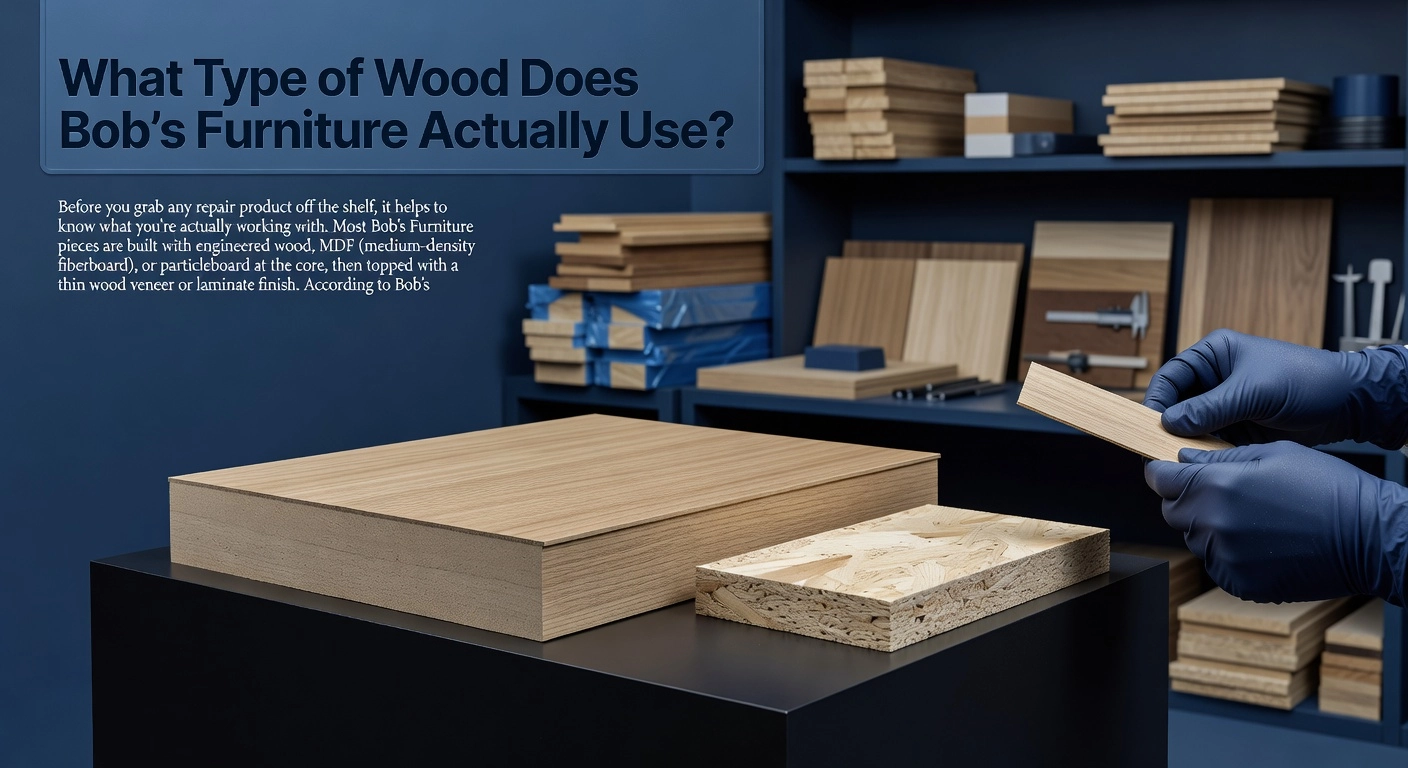
Before you grab any repair product off the shelf, it helps to know what you’re actually working with. Most Bob’s Furniture pieces are built with engineered wood, MDF (medium-density fiberboard), or particleboard at the core, then topped with a thin wood veneer or laminate finish. According to Bob’s official FAQ, they do use some solid wood, but that’s mostly limited to higher-end pieces or specific components like legs. The everyday bedroom sets, dressers, and entertainment centers? Mostly engineered wood underneath.
This matters a lot when something gets scratched or chipped. Veneer surfaces are extremely thin, sometimes just a millimeter thick, so they scratch and peel differently than solid hardwood. Aggressive sanding or harsh chemical solvents can lift the veneer right off, making the damage significantly worse. Gentle methods and veneer-safe fillers are the way to go here.
Understanding your material also helps you choose the right household fix. What works on solid oak will not work the same way on an MDF core with birch veneer on top.
A quick way to check: flip open a drawer and look at the bottom and edges. If you see a dense, grainless core with a thin decorative layer on top, that is engineered wood. This detailed review from Interior Insider confirms this construction is standard across most of Bob’s lineup. Solid wood looks consistent all the way through with visible grain on every surface.
Fixing Surface Scratches on Bob’s Wood Furniture
Now that you know Bob’s furniture is mostly engineered wood with a thin veneer layer on top, fixing scratches becomes a lot more manageable once you use the right approach. The good news is that most surface scratches are totally fixable at home without spending much money.
For Light Surface Scratches
Light scratches that only affect the finish or the very top of the veneer have two go-to fixes that work really well.
Option 1: A wood touch-up marker. These are inexpensive pens filled with wood-toned stain that blend right into the scratch. Pick a shade that closely matches your furniture color, apply it directly into the scratch, and immediately wipe away any excess with a clean cloth. You can find these at any hardware store or online for just a few dollars.
Option 2: Olive oil and white vinegar. Mix equal parts of each in a small bowl, dab it onto the scratch with a soft cloth, let it sit for a few minutes, then buff it out. This household remedy works by moisturizing the wood fibers and filling in tiny surface grooves, which makes shallow scratches much less visible. It is a great first attempt before buying anything. Check out five simple ways to fix scratches on wood furniture for more household-friendly ideas.
Application Technique Matters
No matter which product you use, always apply it in thin layers rather than one heavy coat. Once applied, buff gently with a soft microfiber cloth, moving in the direction of the wood grain. This blending step is what makes the repair look natural instead of patchy.
For Deeper Scratches
If the scratch cuts deeper into the surface, a wax-based wood filler stick is your best bet. These are sometimes called repair sticks or filler crayons, and they cost just a few dollars at most hardware stores. Rub the stick into the scratch, scrape away the excess with an old gift card, and buff smooth with a cloth.
Two Rules You Should Always Follow
First, always test any product on a hidden spot before applying it to the visible area. Bob’s uses different finishes across its product lines, so what works on one piece might cloud or discolor another.
Second, never use abrasive scrubbing pads. On engineered wood furniture, those pads can easily peel the thin veneer right off, turning a minor scratch into a much bigger problem. Stick to soft microfiber cloths only.
If your furniture is still under Bob’s Goof Proof protection plan, it may be worth contacting them for a covered in-home repair before attempting any DIY fix yourself.
Removing Water Stains and Rings From Bob’s Tables
Good news for anyone dealing with those annoying white circles left behind by a water glass or a potted plant: they are usually much easier to fix than they look. White water rings on Bob’s tables are almost always caused by moisture getting trapped in the finish layer, not in the wood itself. That means you can often clear them up without any sanding or refinishing at all.
Try the Baking Soda and Toothpaste Paste First
Mix a small amount of baking soda with plain, non-gel white toothpaste to form a thick paste. Apply it to a soft cloth and rub it gently over the ring, always moving in the direction of the wood grain. The mild abrasives in the toothpaste work to release the trapped moisture without scratching the surface. Many people see the ring disappear in a single session. Wipe the area clean with a damp cloth afterward and check your progress before going in for a second round.
For Stubborn Rings, Try Petroleum Jelly Overnight
If the toothpaste paste does not fully do the job, grab some petroleum jelly from your medicine cabinet. Spread a thin layer directly over the ring and leave it overnight. The oils slowly displace the moisture sitting in the finish. In the morning, buff it off with a clean, soft cloth and the ring should be noticeably lighter or completely gone.
Dark Stains Need a Stronger Approach
Dark brown or black water stains are a different situation. These indicate that moisture has soaked deeper into the material beneath the finish. A diluted white vinegar solution is a gentle starting point; mix equal parts vinegar and water and apply it carefully with a soft cloth. For more stubborn dark marks, oxalic acid (sold as wood bleach at most hardware stores) is a proven treatment. Follow the product instructions closely, wear gloves, and always test on a hidden spot first.
Finish With Polish to Protect the Surface
Once the stain is gone, dry the surface completely with a clean cloth before doing anything else. Then apply a light coat of furniture polish, working with the grain. This step restores the sheen, conditions the finish, and helps protect against future rings. Per Bob’s official furniture care guidance, routine polishing is part of keeping wood surfaces looking their best long term.
Repairing Chipping Veneer or Laminate on Bob’s Pieces
Veneer chipping is actually one of the most frequently mentioned complaints you’ll find in Bob’s customer reviews, and it makes sense why. Because most Bob’s pieces use MDF or particleboard cores with a thin veneer or laminate surface, those edges and corners take a beating over time. Daily bumps, sliding items across surfaces, and even just regular use can cause that thin outer layer to chip or lift, especially in the first few years of ownership. The good news is that most of these repairs are totally doable at home with supplies you might already have on hand.
For small lifted edges, grab a toothpick and a bottle of wood glue. Carefully work a tiny amount of glue under the lifted section without overdoing it, since too much can create a bigger mess to clean up. Press the veneer flat, wipe away any glue that squeezes out, then lay a strip of painter’s tape over the area and stack a heavy book on top. Leave it alone for a full 24 hours before removing the weight. This low-tech fix works surprisingly well on early-stage lifting before the damage spreads. You can find more detailed steps in this veneer repair guide from Salvaged Inspirations.
For larger areas where veneer is already missing, iron-on veneer tape is your best friend. You can find it at most home improvement stores in several wood tones. Cut a piece to fit the damaged spot, apply it with a medium-heat iron using a cloth buffer, and press firmly as it cools. A furniture touch-up marker helps blend the color so the patch does not stand out.
One thing to keep in mind after any repair: keep moisture away from those edges. MDF cores swell when they get wet, and a swollen core makes future repairs nearly impossible. Wipe up spills right away and avoid placing repaired pieces near sinks or humidifiers.
Finally, finish every repair by rubbing a thin bead of clear furniture wax along the repaired edges. This creates a simple moisture barrier that helps the veneer stay flat and discourages future lifting. Think of it as a protective seal that buys your furniture extra time.
Degreasing Bob’s Cabinet Surfaces the Right Way
If you’ve ever run your hand across the top of a cabinet near your stove, you already know what we’re talking about. That slightly sticky, grimy film is a combination of cooking grease, airborne oils, dust, and humidity that builds up gradually and bonds to the surface. Regular dusting simply pushes it around without actually removing it, and over time this layer dulls the finish, makes the surface look dingy, and can even start to break down the protective coating on your Bob’s cabinet pieces.
The good news is you don’t need any fancy products to fix this. Mix together a cup of warm water, a few drops of dish soap like Dawn, and a small splash of white vinegar. The dish soap emulsifies the grease and lifts it away from the surface, while the vinegar helps dissolve residue and cut through any sticky buildup. This combination is gentle enough to use on finished wood, painted surfaces, and laminate without stripping the protective layer underneath. According to Bob’s official furniture care guidance, avoiding harsh cleaners is key to preserving the finish on their pieces.
When you’re ready to clean, wring your cloth out thoroughly so it’s barely damp, not wet. Work from the top of the cabinet down to the bottom, moving in small sections. This top-to-bottom approach prevents dirty drips from landing on areas you’ve already cleaned. It also keeps excess water from sitting in seams or edges, which is especially important on Bob’s MDF-based pieces since moisture that seeps inside can cause swelling and warping.
Once you’ve wiped down a section, follow immediately with a second clean cloth dampened with plain water to rinse off any soap or vinegar residue. Then dry the surface right away with a dry towel. Skipping the drying step is one of the most common mistakes people make, and it can lead to streaks, water marks, or long-term finish damage.
Finish the whole process with a light application of furniture polish, buffed along the wood grain with a lint-free cloth. This restores the sheen and lays down a thin protective barrier that makes future grease less likely to stick. Bob’s furniture care page also recommends this polishing step as part of regular upkeep.
Restoring Dry or Faded Wood Finish on Bob’s Furniture
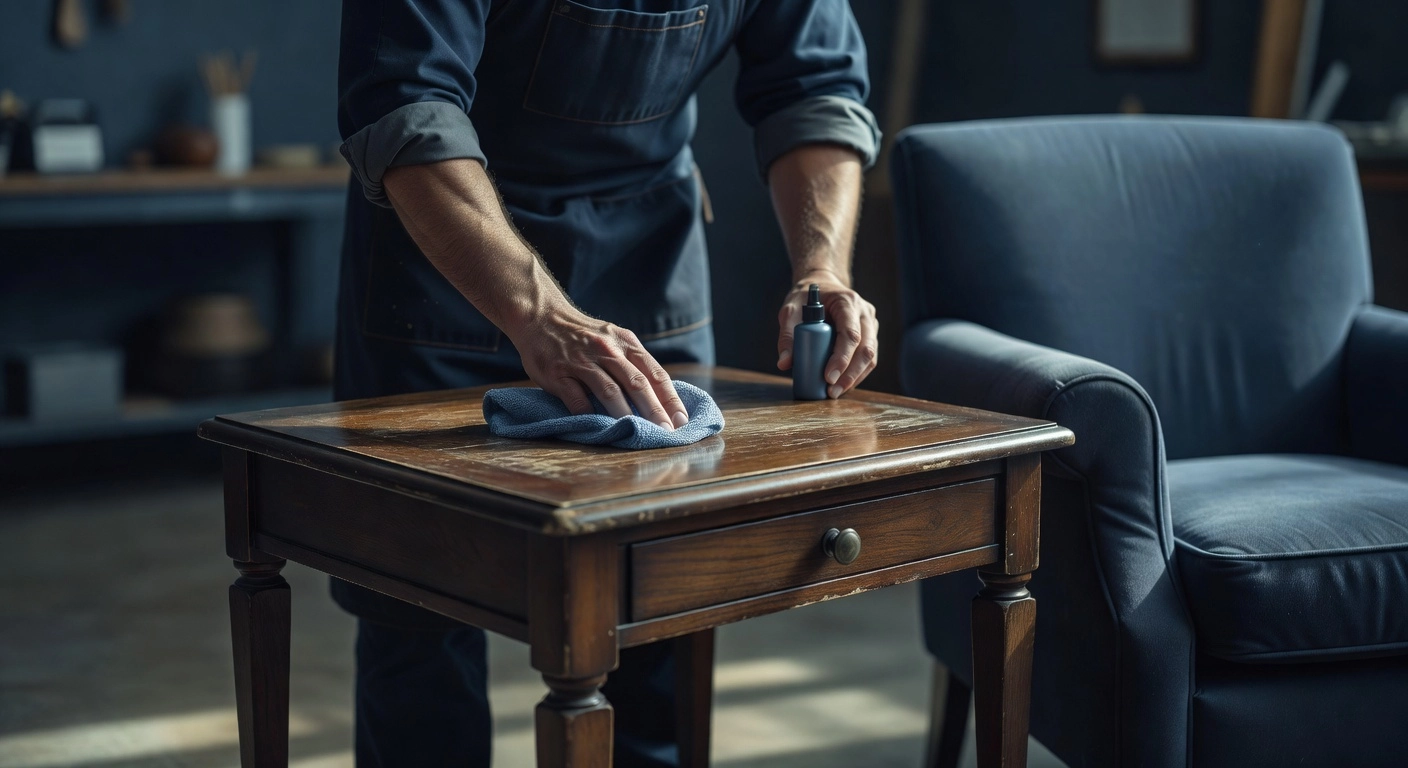
Even well-cared-for furniture loses its luster over time, and Bob’s pieces are no exception. Because most of their products use engineered wood cores with thin veneer surfaces, the finish coating on top takes the brunt of everyday wear. Sun exposure through windows, repeated wiping with harsh cleaners, and simple aging all strip away the protective sheen, leaving surfaces looking dull, dry, or discolored. The good news is that restoring that finish is very doable at home, even for beginners.
1. Try the Olive Oil and Vinegar Fix First
For mildly dull surfaces, a simple 1:1 mixture of olive oil and white vinegar is a great starting point. Mix equal parts in a small bowl, dip a soft cloth in the solution, and apply it sparingly, working with the grain of the veneer. The vinegar cuts through built-up residue and grime while the olive oil conditions the surface and brings back some moisture. Buff away any excess with a dry cloth so you don’t leave an oily film behind. This won’t last forever, but it’s a quick, inexpensive way to revive a dull finish without risking damage. Always test in a hidden spot first, like the back of a leg or the underside of a shelf.
2. Use a Commercial Restorer for Discoloration
When olive oil and vinegar aren’t cutting it, a product like Howard Restor-A-Finish works really well on the veneer surfaces common to Bob’s pieces. It’s designed to penetrate and restore color without stripping the existing finish underneath, which is exactly what you want on thin veneers. Apply it with a soft cloth, let it sit briefly, then wipe away the excess. It comes in several wood tones, so you can match it closely to your piece’s original color.
3. Sand Lightly and Wax for Longer Results
For pieces with more significant fading, light hand-sanding with 220-grit sandpaper followed by a coat of furniture wax delivers a longer-lasting improvement. Sand gently and evenly, always with the grain, then wipe away dust and apply a thin layer of paste wax. Be cautious here; Bob’s veneers can be quite thin, so don’t press hard or sand repeatedly in one spot.
4. Prevent Dryness With Monthly Conditioning
Once you’ve restored the finish, keep it there. Applying food-grade mineral oil or a dedicated furniture conditioner once a month takes only a few minutes and goes a long way toward preventing the finish from drying out again. This is especially important if your furniture sits near a sunny window or in a room with low humidity. You can also check Bob’s official furniture care page and their general care guidance for additional maintenance tips straight from the source.
Fixing Wobbly Joints and Loose Hardware on Bob’s Pieces
If you’ve tackled the surface-level fixes in the previous sections, wobbly furniture is the next common issue Bob’s owners run into, and the good news is that it’s almost always fixable at home with basic tools.
Loose joints are incredibly common on value-priced furniture after the first year of regular use. As you sit in chairs, slide tables across floors, and generally live your life, the assembly hardware gradually works itself free. Cam lock connectors, bolts, and screws that were snug when you first built the piece slowly loosen with each movement. Customer reviews consistently mention dining chairs developing wobble within the first year, and many owners report table legs and frames developing noticeable play after one to three years. This is completely normal for budget furniture construction and doesn’t mean the piece is done for.
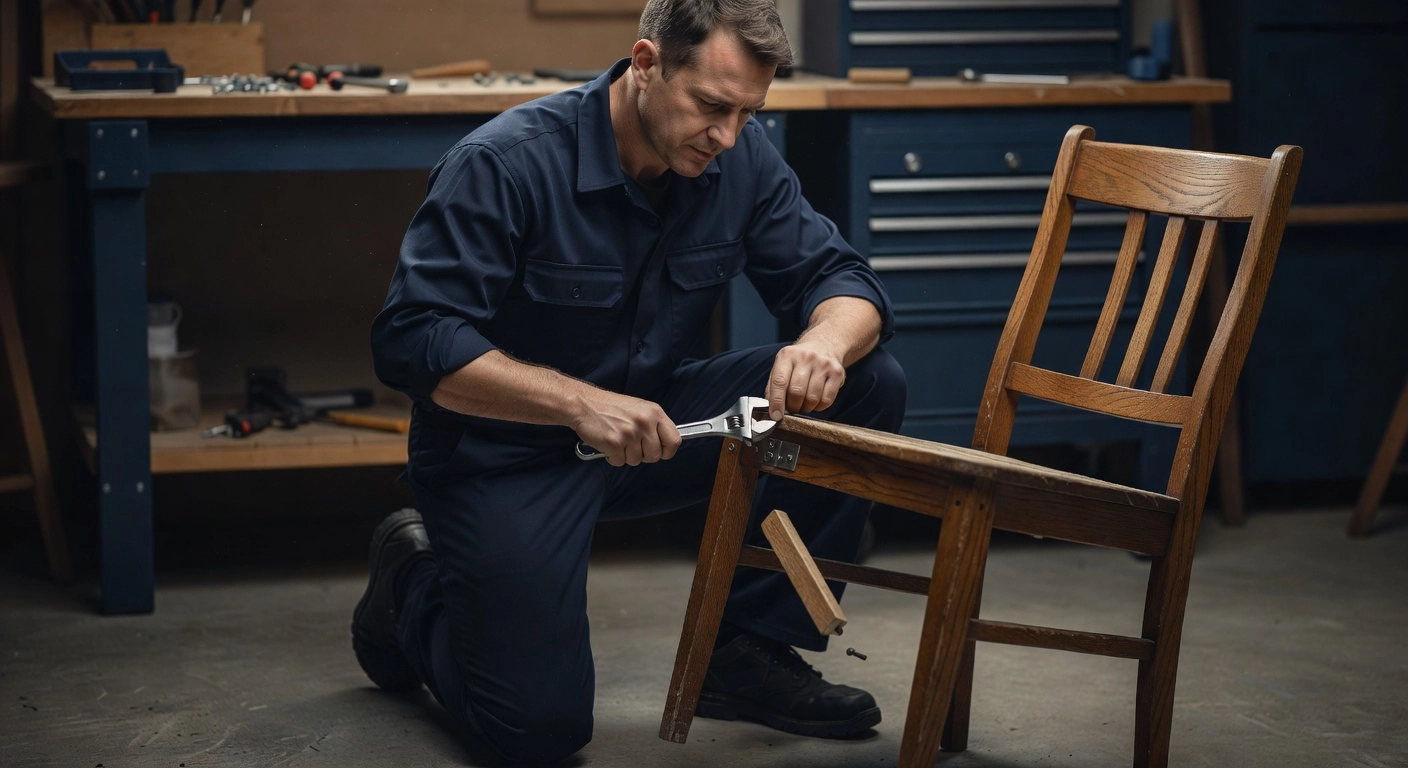
The very first thing you should do is grab a screwdriver and an Allen key and tighten everything you can see. Cam lock connectors, which are those round disc-shaped fasteners common in flat-pack furniture, often just need a quarter-turn clockwise to snug back up. Work your way around every visible bolt and screw. Most wobble issues disappear completely in under ten minutes with this simple step alone.
If tightening doesn’t hold because the screw hole has stripped out in the MDF, try the toothpick repair method. Dab some wood glue onto a few wooden toothpicks, stuff them into the stripped hole, snap them flush, and let everything dry overnight. Once cured, drive the original screw back in and it will grip the solid plug you just created.
For loose chair legs or table bases, apply a thin bead of wood glue into the joint, reassemble, and clamp it firmly overnight. Once dry, reinforce the connection by screwing a small corner bracket into the inside corner of the joint for added long-term stability.
Finally, keep a simple repair kit handy: wood glue, a set of Allen keys, a few screwdrivers, and some wood filler. Budget furniture typically lasts three to seven years, and regular six-month tightening checks can push yours toward the longer end of that range. Since Bob’s uses standard hardware sizing across most of their product lines, one basic kit covers nearly everything in your home.
Bob’s Warranty vs. DIY Repair: Which Option Makes More Sense?
Before you attempt any of the repairs covered in this guide, it’s worth pausing to ask whether your furniture might still be covered under warranty. Here are the key things you need to know to make that call confidently.
Bob’s warranty coverage has real limitations. Bob’s offers a standard one-year limited warranty covering factory defects from the date of delivery. They also sell an optional “Goof Proof” protection plan through Guardian, which provides five years of coverage for accidental damage and stains. Sounds reassuring, but customer reviews across platforms like Trustpilot, Reddit, and the BBB consistently tell a different story. Slow technician response times, claim denials based on “misuse,” and disputes over what counts as accidental damage are recurring complaints. Some customers wait months for a technician visit only to receive a denial. Going in with realistic expectations matters.
Cosmetic issues are almost never worth a warranty claim. Surface scratches, water rings, and minor scuffs are typically excluded from the standard warranty, which focuses on manufacturing defects. Even the Goof Proof plan frequently disputes cosmetic claims as normal wear. As covered in earlier sections of this guide, these fixes cost under $20 using household products and take less than an hour. Filing a warranty claim for a water ring simply isn’t worth the wait.
Structural problems are a different story. If a frame cracks, a recliner mechanism fails, or hardware breaks within your first year of ownership, contact Bob’s customer service before spending a dime. Document the issue with photos, keep your purchase receipt handy, and submit a formal claim. A successful case could mean a free repair or replacement.
Out-of-warranty repairs heavily favor the DIY route. Professional furniture service calls reportedly run $90 or more just for Bob’s in-home visits, and independent furniture repair averages $185 to over $350 nationally. Meanwhile, the wood glue, filler sticks, and cleaning products you need for most common fixes total well under $20.
Always document before you repair. Take clear photos of any damage before touching it, and hold onto your original receipt. This protects you if you later decide a warranty claim is worth pursuing.
Keep Your Bob’s Furniture Looking Good for the Long Haul
The good news is that keeping your Bob’s Furniture in great shape long-term is simpler than you might think. A quick monthly routine goes a long way: dust surfaces with a soft, slightly damp cotton cloth, apply a light wood conditioner every few months to prevent drying, and tighten any loose screws or hardware before small wobbles become bigger problems. These small habits consistently protect the thin veneer and engineered wood surfaces that most Bob’s pieces use.
Most of the complaints you’ll see from Bob’s owners, including scratches, water rings, chipping laminate, and sticky cabinet surfaces, are fixable at home for under $20 using basic household products like baking soda, vinegar, mayonnaise, and a few simple tools. You rarely need professional help for the minor stuff.
Before attempting any fix, always identify your material first. Veneer, MDF, and laminate each respond differently to products and techniques, and using the wrong approach can make things worse.
For a deeper look at specific repairs, WoodStuffHQ’s guides on scratch repair, water stain removal, and cabinet finishing walk you through each method step by step, with tested techniques designed for everyday DIYers using simple tools. With a little consistency, your Bob’s pieces can look great for years to come.
Conclusion
Your Bob’s furniture doesn’t have to be replaced just because it shows a few signs of wear. As we’ve covered in this guide, most common issues like sticky drawers, wobbly legs, and worn fabric are completely fixable at home with basic tools and a little patience. You don’t need professional experience to get great results, just the right approach and a willingness to try.
Here’s what to take away: small repairs save big money, regular maintenance extends the life of your furniture, and tackling these fixes yourself gives you confidence to handle future problems with ease.
Now it’s your turn. Pick the repair that’s been on your mind, gather your tools, and get started today. Your favorite piece of Bob’s furniture has more life left in it. Go ahead and prove it.

Pingback: Wood Interior Doors: Types, Species, and How to Choose - WoodStuffHQ