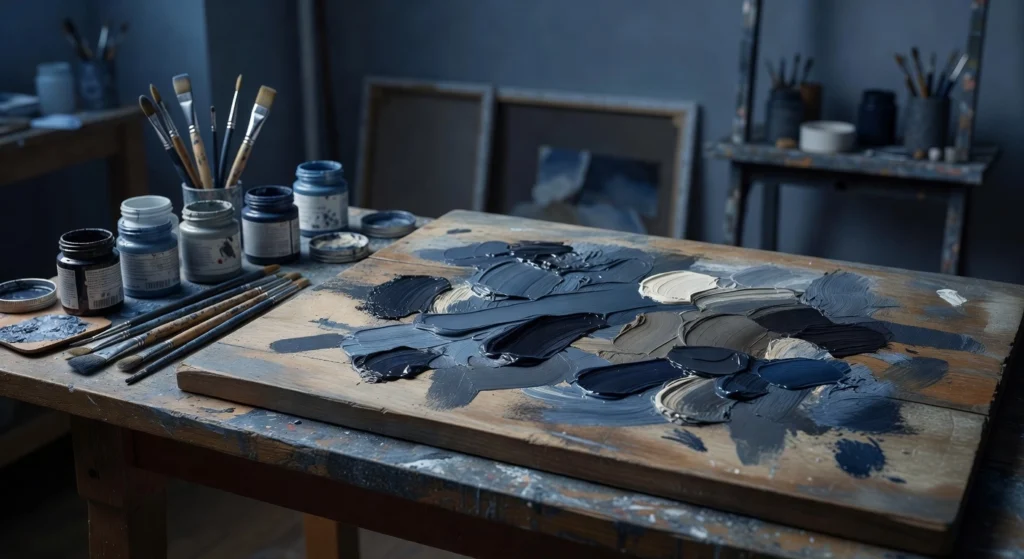

So you’ve picked up a few tubes of acrylic paint and you’re staring at a wooden surface, wondering where on earth to begin. Sound familiar? Don’t worry, we’ve all been there, and the good news is that painting wood with acrylics is way more approachable than it looks.
Acrylic paint is honestly one of the best choices for wood projects. It’s affordable, easy to find, dries quickly, and cleans up with just soap and water. Whether you’re upcycling an old piece of furniture, decorating a wooden sign, or just experimenting with a craft project, acrylics can help you get beautiful results without a steep learning curve.
In this tutorial, I’m going to walk you through everything you need to know as a beginner. We’ll cover how to prep your wood surface properly, which supplies you’ll actually need, how to apply your paint for the best finish, and how to seal your work so it lasts. By the end, you’ll have all the confidence and knowledge to tackle your first wood painting project. Let’s get started!
What Is Acrylic Paint and Why Does It Work on Wood
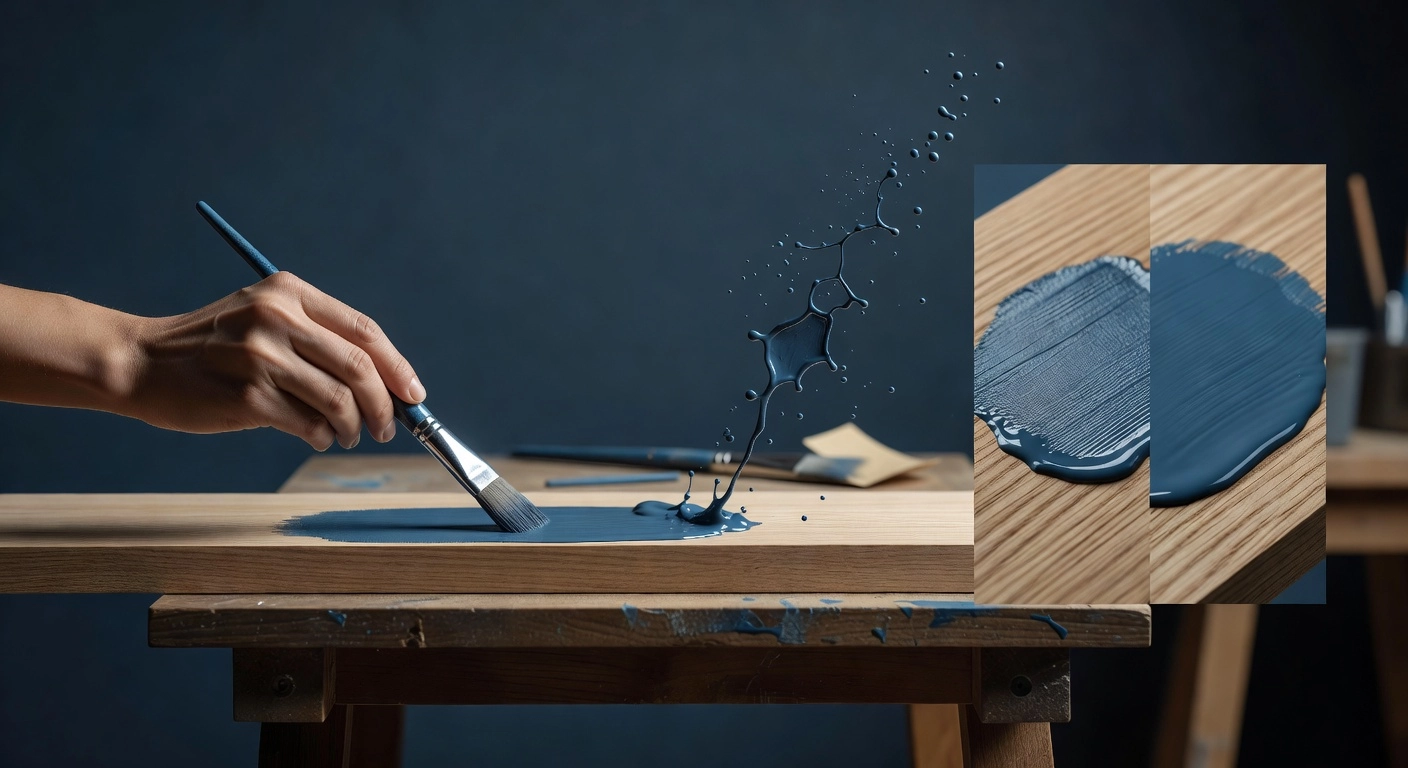
If you’ve ever wondered why acrylic paint keeps showing up in woodworking tutorials and DIY furniture makeovers, the answer comes down to chemistry. Acrylic paint is a water-based medium made from pigment suspended in an acrylic polymer emulsion, along with additives like plasticizers and stabilizers. When you brush it onto wood and the water evaporates, those polymer particles fuse together into a continuous, flexible film. Because wood is naturally porous, the emulsion actually penetrates the surface fibers and grips them from the inside out, creating a bond that holds up surprisingly well.
This makes acrylic paint behave very differently from oil-based paint. Oils can take days or even weeks to fully dry, require mineral spirits for cleanup, and tend to yellow and become brittle over time. Acrylics, on the other hand, dry to the touch within minutes to hours, clean up with plain soap and water while still wet, and stay flexible long after they cure. Compared to standard latex paint, true acrylic formulas contain a higher resin content, which translates to better adhesion, greater durability, and stronger resistance to moisture and everyday wear.
That performance advantage is part of why acrylic resins now account for roughly 47.5% of the broader paints and coatings market. Low VOC levels, fast drying times, and versatility across different wood types have made them the go-to choice for both professional finishers and weekend DIYers alike.
For homeowners tackling a project without a dedicated workshop, the cleanup factor alone is a game changer. No solvents, no fumes to worry about, and no special disposal requirements. You just rinse your brushes under the faucet before the paint dries.
Perhaps the biggest reason acrylic paint works so well on wood specifically is its flexibility. Wood is a living material in the sense that it naturally expands and contracts as temperature and humidity shift throughout the seasons. Rigid paint finishes crack and peel when the wood moves beneath them. The flexible acrylic film moves right along with the wood, keeping your finish looking clean and intact for the long haul.
What Wood Types and Projects Work Best with Acrylic Paint
Acrylic paint plays well with a surprisingly wide range of wood species, but some surfaces set you up for better results than others. Softwoods like pine and poplar are beginner-friendly choices because they’re affordable, widely available, and accept paint smoothly after sanding. Birch is another solid option, especially in plywood form, since its relatively tight grain creates a uniform surface that holds acrylic well. For hardwoods, maple is a favorite for cabinets and furniture because it sands to a fine, consistent texture with lower absorption. Oak can work on solid pieces with extra prep, but its open grain can show through your paint layers if you skip a proper primer coat.
Engineered woods like MDF and plywood behave differently from solid wood. They tend to soak up primer and paint faster, especially along cut edges, which can leave you with an uneven, patchy finish. The fix is simple: add an extra coat of primer, preferably an oil-based or shellac-based formula on MDF edges, before applying your acrylic. This seals the surface and gives you that smooth, consistent base that makes the final color look polished rather than blotchy.
Where Acrylic Paint Really Shines
The best projects for acrylic paint on wood include furniture refinishing, kitchen cabinets, decorative crafts, interior trim, and outdoor wood pieces with the right formulation. Updating an old dresser or side table with acrylic is one of the most popular DIY projects right now, and for good reason. The paint dries fast, covers well, and delivers vibrant, long-lasting color when properly sealed.
For outdoor projects, you need to reach for an exterior-grade or UV-resistant acrylic formula specifically. Standard interior acrylics will fade, peel, and crack under direct sun and rain. An exterior acrylic paired with a durable topcoat gives your garden furniture or wooden planter box real staying power against weather exposure.
One area where acrylic paint does not belong is on raw cutting boards or any food-contact wood surface. Acrylic is not food-safe, and cutting boards face constant moisture, knife abrasion, and washing that can cause paint to chip and potentially contaminate food. Stick to food-grade finishes like mineral oil or butcher block conditioner for anything that touches your meals.
Pros and Cons of Using Acrylic Paint on Wood
Acrylic paint brings a lot to the table when you’re working with wood, but like any material, it comes with trade-offs worth knowing before you crack open that first bottle.
The Wins: Why Acrylic Paint Makes Sense for Wood Projects
One of the biggest advantages beginners appreciate right away is how quickly acrylic paint dries between coats. Most coats are ready for the next layer in just 20 to 30 minutes, which means you can build up your finish in a single afternoon rather than waiting overnight like you would with oil-based options. That kind of speed makes a real difference when you’re painting a bookshelf or refinishing a side table.
The low odor and low VOC formula is another practical bonus, especially for indoor projects. You can paint in a spare bedroom or garage without feeling like you need a respirator, and it’s a safer choice in homes with kids or pets nearby. Cleanup is also straightforward since water and a bit of soap handle wet paint on brushes and surfaces without any harsh solvents.
Color quality is genuinely impressive with acrylics. The pigments stay vibrant over time and resist yellowing, which is a common complaint with some oil-based finishes. You also get flexibility in the cured finish, meaning the paint moves with the wood as it naturally expands and contracts through seasonal humidity changes. Brittle finishes crack under that kind of stress; acrylic finishes generally hold up.
The Challenges: What Beginners Need to Watch For
The downsides are real but manageable once you know what to expect. Surface prep is non-negotiable. Skipping sanding and priming leads to poor adhesion, peeling, and a blotchy finish that no amount of additional coats will fix.
Applying paint too thickly is the most common beginner mistake. Thick coats leave visible brush marks and dry unevenly. Thin, patient layers always produce smoother results.
Finally, acrylic paint becomes significantly harder to remove once it dries, so work in small sections, keep a damp cloth nearby, and rinse your brushes the moment you step away. Dried paint in a brush is a frustrating and avoidable problem.
Tools and Materials You Will Need Before Starting
Before you open a single can of paint, having the right supplies lined up makes the whole process smoother and far less frustrating. The good news is that you don’t need a professional workshop to get great results. Here’s exactly what to gather before you start.
Sandpaper and a sanding block are your first must-haves. Grab a pack that includes 80 to 120 grit for your initial sanding pass, which roughs up the surface and helps paint grip properly. Then pick up some 220 grit for smoothing between coats. A sanding block keeps your pressure even across flat surfaces like tabletops or cabinet doors, so you avoid uneven spots or accidental gouges.
Primer or gesso comes next. Applying a coat of primer or acrylic gesso seals the wood grain, prevents uneven paint absorption, and gives your acrylic paint a consistent base to bond to. Skipping this step is one of the most common beginner mistakes.
For applicators, a set of quality synthetic brushes handles edges and detail work well, while a small foam roller is your best friend on larger flat surfaces. Foam rollers are widely recommended for cabinet doors and furniture because they lay paint down smoothly with far fewer visible brush marks.
Choose your acrylic paint in matte, satin, or gloss depending on your project, and pair it with a water-based protective topcoat such as polycrylic or water-based polyurethane. That topcoat is what gives your finished piece real durability against daily wear.
Finally, round out your kit with a drop cloth to protect your floors, painter’s tape for clean edges, a tack cloth to lift sanding dust before each coat, and a few clean rags for general wiping. As DIY painting guides consistently point out, none of these require professional tools, just consistency and a little patience.
Step-by-Step Guide to Applying Acrylic Paint on Wood
Now that you’ve got your tools and materials ready, it’s time to put them to work. Following these steps in order is what separates a finish that lasts for years from one that chips and peels within weeks. Take your time with each stage, and don’t skip ahead, because every step builds on the one before it.
Step 1: Clean and Degrease the Wood Surface
Before anything touches your wood, it needs to be completely clean. Oils from your hands, old wax residue, dust, and grime all create invisible barriers that stop paint from bonding to the wood fibers. Wipe the entire surface down with a clean cloth dampened with a mild soap solution or a dedicated wood degreaser. Pay extra attention to older pieces of furniture, which often have layers of polish or cleaning products built up over time. Once you’ve wiped it down, let the wood dry completely before moving forward. Even a slightly damp surface can trap moisture under your primer and cause bubbling or adhesion problems later on.
Step 2: Sand the Surface to Open the Wood Grain
Sanding is what gives paint something to grip. Start with 80 to 120 grit sandpaper and work in long strokes that follow the direction of the wood grain. This scuffs up the surface and opens the wood grain so the primer and paint can sink in and bond properly. If you’re working with a smooth, factory-finished piece or previously painted wood, this step is especially critical since those surfaces are too slick for paint to hold onto without some roughing up. After sanding, grab your tack cloth and wipe the entire surface thoroughly. A tack cloth is stickier than a regular rag, so it picks up fine dust particles that a dry cloth would just push around. Skipping the dust removal at this stage means that dust gets locked into your primer layer, giving you a gritty finish that no amount of extra coats will fix.
Step 3: Prime the Wood Before Painting
Priming might feel like an extra step you could skip, but it genuinely changes the outcome of your project. Wood is naturally porous, and without a sealer, acrylic paint soaks unevenly into the grain, leaving you with patchy coverage and a finish that absorbs far more paint than it should. Apply one to two thin, even coats of acrylic gesso or a compatible wood primer using a brush or small foam roller. Gesso is especially popular for craft and art projects because it creates a smooth, bright white base that makes colors pop. Let each coat dry fully according to the product instructions, which is usually an hour or more. Once the final primer coat is dry, lightly sand the surface with 220 grit sandpaper to knock down any raised fibers or bumps, then wipe it clean with your tack cloth. This leaves you with a silky, paint-ready surface that makes application much easier.
Step 4: Apply the First Coat of Acrylic Paint
Here’s where the fun begins. Load your brush with a moderate amount of paint and apply it in long, even strokes running in the direction of the wood grain. This technique minimizes streaking and reduces visible brush marks in the finished surface. Keep your coats thin rather than trying to get full coverage in one pass. A thick coat of acrylic paint looks tempting because it seems like it would save time, but thick applications dry unevenly, show brush strokes more prominently, and are more likely to crack as the wood naturally expands and contracts with humidity changes. Your first coat will probably look a little uneven or show the grain through it, and that is completely normal. Thin layers are how you build a solid, professional-looking finish.
Step 5: Let It Dry, Then Sand Between Coats
Acrylic paint dries to the touch quickly, often within 20 to 30 minutes under normal indoor conditions, but wait until the surface feels completely dry with no tacky spots before doing anything else. Once it’s dry, lightly sand the entire surface with 220 grit sandpaper using gentle, even pressure. You’re not trying to remove the paint, just smooth out any small imperfections, raised grain, or dried brush strokes. Wipe away all the dust with your tack cloth before applying the next coat. This sanding-between-coats routine might seem repetitive, but it’s what gives your final finish that smooth, even look rather than a textured or bumpy appearance.
Step 6: Build Up Additional Coats
Two to three more thin coats applied using the same process will take your finish from thin and patchy to solid, rich, and durable. Each coat you add builds depth and coverage while also increasing the flexibility and resilience of the overall finish. Sand lightly and clean between every coat, allowing full drying time each time. By your third or fourth coat, you should have consistent color coverage with no blotchy spots showing through.
Step 7: Seal and Protect with a Topcoat
After the final coat has dried for at least 24 hours, it’s time to protect all that work with a topcoat. Apply two to three thin coats of a water-based sealer such as polycrylic or water-based polyurethane, allowing each coat to dry fully before adding the next. Sealing acrylic paint on wood locks in the color, shields the surface from scratches and moisture, and dramatically extends the life of your finish. Choose a sheen level, matte, satin, or gloss, based on the look you want. Allow the final sealer coat to cure for up to 72 hours before putting the piece into heavy use. That curing time lets the topcoat harden fully so it can handle real-world wear without scratching or dulling prematurely.
Troubleshooting Common Acrylic Paint Problems on Wood
Even with solid preparation and the right tools, things don’t always go perfectly the first time. Here’s a breakdown of the most common acrylic paint problems on wood and exactly how to fix them.
Visible Brush Marks
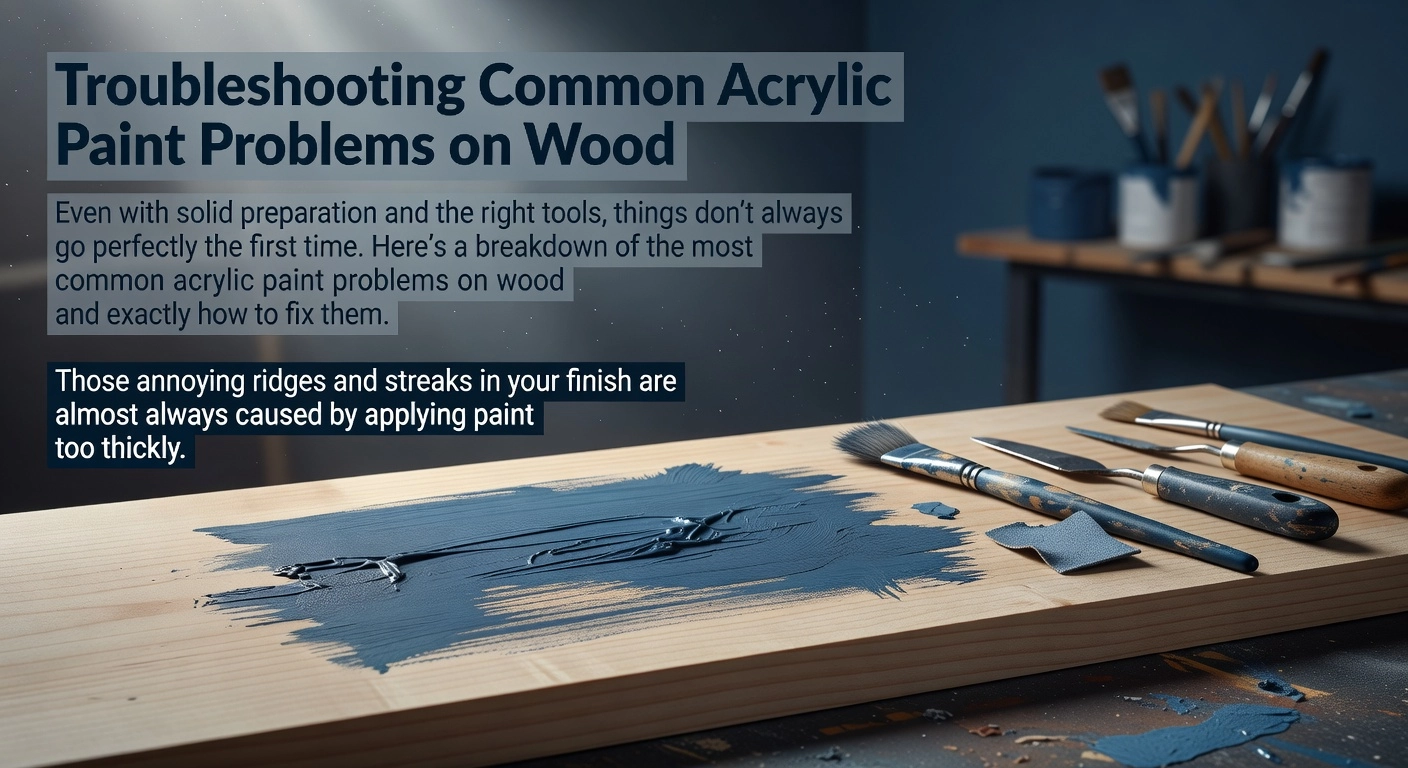
Those annoying ridges and streaks in your finish are almost always caused by applying paint too thickly or dragging a low-quality brush across the surface with too much pressure. The fix is simpler than you might think. Try thinning your paint slightly with water, just a small amount at a time, until it flows more smoothly off the brush. You can also switch to a foam roller for flat surfaces, which naturally deposits a more even layer. Multiple thin coats will always outperform one heavy coat, so resist the urge to load the brush and push through in a single pass.
Chipping or Peeling After Drying
If your paint is lifting or flaking after it dries, the surface almost certainly wasn’t prepped well enough before you started. Paint needs something to grip onto, and bare or slick wood simply doesn’t provide that without sanding and priming first. Scrape away any loose paint, sand the area smooth, and apply a bonding primer before repainting. Skipping surface prep is the leading cause of paint failure on wood, so treating it as a non-negotiable step rather than optional will save you a lot of frustration.
Blotchy or Uneven Finish
This one shows up most often on raw pine and other porous softwoods, where the grain and knots soak up paint at different rates. The result is a patchy, inconsistent look that no amount of extra coats seems to fix. Adding a second coat of primer before painting creates a more uniform base and dramatically reduces blotchiness. Sealing both sides of a panel also helps prevent the wood from warping or pulling unevenly as the paint dries.
Paint Not Sticking to Previously Finished Wood
Old glossy or oil-based finishes are notoriously slippery for water-based acrylics. If you skip the prep work, your new paint will simply sit on top rather than bond to the surface. Sanding with 120-grit sandpaper is the standard fix; it scuffs the surface just enough to give the paint something to hold onto without leaving deep scratches. Follow that with a bonding primer and you’re in good shape.
Bubbling or Cracking Between Coats
Bubbling and cracking almost always come down to impatience during the drying process. When you apply a second coat before the first is fully dry, trapped moisture has nowhere to go and creates texture problems as it escapes. Acrylics typically need at least one to two hours between coats depending on humidity and temperature. When in doubt, give it a little extra time. A light touch test works well; if the surface still feels even slightly tacky, it is not ready for the next coat.
Best Acrylic Paints for Different Wood Projects
Not every wood project needs the same type of acrylic paint, and choosing the right formula upfront saves you a lot of frustration down the road. Here’s how to match the paint to the job.
Furniture Refinishing
For furniture makeovers, all-in-one acrylic furniture paints are hard to beat. Products like Fusion Mineral Paint and General Finishes Milk Paint are designed to combine primer, paint, and built-in topcoat protection into a single formula. That means fewer steps, less guesswork, and a smoother experience for beginners. These paints deliver a durable, low-luster finish with excellent adhesion, even on surfaces that were previously painted or stained. In most cases, all you need to do is clean the piece and do a light scuff sand before diving in.
Kitchen Cabinets
Cabinets take a beating from grease splatter, steam, and daily wiping, so you need a paint that can actually handle that kind of punishment. Look specifically for a cabinet-grade acrylic enamel, which dries to a noticeably harder finish than standard wall paint. This hardness is what gives it resistance to chipping, moisture, and cleaning products. Applying multiple thin coats and allowing proper cure time (sometimes up to two weeks for full hardness) makes a big difference in longevity here.
Outdoor Wood Furniture and Trim
When painting wood that lives outside, an exterior-grade acrylic latex with built-in UV resistance and mildew inhibitors is the right call. The flexibility of acrylic latex is especially valuable outdoors because wood expands and contracts with temperature changes, and a rigid paint would crack over time. Pairing your exterior acrylic with a marine-grade sealer adds a meaningful layer of waterproofing and sun protection that extends the finish life significantly.
Wood Crafts and Decorative Projects
Standard craft-grade acrylics are perfectly suited for painted wood signs, decorative boxes, and smaller hobby projects. They come in hundreds of colors, dry fast, and are very beginner-friendly. That said, always finish with a topcoat sealer on anything that gets handled regularly, since craft acrylics alone wear down faster under repeated contact.
Hybrid Chalk-Style and Mineral-Based Acrylics
These hybrid formulas have grown in popularity for furniture projects because they stick well to previously painted surfaces with very little prep work. They offer a trendy matte finish that works beautifully for both modern and vintage-style pieces, and they hold up better over time than traditional chalk paint. If you want a low-prep, high-style result on a furniture flip, this category is worth exploring first.
Acrylic Paint vs. Other Wood Finishes: When to Choose Each
Not every wood finish does the same job, and knowing which one fits your project saves you from a costly redo. Here is a plain-language breakdown of how acrylic paint stacks up against the most common alternatives.
Acrylic Paint vs. Wood Stain
Wood stain soaks into the wood fibers rather than sitting on top of them. That means it brings out the natural grain, deepens the color, and keeps the wood looking like, well, wood. If you have a beautiful oak table with gorgeous figure in the grain, stain is the right call because it celebrates what is already there. Acrylic paint, on the other hand, lays down an opaque film that covers everything underneath. That quality makes it perfect for an old dresser with scratches, mismatched repairs, or a style that feels dated. When you want to hide the wood rather than highlight it, acrylic wins.
Acrylic Paint vs. Oil-Based Paint
Oil-based paints do create a harder, more scuff-resistant surface, and that durability is their main selling point. The trade-offs, though, are significant for a beginner working indoors. Drying time between coats can stretch to 24 hours, the cleanup requires mineral spirits or turpentine, and the fumes are strong enough to require serious ventilation. Acrylic paint dries in as little as 30 minutes, cleans up with soap and water, and has low to near-zero VOCs in most modern formulas. For a typical DIY furniture project done in a home workspace, acrylic is the practical and safer choice.
Acrylic Paint vs. Polyurethane or Varnish
Polyurethane and varnish are clear protective coatings, not paints. They protect and enhance natural wood but they cannot replace color coverage. Their real value in an acrylic workflow is as a topcoat applied over your finished acrylic paint, adding scratch resistance and sheen without changing the color. Think of them as teammates rather than competitors.
Acrylic Paint vs. Chalk Paint
Chalk paint skips most of the prep work and delivers a soft, matte, vintage finish with minimal fuss. The catch is durability. Without a wax or sealer coat, chalk paint scratches and marks easily, which becomes a problem on high-traffic pieces like dining chairs or nightstands. Acrylic paint with a compatible topcoat builds a tougher, more resilient surface that holds up better to daily use.
The Simple Rule of Thumb
Reach for acrylic paint when your goal is bold, consistent color coverage on a piece that needs refreshing, and when you want a formula that dries fast, smells mild, and cleans up without solvents. It fits naturally into a home workspace without professional equipment and plays nicely with protective topcoats for long-term durability.
How to Clean and Maintain Acrylic Painted Wood Surfaces
Keeping acrylic painted wood looking fresh doesn’t require much effort once you know the basics. For routine cleaning, dampen a soft microfiber cloth with warm water and a small drop of mild dish soap, then wipe the surface gently. Dry it immediately with a clean cloth so moisture doesn’t sit on the finish. Skip the abrasive scrubbers and steel wool entirely since they scratch and dull the topcoat, leaving your painted surface looking worn even when the underlying paint is perfectly fine.
For cabinets, furniture, and other pieces that get daily handling, plan to reapply a fresh topcoat every one to two years. This simple step restores protection and brings back that clean, finished look without requiring you to sand everything down and start over. Water-based polyurethane works well for this refresh coat on high-traffic pieces.
When chips or scuffs appear, tackle them early before they spread. Lightly sand the damaged spot with 220-grit sandpaper to smooth the edges, wipe away the dust, brush on a thin layer of matching acrylic paint, and once it’s fully dry, apply a small amount of topcoat over just that area. Early fixes stay nearly invisible.
One product category to avoid completely is harsh chemical cleaners. Bleach, ammonia-based sprays, and strong furniture polishes break down the acrylic film over time, causing discoloration and peeling that’s far harder to fix than a simple scuff.
For painted outdoor wood, do a quick visual inspection every spring. Look for peeling edges, fading, or small cracks. Catching minor damage early means a quick touch-up rather than a full refinishing job later in the season.
Final Thoughts: Getting the Best Results with Acrylic Paint on Wood
If there is one takeaway from everything covered in this guide, it is that preparation does most of the heavy lifting. Cleaning, sanding, and priming your wood surface before a single drop of paint touches it is what separates a finish that holds up for years from one that chips within weeks. From there, patience with thin coats pays off every time. Building up two or three light layers produces a far smoother, more professional result than trying to muscle through with one thick application.
Sealing your finished surface with a compatible water-based topcoat is non-negotiable, especially on furniture, cabinets, or anything that sees daily use and occasional moisture. It is the final layer of protection that makes all your prep work worthwhile.
Matching the right acrylic formula to your specific project also makes a real difference. Furniture paint, cabinet enamel, craft acrylic, and exterior formulations each handle differently and perform best in their intended roles.
The good news is that acrylic paint remains one of the most beginner-friendly options available for transforming wood around your home. With the right prep, the right product, and a little patience, you can achieve results that look genuinely polished without professional tools or prior experience.


Pingback: Furniture Refinishing: Complete Beginner's Guide to Wood - WoodStuffHQ