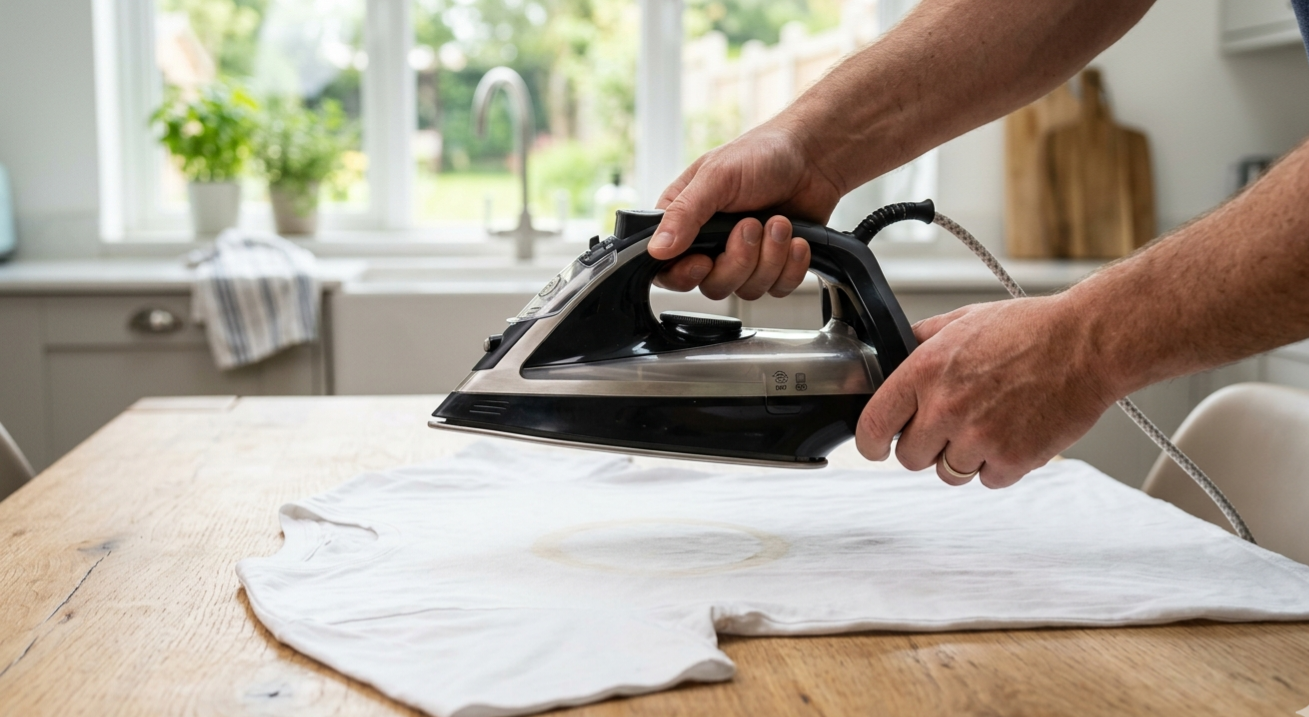
How to Remove White Heat Marks From Wood Table: Easy 2-Min Fix
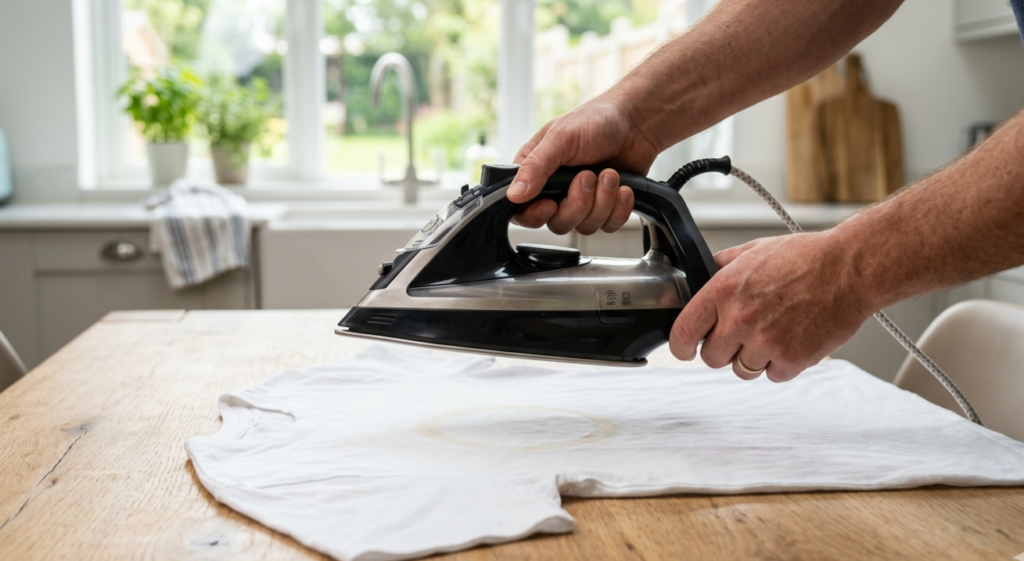
How To remove white heat marks from a wood table, yes, you can fix it in under 2 minutes using a dry iron and a cotton cloth.
Yes, you can remove white heat marks from a wood table in under 2 minutes using a dry iron and a cotton cloth. The heat re-opens the wood pores and releases trapped moisture causing the white cloudy ring. No sanding, no expensive products, and no professional help needed. This iron method works on oak, walnut, cherry, and most finished wood furniture.
- Don’t use steam — it will make the stain worse.
- Don’t use on shellac finishes — the heat can melt the finish.
- Always use a cotton cloth as a protective barrier.
how to remove white heat marks from wood table
That ugly white heat stain on wood table surfaces isn’t actually a burn — it’s trapped moisture. When you place a hot coffee mug, pizza box, or takeout container directly on a wood table, the heat forces moisture from the air into the wood’s finish. The finish then turns cloudy or white as the moisture gets trapped underneath it.
This is why the mark looks like a white spot on wood furniture from heat rather than a dark scorch. The good news? Because it’s just moisture, you can usually remove heat ring from wood quickly by gently reheating the area to release that trapped vapor. That’s exactly what the iron method does.
Step 1: Set Your Iron to Medium Heat to Remove White Heat Marks
The iron method wood water mark technique is the fastest and most reliable way to fix this common problem. Here’s exactly how to do it safely.
What You’ll Need
- Dry iron — no steam function active
- Clean cotton t-shirt or towel — must be 100% cotton, no synthetics
- Optional: Hair dryer for backup on stubborn marks
- Furniture polish — to restore shine after treatment
Step 1: Set Your Iron to Medium Heat, No Steam
Plug in your clothes iron and set the dial to medium heat (wool or cotton setting). This is crucial: make absolutely sure the steam function is turned OFF. Any steam will push more moisture into the finish and make the white cloudy mark on wood table even worse. Let the iron heat up for about 2 minutes until it’s fully warm.
Step 2: Place Cotton Cloth Over the White Mark
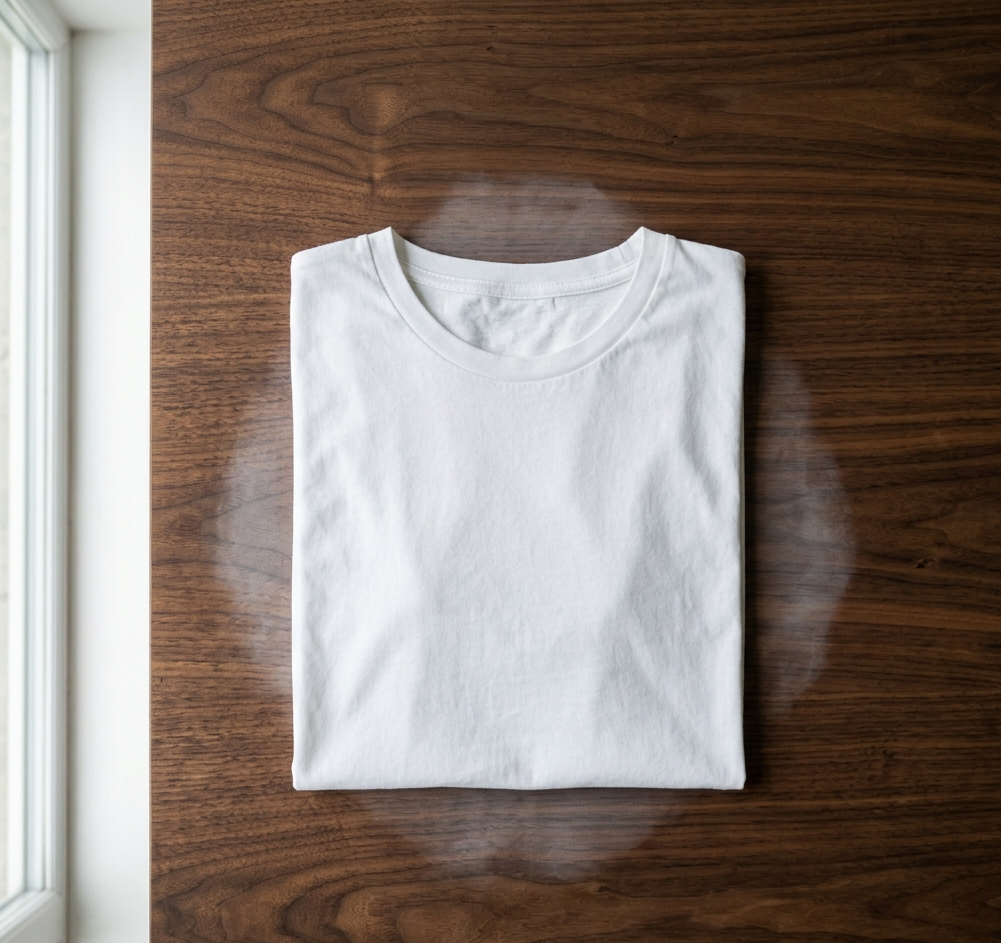
Lay a clean, dry, white cotton t-shirt or thin cotton towel directly over the white heat stain on wood table. The cloth acts as a protective barrier between the hot iron and the wood finish. Do not use colored fabric — dyes can transfer when heated. Make sure the cloth is completely dry; any dampness will interfere with the process.
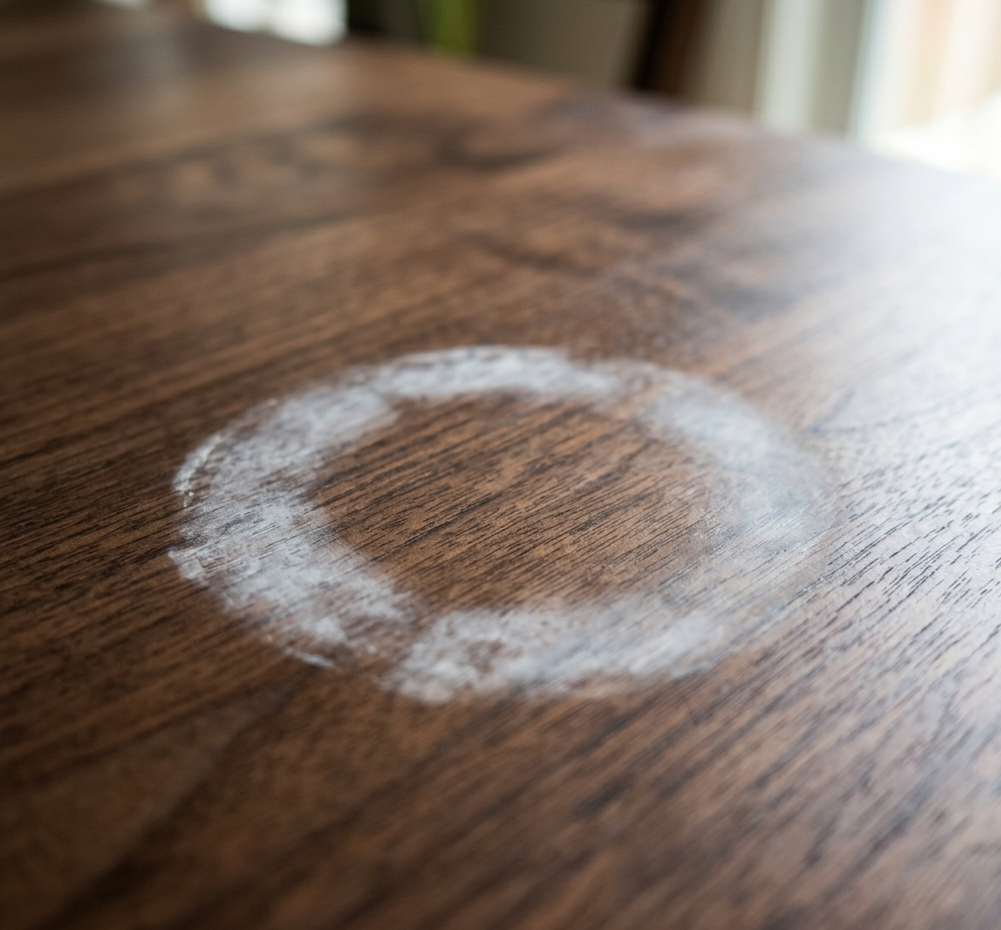
Step 3: Iron in Circles for 10 Seconds
Place the heated iron on top of the cloth and move it in slow, gentle circular motions for about 10 seconds. Don’t press down hard — let the weight of the iron do the work. The gentle heat passes through the cotton and warms the wood finish just enough to reopen the pores and release the trapped moisture causing the white spot on wood furniture from heat.
Step 4: Lift and Check – Repeat if Needed
After 10 seconds, lift the iron and peel back the cloth to inspect the area. In many cases, the white cloudy mark on wood table will have vanished completely. If you still see a faint ring, replace the cloth and repeat for another 10 seconds. Never iron for more than 30 seconds total without checking — overheating can damage the finish.
Step 5: Apply Furniture Polish After
Once the mark is gone, let the area cool for a few minutes, then apply a quality furniture polish or wood conditioner. This restores the luster and adds a protective layer. If you’re dealing with a valuable antique, consider using a dedicated best wood conditioner 2026 to nourish the wood after the heat treatment.
Before and After Results: Does It Really Work?
The iron method is surprisingly effective on most modern wood finishes. Here’s what you can expect:
The method works best on oak, walnut, cherry, maple, and most stained wood furniture. It is less effective on raw, unfinished wood or on pieces with a shellac finish. For water-related discoloration that isn’t heat-related, check our guide on how to fix water stains on wood.
Why the Iron Method Works on Wood
To understand how to fix heat damage on wood, it helps to know what’s happening at a microscopic level. Wood finish (usually polyurethane, lacquer, or varnish) is slightly porous. When hot objects sit on the surface, the finish expands and microscopic gaps open up, allowing moisture from the air to seep in. When the surface cools, the finish contracts and traps that moisture underneath, creating the cloudy white appearance.
The dry iron applies just enough controlled heat to temporarily expand the finish again, allowing the trapped moisture to evaporate out. The cotton cloth ensures the heat is distributed evenly and prevents the iron from scorching the finish. It’s a simple but elegant solution to a frustrating problem. If your table has scratches instead of heat marks, see our guide on how to get scratches out of dark wood furniture.
Iron Method Not Working? Try These 3 Alternatives
If the iron method doesn’t fully remove heat ring from wood, don’t worry. Here are three proven backup methods ranked by effectiveness and speed:
1. Hair Dryer Method for Light Marks
For very light or fresh marks, a hair dryer on high heat (nozzle 6 inches from the surface) can do the trick. Move it back and forth over the mark for 2-3 minutes. This applies gentler heat over a longer period, which works well for delicate finishes. Follow up with furniture polish.
2. Mayonnaise or Petroleum Jelly Overnight
This is the classic mayonnaise method vs iron method debate. Spread a thin layer of full-fat mayonnaise or petroleum jelly over the mark, cover with plastic wrap, and let it sit overnight. The oils slowly penetrate the finish and displace the trapped moisture. Wipe clean in the morning. It works, but it takes 8-12 hours versus the iron’s 2 minutes.
3. Baking Soda + Toothpaste Paste
Mix equal parts non-gel toothpaste and baking soda into a thick paste. Gently rub it onto the mark with a soft cloth in circular motions for about a minute, then wipe clean. This is more abrasive, so only use it as a last resort on durable finishes. Always test in an inconspicuous area first.
Comparison: Iron Method vs. Alternatives
| Method | Time Required | Effectiveness | Risk Level | Best For |
|---|---|---|---|---|
| Dry Iron | 2 minutes | ★★★★★ | Low (with cloth) | Most heat marks |
| Hair Dryer | 5-10 minutes | ★★★★☆ | Very Low | Light, fresh marks |
| Mayonnaise | 8-12 hours | ★★★★☆ | Very Low | Deep, stubborn marks |
| Baking Soda Paste | 5 minutes | ★★★☆☆ | Medium (abrasive) | Last resort only |
How to Prevent Heat Marks on Wood Furniture
Now that you’ve fixed the problem, here’s how to make sure you never deal with another white heat stain on wood table again:
- Use coasters — Always place hot drinks on cork or silicone coasters, never directly on wood.
- Use trivets and hot pads — For casserole dishes, pizza boxes, and any item over 120°F (49°C).
- Use placemats — During meals, placemats add a layer of protection against both heat and moisture.
- Apply furniture wax — A quality paste wax every 6 months adds a sacrificial layer that absorbs heat before it reaches the finish.
- Keep the room humidity stable — Wood expands and contracts with humidity changes, making it more susceptible to moisture trapping.
- How to Fix Water Stains on Wood — For rings caused by cold drinks, not heat
- Best Wood Conditioner 2026 — Restore and protect your furniture after repair
- How to Get Scratches Out of Dark Wood Furniture — Fix physical damage to your table
- Why Is My Wood Table Sticky After Oiling — Common wood care mistakes
FAQ
Will the iron burn my wood table?
No — as long as you use a protective cotton cloth barrier and keep the iron on medium heat with the steam function completely off. Never place a hot iron directly on bare wood. The cotton cloth distributes heat evenly and prevents scorching.
Does this work on veneer wood?
Yes, but use extra caution. Veneer is a thin layer of real wood glued over a substrate, so it heats up faster than solid wood. Use a lower heat setting and shorter intervals (5 seconds at a time) to avoid loosening the glue beneath the veneer.
What if the mark is black not white?
A black mark indicates actual burn damage to the wood fibers, not trapped moisture. The iron method will not work on black burns. You will likely need to sand the area lightly and apply a matching stain and finish, or consult a furniture restoration professional.
Can I use steam instead of dry iron?
Absolutely not. Steam adds more moisture, which will make the white heat stain worse and can cause the finish to blister or peel. Always use a completely dry iron with the steam reservoir empty and the steam setting turned off.
How long do I iron the wood?
Start with 10 seconds, then lift the cloth and check the area. If the mark is still visible, repeat in 10-second intervals. Do not exceed 30 seconds of total ironing time in one spot without checking, as prolonged heat exposure can damage certain finishes.
Ready to Fix Your Table?
Grab a dry iron, a cotton cloth, and follow the steps above. In under 2 minutes, that annoying white ring will be history. Your wood table will look as good as new — no sanding, no chemicals, and no expensive repairs needed.
Learn more about wood finishes from Wood Magazine’s finish guide.