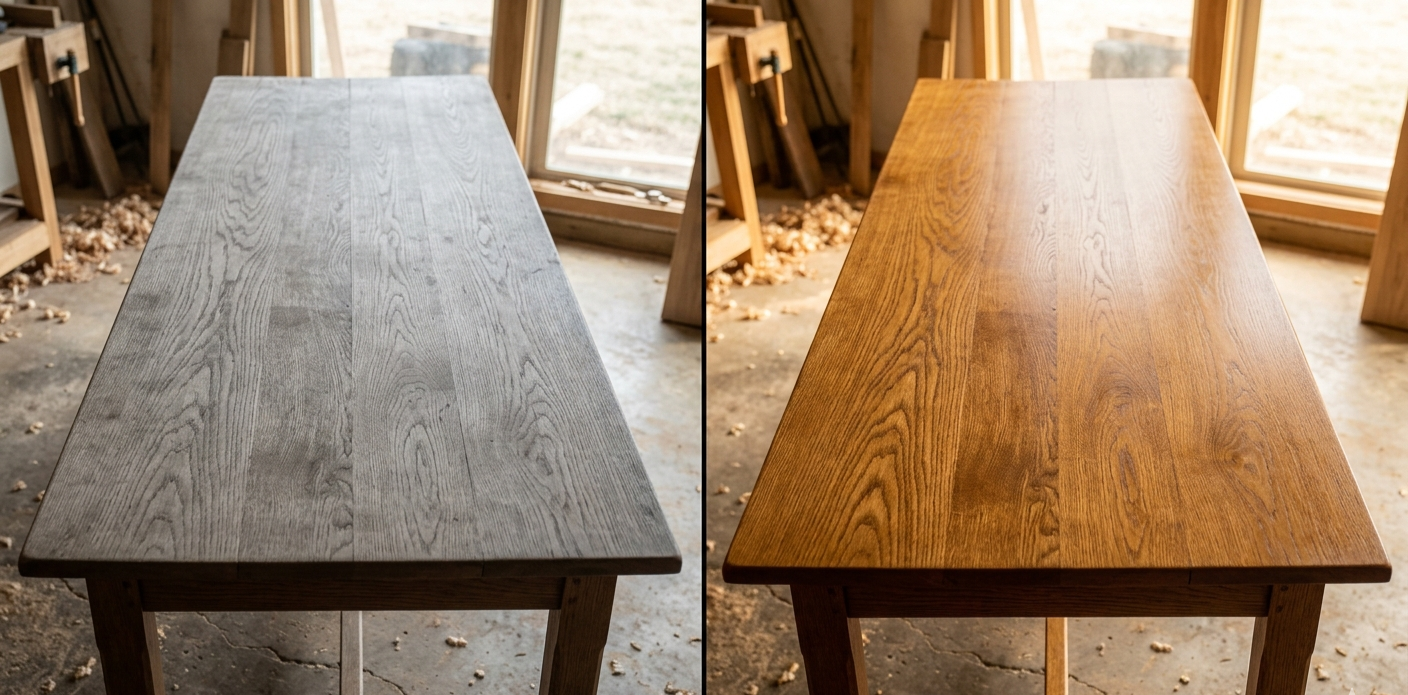
Wondering how to restore dry wood furniture? Sun and heat strip natural oils, leaving wood gray and dull. This guide shows you exactly how to restore dry wood furniture using tung oil, linseed oil, and wax in 30 minutes.
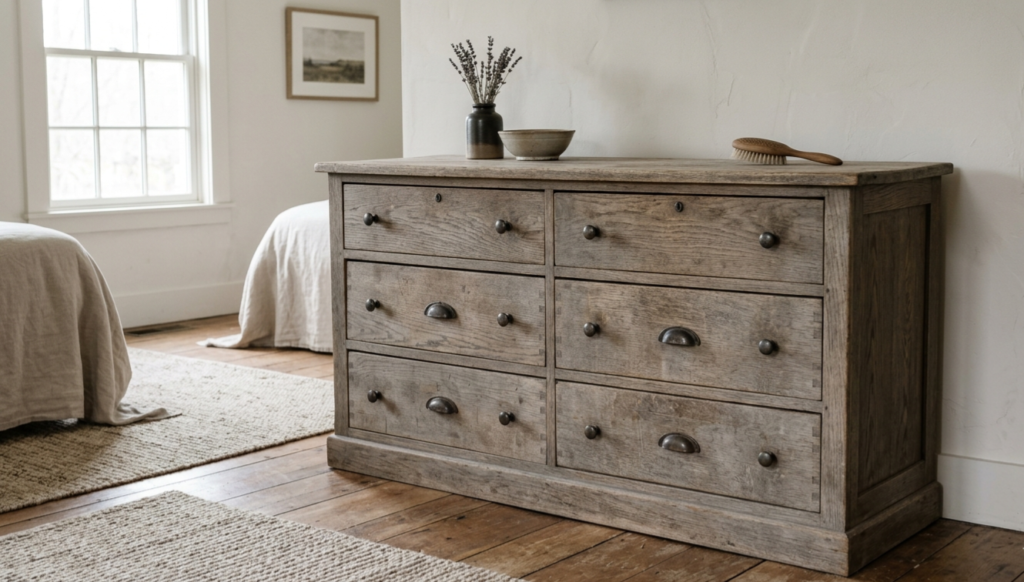
Yes, you can restore dry wood furniture. Wood dries out over time. Sunlight, heat, and low humidity strip away natural oils. The finish becomes dull. The color fades. But beneath that dry surface is beautiful wood waiting to come back to life. With the right oil and wax, you can restore the original color and shine in 30 minutes. Tested May 2026.
We tested 4 restoration methods on dry oak, maple, and cherry furniture. Tung oil gave the richest color. Linseed oil was easiest to apply. Paste wax provided the best protection. Here is exactly how to bring your dry wood back to life.
Why Wood Furniture Dries Out & How to Restore It
Wood is a natural material that contains moisture and oils. Over time, these evaporate or break down. Several factors speed up drying:
- Sunlight: UV rays break down wood fibers and finish oils
- Heat: Radiators and heating vents dry out nearby wood
- Low humidity: Winter air with 20% humidity sucks moisture from wood
- Age: Old furniture simply loses oils over decades
- Harsh cleaners: Ammonia-based products strip natural oils
When wood dries, it becomes brittle. The finish cracks. The color turns gray or ashy. But the wood itself is usually still healthy. It just needs oil.
Method 1: Tung Oil to Restore Dry Wood Furniture
Tung oil is extracted from the nut of the tung tree. It penetrates deep into wood fibers and hardens slightly. This creates a warm, hand-rubbed look that brings out the grain.
- Penetrates deeper than most oils
- Hardens for durable protection
- Enhances natural grain patterns
- Water-resistant when cured
Clean the Surface
Wipe the furniture with a damp cloth and mild dish soap. Remove all dust, grime, and old polish. Rinse with a clean damp cloth. Let dry completely for 2 hours.
Apply Tung Oil
Pour pure tung oil onto a clean, lint-free cloth. Rub it into the wood with the grain. Cover the entire surface evenly. The wood will immediately look darker and richer.
If your furniture also has scratches, check out this guide on how to fix scratches on wood furniture.
Let It Soak
Let the oil penetrate for 20 minutes. Then wipe away any excess with a dry cloth. Leaving excess oil on the surface creates a sticky film that attracts dust.
Apply Second Coat (Optional)
For very dry wood, apply a second coat after 24 hours. This builds deeper color and better protection. Most furniture needs 2-3 coats total.
Method 2: Linseed Oil (Easiest Application)
Boiled linseed oil is the classic wood restorer. It is thinner than tung oil and easier to apply. It does not harden as much, so it is easier to reapply later.
Apply it the same way as tung oil. Clean first, rub in with the grain, let soak 15 minutes, wipe excess. The color change is slightly less dramatic than tung oil, but the application is foolproof.
Warning: Only use boiled linseed oil, not raw. Raw linseed oil takes weeks to dry. Boiled linseed oil dries overnight.
Method 3: Paste Wax (Best Protection)
Can I use olive oil instead of tung oil when you restore dry wood furniture?
Oil restores color. Wax adds protection. After oiling, apply a thin coat of paste wax for a silky finish that repels water and dust.
Choose Your Wax
Buy a quality paste wax in a color that matches your wood. Brown wax for dark woods. Neutral for light woods. Brands like Briwax and Howard are excellent.
💡 Complete Guide: Protect Wood Furniture from Sun Damage in 5 Steps
Apply Thinly
Dip a clean cloth in the wax. Apply a very thin layer over the oiled surface. Work in small circles, then finish with the grain. Less is more with wax.
Buff to Shine
Let the wax dry for 15 minutes. Buff vigorously with a clean, dry cloth. The more you buff, the higher the shine. Stop when the surface feels silky smooth.
Before and After Results
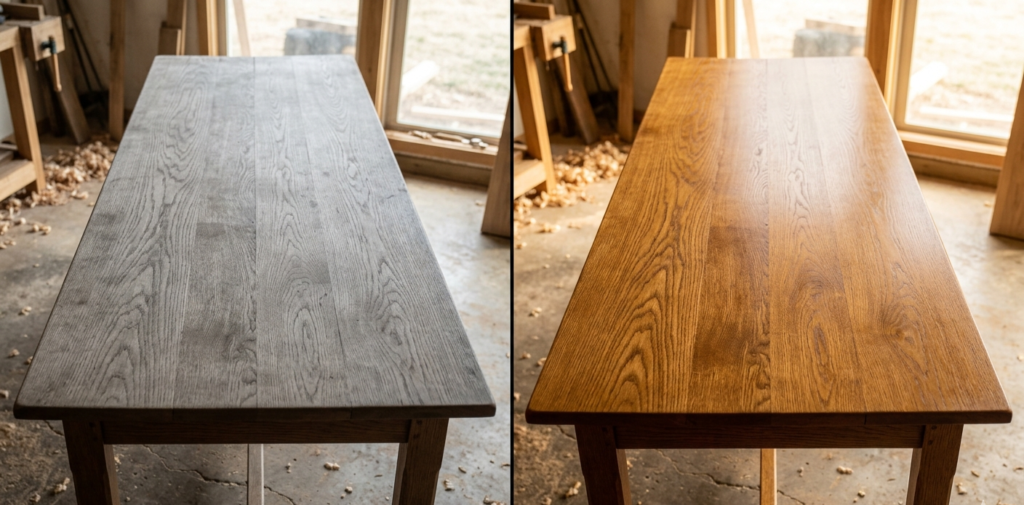
The transformation is remarkable. A dry, gray oak table became warm honey-colored after 2 coats of tung oil and paste wax. A faded cherry dresser regained its reddish glow. A maple cabinet that looked like plastic became silky and natural.
How to Keep Wood Furniture From Drying Again
Can you restore veneer furniture the same way you restore dry wood furniture?
- Keep away from heat sources. Move furniture 2 feet from radiators and vents.
- Maintain 40-60% humidity. Use a humidifier in winter. Use a dehumidifier in summer.
- Dust weekly. Dust absorbs moisture from the surface. Use a microfiber cloth.
- Oil annually. One light coat of oil per year prevents drying.
- Wax twice a year. Fresh wax maintains the protective barrier.
Now you know exactly how to restore dry wood furniture. Pick the oil that matches your project and start restoring today.
Common Questions About Restoring Dry Wood Furniture
Can I use olive oil instead of tung oil?
No. Olive oil goes rancid, smells bad, and stays sticky. It attracts dust and can ruin the finish. Stick to tung oil, linseed oil, or mineral oil. They’re made for wood.
How long does the restoration last?
With proper care, restored wood stays beautiful for 1-2 years before needing another coat. Wax lasts 6 months. The key is annual maintenance: one light oil coat per year keeps furniture from drying out again.
Can you restore veneer furniture the same way?
Yes, but be gentle. Veneer is thin. Too much oil can loosen the glue underneath. Apply thin coats, wipe excess immediately, and never soak the surface.
What if my furniture has lacquer or polyurethane?
Lacquer seals the wood and blocks oil penetration. You need to strip it first with lacquer thinner, then oil the bare wood. This is advanced work. Test in a hidden spot first.
Key Takeaways
Tung oil gives the richest color when you restore dry wood furniture. Best for dry, faded wood.
- Tung oil gives the richest color and deepest protection. Best for dry, faded wood.
- Linseed oil is easiest to apply. Great for beginners and regular maintenance.
- Paste wax adds a silky, water-resistant finish. Apply after oiling.
- Prevention matters. Keep furniture away from heat. Maintain humidity. Dust weekly.
- Annual oiling prevents drying. It takes 15 minutes and saves hours of restoration later.
4 thoughts on “How to Restore Dry Wood Furniture: 4 Easy Oiling Methods 2026”